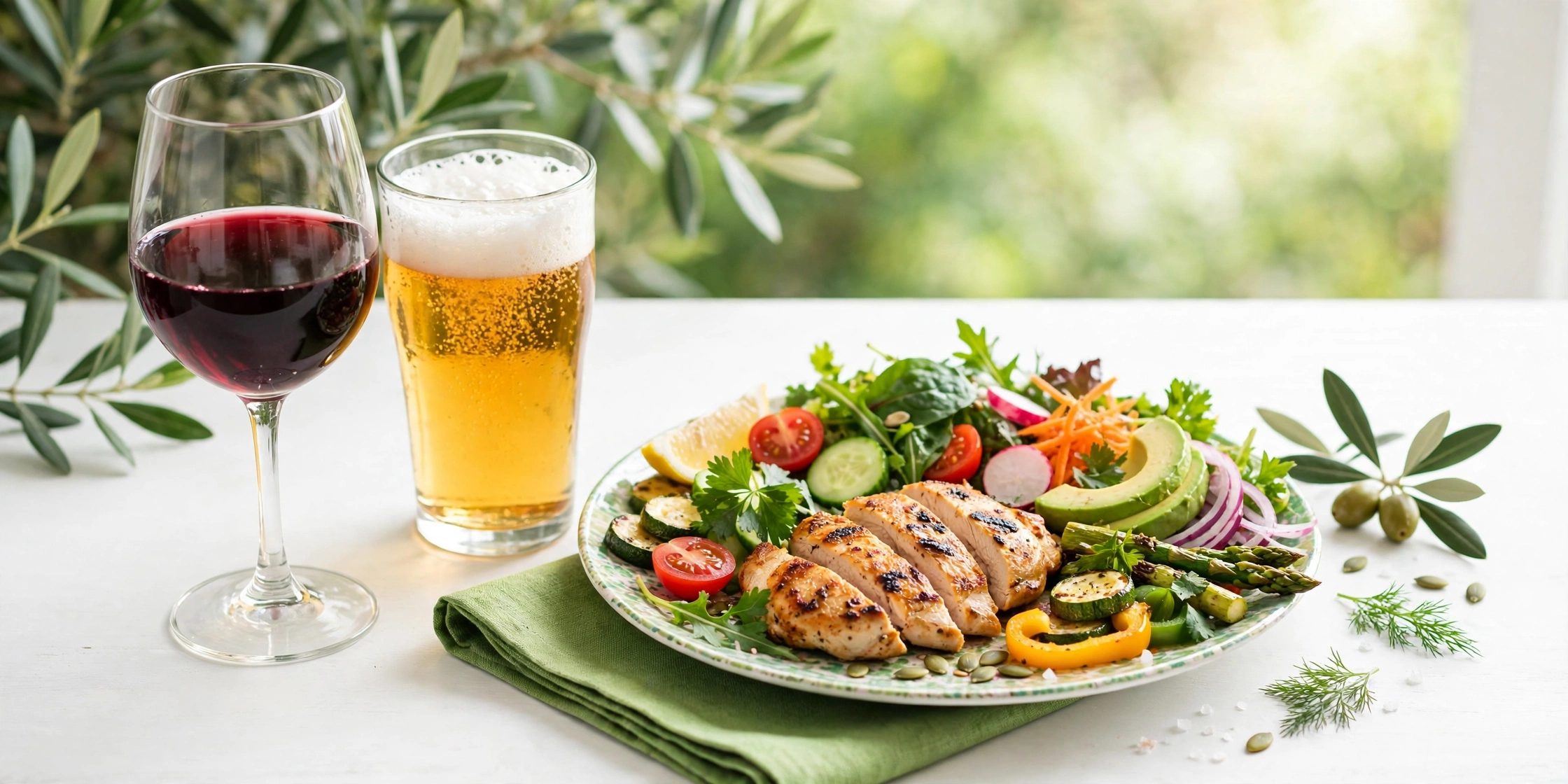
Yes, alcohol can slow fat loss, but it does not make weight loss impossible. Alcohol adds calories, pauses fat burning while your body clears it, and often leads to extra snacking and poor sleep. How much it matters depends on how often and how much you drink. Keep a steady calorie deficit, drink less, and you can lose weight.
 Many people trying to lose weight feel unsure about alcohol. A glass of wine with dinner feels harmless, and a few beers with friends feel normal. The truth is in the middle: alcohol is rarely the only reason weight loss stops, but it makes everything harder — adding hidden calories, changing how your body uses energy, and weakening the choices that keep you on track.
Alcohol and your calorie deficit
Weight loss comes down to a calorie deficit: eating and drinking fewer calories than your body uses. Alcohol makes that deficit harder to hold, because it is surprisingly rich in calories. Pure alcohol contains about 7 calories per gram — almost as much as fat, which has 9 calories per gram, and nearly twice as much as protein or carbohydrate, which have about 4 calories per gram.
A small glass of wine has around 120 calories, a pint of beer around 180 to 200 calories, and a mixed drink can easily pass 250 calories once sugary mixers are added. Two or three drinks on a Friday night can add 500 calories or more — roughly the size of the daily deficit many people aim for. Regular drinking quietly eats into the deficit you worked hard to create.
If you want to know how big your deficit should be, a BMR and TDEE calculator can show how many calories your body uses each day. From there you can plan a realistic target instead of guessing. Our guide on what a calorie deficit is and how to keep it safe explains how to set that target without going too low.
Why alcohol pauses fat burning
When you drink, your body treats alcohol as a priority. It cannot store alcohol the way it stores fat or carbohydrate, so the liver works to clear it first. While that is happening, fat burning slows down almost completely. The fat you eat with your drinks is more likely to be stored, and the fat already on your body is not being used for energy.
This pause lasts as long as alcohol is in your system — several hours for one or two drinks, and much longer after a heavy night. That is why a single evening of drinking rarely shows up on the scale the next morning, but regular drinking can stall progress for weeks.
 Alcohol, appetite and late-night cravings
One of the biggest effects of alcohol on weight loss has nothing to do with the calories in the drink itself. Alcohol lowers inhibitions, and that includes the part of your brain that says "I have had enough." After a drink or two, the second helping, the dessert, and the late-night snack all become much easier to say yes to.
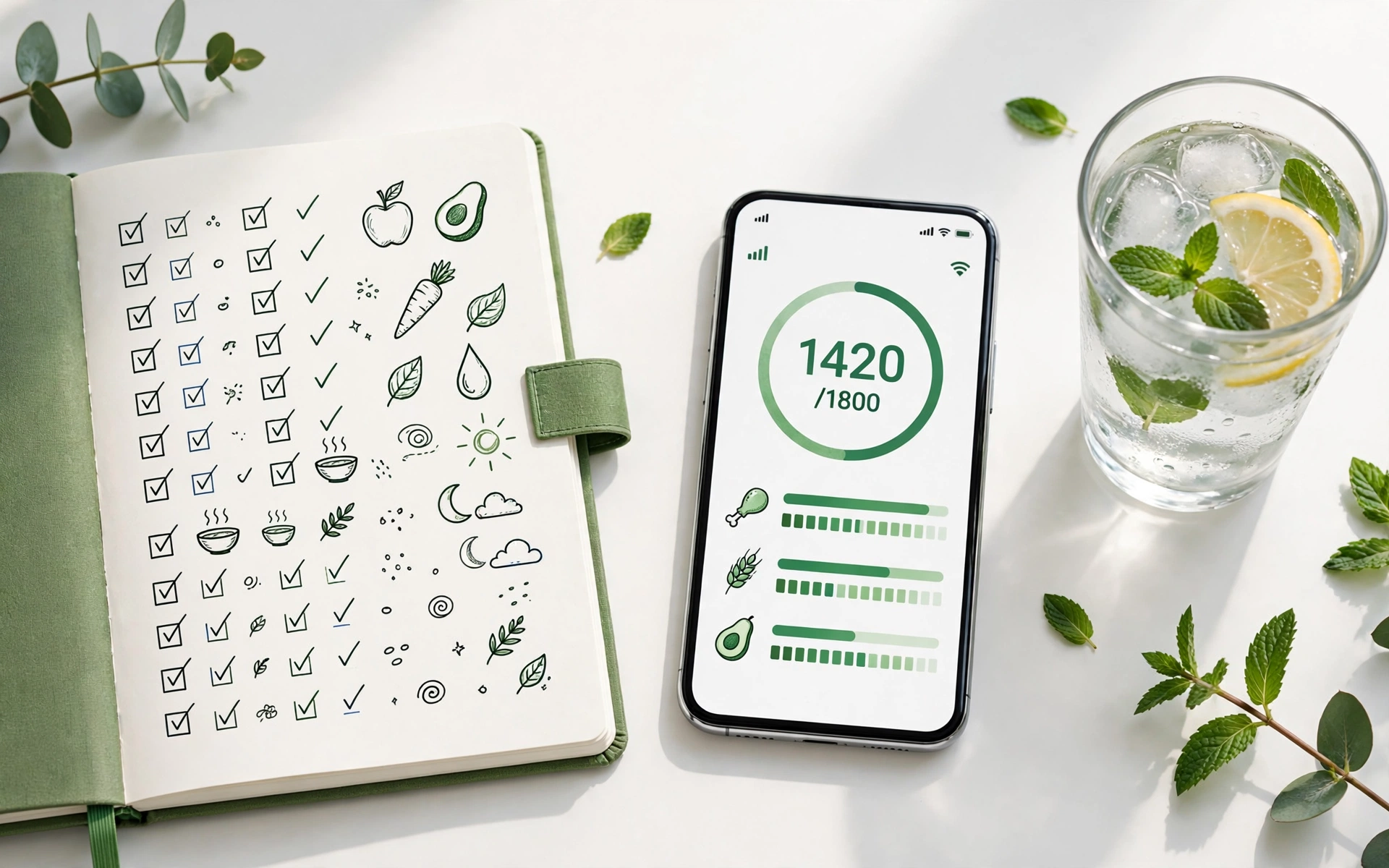
Planning ahead is the best defence. Eat a proper meal with protein and fibre before you go out, so you are not drinking on an empty stomach. Decide in advance how many drinks you will have, and alternate each alcoholic drink with a glass of water. Keeping a calorie tracker helps too — logging your drinks honestly shows you the real cost of the evening and makes the pattern visible over time.
Alcohol, sleep and your calorie deficit
Alcohol may help you fall asleep faster, but it makes your sleep much worse. It reduces deep sleep and REM sleep, the stages your body uses to recover, balance hunger hormones, and repair muscle. After a night of drinking, you wake up tired — and tired people eat more.
Poor sleep raises ghrelin, the hormone that signals hunger, and lowers leptin, the hormone that signals fullness. It also makes you crave quick energy: sugar, bread, fried food, and caffeine. One bad night of sleep can turn the next day into a struggle, even if your food plan was perfect the day before.
If you drink in the evening, try to stop at least three hours before bed and keep the amount small. You will sleep better, wake up with more energy, and find it far easier to stick to your eating plan the next day. Many people find that better sleep alone makes their calorie deficit much easier to maintain.
How to drink less and protect your calorie deficit
You do not have to give up alcohol entirely to lose weight. Most people do better with a realistic plan they can keep. Try these strategies:
- Drink less often. Choose two or three alcohol-free days each week, and keep them fixed so they become a habit.
- Pick lower-calorie options. A glass of wine, a light beer, or spirits with soda water and lime usually have fewer calories than cocktails, creamy liqueurs, or sugary mixers.
- Use a smaller glass. A small glass of wine looks and feels like a full drink, but it holds fewer calories.
- Eat before you drink. A meal with protein, vegetables, and whole grains slows down alcohol absorption and reduces late-night hunger.
- Alternate with water. One glass of water between drinks keeps you hydrated, slows your pace, and cuts your total intake.
- Track your drinks. Log every drink the same way you log food. What gets measured gets managed, and most people are surprised by their weekly total.
- Plan your exit. Decide before you go out what time you will leave and how many drinks you will have. A plan made in advance is far easier to keep than a decision made after two drinks.
If you want help setting your daily target, our guide on how to calculate your calorie deficit walks you through the steps.
Key takeaways
- Alcohol adds calories — about 7 per gram — and can quietly erase a daily calorie deficit.
- While your body clears alcohol, fat burning pauses and food is more likely to be stored.
- Drinking increases appetite and weakens food choices, often adding more calories than the drinks themselves.
- Alcohol harms sleep quality, which raises hunger and cravings the next day.
- You can still lose weight while drinking occasionally: drink less often, choose lower-calorie drinks, eat first, and track what you drink.
Frequently asked questions
Does alcohol stop fat loss completely?
No. Alcohol slows fat loss while your body is clearing it, and it adds calories that can erase your calorie deficit, but it does not permanently stop fat loss. If your overall calorie intake stays below what you burn over the week, you can still lose weight even if you drink occasionally.
How many calories are in a glass of wine or beer?
A small glass of wine has around 120 calories, a pint of beer around 180 to 200 calories, and a standard shot of spirits around 100 calories before mixers.
Will one drink a week ruin my weight loss?
Almost certainly not. One drink a week adds only a small number of calories, and it is easy to fit into a weekly calorie deficit. Problems usually come from frequent drinking, large amounts, and the extra food that follows a night out — not from a single occasional drink.
Does alcohol make you gain belly fat?
Alcohol itself does not target the belly, but heavy drinking is linked with more fat stored around the waist. This happens because of the extra calories, the pause in fat burning, poor sleep, and the high-calorie foods people tend to eat while drinking. Cutting back usually helps reduce waist size over time.
Should I skip a meal to "save calories" for drinking?
No, that is a bad idea. Drinking on an empty stomach makes you feel the effects faster, weakens your judgement, and usually leads to overeating later. Eat a balanced meal with protein before drinking, and count the drinks in your daily total instead of skipping food.
What is the lowest-calorie alcoholic drink?
Spirits such as vodka, gin, or whisky with soda water and a squeeze of lime are among the lowest-calorie options, at around 100 calories per serving. Dry wine and light beer are also reasonable choices. Avoid cocktails with syrup, juice, cream, or tonic water, which add sugar and calories quickly.


Comments (0)
No comments yet. Be the first to share your thoughts!
Leave a comment