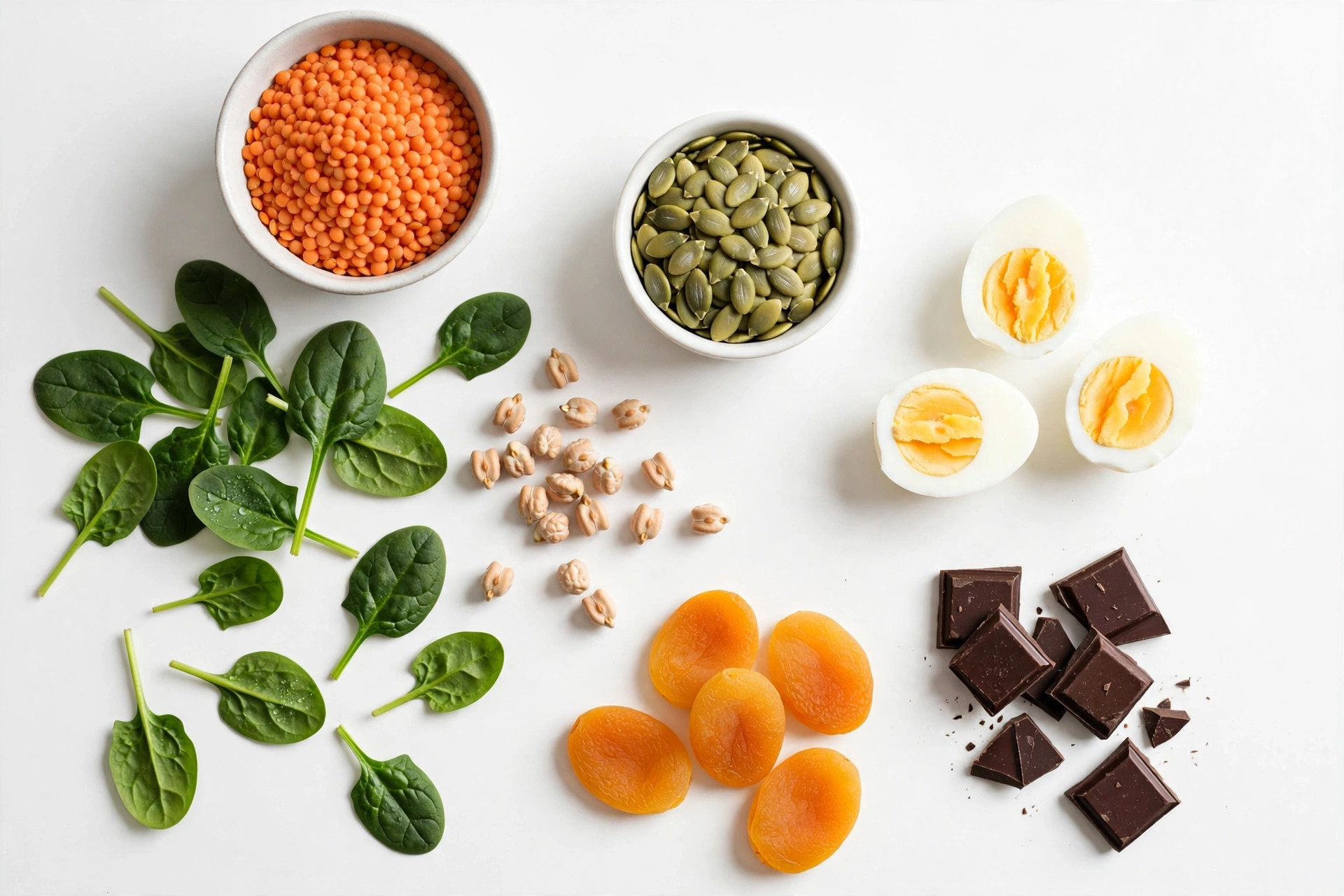
Iron-rich foods are your best defense against tiredness caused by low iron intake. This guide lists 15 proven iron-rich foods — from lean red meat and lentils to spinach and pumpkin seeds — plus how much iron each provides, how vitamin C boosts absorption, and how much you need each day.
Why Iron Matters for Your Energy and Health
Iron’s main job is helping your body make hemoglobin, the protein in red blood cells that carries oxygen from your lungs to every tissue. When your diet consistently lacks iron, your body struggles to produce enough healthy red blood cells — and that is why ongoing tiredness is the most commonly reported complaint when intake falls short.
Iron also plays a supporting role in normal immune function, brain function, and healthy skin, hair, and nails. Low intake is one of the most widespread nutrient shortfalls in the world, and it is common among women of childbearing age, teenagers, and people who eat little or no meat. The encouraging part is that food-based iron intake is entirely within your control, and small everyday meal changes often make a difference.
Key takeaways
- Iron helps your blood carry oxygen; low intake is a common, diet-fixable cause of persistent tiredness.
- The best iron-rich foods include lean red meat, chicken, fish, eggs, lentils, chickpeas, spinach, tofu, and pumpkin seeds.
- Heme iron from animal foods absorbs more easily; vitamin C helps your body absorb non-heme iron from plants.
- Adult men need about 8 mg per day; women aged 19–50 need about 18 mg; pregnant women need about 27 mg.
Heme vs Non-Heme: The Two Types of Iron in Iron-Rich Foods
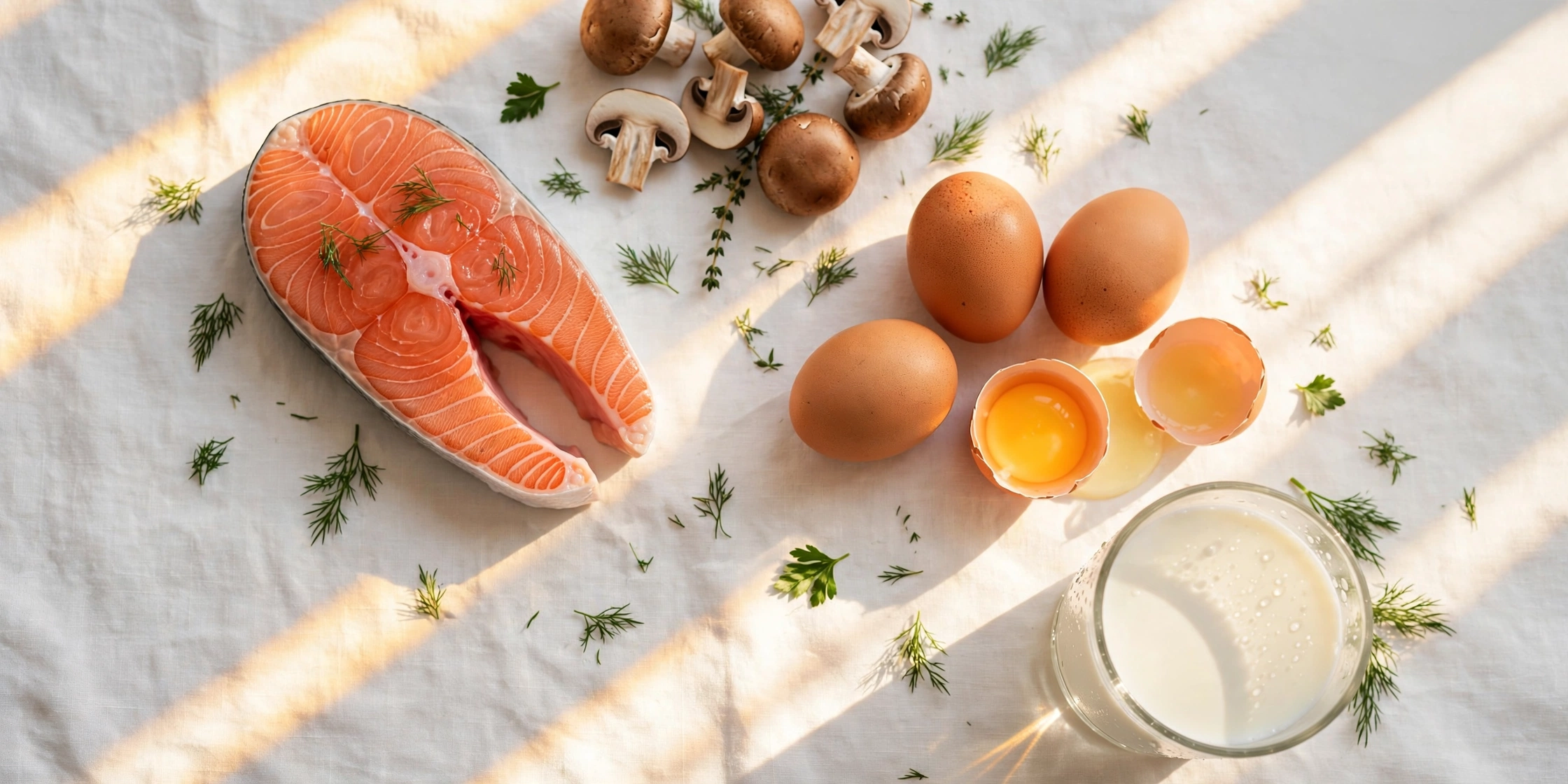
Not all iron-rich foods deliver iron the same way. Animal foods contain heme iron, a form your body absorbs efficiently — roughly 15–35% of it makes it into your system. Plant foods contain non-heme iron, which is absorbed less easily (roughly 2–20%), but it still counts, and its absorption improves a lot when you eat it with vitamin C.
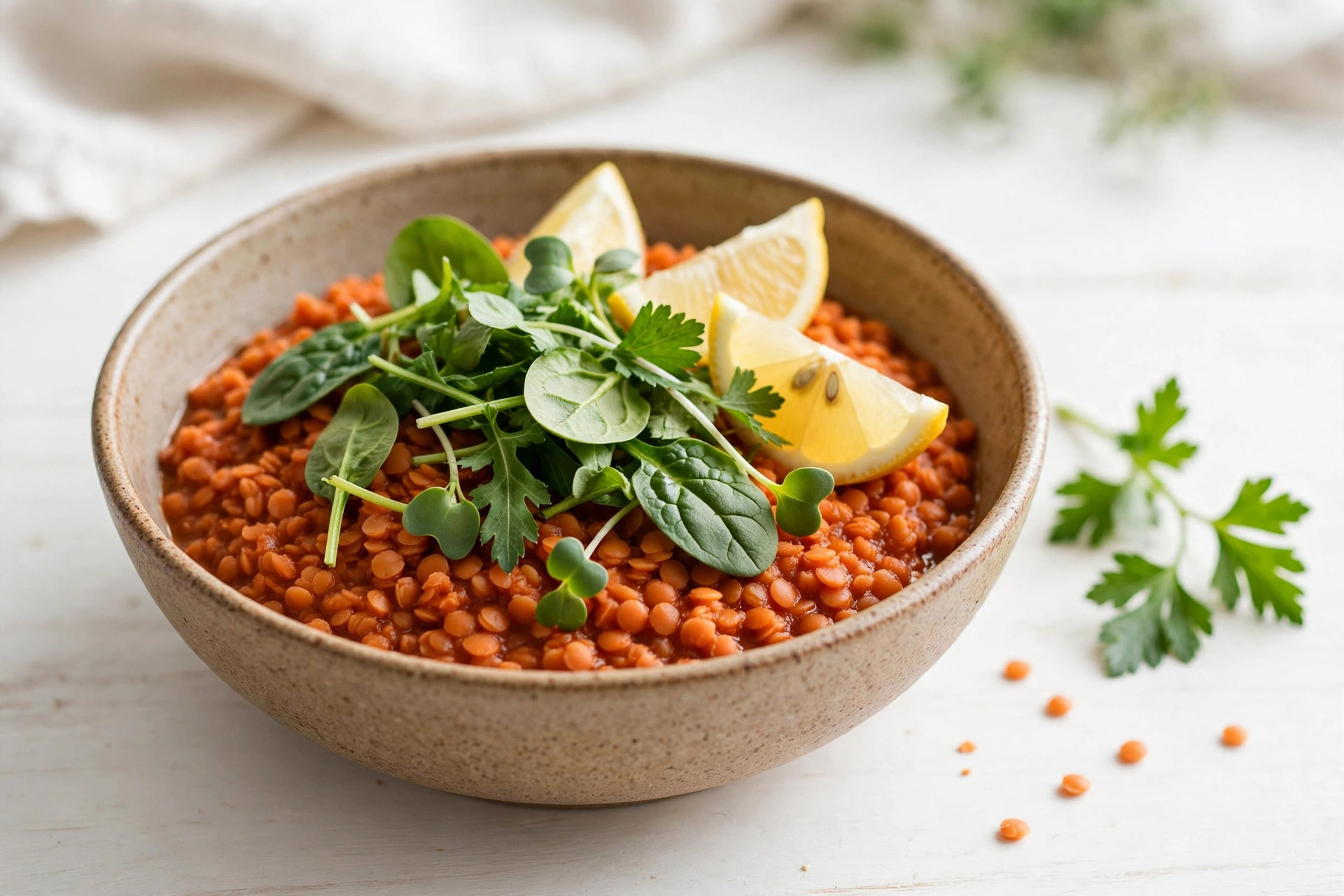
This does not mean plant-based eaters are doomed to fall short. It simply means vegetarians and vegans should pay a little more attention to combining foods smartly. A lentil curry with tomatoes and a squeeze of lemon, for example, is a classic high-absorption pairing. And if you do eat meat, adding even a small amount to a plant-heavy meal helps your body pull more iron from the whole plate.
Signs You Might Not Be Getting Enough Iron
Low iron intake cannot be diagnosed from symptoms alone, because signs like fatigue, pale skin, and feeling breathless have many possible causes. Still, people who eat little meat and few legumes or greens are statistically more likely to fall short. Commonly reported signs associated with low iron intake include:
- Ongoing tiredness that rest does not fix
- Pale skin or pale inner eyelids
- Feeling short of breath during normal activity
- Brittle nails or more hair shedding than usual
- Restless legs in the evening
If several of these sound familiar, start by improving your diet and logging what you actually eat — a food tracker shows whether your meals contain enough iron-rich foods. Only a health professional can confirm a true deficiency, usually with a blood test measuring ferritin and hemoglobin, so talk to one if symptoms persist.
The 15 Best Iron-Rich Foods
Below are widely published approximate values per serving. “About” means exactly that.
Heme iron sources (from animal foods)
- Lean beef — about 2.6 mg per 3 oz (85 g) cooked. One of the most concentrated and best-absorbed sources.
- Chicken, dark meat — about 1.3 mg per 3 oz (85 g) cooked, skinless.
- Turkey, dark meat — about 1.4 mg per 3 oz (85 g) cooked, skinless.
- Sardines — about 2.5 mg per small can (about 100 g). Also a budget-friendly omega-3 pick.
- Tuna, canned in water — about 1.2 mg per 3 oz (85 g) drained.
- Eggs — about 0.9 mg per large egg. Modest per egg, but they add up across breakfasts and baking.
Non-heme iron sources (from plant foods)
- Lentils — about 3.3 mg per half cup cooked. Cheap, versatile, and a protein standout too.
- Chickpeas — about 2.4 mg per half cup cooked. Great in salads, curries, and roasted as a snack.
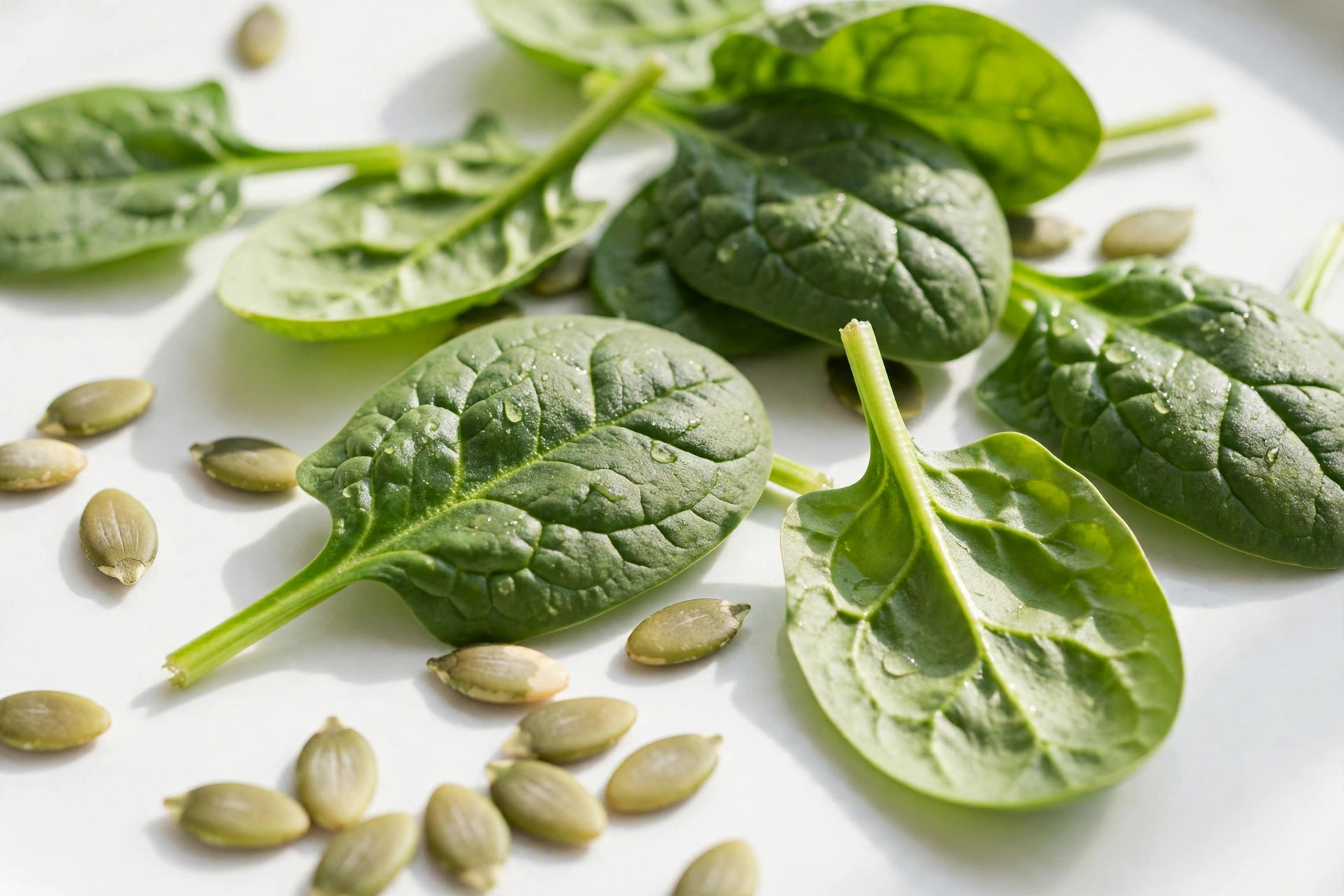
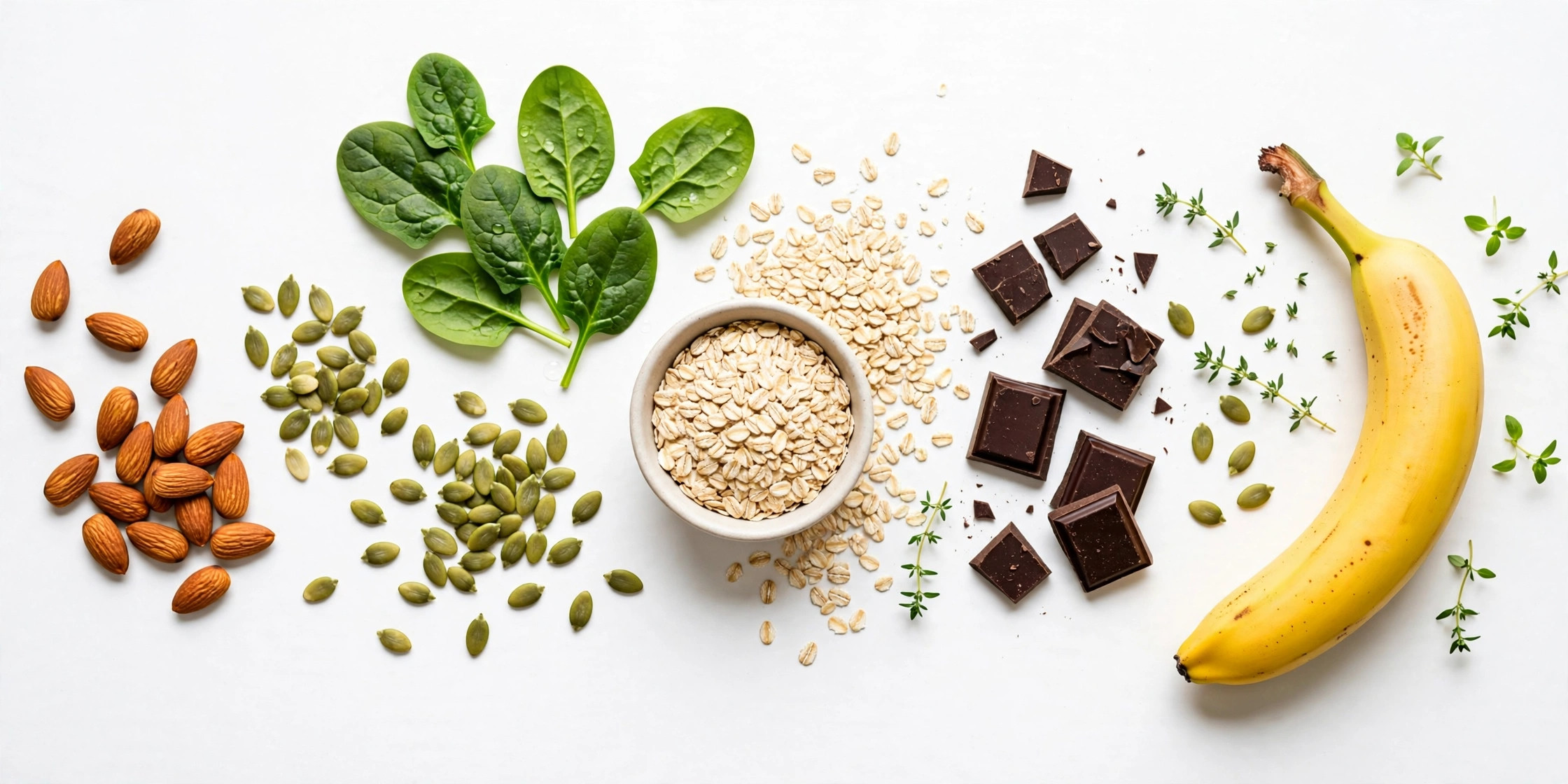
- Spinach, cooked — about 3.2 mg per half cup. Cooking shrinks it down, so you eat far more than you think.
- Firm tofu — about 3 mg per half cup (about 126 g). A solid iron pick for plant-based diets.
- Quinoa, cooked — about 1.4 mg per half cup. A complete-protein grain that doubles as an iron contributor.
- Pumpkin seeds — about 2.2 mg per ounce (28 g). An easy desk-drawer snack with real mineral payoff.
- Dark chocolate (70–85%) — about 3.3 mg per ounce (28 g). Genuinely iron-rich, in genuinely small portions.
- Dried apricots — about 1.8 mg per half cup (about 65 g). Pair with vitamin C fruit for a smart snack.
- Kidney beans — about 2.6 mg per half cup cooked. A staple that pulls double duty on fiber.
Notice how achievable the daily target becomes: a lentil soup lunch, a handful of pumpkin seeds as a snack, and a spinach-and-chicken dinner can cover an adult woman’s full 18 mg. Planning balanced meals is easier with a nutrition tool that shows the mineral content of your foods.
How to Absorb More Iron from Iron-Rich Foods
Eating iron-rich foods is only half the story — absorbing the iron is the other half. These simple habits make a measurable difference:
- Pair plant iron with vitamin C. Add lemon juice, bell peppers, tomatoes, strawberries, or citrus to lentil, bean, and spinach meals. Vitamin C can significantly raise non-heme iron absorption.
- Add a little heme iron to plant meals. Even a small portion of meat or fish alongside a bean dish helps your body absorb more iron from the entire meal.
- Keep tea and coffee away from meals. The tannins and polyphenols in tea and coffee can noticeably reduce iron absorption — enjoy them an hour or two before or after eating instead.
- Watch high-dose calcium at mealtimes. Large amounts of calcium (for example, from supplements) can compete with iron absorption, so space them apart if you take both.
How Much Iron Do You Need Per Day?
General reference values from public health authorities:
- Adult men: about 8 mg per day
- Women aged 19–50: about 18 mg per day
- Women over 50: about 8 mg per day
- Pregnant women: about 27 mg per day
- Teenagers: about 8–15 mg per day, depending on age and sex
These are general guidelines, not personal prescriptions. Food should be your first source — iron from meals is hard to overdo, while high-dose iron supplements can cause digestive problems and interact with medications. If you suspect your intake is low, work with a doctor or dietitian rather than self-prescribing pills. Minerals work as a team, so it is also worth reading up on related nutrients like magnesium and vitamin D, which support energy and bone health alongside iron.
Frequently Asked Questions
What are the best iron-rich foods?
Lean red meat, chicken, fish, and eggs top the absorbability list (heme iron). Lentils, chickpeas, spinach, tofu, quinoa, pumpkin seeds, and dark chocolate are excellent plant sources. Eating a mix of both gives you the best coverage.
How do I know if I have low iron?
Persistent fatigue, pale skin, shortness of breath during normal activity, and brittle nails are commonly reported signs, but they have many causes. Only a health professional can diagnose iron deficiency with a blood test measuring ferritin and hemoglobin.
What is the difference between heme and non-heme iron?
Heme iron comes from animal foods (meat, poultry, fish) and your body absorbs it more easily. Non-heme iron comes from plant foods (lentils, spinach, seeds) and is absorbed less efficiently — but pairing it with vitamin C-rich foods helps a lot.
Can I get enough iron from food alone?
Most people can, especially with a varied diet that includes meat or a thoughtful mix of legumes, leafy greens, seeds, and vitamin C-rich produce. Vegetarians and pregnant women should pay extra attention and may need professional guidance.
Does vitamin C really help iron absorption?
Yes. Vitamin C converts plant-based (non-heme) iron into a form your body absorbs more easily. Adding lemon juice, bell peppers, tomatoes, or citrus fruit to a lentil or spinach meal can make a real difference.
Comments (0)
No comments yet. Be the first to share your thoughts!
Leave a comment