
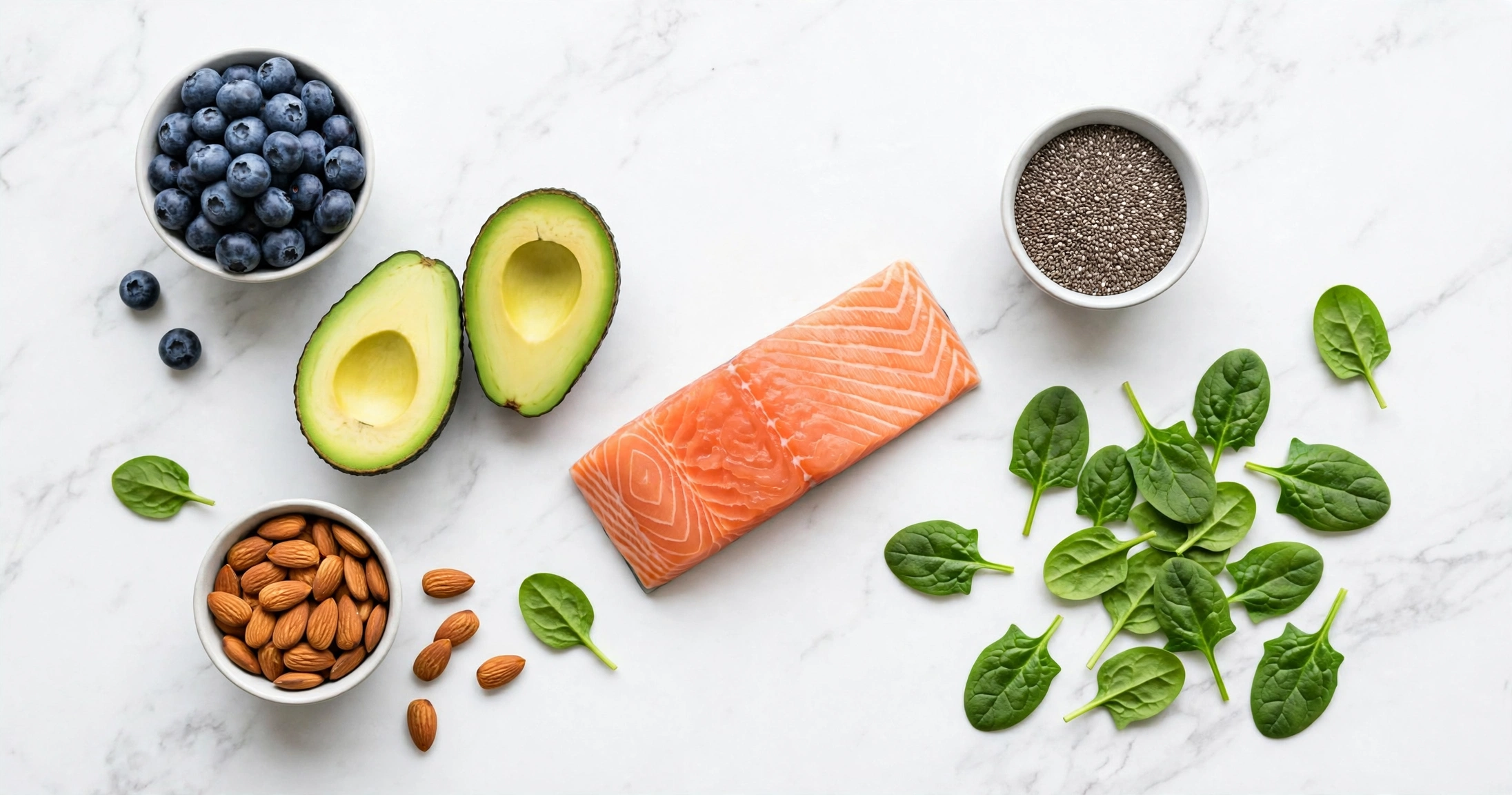
Are superfoods worth it? Yes — if you choose wisely. Nutrient-dense staples like berries, leafy greens, beans, nuts, and fatty fish consistently earn their reputation. But pricey powders and exotic imports rarely beat cheaper alternatives. Here's an honest look at 12 worth buying and 5 to skip.
What "superfood" actually means
"Superfood" is a marketing term, not a scientific category — no official definition exists. Nutrition researchers generally use it to describe foods that pack an unusually high amount of vitamins, minerals, antioxidants, fiber, or healthy fats per calorie. A blueberry earns the label because it delivers vitamin C, fiber, and anthocyanins in very few calories. A candy bar with added vitamins does not.
The key insight: many of the most research-supported foods are humble pantry staples. Understanding this is the first step to answering whether superfoods are worth it for you — and it usually means spending less, not more.
The 12 best superfoods worth buying
These twelve picks are backed by substantial nutrition research. They're affordable, widely available, and easy to work into everyday meals.
1. Blueberries
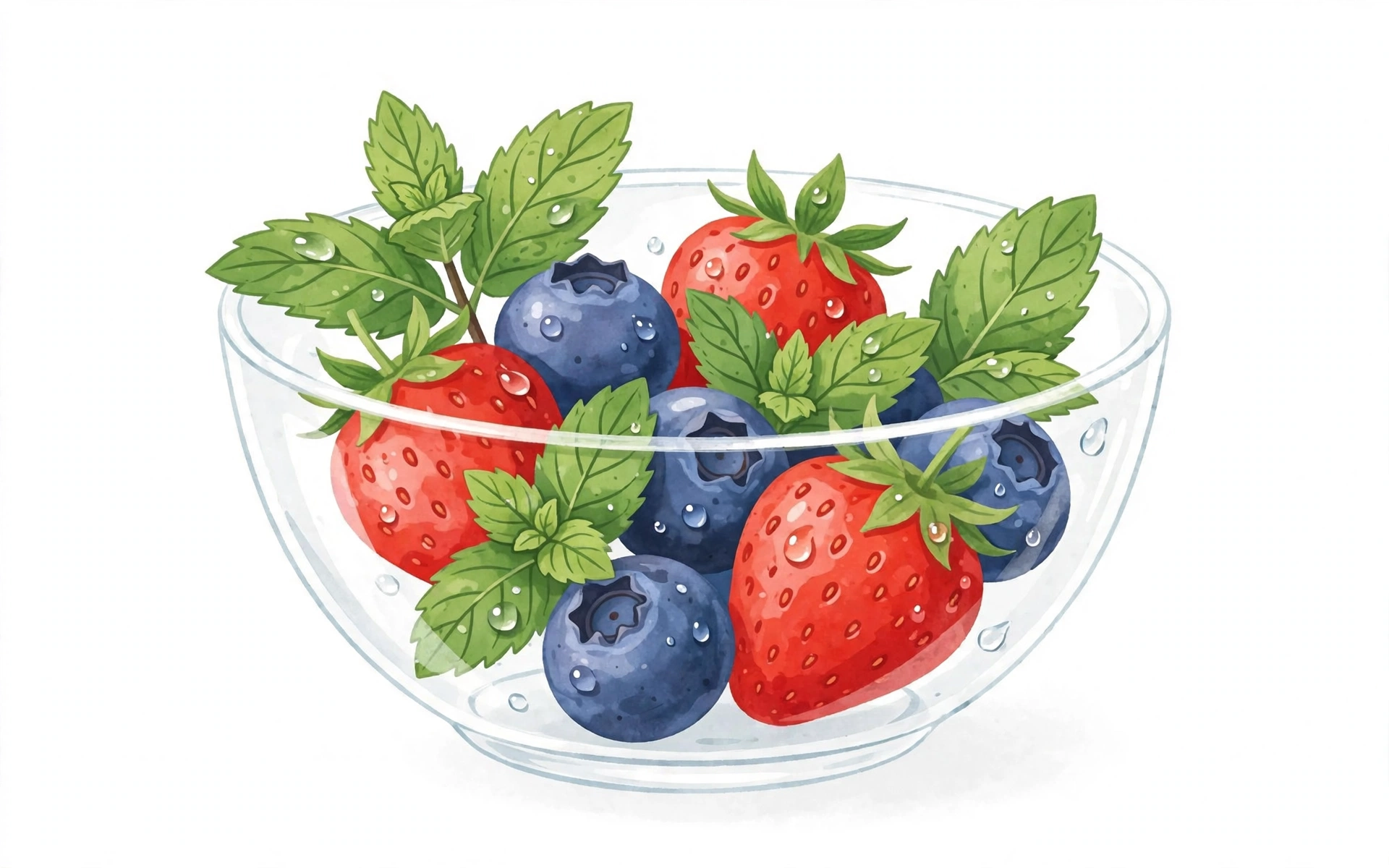
Blueberries are one of the most-studied fruits in nutrition science. They're rich in anthocyanins — the pigments that give them their deep color — along with vitamin C and fiber. Observational studies have linked regular berry intake with healthy aging of the brain. Fresh or frozen, they're one of the simplest upgrades you can make.
2. Leafy greens (spinach, kale, collards)
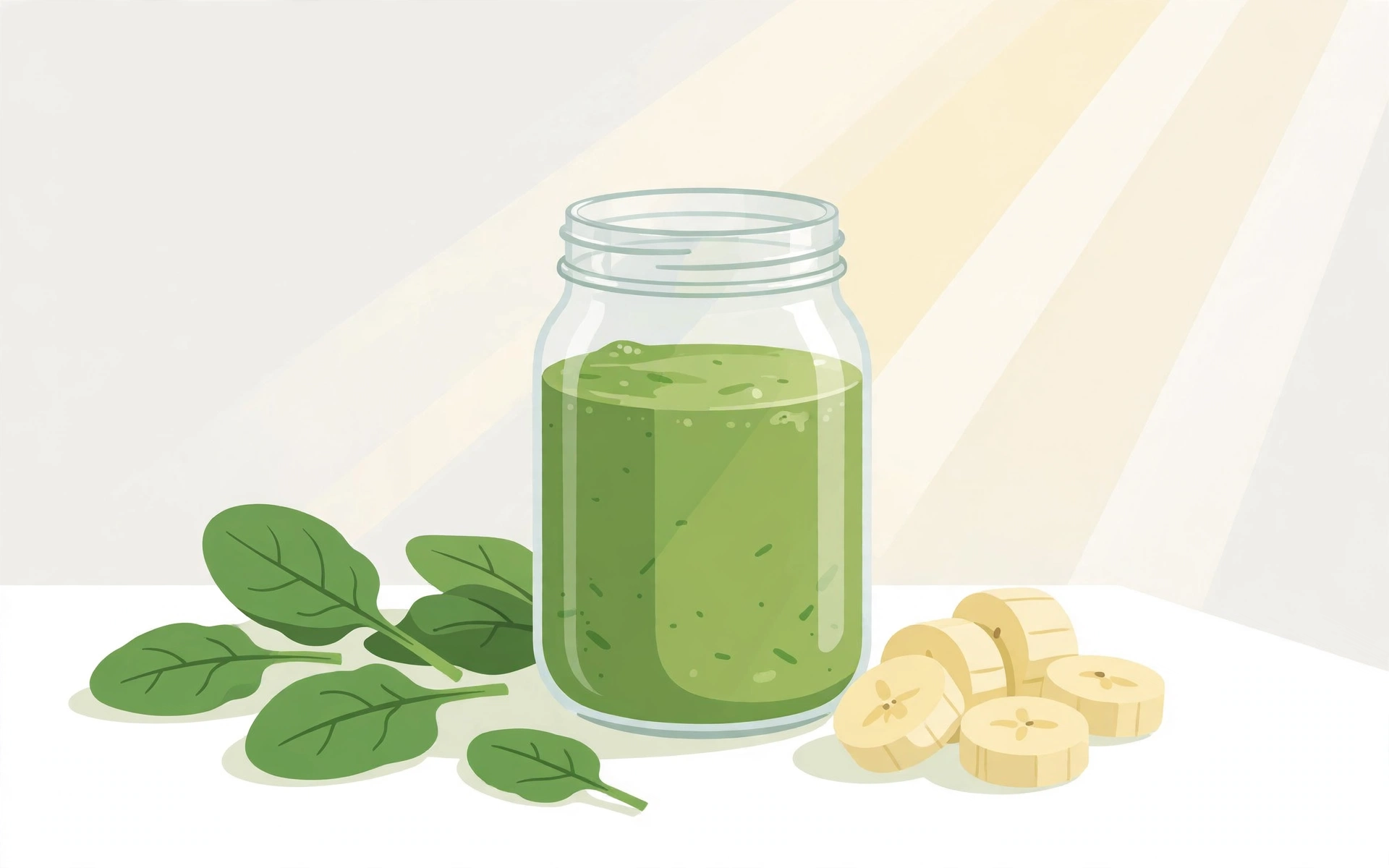
Dark leafy greens deliver vitamin K, folate, vitamin A (as beta-carotene), iron, and calcium in very few calories. Higher green vegetable intake is consistently linked with better heart-health markers in large studies. Spinach is cheap, wilts into anything, and works in smoothies, eggs, and pasta.
3. Salmon and other oily fish
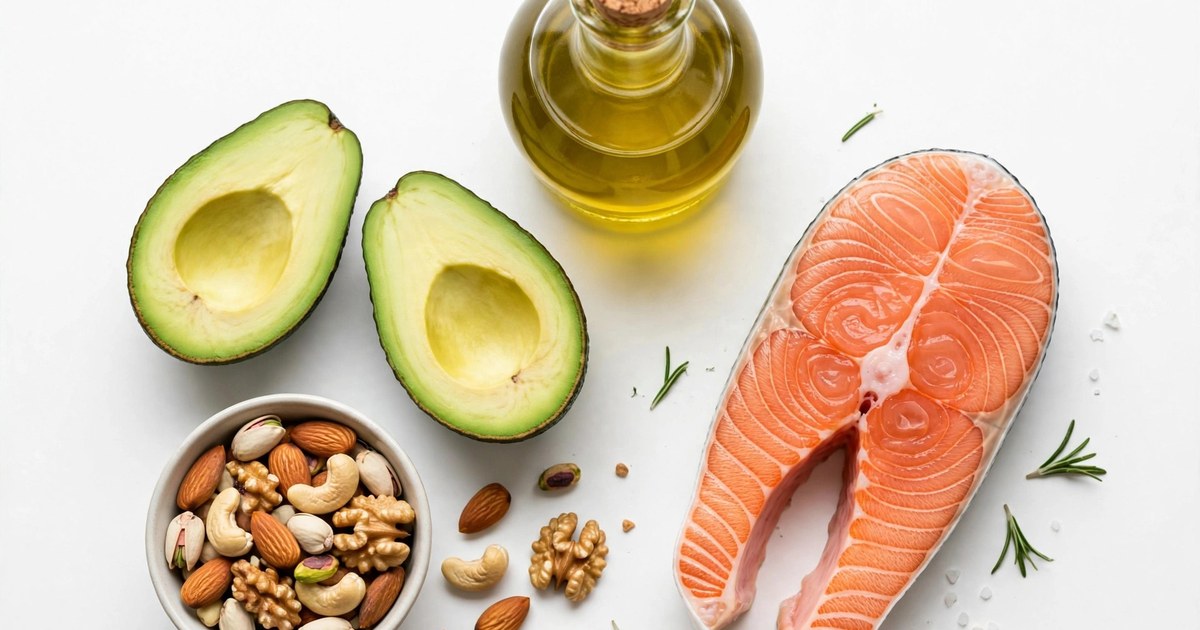
Salmon, sardines, and mackerel are the best dietary sources of long-chain omega-3 fatty acids (EPA and DHA), plus high-quality protein and vitamin D. Most dietary guidelines recommend fish twice a week. Canned sardines are a budget hero with the same core nutrients.
4. Lentils and beans
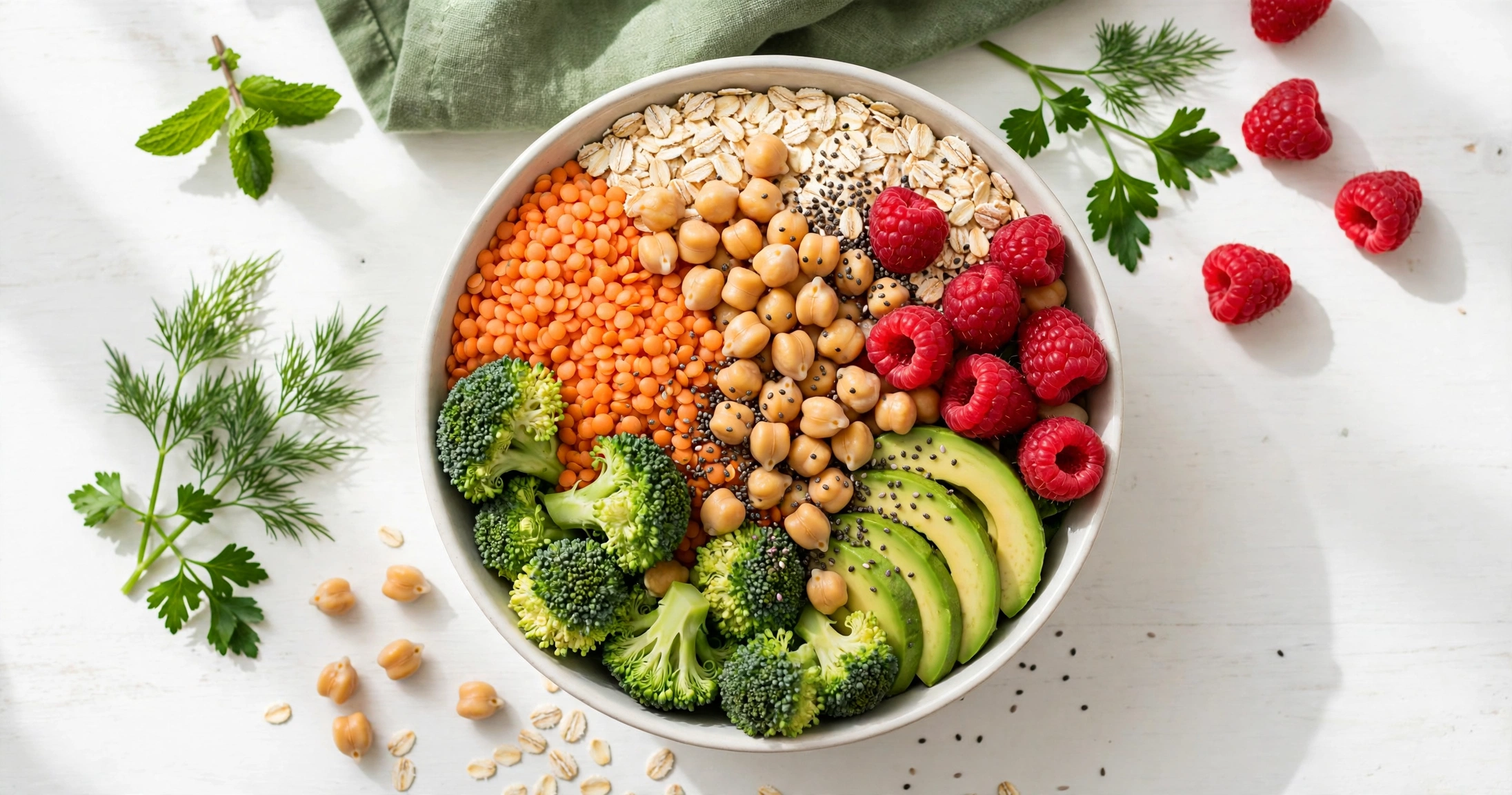
Lentils, chickpeas, and black beans offer plant protein, iron, folate, magnesium, and large amounts of fiber — a nutrient most people under-eat. Our guide on fiber's benefits for weight loss and gut health explains why that fiber matters so much. Lentils cook in 20 minutes with no soaking, making them the easiest superfood of all.
5. Walnuts
Walnuts are the only tree nut with meaningful amounts of ALA, a plant-based omega-3, plus polyphenols and magnesium. Several trials have studied their effect on heart-health markers. They're calorie-dense, so stick to about 30 grams a day.
6. Greek yogurt
Plain Greek yogurt packs roughly twice the protein of regular yogurt, along with calcium and live probiotic cultures. Choose plain and add your own fruit to avoid the sugar load of flavored versions.
7. Oats
Oats contain beta-glucan, a soluble fiber that has been shown in trials to help lower LDL cholesterol when eaten regularly as part of an overall healthy diet. They're also cheap, filling, and endlessly versatile. Steel-cut or rolled both work — skip the sugary instant packets.
8. Eggs
Eggs provide complete protein, choline (important for brain health), vitamin B12, and lutein for eye health — all for relatively little money. For most healthy people, an egg a day fits fine within a balanced diet. If you have high cholesterol or heart disease, ask your doctor about your limit.
9. Avocado
Avocados are rich in monounsaturated fats, potassium, fiber, and folate. Swapping saturated fats for unsaturated fats is one of the better-supported moves for heart health. A little goes a long way — half an avocado on toast is plenty.
10. Sweet potatoes
Sweet potatoes are loaded with beta-carotene (which your body converts to vitamin A), plus fiber, vitamin C, and potassium. Roast them in wedges or mash them — no fancy preparation needed.
11. Broccoli
Broccoli delivers vitamin C, vitamin K, folate, and fiber, plus sulfur-containing compounds like sulforaphane that are an active area of research. It's one of the cheapest vegetables per serving. Light steaming preserves the most nutrients — don't boil them away.
12. Flaxseed
Ground flaxseed is rich in ALA omega-3s, lignans (plant compounds being studied for hormonal-health effects), and fiber. Buy it ground — whole seeds mostly pass through undigested. A tablespoon in oatmeal or smoothies is an easy daily habit.
5 overhyped "superfoods" you can skip
None of these are bad for you. They're just overpriced relative to cheaper foods that offer the same — or better — nutrition.
1. Goji berries → buy blueberries or blackberries instead
Goji berries are nutritious, but there's no strong evidence they're superior to ordinary berries. Dried gojis often cost several times more than frozen blueberries. If you love the taste, fine — but you're paying for novelty, not extra nutrition.
2. Acai bowls → make a berry smoothie at home
But commercial acai bowls are often blended with juice and topped with granola, honey, and chocolate — a 500+ calorie dessert. A homemade smoothie with frozen mixed berries gives you the same antioxidants for a fraction of the price and sugar.
3. Chia seeds → flaxseed does the same job cheaper
Nutritionally, chia and flaxseed are near-twins: both offer ALA omega-3s and fiber, and flaxseed typically costs less. Pick whichever you prefer.
4. Coconut oil → olive oil is the better-studied choice
Coconut oil was marketed as a miracle fat, but it's about 90% saturated fat — higher than butter. But it also raises LDL ("bad") cholesterol, and olive oil has a far stronger evidence base for heart health. Keep it for occasional cooking; don't treat it as medicine.
5. "Supergreen" powders → eat actual vegetables
Expensive green powders promise the nutrition of multiple vegetable servings in a scoop. Proprietary blends hide actual doses, and nothing replaces the fiber of whole vegetables. A bag of frozen spinach costs a fraction and delivers the real thing.
Are superfoods worth it? A simple decision rule
So, are superfoods worth it in the end? Use this rule: if a "superfood" is a whole food you enjoy, can afford, and will actually eat regularly, it's worth it. If it requires a premium price, a special trip, or a leap of faith in marketing claims, skip it. The research-backed pattern is boring but clear: plenty of vegetables and fruit, legumes, nuts, whole grains, and fish — most of it inexpensive.
Whole foods come with fiber and nutrient combinations that powders can't replicate, and the evidence for most "superfood" supplements in healthy people is weak. Spend your budget on better groceries, not better marketing.
How to add superfoods without overspending
- Buy frozen: frozen berries, spinach, and broccoli are picked ripe, keep for months, and often cost half the fresh price.
- Go canned (smartly): canned beans, lentils, sardines, and salmon are pantry superfoods — rinse beans to cut sodium.
- Shop the staples: oats, eggs, lentils, and cabbage are among the cheapest nutrient-dense foods in any market.
- Track what you actually eat: use the free nutrition calculator to check your fiber, protein, and vitamin intake, and the meal log to spot gaps a superfood could fill.
- Plan around them: the AI meal plan generator can build a week of meals that naturally includes these foods.
For a broader look at iron-rich staples that double as superfoods, see our guide to iron-rich foods and their best sources.
Key takeaways
- "Superfood" is a marketing term — but nutrient density is real, and the best examples are cheap staples like berries, greens, beans, oats, and eggs.
- 12 picks worth buying: blueberries, leafy greens, oily fish, lentils and beans, walnuts, Greek yogurt, oats, eggs, avocado, sweet potatoes, broccoli, and flaxseed.
- 5 to skip or swap: goji berries, sugary acai bowls, chia (flax is cheaper), coconut oil (choose olive oil), and pricey supergreen powders.
- Frozen and canned versions deliver the same core nutrients at a fraction of the price.
- Whole foods beat powders and supplements — the evidence for most "superfood" supplements in healthy people is weak.
Note: this article is for general information only and isn't medical advice. If you have a medical condition, take medication, or are pregnant, talk to a doctor or registered dietitian before making major diet changes.


Comentarios (0)
Aún no hay comentarios. ¡Sé el primero en compartir tu opinión!
Deja un comentario