
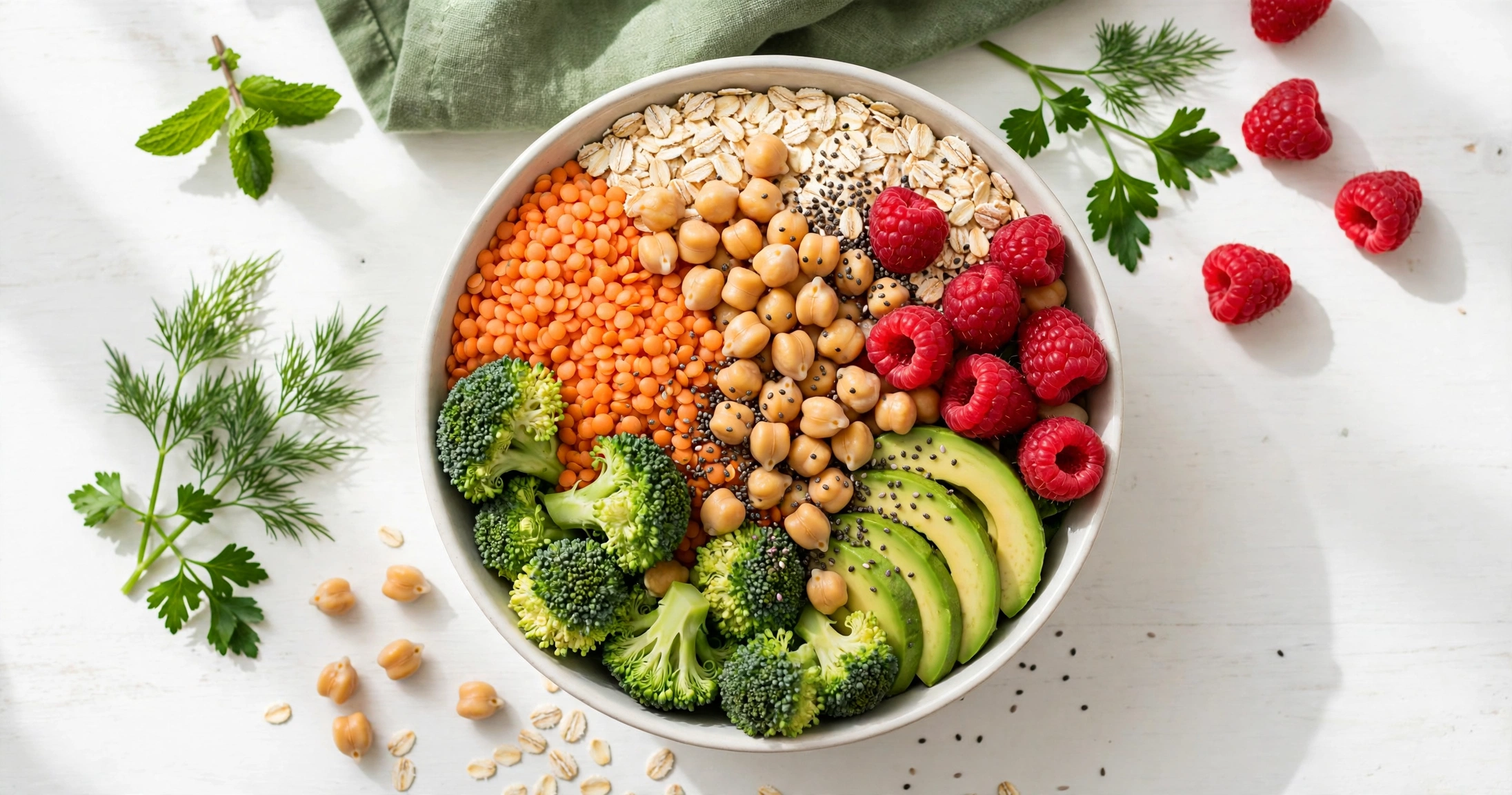
Fiber benefits include better appetite control, steadier blood sugar, healthier gut bacteria, lower cholesterol, and support for sustainable weight loss. Adults need about 25–38 grams of fiber per day, yet most people get barely half that. Increase your intake gradually, eat a variety of plant foods, and drink plenty of water alongside.
Protein gets the headlines. Carbs get the controversy. But the nutrient quietly doing the most work for your weight, your gut, and your long-term health is fiber — and most of us are not getting nearly enough of it.
Fiber is the part of plant foods your body cannot fully digest. Instead of being a flaw, that indigestibility is exactly what makes fiber so powerful. Here are the real, evidence-backed fiber benefits and how to get more of them on your plate.
What Is Fiber? Soluble vs. Insoluble
There are two main types, and you need both:
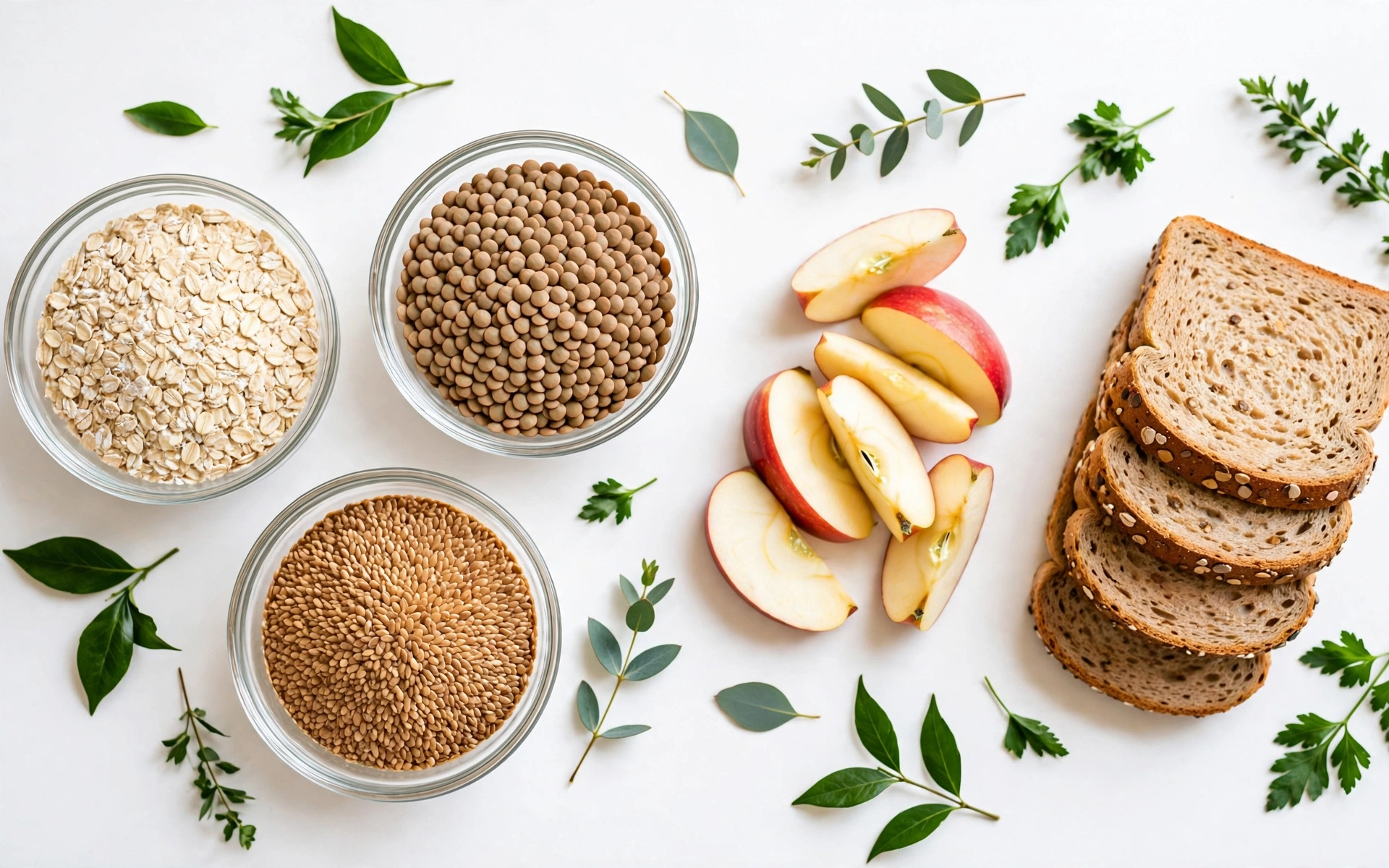
- Soluble fiber dissolves in water and forms a gel in your gut. It slows digestion, steadies blood sugar, and helps lower cholesterol. Found in oats, beans, lentils, apples, and flaxseeds.
- Insoluble fiber adds bulk and keeps things moving through your digestive system. Found in whole grains, wheat bran, vegetables, and fruit skins.
Most whole plant foods contain a mix of both — which is why eating a variety of plants matters more than chasing one "superfood."
7 Science-Backed Fiber Benefits
1. Keeps you full on fewer calories
Fiber-rich foods take longer to chew and digest, stretching the stomach and triggering fullness signals. The gel formed by soluble fiber slows stomach emptying, so you feel satisfied for hours. Studies consistently link higher fiber intake with lower calorie intake at meals — a natural appetite control with no willpower required.
2. Supports steady, sustainable weight loss
People who eat more fiber tend to lose more weight and keep it off. Fiber displaces calorie-dense foods on your plate, stabilizes energy, and reduces the blood-sugar crashes that trigger cravings. It is one of the simplest dietary changes with the biggest payoff for weight management.
3. Feeds your gut microbiome
Your gut bacteria ferment certain fibers into short-chain fatty acids like butyrate, which nourish the gut lining and reduce inflammation. A well-fed microbiome is linked to better immunity, mood, and metabolic health. Think of fiber as fertilizer for your inner garden.
4. Steadies blood sugar
By slowing carbohydrate absorption, fiber prevents the sharp blood-sugar spikes and crashes that leave you hungry and tired. This matters for everyone — not just people with diabetes. Pairing carbs with fiber (whole fruit instead of juice, brown rice instead of white) is an easy win. Our guide to hidden sugars explains the other half of the blood-sugar story.
5. Lowers cholesterol
Soluble fiber binds to cholesterol in the digestive tract and helps remove it from the body. Oats, beans, and lentils are especially effective — regular intake is associated with meaningful reductions in LDL ("bad") cholesterol.
6. Keeps digestion regular
Insoluble fiber adds bulk to stool and speeds transit time, preventing constipation naturally. Combined with enough water, it is the most reliable digestive aid there is — no supplements required.
7. Linked to a longer, healthier life
Large population studies associate higher fiber intake with lower risks of heart disease, type 2 diabetes, and colorectal cancer. It is one of the most consistently protective dietary factors researchers have found.
How Much Fiber Do You Need Per Day?
General guidelines recommend:
- Women: about 25 grams per day
- Men: about 38 grams per day
Most adults get only 12–18 grams — roughly half the target. You can check where you stand by logging a typical day in a nutrition tracker; the gap is usually bigger than people expect.
The Best High-Fiber Foods
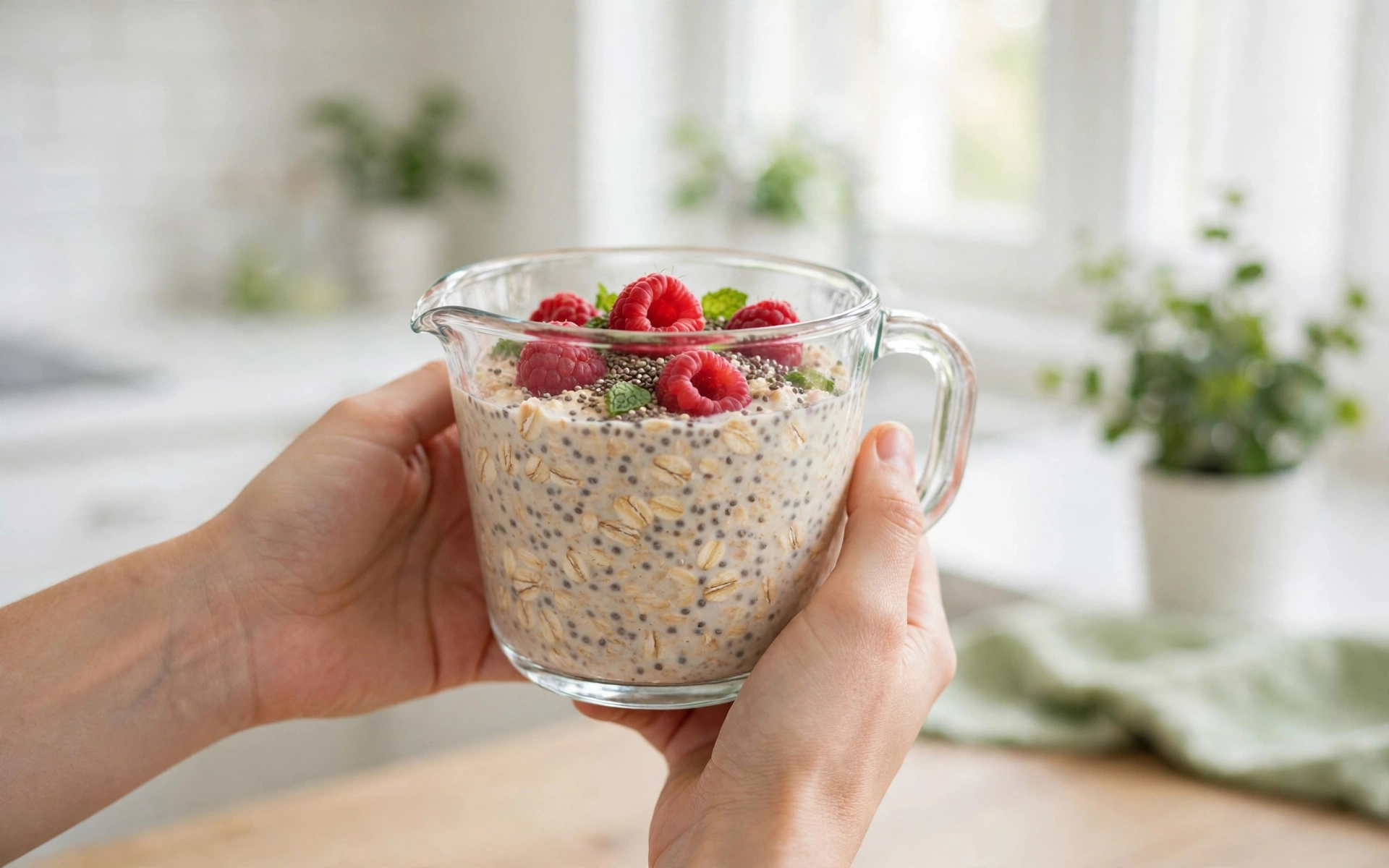
You do not need exotic ingredients. These everyday foods are fiber champions (approximate fiber per serving):
- Lentils & chickpeas: 7–8 g per cooked cup — the single best fiber source per bite.
- Oats: 4 g per 40 g serving, mostly soluble fiber.
- Raspberries & pears: 5–8 g per serving.
- Avocado: about 7 g per half.
- Quinoa & brown rice: 3–5 g per cooked cup.
- Broccoli & Brussels sprouts: 3–5 g per cup.
- Chia & flaxseeds: 5–10 g per tablespoon — tiny but mighty.
- Whole-grain bread: 2–3 g per slice (check the label).
For a deeper look at balancing all your macros, see our beginner's guide to protein, carbs, and fat.
How to Add More Fiber Without Bloating
The number-one mistake is jumping from 12 grams to 35 overnight. Your gut bacteria need time to adjust. Follow these rules:
- Increase gradually — add 3–5 grams per day each week.
- Drink more water — fiber absorbs water, and without enough fluid it can cause constipation instead of relieving it.
- Spread it across meals rather than loading it all into one.
- Cook legumes well and rinse canned beans to reduce gas-causing compounds.
- Keep moving — daily walking helps your digestive system handle the extra bulk.
Mild bloating for a week or two is normal and fades as your microbiome adapts. Severe or persistent pain is not — see a doctor if that happens.
Key Takeaways
- Fiber benefits span appetite control, weight loss, gut health, blood sugar, and cholesterol.
- Aim for ~25 g/day (women) or ~38 g/day (men); most people get only half.
- Best sources: lentils, beans, oats, berries, avocado, chia seeds, and vegetables.
- Increase gradually and drink plenty of water to avoid bloating.
- Variety beats quantity — eat many different plant foods to feed diverse gut bacteria.
Comments (0)
No comments yet. Be the first to share your thoughts!
Leave a comment