
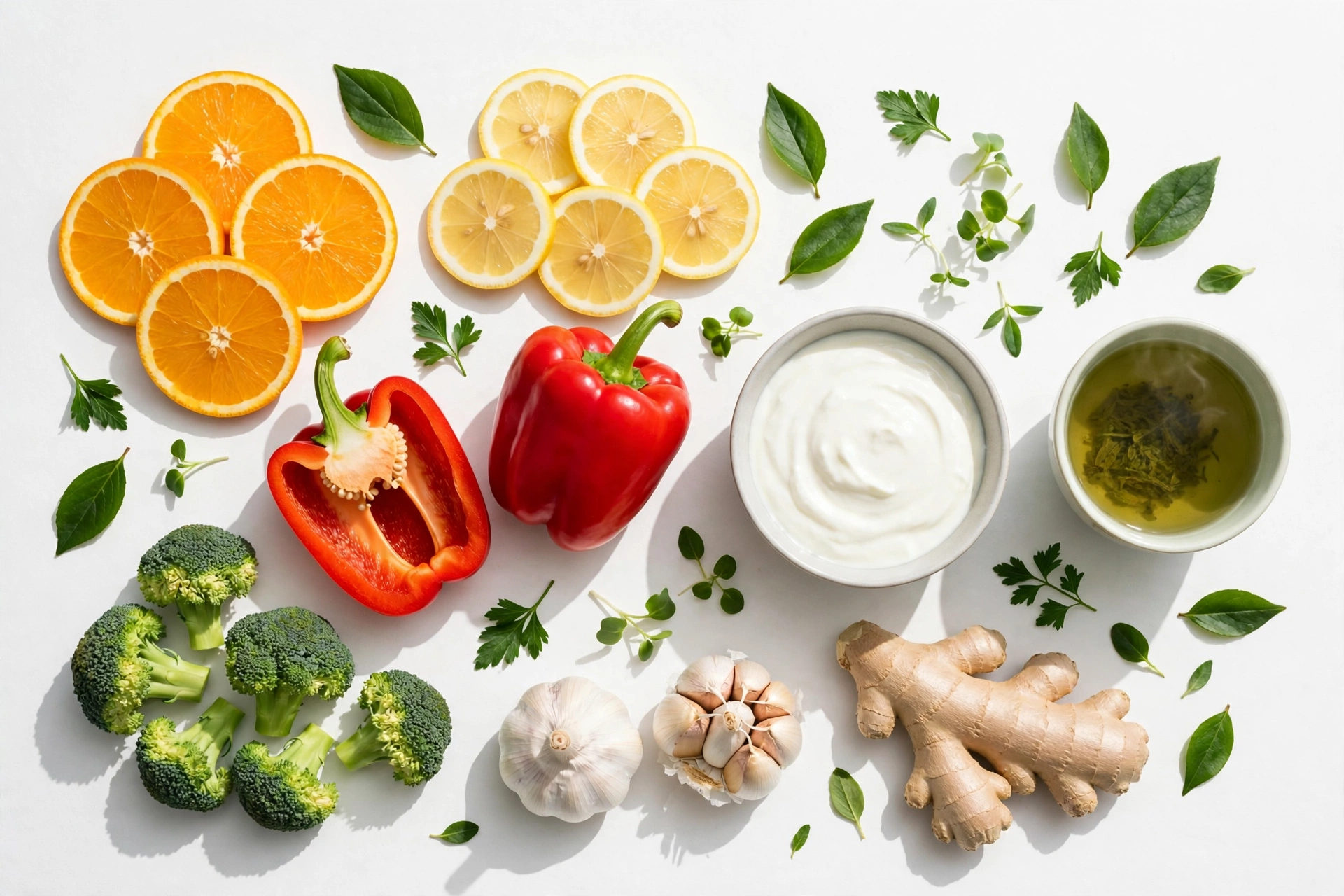
Short answer: The best foods for immune system support are citrus fruits, red bell peppers, broccoli, garlic, ginger, spinach, yogurt, almonds, sunflower seeds, turmeric, green tea and oily fish — rich in vitamin C, vitamin D, vitamin E, zinc and plant compounds that help immune cells work. They work best as part of a balanced diet, not as magic fixes.
Every day, your immune system quietly protects you from infections and clears away damaged cells. It does not run on willpower — it runs on nutrients. Vitamins C, D and E, zinc, selenium, iron and protein are all involved in building and powering immune cells, and a diet short on them can leave your defences sluggish.
The good news: you do not need expensive supplements or exotic superfoods — the strongest evidence points to ordinary, affordable foods eaten regularly. Below are 12 of the best foods for immune system health. You can also check your eating habits with our nutrition tool or keep a food diary with our calorie and nutrition tracker.
Best Foods for Immune System: The 12 Picks
Each food below earns its place for a different reason — some for vitamin C, others for zinc, vitamin E or helpful plant compounds. Treat this as a shopping list, not a prescription.
1. Citrus fruits
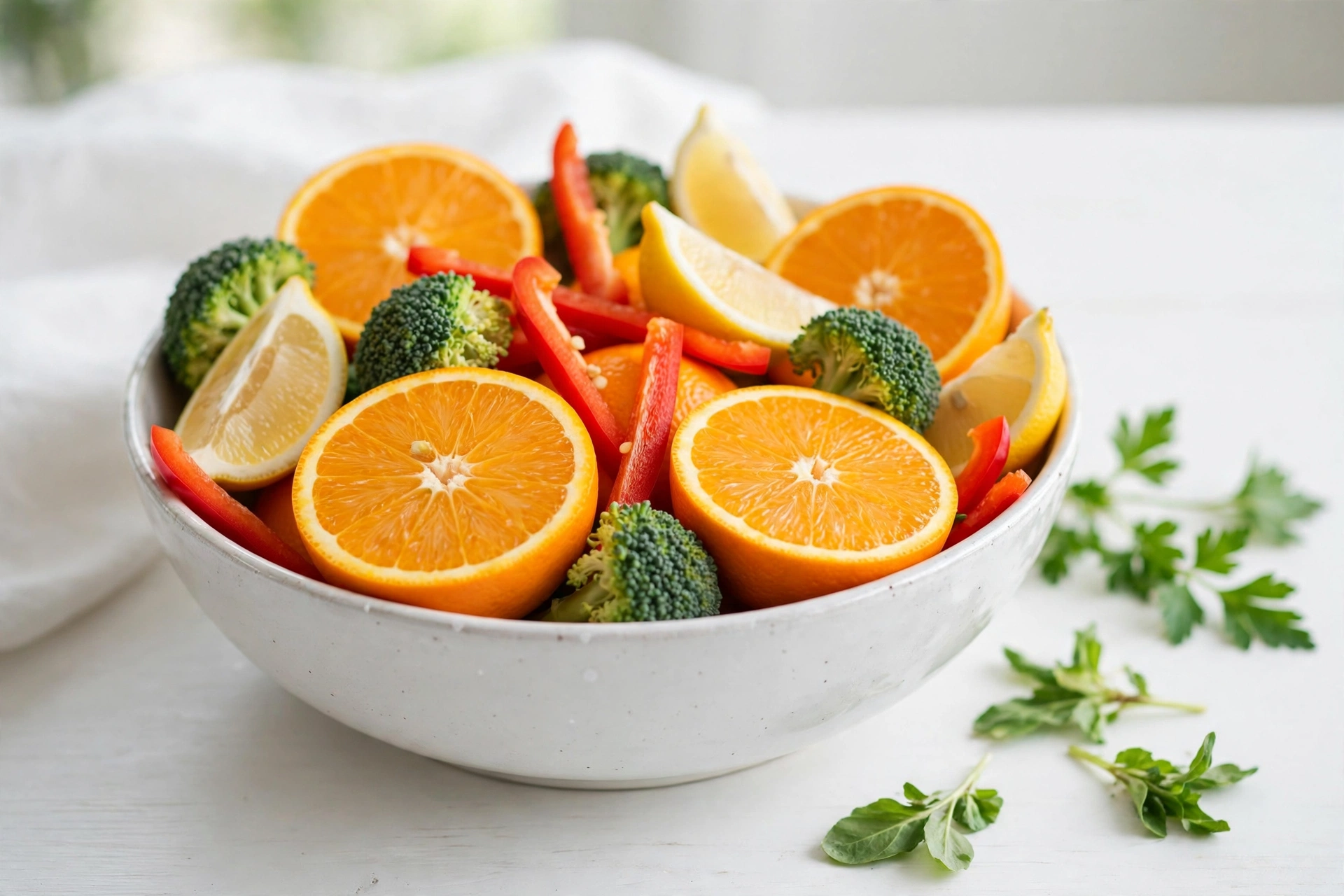
Oranges, grapefruits, lemons, limes and mandarins are the classic immune foods: they are rich in vitamin C, which supports the production and function of white blood cells. Your body does not store vitamin C, so a little daily beats a large amount once in a while.
2. Red bell peppers
Red bell peppers contain even more vitamin C per serving than most citrus fruits, plus beta carotene, which your body converts to vitamin A. They are sweet and crunchy raw with hummus, sliced into salads, or roasted into pasta and rice dishes. For more, see our guide to vitamin C benefits and food sources.
3. Broccoli
Broccoli is one of the most nutrient-dense vegetables you can buy, providing vitamins A, C and E, fibre and plant compounds with antioxidant activity. Light steaming keeps it bright green and preserves more nutrients than long boiling — add it to stir-fries and soups a few times a week.
4. Garlic
Garlic has been valued in cooking and traditional medicine for centuries, and modern research links its sulphur compounds, especially allicin, to immune support. Crush or chop a clove or two into sauces, soups, roasted vegetables or dressings, and let it rest a few minutes before cooking.
5. Ginger
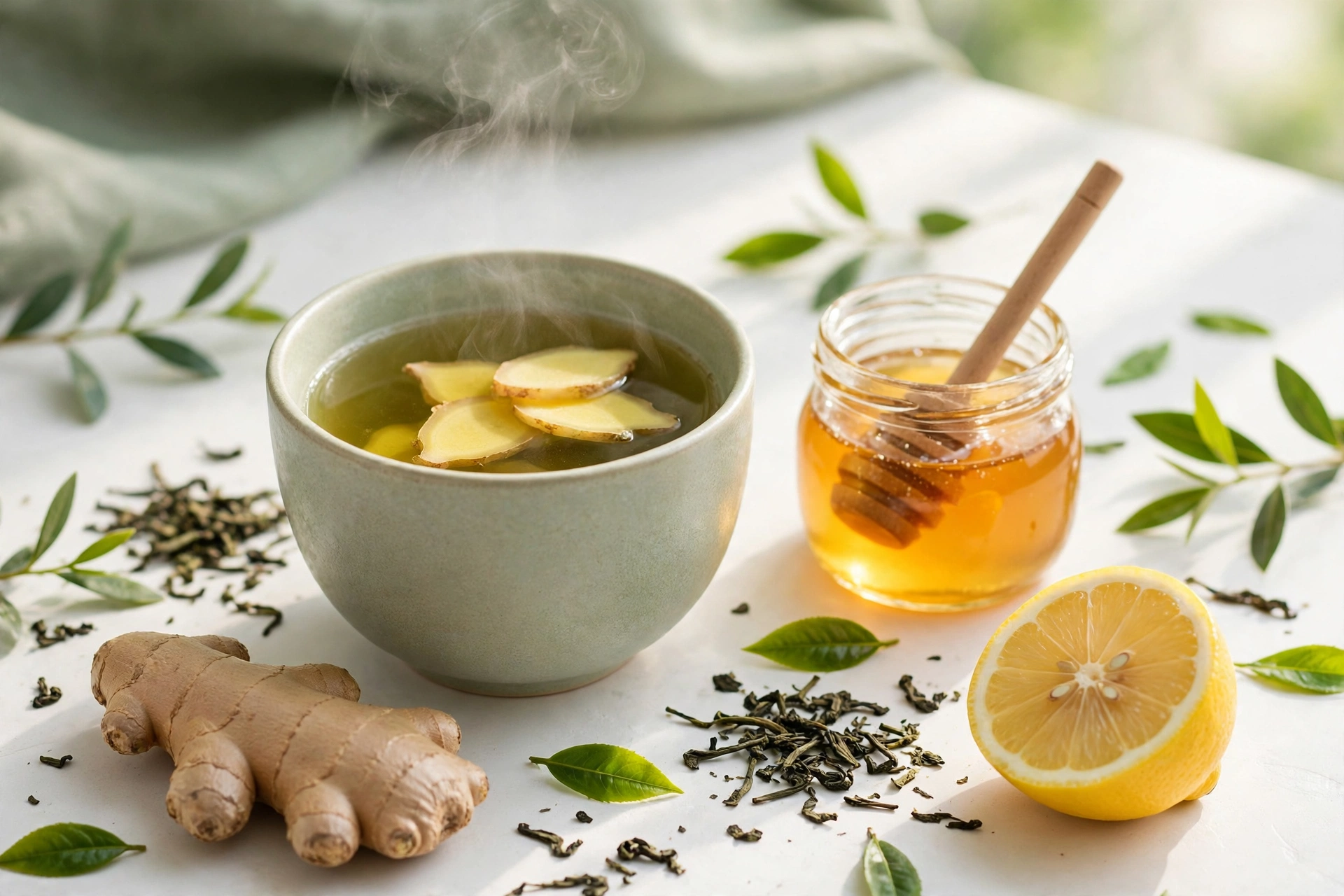
Ginger contains gingerol, a compound known for warming, soothing effects. Many people reach for ginger tea with a sore throat or nausea, and it fits naturally in stir-fries, curries, soups and smoothies. A thumb-sized piece is enough for a pot of tea or a family meal.
6. Spinach
Spinach is rich in vitamin C, folate and iron, plus beta carotene and other antioxidants. Light cooking helps your body absorb more of its vitamin A and minerals, so wilted spinach in pasta, soups, omelettes and curries is a smart choice — or add a handful to a smoothie.
7. Yogurt and kefir
Plain yogurt and kefir contain live cultures — beneficial bacteria that support gut health. Since much of your immune system is connected to your gut, keeping that environment healthy matters. Choose plain, unsweetened varieties and add your own fruit or nuts. See our guide to probiotics vs prebiotics.
8. Almonds
Almonds are one of the best sources of vitamin E, a fat-soluble vitamin that helps immune cells function. Because vitamin E needs fat to be absorbed, nuts are ideal — the healthy fats come built in. A small handful a day is plenty, as a snack or over oatmeal, salads and yogurt.
9. Sunflower seeds
Sunflower seeds are small but packed with nutrients: vitamin E, selenium, zinc and healthy fats. Selenium in particular plays a role in immune cell function. Sprinkle a tablespoon over salads or porridge, or keep a small bag at your desk as a snack.
10. Turmeric
Turmeric gives curry its golden colour, and its active compound curcumin is widely studied for its anti-inflammatory properties. Your body absorbs curcumin poorly alone, so pair it with black pepper and a little fat, such as olive oil — exactly how it is traditionally used. Add it to rice, lentils or warm milk.
11. Green tea
Green tea is rich in flavonoids, plant antioxidants including EGCG, one of the most studied compounds in tea. It also contains L-theanine, an amino acid linked to calm focus. Swapping one or two daily drinks for green tea is a simple upgrade — just skip the sugar.
12. Oily fish
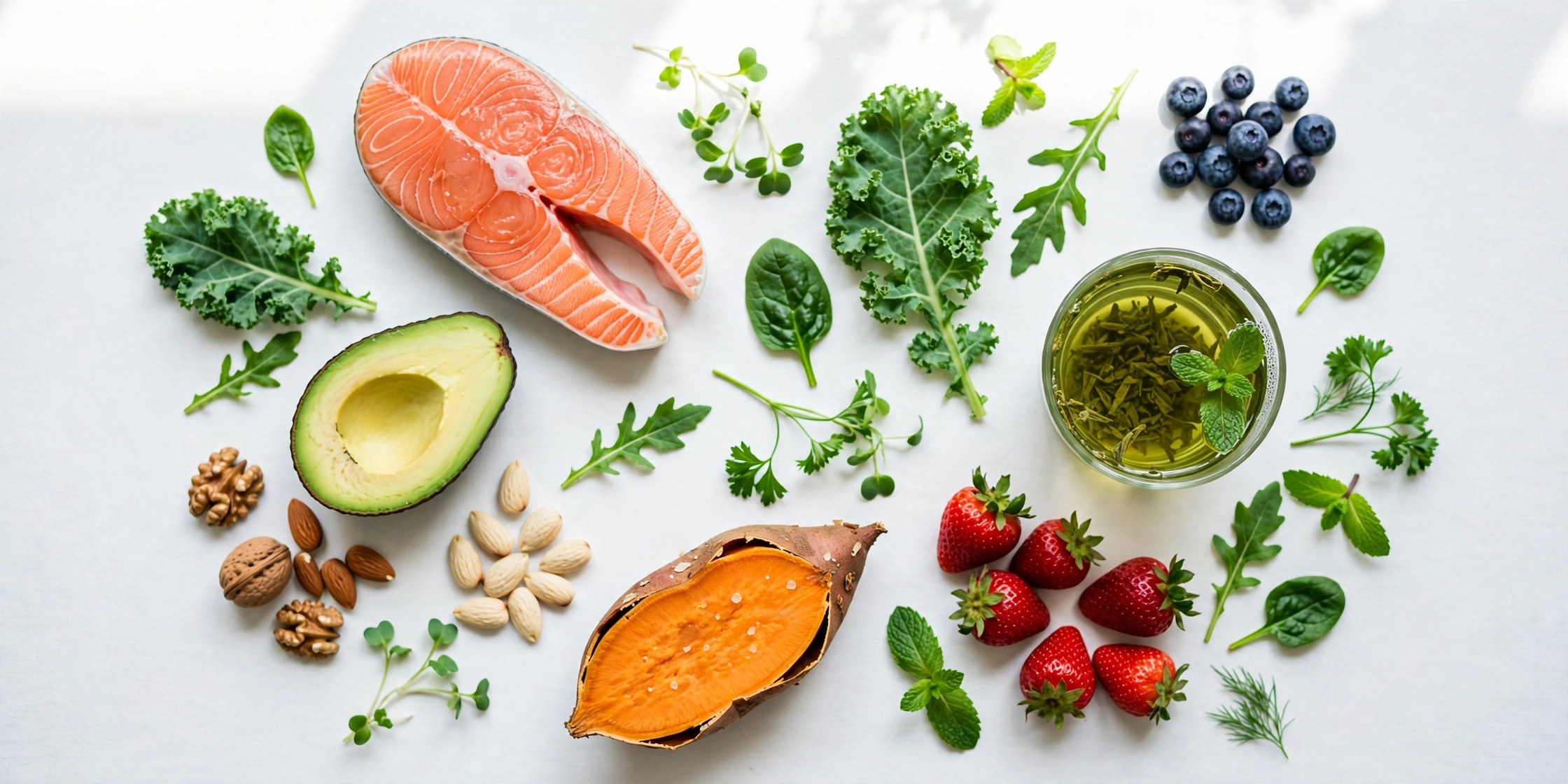
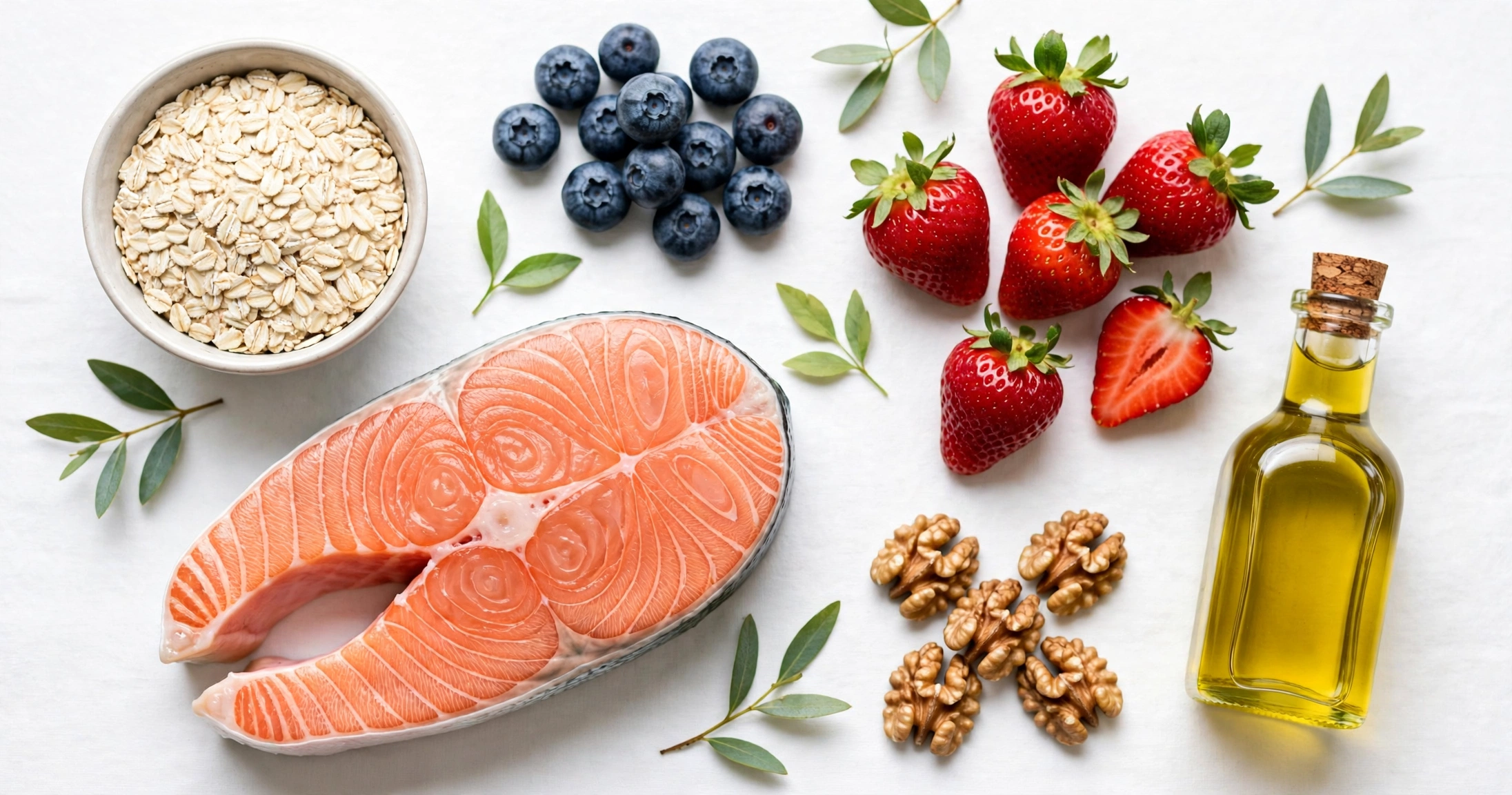
Salmon, sardines, mackerel and trout are excellent sources of vitamin D and omega-3 fatty acids, both of which support immune function. Vitamin D matters most in the darker months, when sunshine alone may not be enough — see our guide to vitamin D deficiency signs and food sources. Aim for two portions of fish a week, at least one oily.
How to Eat the Best Foods for Immune System Support Every Day
Knowing the list is one thing; eating this way daily is another. Build small habits rather than overhauling your whole diet at once:
- Breakfast: plain yogurt with berries, almonds and sunflower seeds, plus a cup of green tea.
- Lunch: a spinach, pepper and broccoli salad, or lentil soup with garlic, ginger and turmeric.
- Dinner: oily fish or a vegetable stir-fry with garlic, ginger and broccoli, with rice.
- Snacks: citrus fruit, a small handful of almonds, or a warm ginger and turmeric drink.
- Prep once: wash and chop peppers and broccoli on Sunday for fast weekday cooking.
None of this needs to be perfect — eating several of these foods most days beats chasing one "superfood".
Best Foods for Immune System: What the Evidence Really Says
To be honest: no single food prevents colds or flu, and no diet guarantees you never get sick. What the evidence supports is that people eating a varied, nutrient-rich diet — with enough vitamin C, vitamin D, zinc and protein — tend to have better immune function than people with deficiencies. Supplements help when a deficiency is diagnosed, but food comes first. See our guide to zinc benefits and food sources.
Food works alongside the other foundations of immunity: enough sleep, regular movement, managing stress and staying hydrated. A plate of broccoli will not cancel out a week of poor sleep — but with those basics in place, a diet rich in the foods above gives your immune system what it needs.
Key takeaways
- The best foods for immune system support include citrus fruits, peppers, broccoli, garlic, ginger, spinach, yogurt, almonds, seeds, turmeric, green tea and oily fish.
- Vitamin C, D and E plus zinc are the key nutrients — eat a variety to cover them all.
- Small daily habits beat occasional big efforts: add one or two of these foods to meals you already eat.
- No single food prevents illness — a balanced diet works with sleep, movement and stress management.
Frequently asked questions
What is the single best food for the immune system?
There is no single best food — citrus fruits and peppers give vitamin C, yogurt supports gut health, and oily fish supplies vitamin D.
How quickly do immune-boosting foods work?
Food supports your immune system over weeks and months, not hours. Consistent daily intake keeps your immune cells supplied and ready.
Can I get enough vitamin C from food alone?
Yes, for most people. One orange, a red pepper or a serving of broccoli covers a large share of your daily vitamin C needs.
Are supplements better than immune-supporting foods?
Usually not. Whole foods provide nutrients with fibre and plant compounds that supplements cannot copy, and your body absorbs them well in meals.
What foods should I avoid for a healthy immune system?
No food must be banned completely, but diets very high in added sugar, alcohol and heavily processed foods are linked with weaker immune responses.
Does green tea really help the immune system?
Green tea contains flavonoids including EGCG, studied for their antioxidant effects, and adds to your daily fluid intake.




Comments (0)
No comments yet. Be the first to share your thoughts!
Leave a comment