
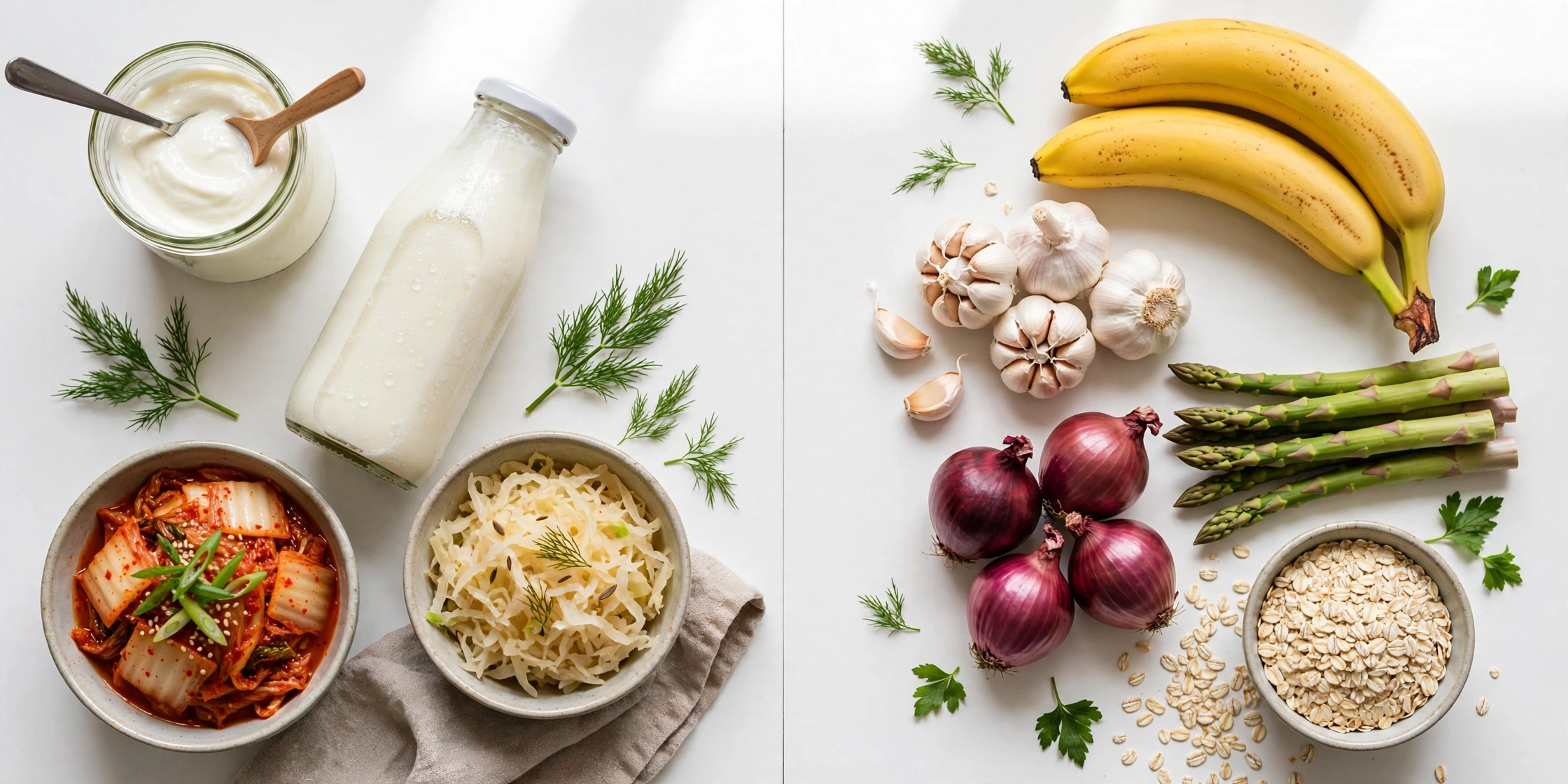
Probiotics are live beneficial bacteria that support your gut, while prebiotics are the fiber that feeds those bacteria. You need probiotics to add helpful microbes to your digestive system and prebiotics to keep them alive and thriving — most people do best getting both every day from fermented foods and fiber-rich plants.
Walk down any supplement aisle and you will see both words everywhere: probiotic, prebiotic. They sound almost identical, they both promise better gut health, and brands often sell them together. But probiotics vs prebiotics is not a contest — they are two different things that do two different jobs inside your digestive system.
Mixing them up matters, because eating or taking one when your body needs the other will not fix the problem. In this guide, you will learn exactly what probiotics and prebiotics are, how they differ, the best food sources for each, and a simple daily plan for getting both without overcomplicating your diet.
What Are Probiotics?
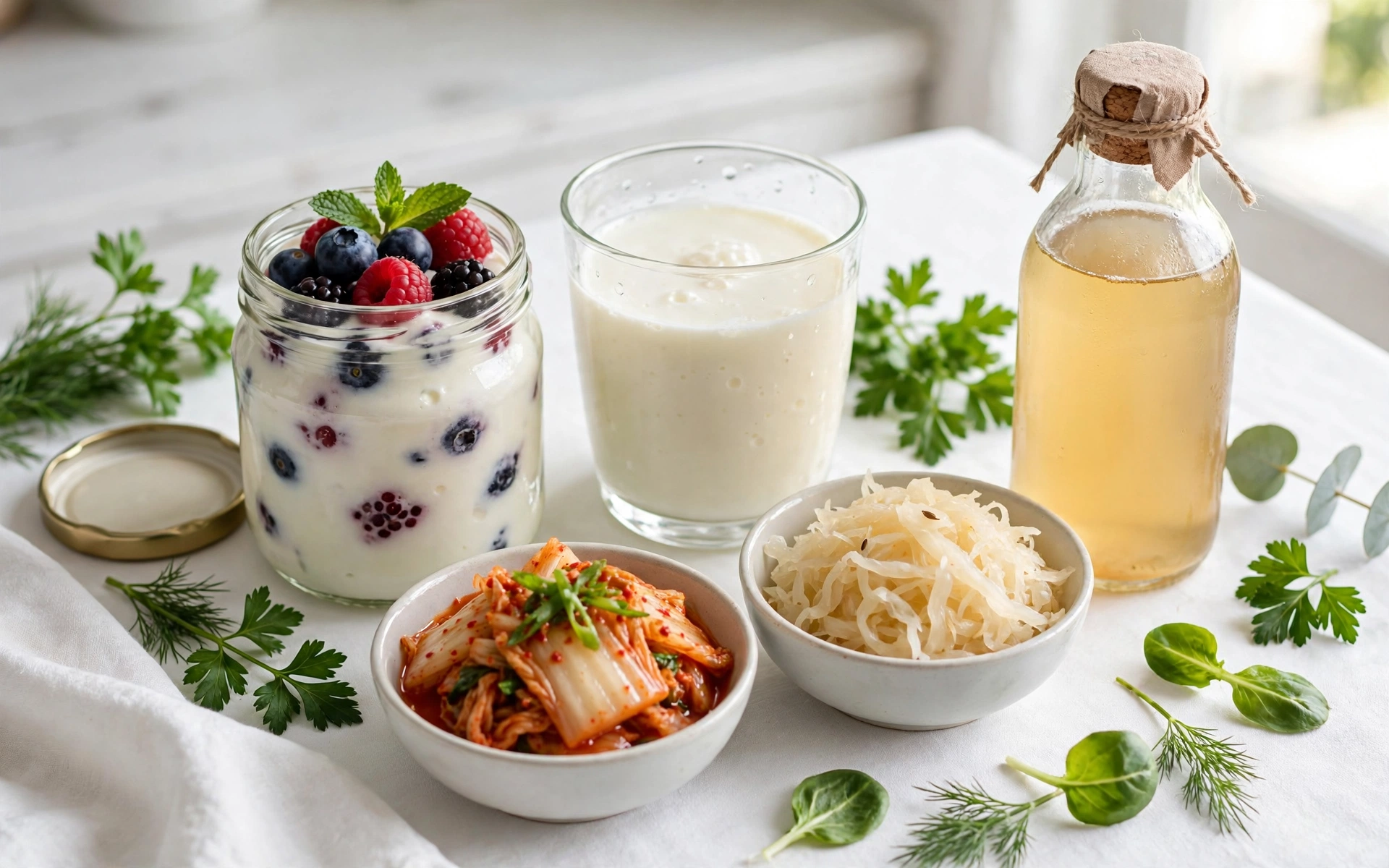
Probiotics are live microorganisms — mostly bacteria, sometimes yeasts — that support digestion, immunity, and nutrient absorption when eaten in adequate amounts. Your gut already hosts trillions of microbes, and probiotics add more of the beneficial kinds, helping crowd out less helpful ones and maintain a balanced gut community.
The best probiotic sources are fermented foods, where friendly bacteria occur naturally:
- Yogurt — look for "live and active cultures" on the label; plain yogurt is the safest bet because flavored versions often carry a lot of added sugar.
- Kefir — a tangy fermented milk drink that typically contains a wider variety of microbes than most yogurts.
- Kimchi — spicy fermented cabbage, a staple of Korean cuisine that adds crunch and flavor to almost any meal.
- Sauerkraut — fermented cabbage; choose the refrigerated kind, since shelf-stable jars are pasteurized and their live cultures are gone.
- Kombucha — fermented tea with a slight fizz; check the label for added sugar, which varies widely between brands.
- Miso — fermented soybean paste used in soups and dressings; stir it in at the end of cooking so heat does not destroy the live cultures.
When you shop for probiotic foods, read the label before the marketing. "Probiotic" on the package does not guarantee live cultures at the time you eat it, and many flavored yogurts and kombuchas hide surprising amounts of sugar. Our guide to hidden sugars in everyday foods shows you exactly what to look for.
One more practical rule: heat kills probiotics. Baking, boiling, or long simmering destroys the live bacteria, so eat fermented foods raw or add them at the very end of cooking whenever possible.
What Are Prebiotics?
Prebiotics are types of fiber your body cannot digest — but the beneficial bacteria in your gut can. Think of prebiotics as fertilizer for your gut garden: they selectively feed the good microbes, helping them grow, multiply, and produce compounds like short-chain fatty acids that support the health of your gut lining.
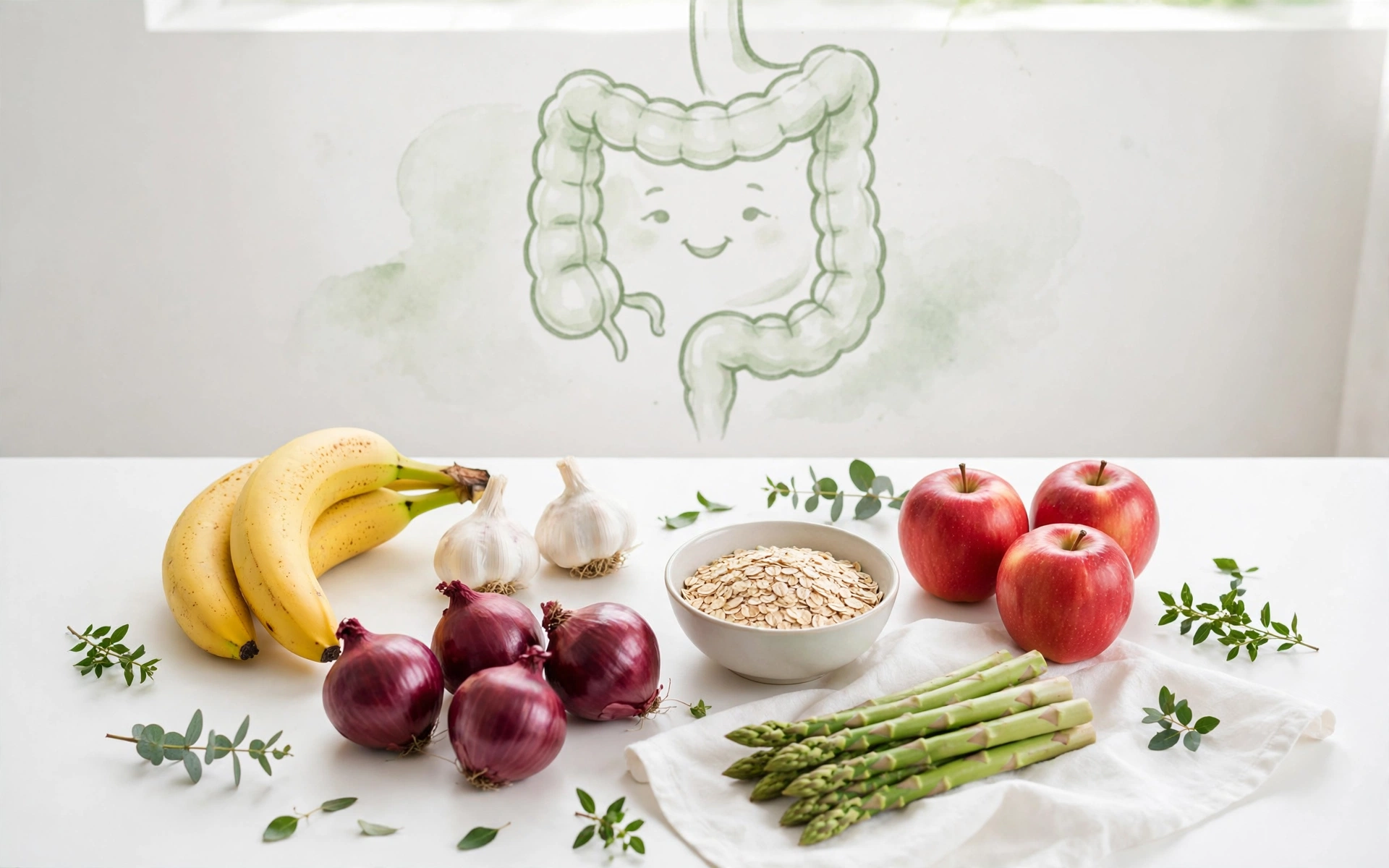
Prebiotics are found in many everyday plant foods you probably already buy:
- Bananas — slightly underripe bananas are higher in resistant starch, a prebiotic fiber.
- Garlic and onions — rich in fructans, a well-studied prebiotic fiber; cook with them generously.
- Asparagus — a classic prebiotic vegetable, good roasted, steamed, or grilled.
- Oats — contain beta-glucan, a fiber that feeds beneficial gut bacteria and supports healthy cholesterol.
- Apples — their pectin feeds good microbes; eat the skin, where much of the fiber sits.
- Legumes — lentils, chickpeas, and beans are among the richest and cheapest prebiotic sources available.
Unlike probiotics, prebiotics survive cooking, so you can prepare these foods however you like. If you are raising your fiber intake, do it gradually and drink enough water to avoid bloating — our guide on fiber's benefits for weight loss and gut health explains how to increase fiber without discomfort.
Probiotics vs Prebiotics: The Key Difference
Here is the simplest way to remember the difference in the probiotics vs prebiotics comparison:
- Probiotics = the bacteria themselves. They are living reinforcements you add to your gut.
- Prebiotics = the food for those bacteria. They are the fiber that keeps the reinforcements alive and working.
One is alive, the other is not. One is the seed, the other is the soil. Eating probiotic foods without enough fiber is like hiring a team and never feeding them — the bacteria arrive, but they do not stick around long enough to do much good.
Do You Need Probiotics, Prebiotics, or Both?
For most people, the honest answer is both — mainly from food. Probiotics and prebiotics work better together than either does alone, a combination researchers call "synbiotic." The prebiotic fiber gives the probiotic bacteria you eat a far better chance of settling in and thriving instead of passing straight through.
When probiotics matter most
Probiotic foods deserve priority if you have recently taken antibiotics, which wipe out gut bacteria indiscriminately, if you rarely eat fermented foods, or if you are trying to rebuild a diverse gut microbiome after a long stretch of low-fiber, highly processed eating.
When prebiotics matter most
Prebiotics deserve the spotlight if your diet already includes fermented foods but runs low on fiber — a common pattern, since most adults eat far less fiber than recommended. Prebiotic fiber determines whether your existing gut bacteria flourish or merely survive.
Supplements: when food is not enough
Supplements can make sense if you dislike fermented foods, travel often, or struggle to eat enough fiber. If you buy one, look for products that name specific strains (for example Lactobacillus or Bifidobacterium species), guarantee a colony count through the expiry date — not just "at the time of manufacture" — and give clear storage instructions. And talk to your doctor first if you are immunocompromised, seriously ill, or taking immunosuppressive medication: live bacteria carry real, if rare, risks for weakened immune systems.
Your Simple Daily Plan: One Probiotic + One Prebiotic
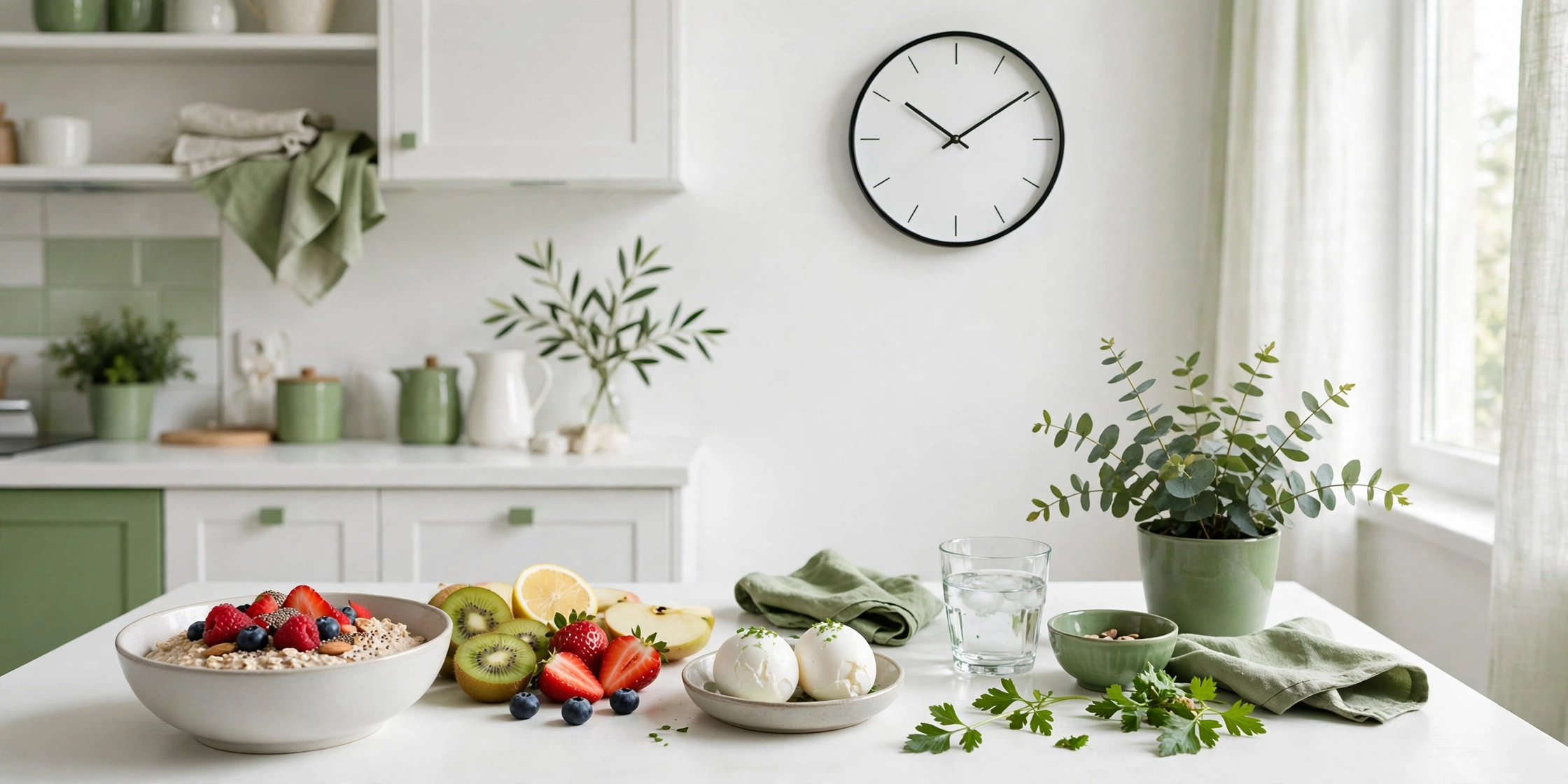
You do not need a supplement stack or a diet overhaul. Just add one probiotic food and one prebiotic food to each day:
- Breakfast: yogurt with banana and oats — a synbiotic combo in a single bowl.
- Lunch: add sauerkraut or kimchi as a side to your usual meal, and cook with onions or garlic.
- Snack: a glass of kefir (probiotic) with an apple (prebiotic).
- Dinner: stir a spoonful of miso into soup at the end of cooking, and serve asparagus or beans alongside.
Small amounts every day beat heroic weekend efforts. Logging your meals for a week in our free meal log shows which days are missing a probiotic or prebiotic, and you can check exact fiber values in the food nutrition lookup tool.
Key Takeaways
- Probiotics are live beneficial bacteria; prebiotics are the fiber that feeds them — that is the entire difference.
- You need both: probiotics add helpful microbes, prebiotics keep them alive and thriving (the synbiotic effect).
- Best probiotic foods: yogurt, kefir, kimchi, sauerkraut, kombucha, miso. Best prebiotic foods: bananas, garlic, onions, asparagus, oats, apples, legumes.
- Heat kills probiotics but not prebiotics — eat fermented foods raw or add them at the very end of cooking.
- Start with food: one probiotic plus one prebiotic food each day. Consider supplements only if food is not enough, and check with a doctor first if you are immunocompromised or seriously ill.

Comments (0)
No comments yet. Be the first to share your thoughts!
Leave a comment