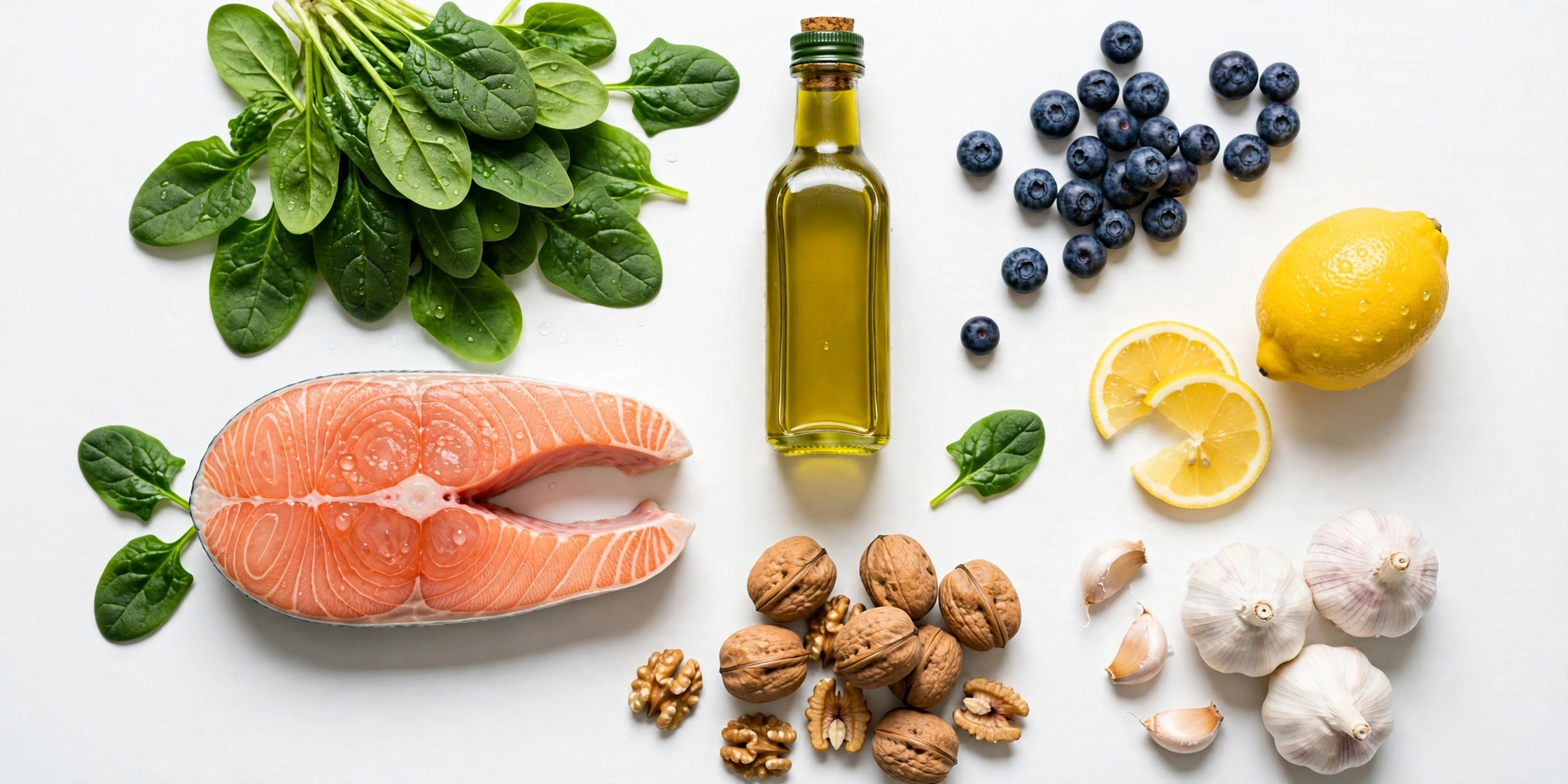
The best foods for liver health are coffee, green tea, leafy greens, fatty fish, olive oil, nuts, berries, garlic, cruciferous vegetables, and grapefruit. They supply antioxidants, healthy fats, and fibre that support the liver's natural work of filtering blood, processing nutrients, and clearing waste — no detox product needed.
 Your liver works quietly every day: filtering blood, aiding digestion, storing energy, and processing medicines and alcohol. Supporting it needs no special diet or juice cleanse — a regular pattern of whole foods, the same pattern that supports your heart and your brain, is one of the most practical ways to look after it.
Be honest about what food cannot do. No single food "cleanses" the liver, and no tea can undo heavy drinking or years of overeating. The liver detoxes itself, as long as it has the nutrients it needs. The foods below help because research links them with lower liver fat or less inflammation — not because they perform a miracle.
How Food Supports Your Liver
The liver deals with almost everything you eat and drink, so your overall diet shapes how hard it must work. Diets high in added sugar, refined starch, and saturated fat are linked with fat building up in the liver, known as fatty liver disease. Diets rich in fibre, unsaturated fats, and plant compounds are associated with less liver fat and healthier function.
Antioxidants such as polyphenols protect liver cells from everyday stress. Fibre slows digestion, steadies blood sugar, and feeds gut bacteria that influence liver health — the same reason many of these foods appear in our guide to the best foods for gut health. Healthy fats, especially omega-3 fats in oily fish, are linked with lower liver fat.
10 Best Foods for Liver Health
These ten foods are easy to add to meals you already eat — two or three, eaten regularly, is a good start.
1. Coffee
Coffee is one of the most studied foods for liver health: regular drinkers tend to have lower liver fat and less liver scarring, and the benefit appears with decaffeinated coffee too. Drink it black or with a little milk, and go easy on sugar.
2. Green Tea
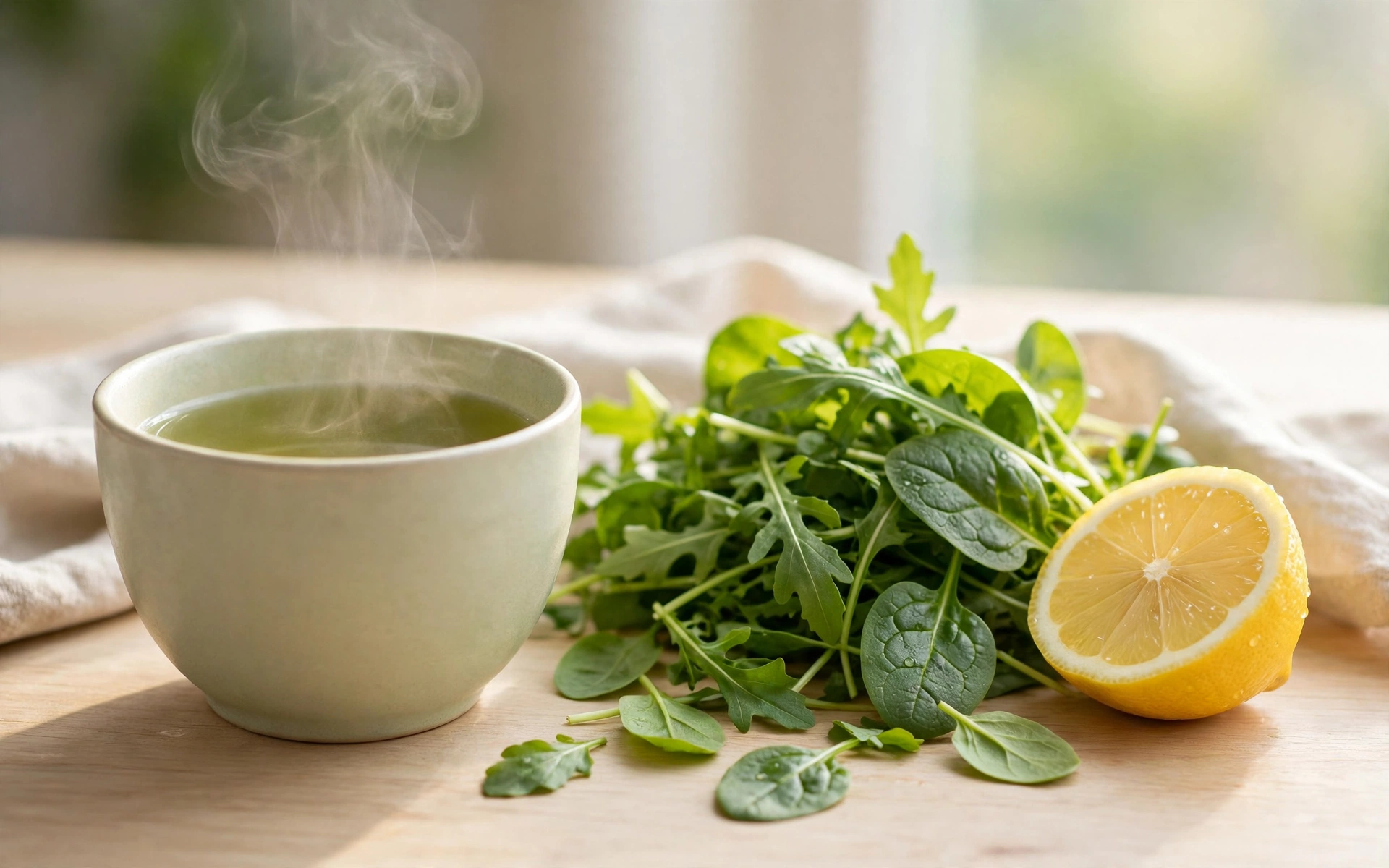
Green tea is rich in catechins, antioxidants linked with lower liver fat and less inflammation in several studies. It is a gentle, low-calorie drink, hot or iced. See our guide to green tea benefits for weight, metabolism and health.
3. Leafy Greens
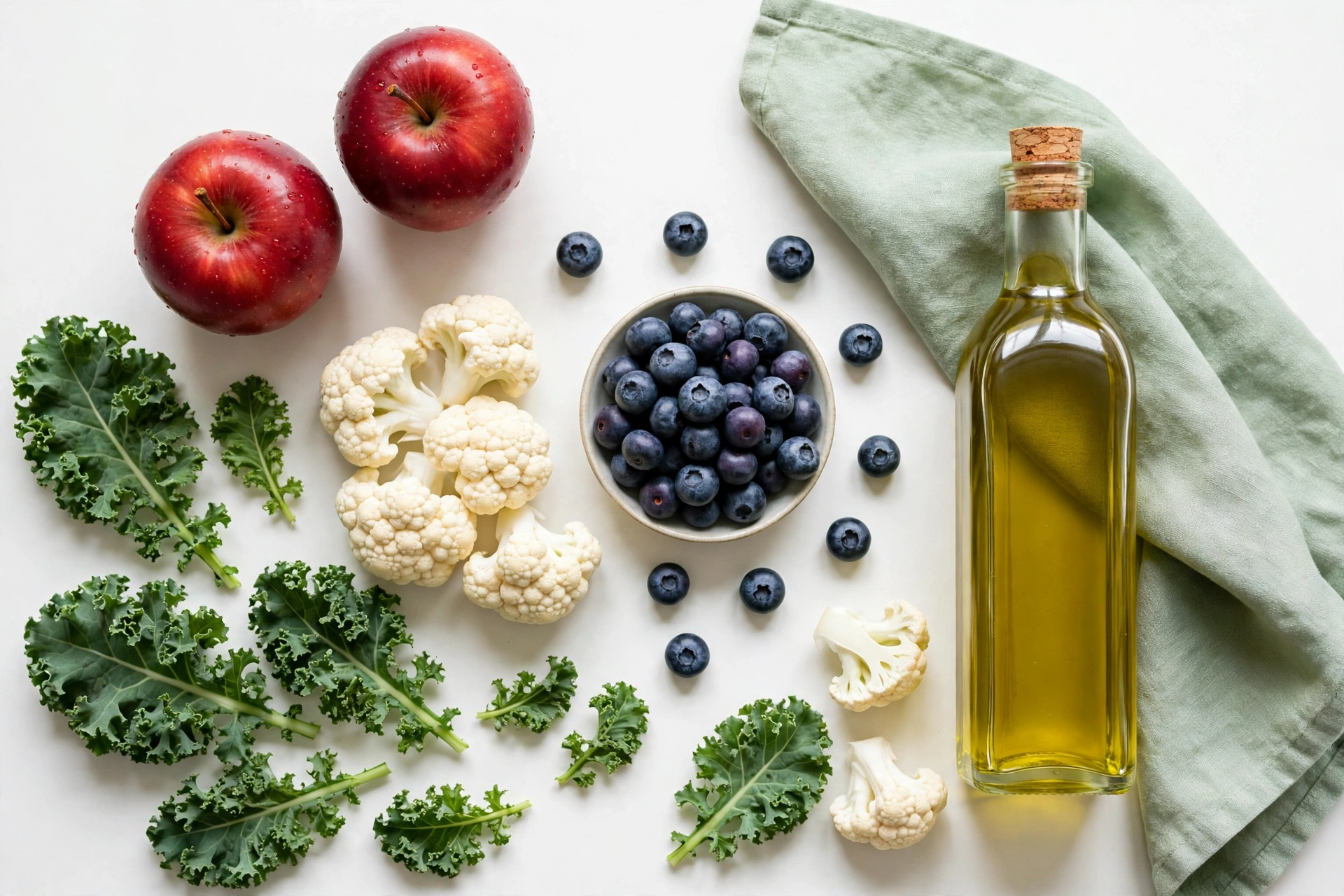
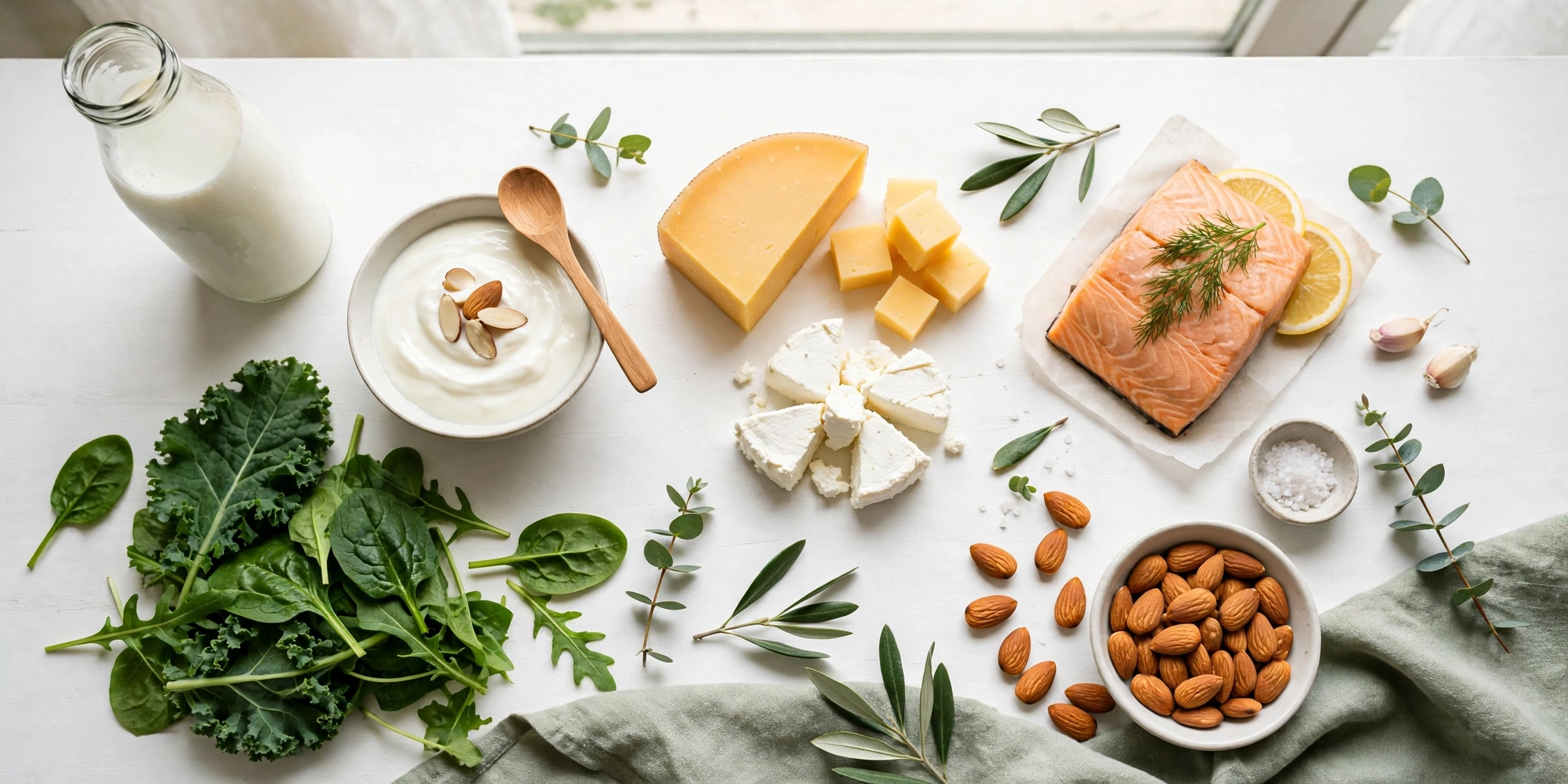
Spinach, kale, and rocket are low in calories and rich in fibre, folate, and plant compounds. Studies link higher leafy-green intake with lower liver fat. Add a handful to a smoothie, a salad, or wilted into soup or eggs.
4. Fatty Fish
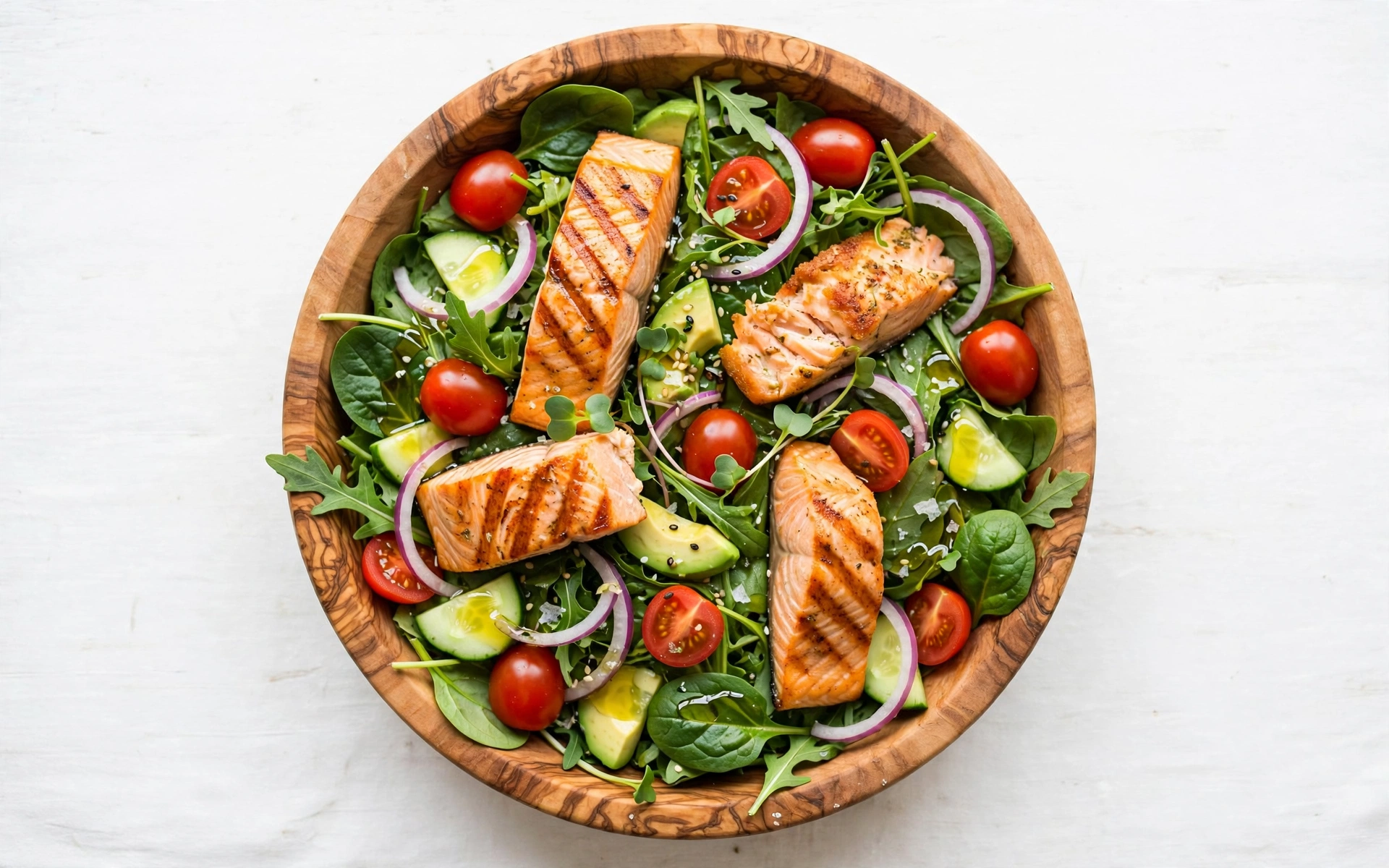
Salmon, sardines, mackerel, and trout are rich in omega-3 fatty acids, which reduce inflammation and liver fat. Aim for two portions a week, choosing fresh, frozen, or tinned fish over battered or fried versions. A nutrition tool can help check your fat balance.
5. Olive Oil
Extra virgin olive oil is a staple of the Mediterranean diet, one of the best-studied eating patterns for liver health. Its healthy fats and polyphenols are linked with less liver fat than diets rich in butter or processed fats. Use it as your main cooking oil — a tablespoon or two per meal is plenty.
6. Nuts
Walnuts, almonds, and other nuts provide healthy fats, fibre, vitamin E, and plant compounds that support liver health. Studies link regular nut eaters with lower liver fat; walnuts are rich in plant omega-3 fats. A small handful (about 30 grams) a day is enough; unsalted is best.
7. Berries
Blueberries, raspberries, and strawberries are packed with anthocyanins, the pigments that give them their deep colours and act as antioxidants. Early studies suggest these compounds may protect liver cells and slow fat build-up. Fresh or frozen both work well.
8. Garlic
Garlic's sulphur compounds may activate the liver's detoxification enzymes, and studies link garlic with lower liver fat. One or two cloves a day in cooking is a realistic habit. Crush garlic and let it sit a few minutes before cooking.
9. Cruciferous Vegetables
Broccoli, cauliflower, Brussels sprouts, and cabbage contain compounds that support the liver's detoxification enzymes. Eating them regularly is linked with lower liver fat. Aim for a few servings a week — roasted broccoli or cabbage in stir-fries.
10. Grapefruit
Grapefruit is rich in vitamin C and antioxidants that have shown protective effects on the liver in animal studies. Human evidence is still limited. Note that grapefruit can interact with some medicines — check with your doctor first.
 Foods and Habits That Strain the Liver
Supporting the liver is not only about what you add — it is also about what you ease off. Alcohol is the clearest example: the liver must process almost all the alcohol you drink, and regular heavy drinking is a leading cause of liver damage. Staying within recommended limits, with several alcohol-free days a week, gives your liver breathing room.
Excess added sugar is the second concern, especially from sugary drinks: fructose is processed mainly in the liver, and large amounts encourage fat to build up there. Swap sugary drinks for water or unsweetened tea, and cook simple meals at home more often.
How to Build a Liver-Friendly Plate
You do not need a new diet plan to eat for your liver. A simple plate works well: half vegetables and salad, a quarter lean protein such as fish, beans, lentils, eggs, or poultry, and a quarter whole grains such as brown rice, oats, or wholemeal bread. Add olive oil and fruit for dessert to cover most of the foods on this list.
A few habits help the pattern stick. Keep frozen berries and vegetables on hand, cook with olive oil and garlic as base flavours, and choose water, green tea, or black coffee over sugary drinks. Eat slowly and stop when comfortably full, and aim for slow, gradual weight loss if needed — crash diets can worsen liver fat. A calorie tracker can help with portions.
Key Takeaways
- Best foods: coffee, green tea, leafy greens, fatty fish, olive oil, nuts, berries, garlic, cruciferous vegetables, and grapefruit.
- They help through antioxidants, fibre, and healthy fats — not by "detoxing" the liver.
- Alcohol, excess added sugar, and highly processed foods strain the liver most.
- A liver-friendly plate is half vegetables, a quarter lean protein, and a quarter whole grains.
- Steady habits beat quick fixes.
Frequently Asked Questions
What is the single best food for liver health?
No single food wins, but coffee has the strongest research behind it, with regular drinkers showing lower liver fat and less liver disease. The benefit comes from the overall pattern, so combine coffee with leafy greens, fatty fish, and olive oil.
Can food reverse fatty liver disease?
Food alone cannot guarantee reversal, but diet is one of the most effective tools for improving fatty liver, with gradual weight loss and regular activity. Losing 5 to 10 percent of body weight can substantially reduce liver fat. If diagnosed, work with your doctor on a plan.
Are detox teas and liver cleanses worth trying?
No. There is no good evidence detox teas or cleanse kits improve liver health, and some herbal products have been linked with liver injury. Your liver already detoxifies your body continuously; the best support is a balanced diet and limited alcohol.
Is coffee really good for the liver, even with caffeine?
Yes, for most people. Large studies link regular coffee drinking with better liver outcomes, and the benefit appears with decaffeinated coffee too. Keep intake moderate — up to three or four cups a day — and skip the sugar.
Which foods should I avoid for liver health?
The main foods to limit are alcohol, sugary drinks, and highly processed foods rich in added sugar, saturated fat, and salt. They encourage liver fat build-up and inflammation. Keep them occasional and focus on what you eat most of the time.
How long does it take for diet changes to help the liver?
Liver fat can improve within weeks of steady dietary change and gradual weight loss, although the timeline varies. Blood tests may take a few months to show change, so patience matters. Small daily improvements, kept up for months, beat a short, intense diet.

Comments (0)
No comments yet. Be the first to share your thoughts!
Leave a comment