
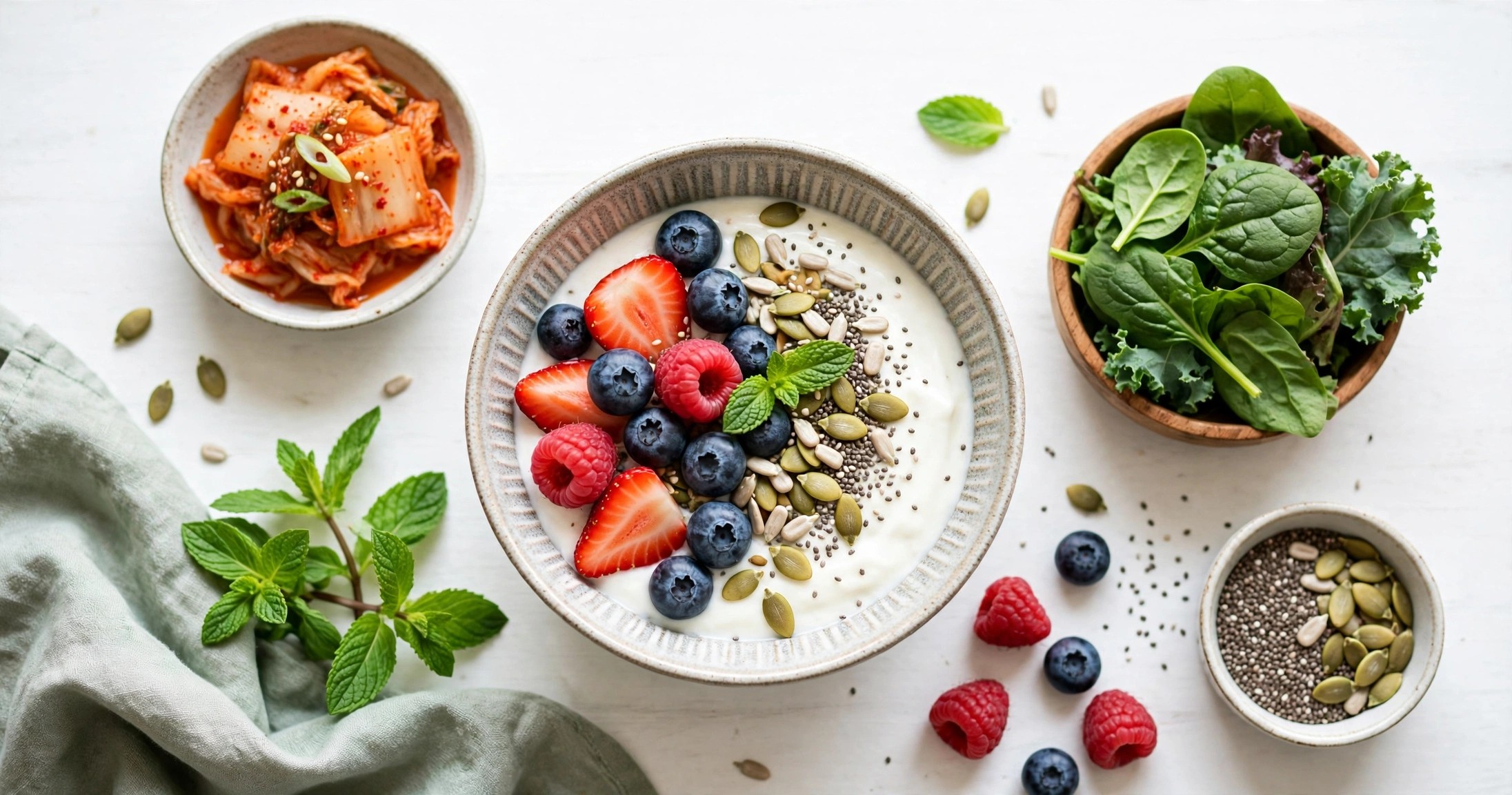
The best foods for gut health combine live probiotic foods, such as yogurt, kefir, and kimchi, with prebiotic fiber-rich foods, such as garlic, oats, bananas, and legumes. Together, they feed your gut microbes, support smoother digestion, and help keep your bowel habits regular.
Your gut is home to trillions of microbes that help digest food, produce certain vitamins, and support your immune system. When this microbial community is diverse and well-fed, digestion tends to feel easier and more predictable. When it is starved of fiber or disrupted by a poor diet, bloating, constipation, and discomfort are more common.
The good news is that you do not need expensive supplements to support your gut. Everyday foods, many already in your kitchen, can make a real difference. This guide covers 15 of the best picks and shows how to build them into a normal day.
Why Gut Health Matters More Than Digestion
Gut health affects more than how you feel after a meal. A well-nourished gut microbiome helps break down fiber your body cannot digest on its own, producing compounds that nourish the gut lining. It also supports immune function, since much immune activity is linked to the gut.
No single food can "fix" your gut overnight. Gut health improves gradually, through consistent habits: enough fiber, varied plant foods, fermented foods when tolerated, hydration, sleep, and movement.
Probiotics vs Prebiotics: What's the Difference?
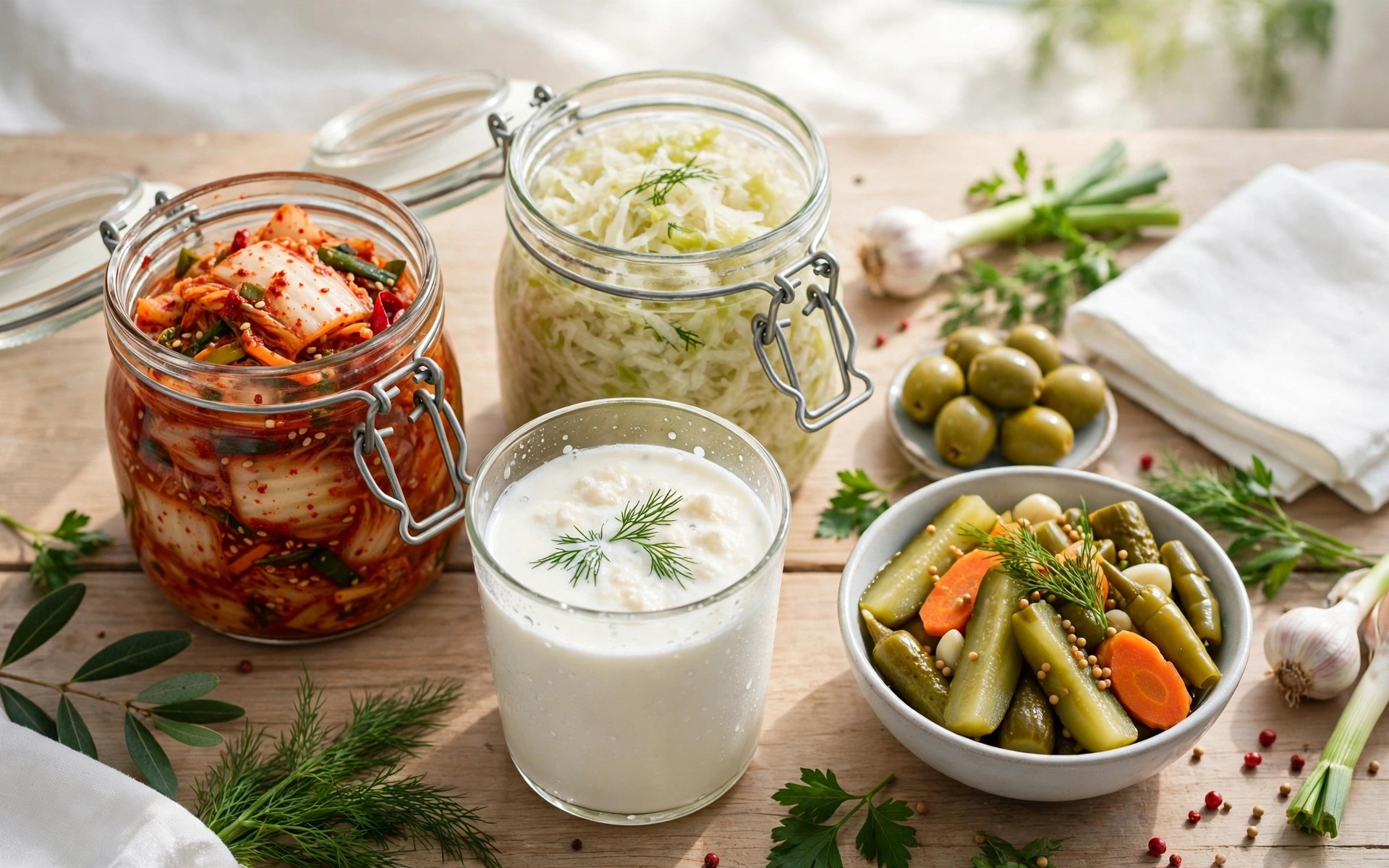
Probiotics and prebiotics sound similar, but they do different jobs — and your gut benefits most when you get both. Probiotics are live microorganisms found in fermented foods such as yogurt, kefir, kimchi, and sauerkraut. Prebiotics are types of fiber that feed the beneficial microbes already living in your gut.
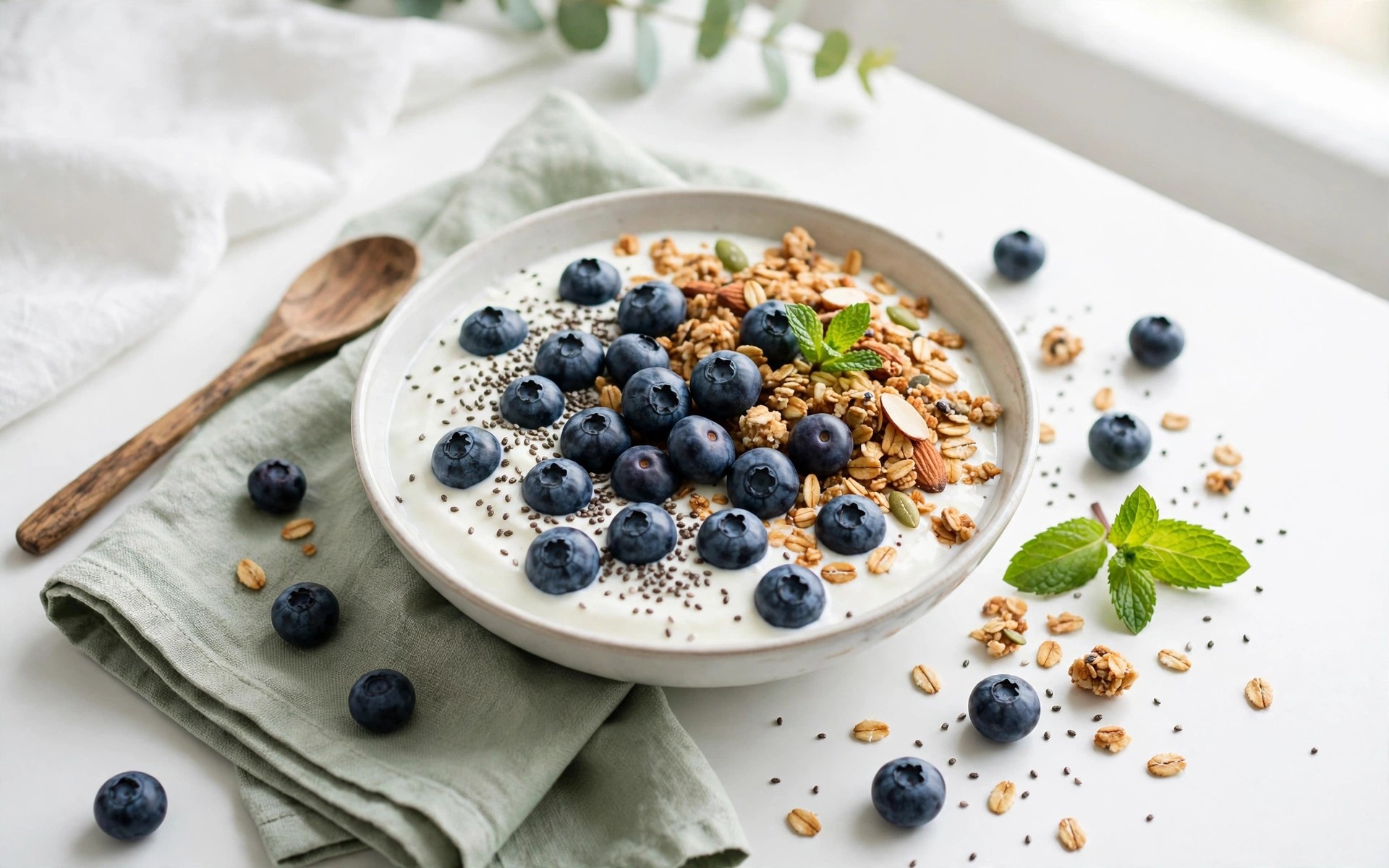
Searches for "multi probiotica vs prebiotica" reflect a common question: should you choose one or the other? In most cases, the answer is both. Probiotics add live microbes, while prebiotics give them the fuel to thrive — for example, yogurt with live cultures eaten with oats or a banana.
If you want a deeper comparison, read our guide on probiotics vs prebiotics. You can also explore your own eating patterns with the NutriCounter nutrition tool to see how much fiber your meals provide.
15 Best Foods for Gut Health
1. Yogurt with Live Cultures
Yogurt is one of the most accessible probiotic foods. Look for "live and active cultures" on the label and choose plain yogurt when possible, since flavored versions often contain a lot of added sugar.
2. Kefir
Kefir is a fermented milk drink similar to thin yogurt, but it typically contains a wider variety of live cultures. It works well in smoothies, over oats, or drunk on its own — unsweetened is best.
3. Kimchi
Kimchi is a Korean fermented vegetable dish, usually made with cabbage, radish, garlic, and chili. A small serving alongside rice, eggs, or noodles is enough to start.
4. Sauerkraut
Sauerkraut is fermented cabbage. Choose raw, unpasteurized sauerkraut from the refrigerated section, since shelf-stable versions are usually pasteurized and no longer contain live cultures. A forkful or two with a meal is plenty.
5. Miso
Miso is a fermented soybean paste used in soups, dressings, and marinades. Stir it into warm — not boiling — broth to protect its live cultures, and pair it with vegetables, tofu, or noodles.
6. Tempeh
Tempeh is a firm, fermented soy food with a nutty taste and high protein and fiber. Slice it, marinate it, and pan-fry or bake it as a main dish.
7. Garlic
Garlic is a classic prebiotic food, rich in compounds that feed beneficial gut bacteria. Use it generously in soups, sauces, roasted vegetables, and dressings.
8. Onions
Onions are another strong prebiotic source and a base ingredient in countless dishes, adding sweetness and depth to soups, stews, stir-fries, and salads.
9. Leeks
Leeks are a milder cousin of onions and garlic, with similar prebiotic fiber. They shine in soups and risottos and are often gentler on sensitive stomachs than raw onion.
10. Asparagus
Asparagus provides prebiotic fiber along with vitamins and antioxidants. Roast or grill it, or add it to pasta and egg dishes.
11. Bananas
Bananas, especially slightly underripe ones, contain resistant starch and fiber that feed gut microbes. They are convenient, affordable, and easy on the stomach.
12. Oats
Oats are rich in beta-glucan, a soluble fiber that supports gut bacteria and keeps you full. Pair overnight oats or porridge with yogurt or kefir for a probiotic-plus-prebiotic combination.
13. Apples
Apples contain pectin, a soluble fiber that gut bacteria ferment into beneficial compounds. Eating the skin adds extra fiber, so wash apples well and eat them whole when you can.
14. Lentils and Beans
Lentils, chickpeas, and beans are among the most fiber-rich foods available, and fiber diversity is one of the strongest predictors of a diverse gut microbiome. If beans cause gas, start with small portions, rinse canned beans well, and increase gradually — your gut usually adapts over time. Learn more about how fiber supports digestion in our guide to fiber benefits for weight loss and gut health.
15. Flaxseeds
Flaxseeds provide fiber and plant-based omega-3 fats. Ground flaxseed is easier to digest than whole seeds, so stir a tablespoon into yogurt, porridge, or smoothies. Chia seeds work similarly.
How to Build a Gut-Friendly Day
You do not need to eat all 15 foods every day. Aim for variety across the week instead. A simple gut-friendly day might look like this:
- Breakfast: Overnight oats with yogurt, banana, and ground flaxseed.
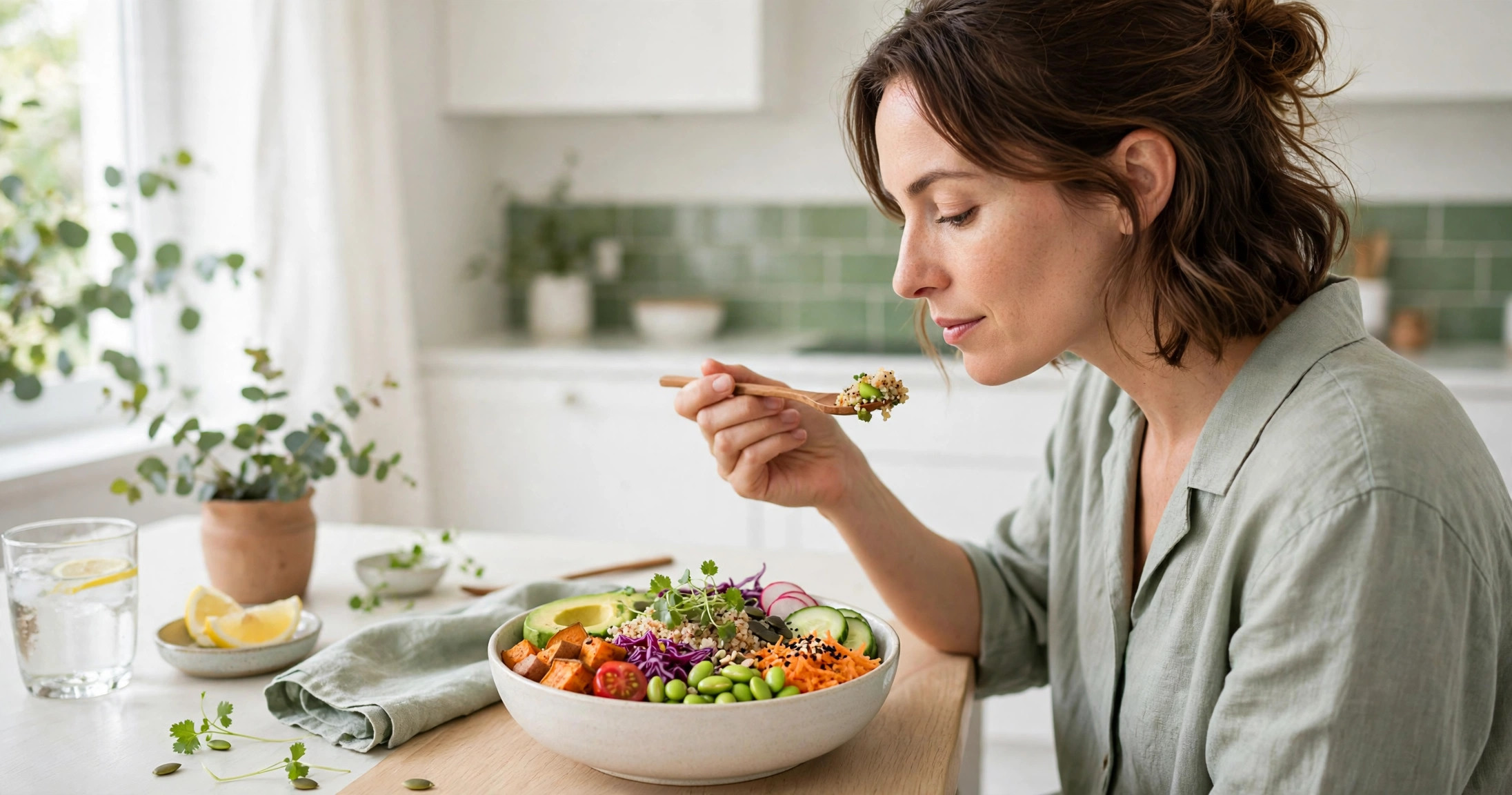
- Lunch: A salad or grain bowl with lentils, roasted vegetables, and a spoonful of sauerkraut or kimchi.
- Snack: An apple with a handful of nuts, or a small glass of kefir.
- Dinner: Tempeh or fish with garlic, leeks, asparagus, and whole grains.
Drink enough water throughout the day, since fiber works best when you are well hydrated, and take a daily walk — regular movement also supports digestion.
Foods and Habits That Can Work Against Your Gut
Highly processed foods, large amounts of added sugar, and frequent alcohol intake can all make it harder for beneficial gut microbes to thrive. You need not avoid them completely — just do not let them crowd out fiber-rich and fermented foods most of the time.
Antibiotics can also disrupt the gut microbiome, but they are sometimes necessary. Afterward, focus on a varied, fiber-rich diet, and talk to your doctor before starting any probiotic supplement. Anyone with IBS, IBD, or SIBO should also check with a healthcare professional before adding large amounts of fermented or high-fiber foods, since tolerance varies.
Key takeaways:
- The best gut-health diet combines probiotic foods (yogurt, kefir, kimchi, sauerkraut) with prebiotic fiber foods (garlic, oats, bananas, legumes).
- Variety matters more than any single "superfood" — rotate plant foods across the week.
- Start with small portions of fermented and high-fiber foods and increase gradually.
- Hydration, movement, and sleep support your gut just as much as food choices do.
- Talk to a doctor if you have persistent digestive symptoms or a diagnosed gut condition.
Frequently Asked Questions
What is the best food for gut health?
There is no single best food. Yogurt with live cultures, kefir, and kimchi are strong probiotic choices, while oats, garlic, bananas, and lentils are excellent prebiotic choices. The best approach is a varied diet including both groups regularly.
Are probiotics or prebiotics more important?
Both matter, and they work best together. Probiotics supply live microbes, while prebiotics feed the microbes already in your gut. A balanced diet with both beats choosing one category and ignoring the other.
How long does it take to improve gut health?
Some people notice less bloating or more regular bowel habits within a couple of weeks of eating more fiber and fermented foods. Deeper microbiome changes take longer, often several weeks to months. Patience and consistency matter more than any quick fix.
Can I get enough probiotics from food alone?
Yes, for most healthy people, fermented foods such as yogurt, kefir, kimchi, and sauerkraut provide live cultures without supplements. Supplements may help in specific situations, but discuss them with a doctor first.
What foods should I avoid for gut health?
There is no universal list of forbidden foods, but diets very high in ultra-processed foods, added sugar, and alcohol tend to support a less diverse gut microbiome. Focus on adding fiber-rich and fermented foods rather than strict restriction, and seek medical advice for persistent symptoms.




Comments (0)
No comments yet. Be the first to share your thoughts!
Leave a comment