
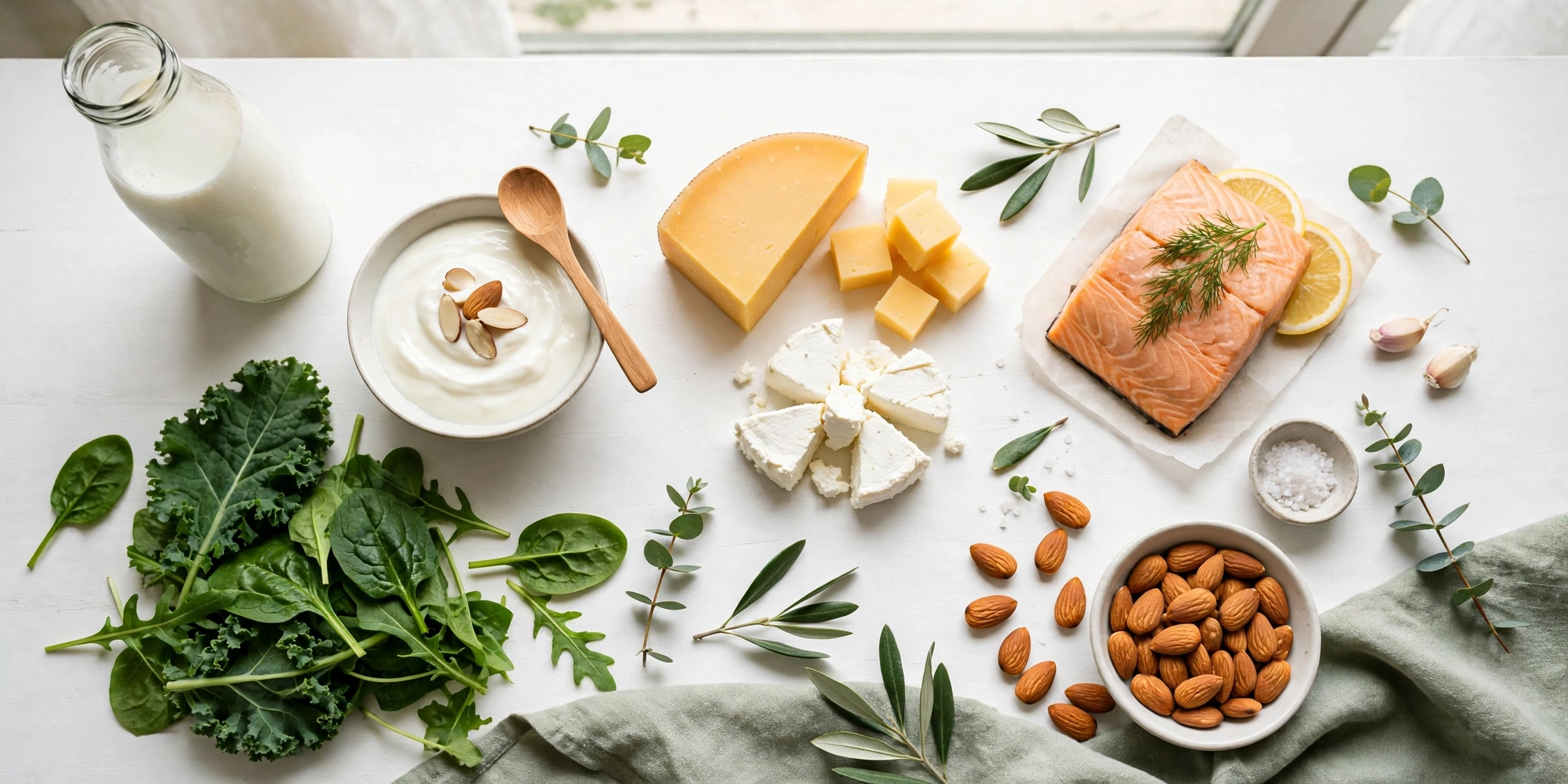
The best foods for bone health combine calcium, vitamin D, protein, magnesium, and vitamin K — nutrients your bones need to stay strong. Dairy, leafy greens, oily fish, nuts, seeds, and beans cover all of them. Eating a variety of these foods daily, plus getting enough vitamin D and staying active, protects your bones better than any single supplement.
 Why bone health is about more than calcium
Most people think bone health is just about calcium, and calcium does matter — it is the main mineral in bone. But bones are living tissue, constantly being broken down and rebuilt, and that rebuilding needs a whole team of nutrients. Vitamin D helps your body absorb calcium, protein provides the framework that minerals attach to, magnesium and vitamin K help direct calcium into bone, and potassium helps reduce calcium loss. That is why a varied diet beats a single supplement: no one food or pill covers the whole team. A diet rich in dairy, leafy greens, fish, nuts, and beans gives your bones what they need every day.
Bone loss is also slow and silent. You cannot feel your bones getting weaker, which is why so many people only discover a problem after a fracture. The foods you eat in your 20s and 30s build the bone density you rely on later — peak bone mass is mostly set by your early 30s, and after that the goal is to lose it as slowly as possible.
The 12 best foods for bone health
These twelve foods are the strongest choices for bone health, chosen for their nutrient profiles and for the research behind them. You do not need all twelve every day — aim for several of them across the week. Check your own diet with the nutrition tool and look for gaps in calcium, vitamin D, and magnesium.
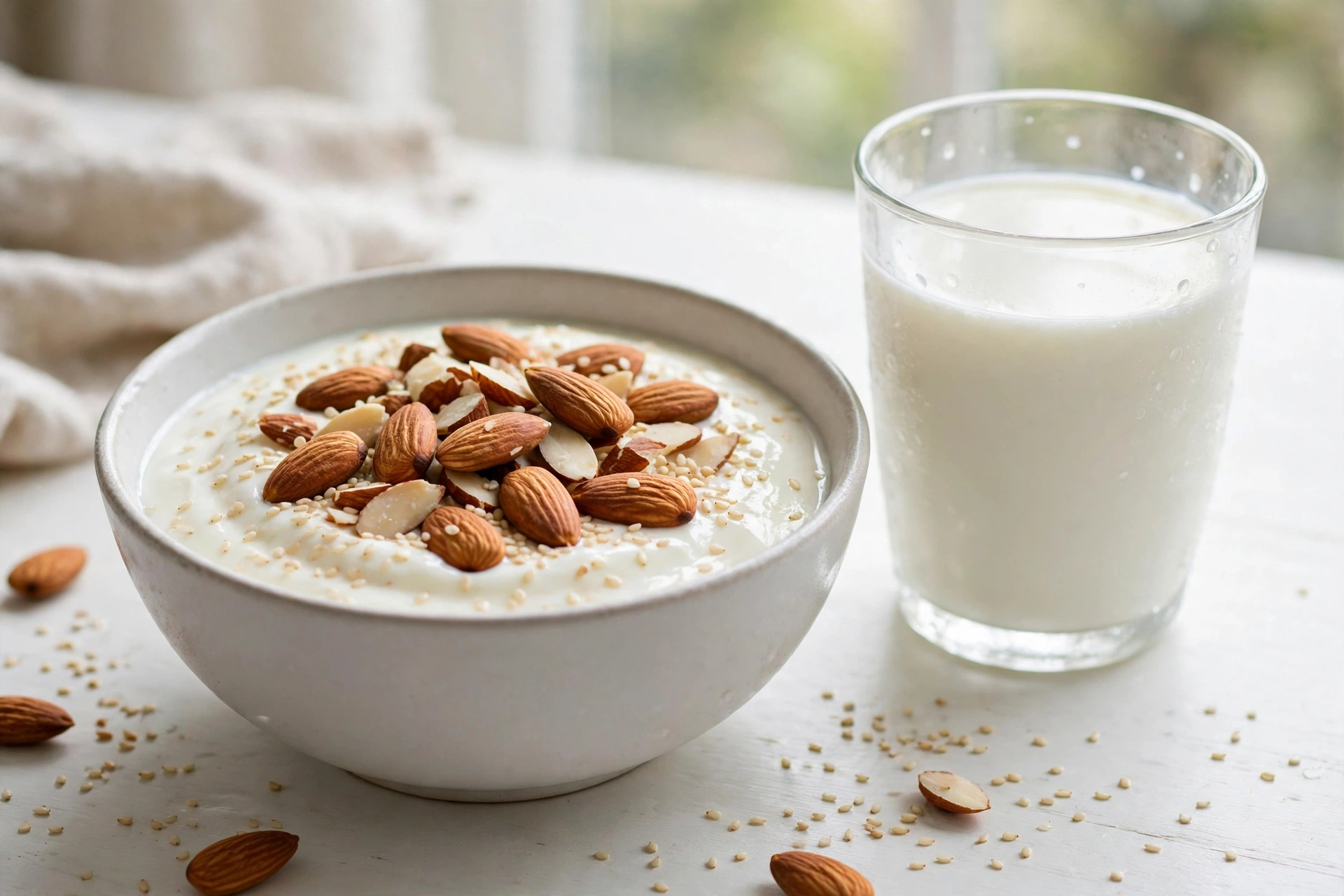
1. Milk. One glass of milk provides around 300 mg of calcium — roughly a third of an adult's daily need — plus protein and, in most fortified milks, vitamin D. It is one of the simplest ways to cover a large share of your calcium in a single serving.
2. Yogurt. Yogurt matches milk for calcium and adds protein and probiotics, the friendly bacteria linked to better nutrient absorption. Greek yogurt is especially high in protein. Choose plain yogurt and add fruit or nuts yourself.
3. Cheese. Cheese is one of the most concentrated sources of calcium — a small matchbox-sized piece of hard cheese such as cheddar can provide around 200 mg. It is also rich in protein. Because it is high in salt and saturated fat, treat it as a flavourful extra.
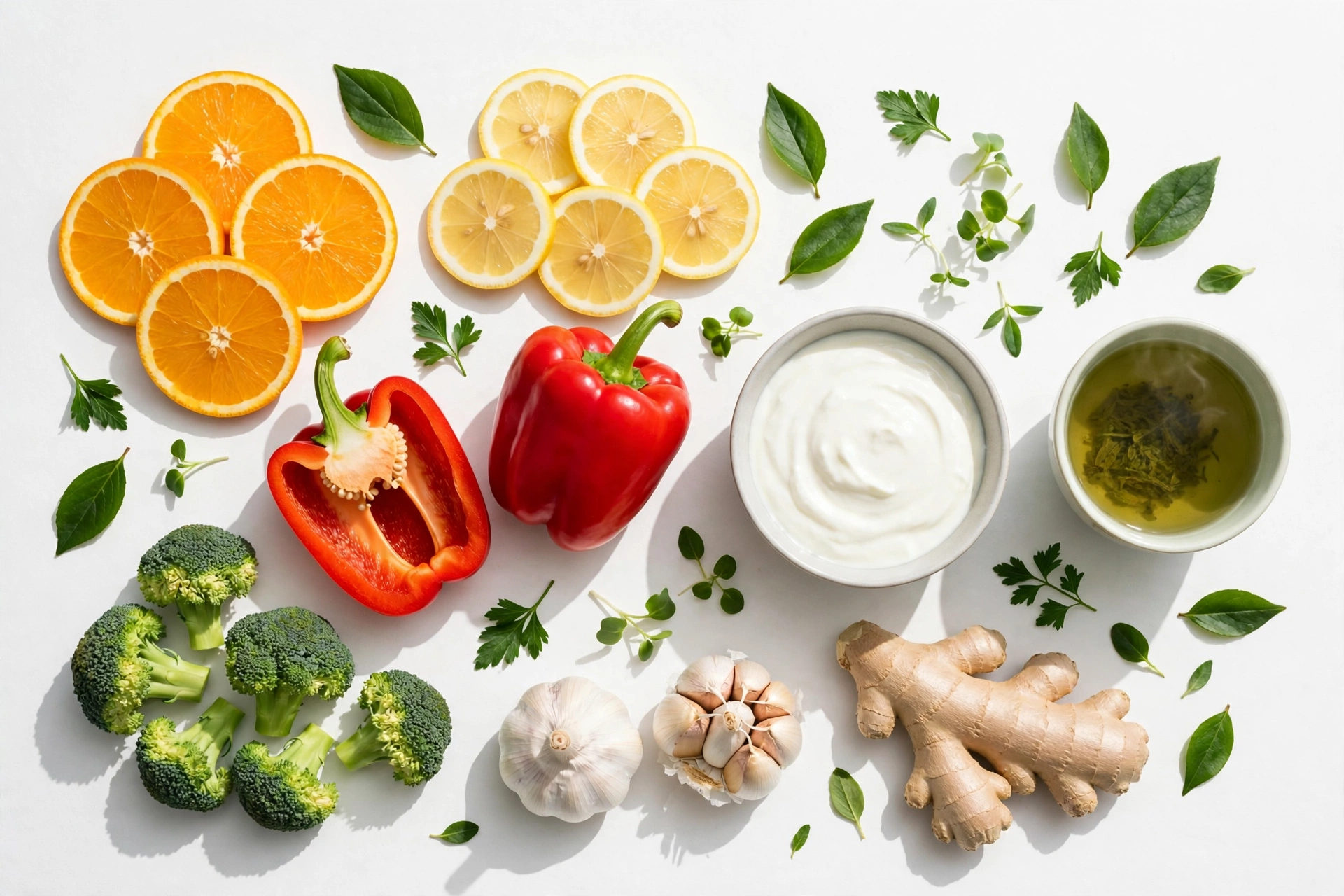
4. Leafy greens. Kale, broccoli, and bok choy provide calcium your body absorbs well, plus vitamin K and magnesium. Unlike spinach, whose calcium is harder to absorb, kale and broccoli are genuinely useful sources.
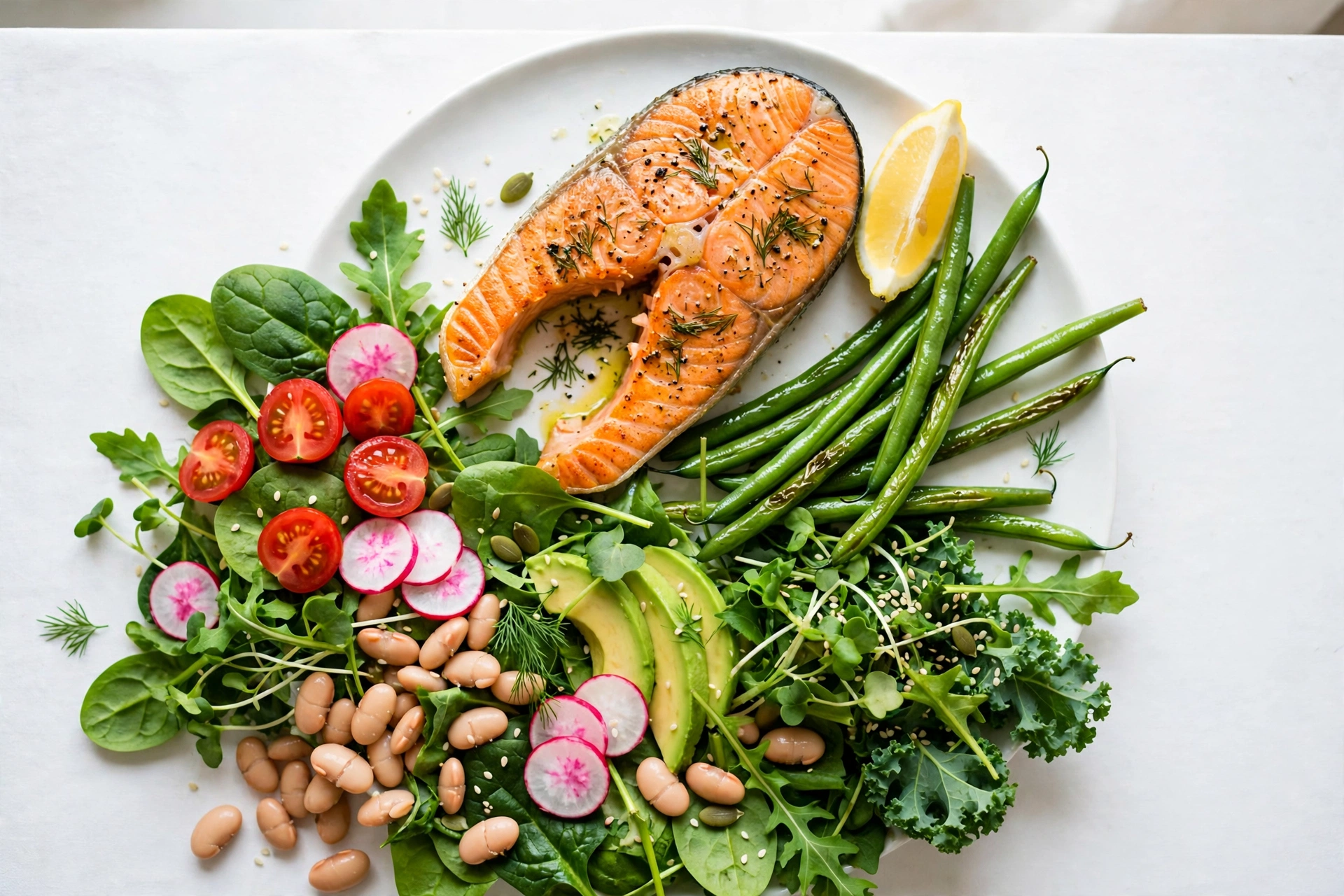
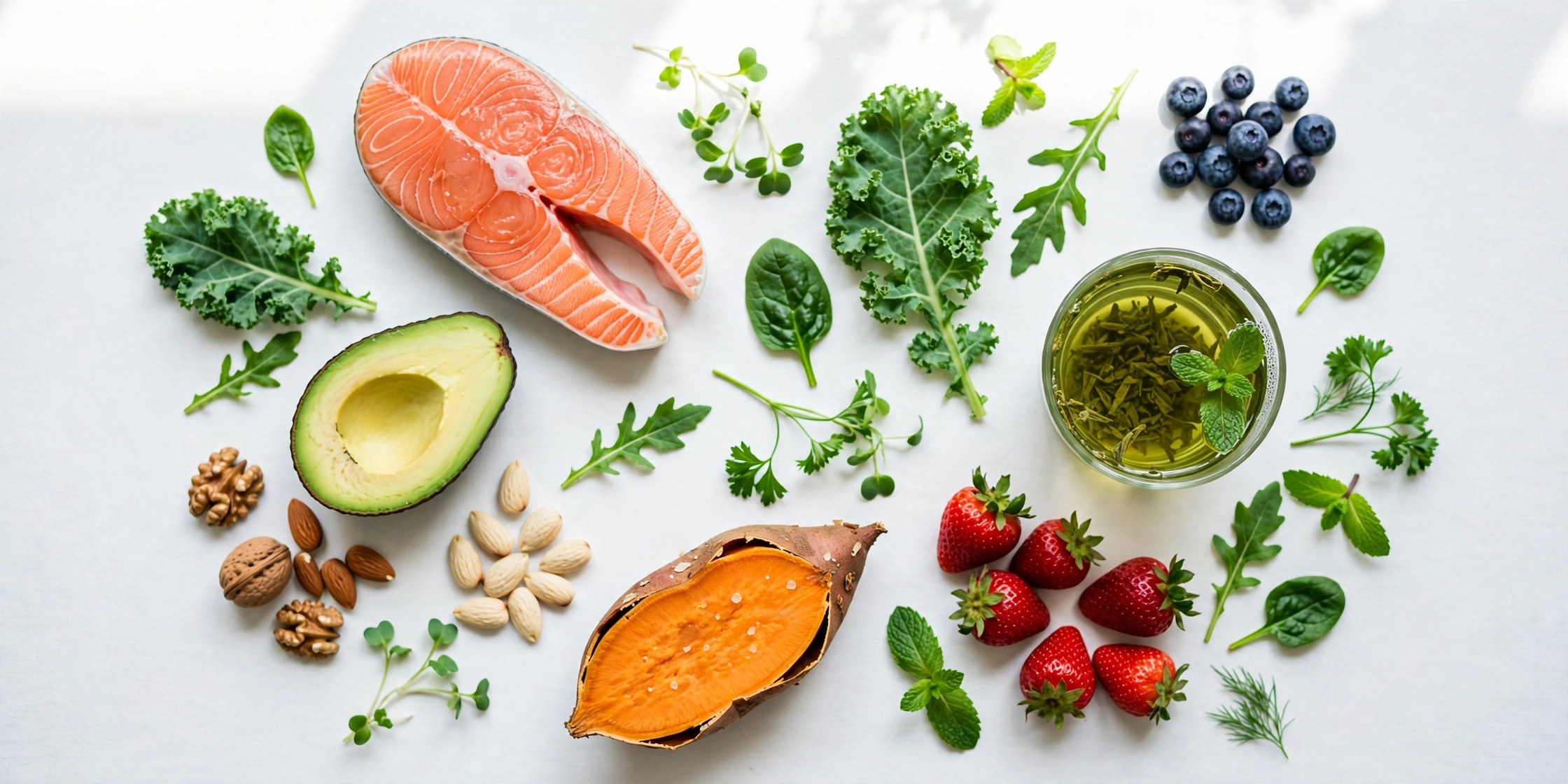
5. Salmon and sardines. Oily fish are one of the few foods naturally rich in vitamin D, which your body needs to absorb calcium. A serving of salmon covers much of your daily vitamin D, and sardines eaten with their soft bones add a useful dose of calcium too. See our guide to vitamin D deficiency signs and food sources if you spend little time in the sun.
6. Almonds. A small handful of almonds provides calcium, magnesium, and protein in one snack, plus healthy fats — an easy way to add bone-friendly nutrients between meals.
7. Sesame seeds and tahini. Sesame seeds are surprisingly rich in calcium, and a spoonful of tahini spread on toast or stirred into dressings adds a meaningful amount.
8. Beans and lentils. Beans, lentils, and chickpeas provide magnesium, potassium, and plant protein — all part of the bone-building team. Add them to soups, salads, and curries several times a week.
9. Calcium-set tofu. Tofu made with calcium sulphate can match dairy for calcium per serving, and it is also a complete protein. Check the label for "calcium-set" — not all tofu is fortified.
10. Eggs. Egg yolks are one of the few foods that contain vitamin D naturally, and eggs also provide high-quality protein. They are a simple, affordable way to support bone health at breakfast or lunch.
11. Fortified plant milks. Soy, oat, and almond milks fortified with calcium and vitamin D can match dairy milk for bone-friendly nutrients. Always check the label — unfortified versions contain very little calcium.
12. Prunes and dried figs. Prunes are one of the few foods studied directly for bone density, and a small handful a day has been linked to better bone health in older adults. Dried figs add calcium and potassium. Keep portions small — dried fruit is high in natural sugars.
 What weakens your bones
Some habits quietly work against strong bones. Very salty diets increase calcium loss in urine, heavy alcohol use interferes with bone rebuilding, and smoking is linked to lower bone density. Crash diets that cut calories sharply can also starve bones of the nutrients they need. And bones need loading: without regular weight-bearing activity such as walking, dancing, or strength training, they gradually lose density. The good news is that every one of these is fixable — cut back on salt and alcohol, do not smoke, eat enough, and move daily. The calorie tracker can help you check you are eating enough to support your bones.
If you are low on calcium, read our guide on calcium benefits, deficiency, and food sources for the warning signs and best ways to top up. Supplements are a backup, not a replacement: calcium from food is absorbed better and comes with the other nutrients bones need.
Key takeaways
- Bone health needs a team of nutrients — calcium, vitamin D, protein, magnesium, and vitamin K — not calcium alone.
- Dairy, leafy greens, oily fish, nuts, seeds, and beans together cover the whole team.
- Vitamin D matters as much as calcium, because without it your body cannot absorb calcium properly.
- Salty diets, heavy alcohol, smoking, crash diets, and inactivity all weaken bones over time.
- Weight-bearing movement — walking, dancing, strength training — helps bones stay dense.
- Food first, supplements second: calcium from food is absorbed better than calcium from a pill.
Frequently asked questions
How much calcium do adults need per day?
Most adults need around 1,000 mg of calcium a day, rising to about 1,200 mg for women over 50 and men over 70. One glass of milk, a pot of yogurt, and a serving of leafy greens together already cover most of that. Food is the best source, because calcium from food is absorbed well and comes with the other nutrients bones need.
Can I get enough calcium without dairy?
Yes, but you need to plan for it. Calcium-set tofu, fortified plant milks, kale, broccoli, bok choy, almonds, sesame seeds, and sardines are all good non-dairy sources. If you eat no dairy at all, check the labels on fortified foods and consider a calcium supplement after talking to your doctor.
Does vitamin D really matter for bone health?
Yes — vitamin D is essential, because without it your body absorbs only a small fraction of the calcium you eat. Your skin makes vitamin D from sunlight, but many people get too little in winter. Oily fish, eggs, and fortified foods help, and a supplement is worth discussing with your doctor if your levels are low.
Are calcium supplements better than food?
No. Calcium from food is absorbed better and comes packaged with protein, magnesium, and other nutrients that support bone health. Supplements are a useful backup if your diet falls short, but they do not replace a good diet. Very high doses can cause side effects, so do not exceed the recommended dose.
Does exercise really help my bones?
Yes. Bones respond to loading, so weight-bearing exercise — walking, running, dancing, and strength training — signals your body to keep them dense and strong. Swimming and cycling load bones less, so combine them with walking or strength work.
Which foods should I avoid for bone health?
There is no food you must ban completely, but very salty foods, heavy alcohol, and lots of caffeine can all work against bone health when consumed in excess. Crash diets are the bigger risk, because they cut the calories and nutrients bones need. Focus on adding the twelve foods in this article rather than on banning foods outright.



Comments (0)
No comments yet. Be the first to share your thoughts!
Leave a comment