
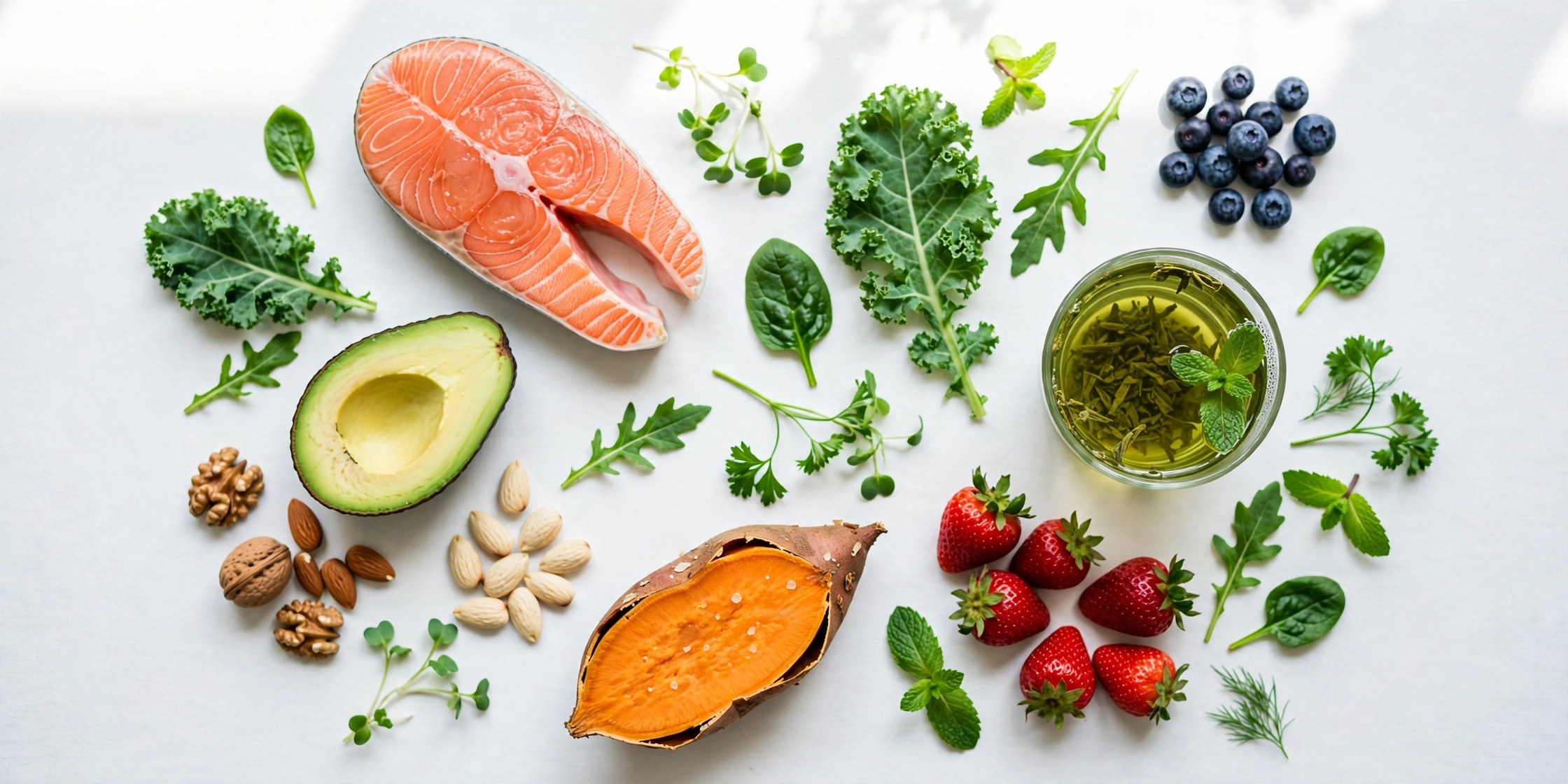
The best foods for skin health are fatty fish like salmon, colorful vegetables, berries, nuts and seeds, avocados, and green tea. They supply vitamin C, vitamin E, omega-3 fats, zinc, and antioxidants that support collagen, protect against sun damage, and keep skin hydrated. A varied whole-food diet beats any single superfood.
Your skin is your largest organ, and it shows what you eat. No single food will transform your skin overnight, but your overall diet — day after day — shapes how your skin looks and feels. Nutrients reach the skin through the bloodstream, where they help build collagen, repair damage from sunlight and pollution, and keep the skin barrier strong so moisture stays in and irritants stay out.
The good news is that eating for your skin needs no exotic superfoods or expensive supplements. The same everyday foods that support heart health — oily fish, nuts, seeds, colorful vegetables, fruit, and green tea — are also among the best foods for skin health. This guide explains which nutrients matter most, the twelve foods that deliver them, and the habits that can work against your skin.
How Diet Affects Your Skin
Skin constantly renews itself. New cells are built from the nutrients you eat, so shortages show up as dullness, dryness, slow healing, and more visible fine lines.
Vitamin C is essential for making collagen, the protein that gives skin firmness and structure. Without enough of it, collagen production slows and wounds heal slowly. Citrus fruit, bell peppers, broccoli, and berries are excellent sources. Learn more in our guide to vitamin C benefits, deficiency and food sources.
Vitamin E is a fat-soluble antioxidant that protects skin cells from oxidative damage, working together with vitamin C. Nuts, seeds, and plant oils are the richest sources. Omega-3 fatty acids, found in oily fish and walnuts, keep cell membranes flexible and the skin barrier strong, reducing dryness and redness. See our full guide to omega-3 benefits, food sources and dosage.
Zinc supports skin repair and helps control oil production and inflammation, which is why it is often mentioned in connection with breakouts. Antioxidants such as beta-carotene, lycopene, and polyphenols help neutralise the free radicals created by sunlight and pollution before they damage skin cells. Finally, hydration matters: skin cells need water to stay plump, and a diet rich in water-containing foods such as vegetables, fruit, and soups supports it. To see how your own meals measure up, try the free Nutrition tool or track your intake with the Calorie Tracker.
12 Best Foods for Skin Health
These twelve foods cover every nutrient your skin needs — include several each week and let variety do the work.
1. Fatty Fish: Salmon and Sardines
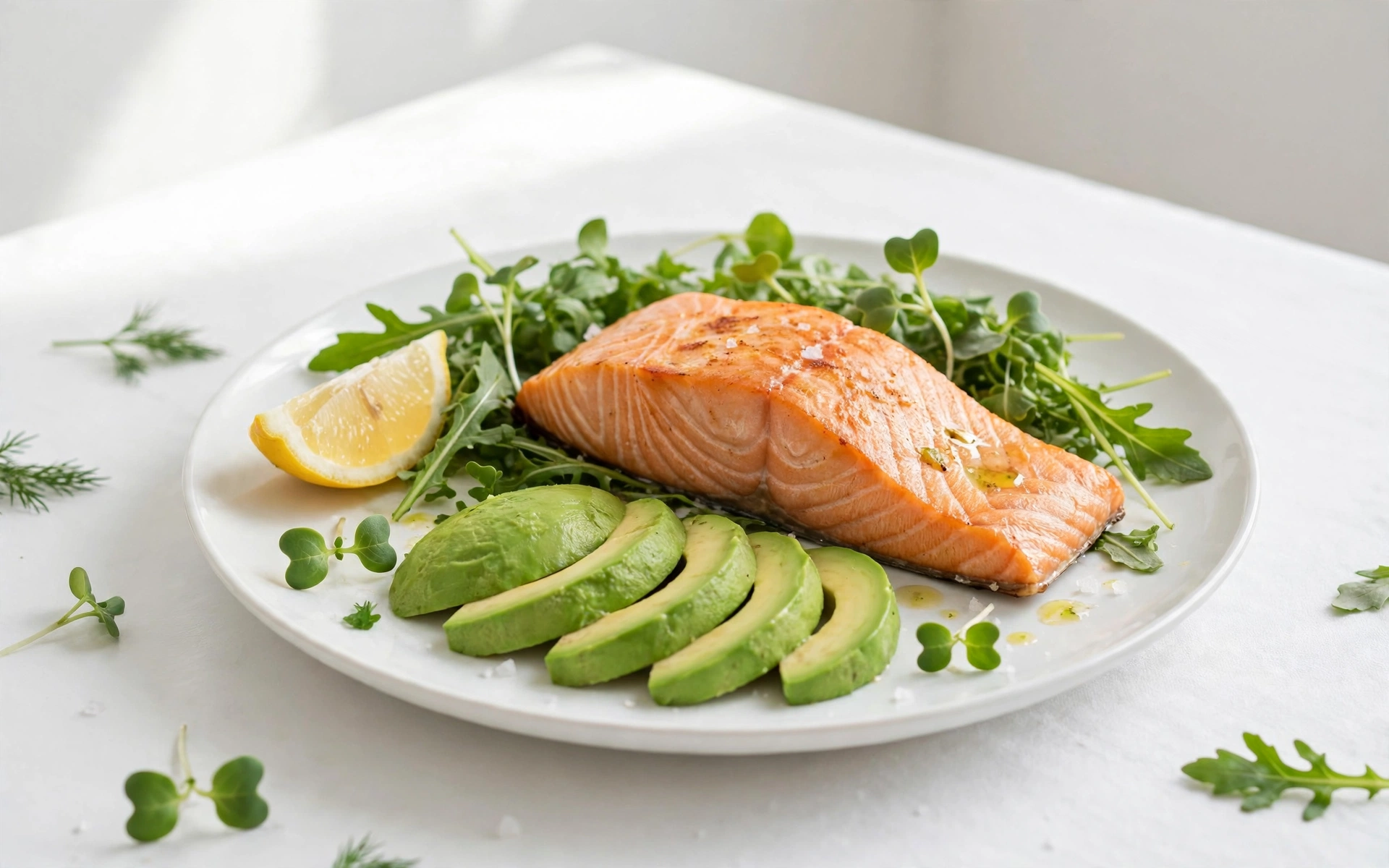
Salmon is one of the most complete skin foods there is: rich in omega-3 fats that calm inflammation and keep skin moisturised from the inside, plus vitamin D and astaxanthin, the antioxidant behind its pink colour that helps protect skin from sun damage. Sardines and mackerel offer the same benefits for less, plus calcium from their soft edible bones.
- Salmon: omega-3s, vitamin D, astaxanthin — two portions of oily fish a week.
- Sardines: omega-3s and zinc in a small, affordable fish; try them on wholegrain toast.
2. Nuts and Seeds: Walnuts, Almonds and Sunflower Seeds
Nuts and seeds are concentrated sources of vitamin E, zinc, and healthy fats, and an easy skin-friendly snack. Walnuts are the only nut with meaningful plant omega-3, while almonds are one of the richest vitamin E sources. Sunflower seeds are small but mighty: a small handful covers much of your daily vitamin E, plus zinc and selenium.
- Walnuts: plant omega-3, zinc, and polyphenols; a small handful a day.
- Almonds: vitamin E and healthy fats; eat raw or as almond butter.
- Sunflower seeds: vitamin E, zinc, and selenium; sprinkle over salads, yoghurt, or porridge.
3. Colourful Vegetables and Fruit: Sweet Potatoes, Bell Peppers, Tomatoes, Broccoli, Blueberries and Avocado
Colour is a reliable clue to skin-friendly nutrients. Orange and red vegetables are rich in beta-carotene, which the body converts to vitamin A — a natural sun protectant from within. Vitamin C-rich peppers and broccoli support collagen, while berries deliver concentrated antioxidants.
- Sweet potatoes: beta-carotene for vitamin A; roast, mash, or add to soups.
- Bell peppers: one of the richest vitamin C sources — one pepper can cover well over your daily need.
- Tomatoes: lycopene, an antioxidant absorbed better from cooked tomatoes; think soups and sauces.
- Broccoli: vitamin C, vitamin K, and sulforaphane, studied for its protective effects on skin.
- Blueberries: anthocyanins, deep-blue antioxidants linked to protection against skin ageing.
- Avocado: healthy monounsaturated fats and vitamin E for a soft, flexible skin barrier.
4. Drinks and Extras: Green Tea
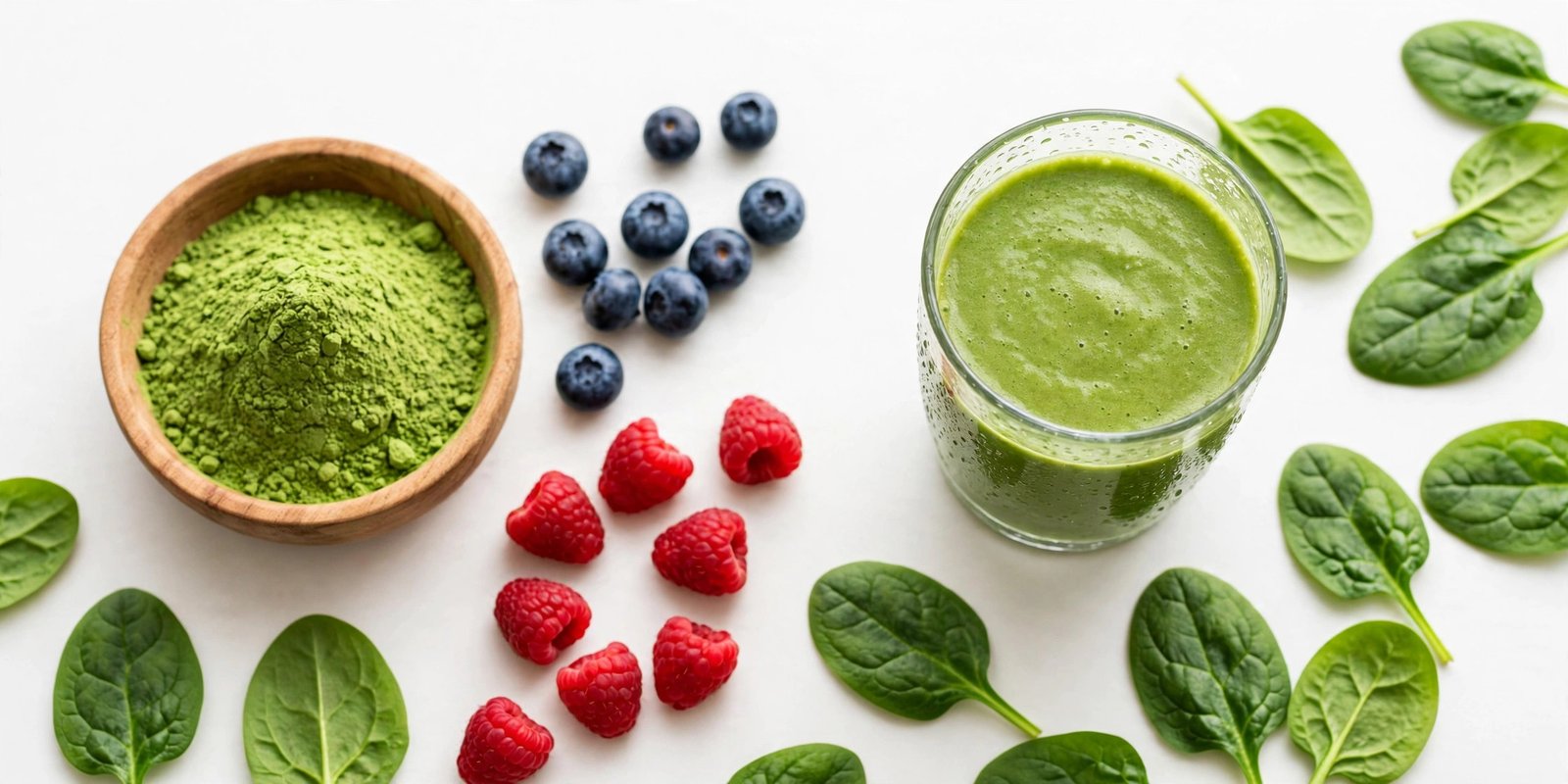
Green tea deserves its own place here. It is rich in catechins, polyphenols studied for protecting skin against sun damage and improving hydration and elasticity. A cup or two a day can replace a sugary drink — a small swap that helps your skin twice over.
- Green tea: catechins for antioxidant protection; drink plain, hot or iced, without added sugar.
Foods That Can Harm Your Skin
No food is forbidden — one chocolate bar will not ruin your skin. But diets high in sugar, refined carbohydrates, and heavily processed foods are linked to more breakouts and faster visible ageing. High blood sugar spikes can raise insulin, increasing oil production and inflammation, and very salty processed foods may worsen puffiness and dryness. The honest approach is balance: enjoy treats occasionally, but let whole foods — vegetables, fruit, whole grains, fish, nuts, and legumes — make up most of what you eat. If dairy seems to trigger breakouts, try cutting back for a few weeks; the link varies a lot from person to person.
A Simple Skin-Friendly Day of Eating
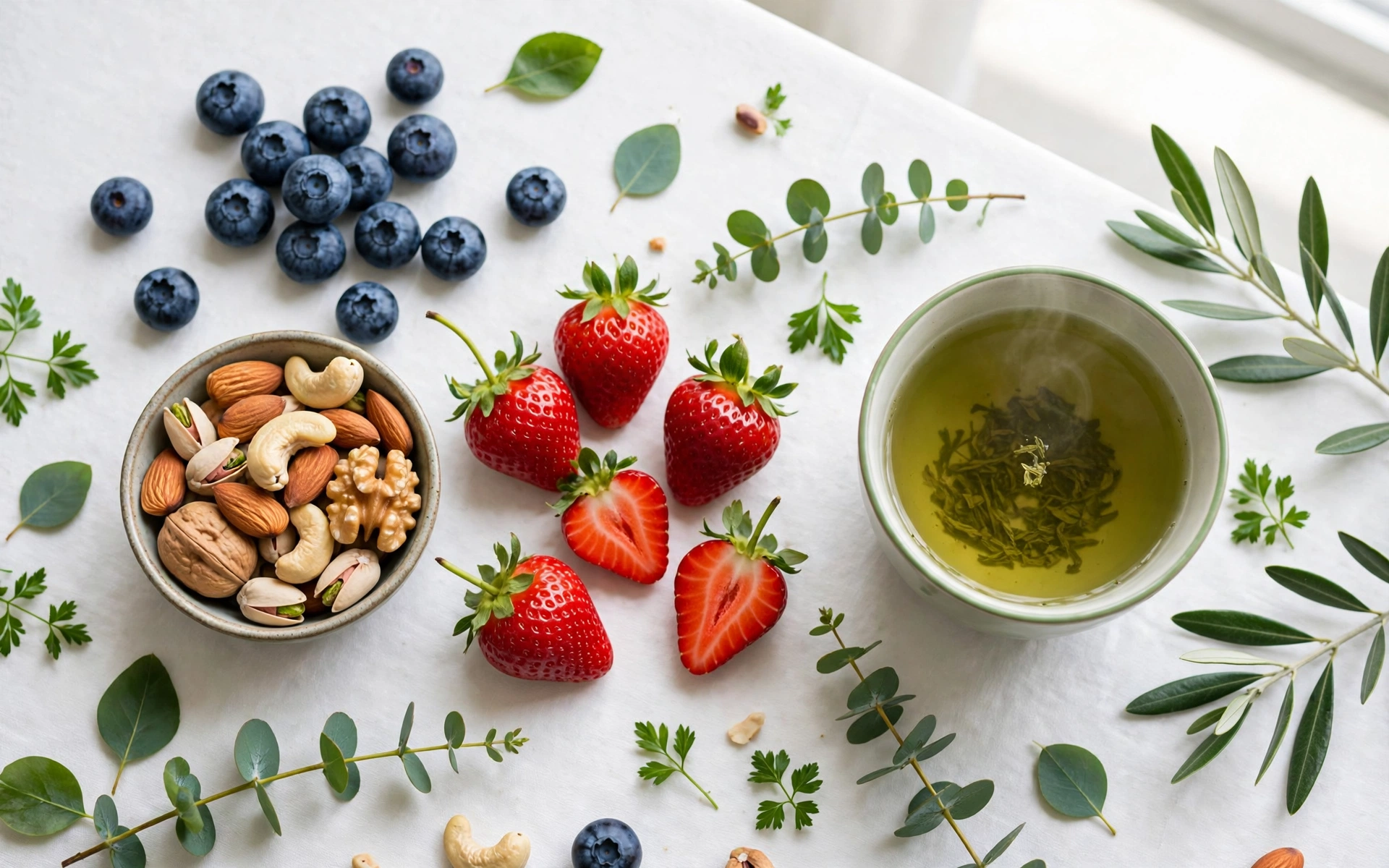
Putting it together is easier than it sounds. Breakfast: porridge with blueberries, walnuts, and sunflower seeds. Lunch: a big salad of bell peppers, broccoli, tomatoes, and avocado, plus a wholegrain roll. Snack: almonds and green tea. Dinner: baked salmon with roasted sweet potatoes and steamed greens. Drink water through the day and you have covered vitamin C, vitamin E, omega-3s, zinc, beta-carotene, and antioxidants — without a single supplement.
Key Takeaways
- Eat colourful whole foods: oily fish, nuts, seeds, vegetables, fruit, and green tea.
- Vitamin C builds collagen, vitamin E and antioxidants protect skin cells, omega-3s keep skin moisturised.
- Two portions of oily fish weekly, a handful of nuts daily, and plenty of colourful vegetables cover most of your skin's needs.
- Limit sugary and heavily processed foods, linked to breakouts and faster skin ageing.
- Be patient: diet changes show in skin over weeks, not days — consistency beats perfection.
Frequently Asked Questions
How fast can diet change your skin?
Skin cells renew over roughly four weeks, so most people need four to eight weeks of consistent eating to notice a real difference. Less sugar and more oily fish may cut breakouts sooner, but lasting glow and texture take time.
Do skin supplements work better than food?
For most people, no. Food provides nutrients with fibre, water, and other compounds supplements cannot replicate, and the body absorbs them very efficiently. Supplements can help with a diagnosed deficiency, but a varied diet comes first.
Does drinking water help your skin?
Yes, but only up to a point. Staying hydrated keeps skin cells plump and supports the skin barrier, and water-rich foods such as cucumbers, oranges, and soups help too. If you are already well hydrated, extra water will not noticeably improve your skin.
Can food cure acne?
No food cures acne, which has many causes, including hormones and genetics. Diet can help: many people get fewer breakouts when they cut back on sugary foods and dairy and eat more vegetables, whole grains, and omega-3-rich fish. Severe acne needs a dermatologist, not a diet alone.
Is chocolate bad for your skin?
Plain dark chocolate in small amounts is not the enemy — it even contains skin-friendly antioxidants. The problem is usually milk chocolate and bars loaded with sugar and milk, which can spike blood sugar and worsen breakouts in some people.
Which vitamin is most important for skin?
There is no single most important vitamin, because skin needs several nutrients working together. Vitamin C builds collagen, vitamin E protects cells, vitamin A supports renewal, and zinc helps repair. A varied diet covers them better than any single-vitamin supplement.




Comments (0)
No comments yet. Be the first to share your thoughts!
Leave a comment