
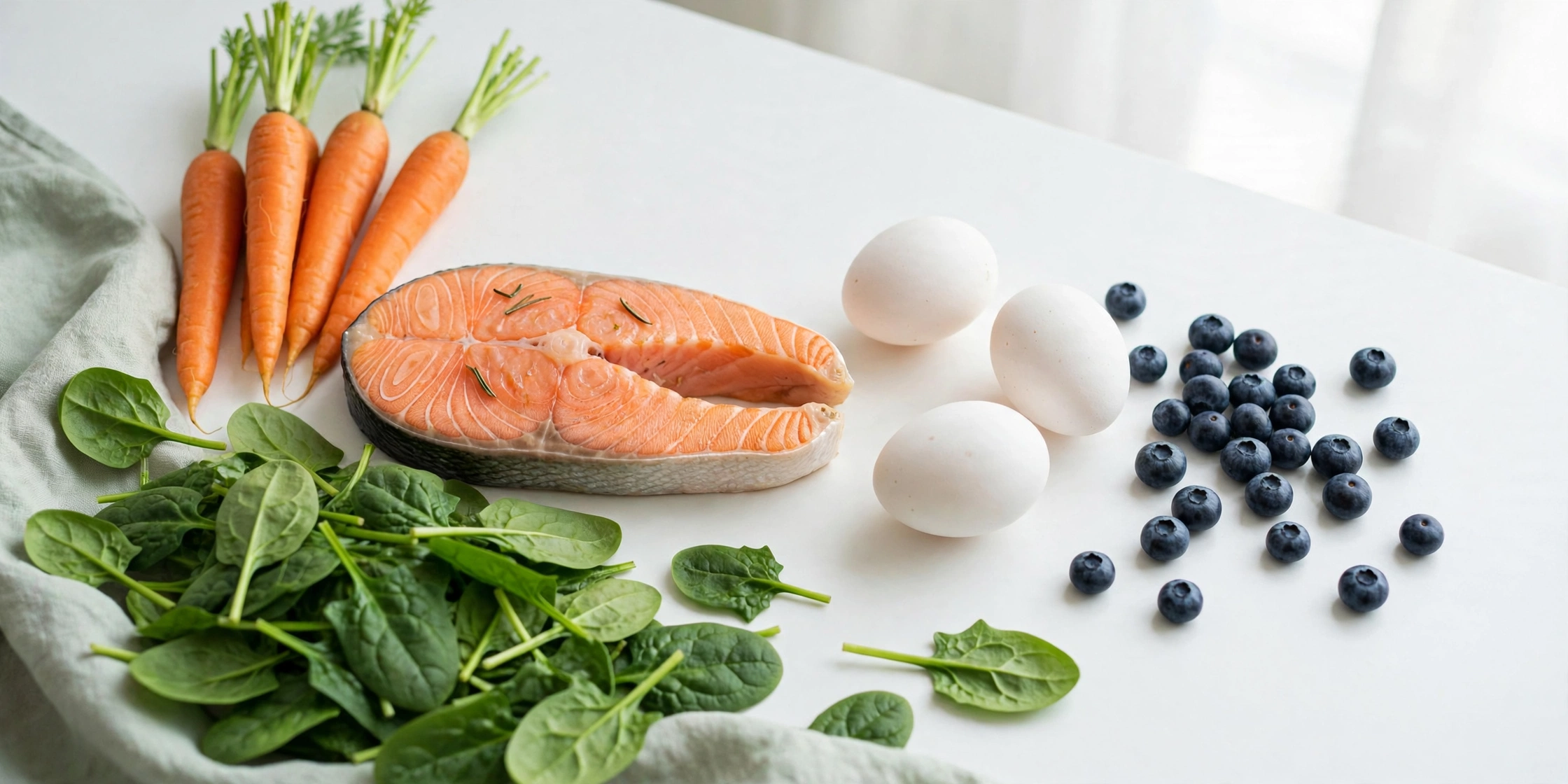
Direct answer: The best foods for eye health are leafy greens, oily fish, eggs, citrus fruit, nuts, seeds, carrots, sweet potatoes, bell peppers and legumes. They supply lutein, zeaxanthin, vitamin A, omega-3 fats, vitamin C and zinc — nutrients that support the macula, the retina and the tear film that keeps eyes comfortable.
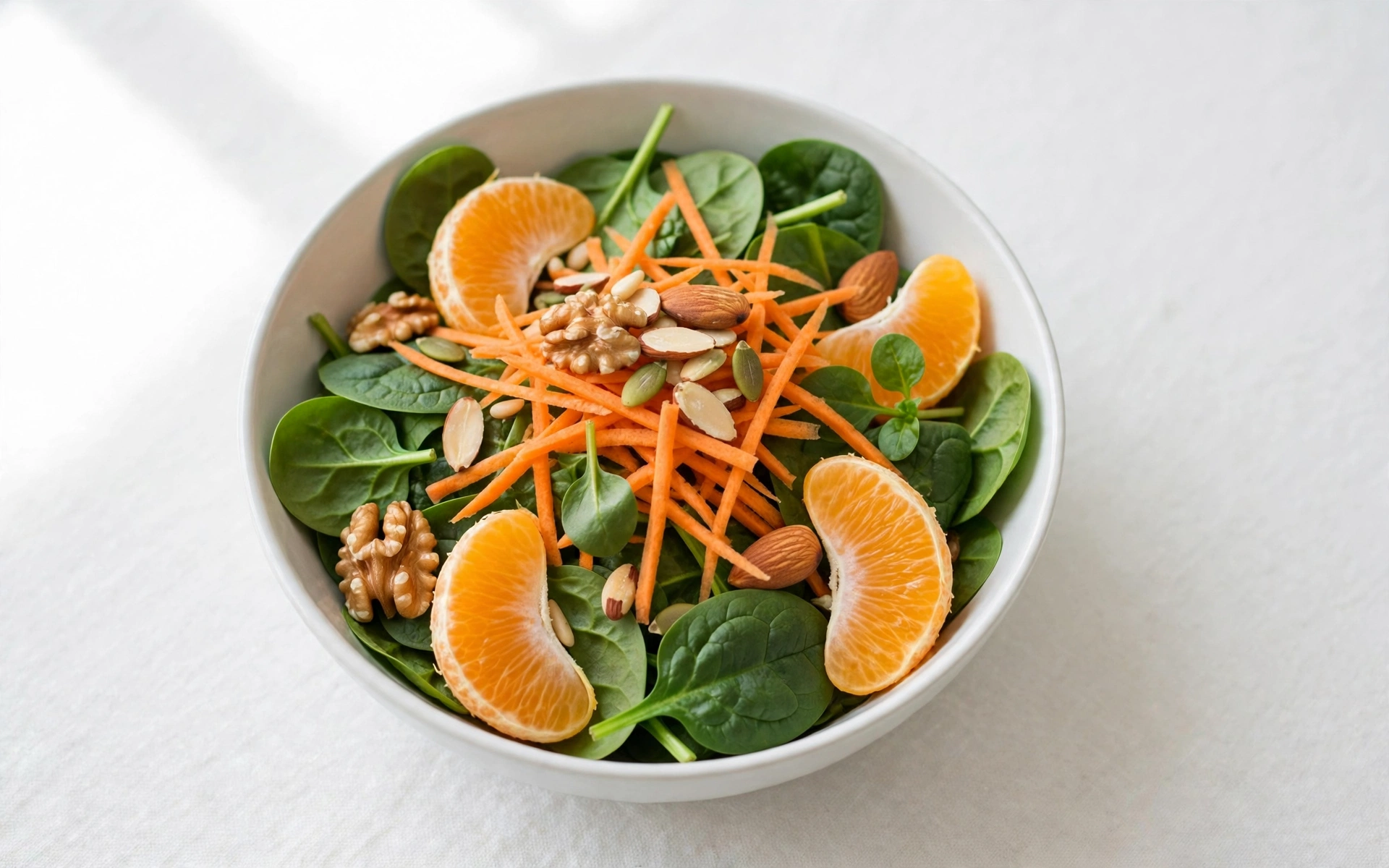
How nutrients protect your eyes
Your eyes work hard all day, and they rely on a steady supply of nutrients to do it well. The macula, the small central part of the retina that handles sharp, detailed vision, holds high concentrations of two plant pigments called lutein and zeaxanthin. These pigments act like a natural filter, absorbing some of the blue light that reaches the eye and helping to protect the delicate cells underneath.
Vitamin A plays a different but equally important role. It helps the retina respond to light, which is why a shortage can make it harder to see in dim conditions. Omega-3 fats, especially DHA, are structural building blocks of the retina itself, while vitamin C and zinc support the tissues around the eye and help the body manage everyday oxidative stress. None of these nutrients works alone — they work as a team, which is why a varied diet beats any single "superfood".
It is also worth keeping expectations honest. Food supports eye health and helps maintain normal vision as part of an overall healthy diet, but it does not replace regular eye exams or treatment for eye disease. If you notice sudden vision changes, flashes, new floaters or eye pain, see an eye care professional promptly.
10 best foods for eye health
These ten foods are easy to find, affordable and simple to add to everyday meals. Each one brings at least one nutrient your eyes use every day.
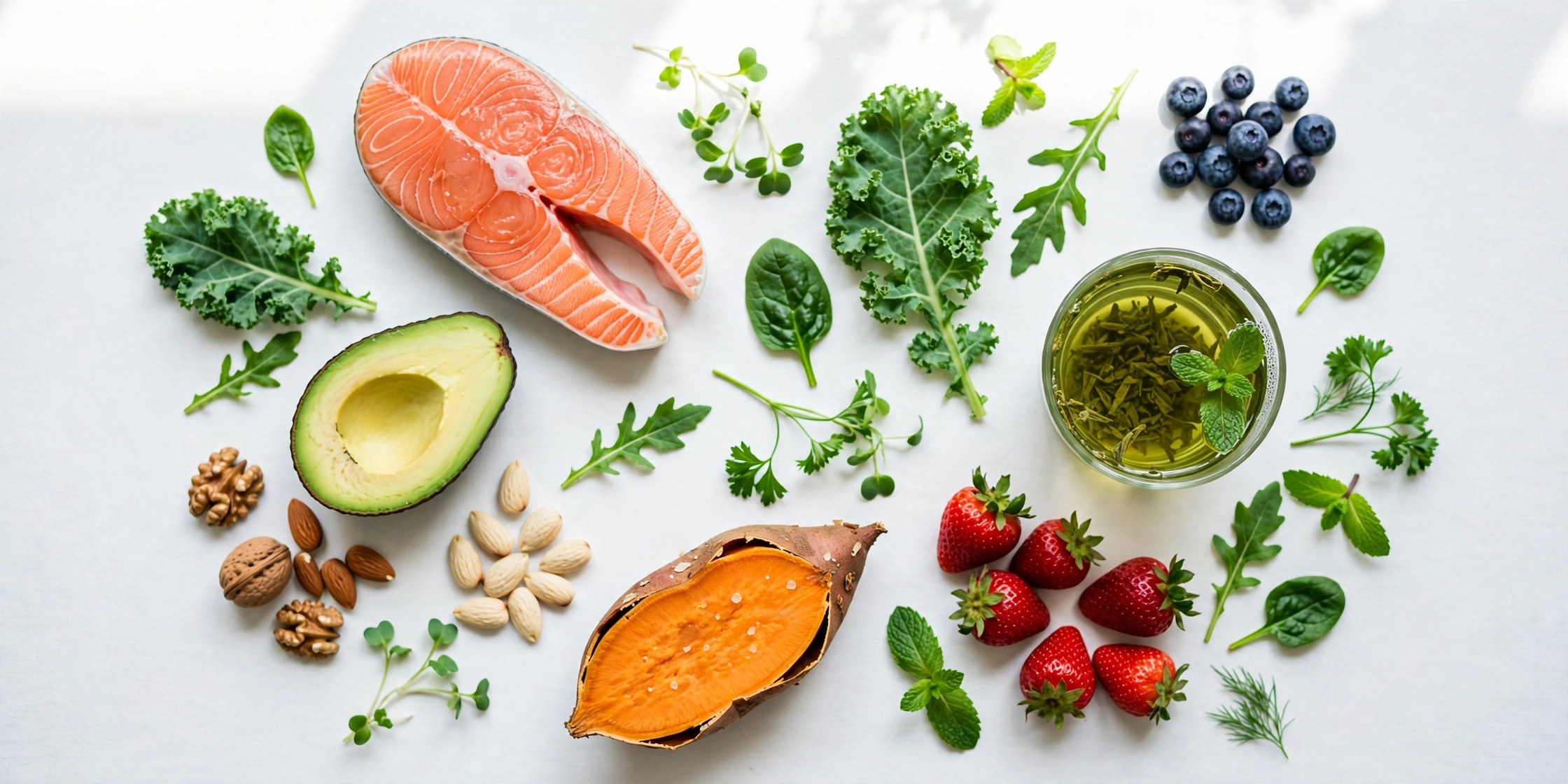
- Spinach and kale — the richest everyday sources of lutein and zeaxanthin, the pigments concentrated in the macula. Add a handful to soups, omelettes, pasta or smoothies.
- Salmon, sardines and mackerel — oily fish rich in omega-3 fats (EPA and DHA), which support the retina and help keep the tear film stable. Aim for two portions of oily fish a week.
- Eggs — the yolk provides lutein, zeaxanthin, vitamin A and zinc in a form the body absorbs well. One egg a day fits easily into most healthy diets.
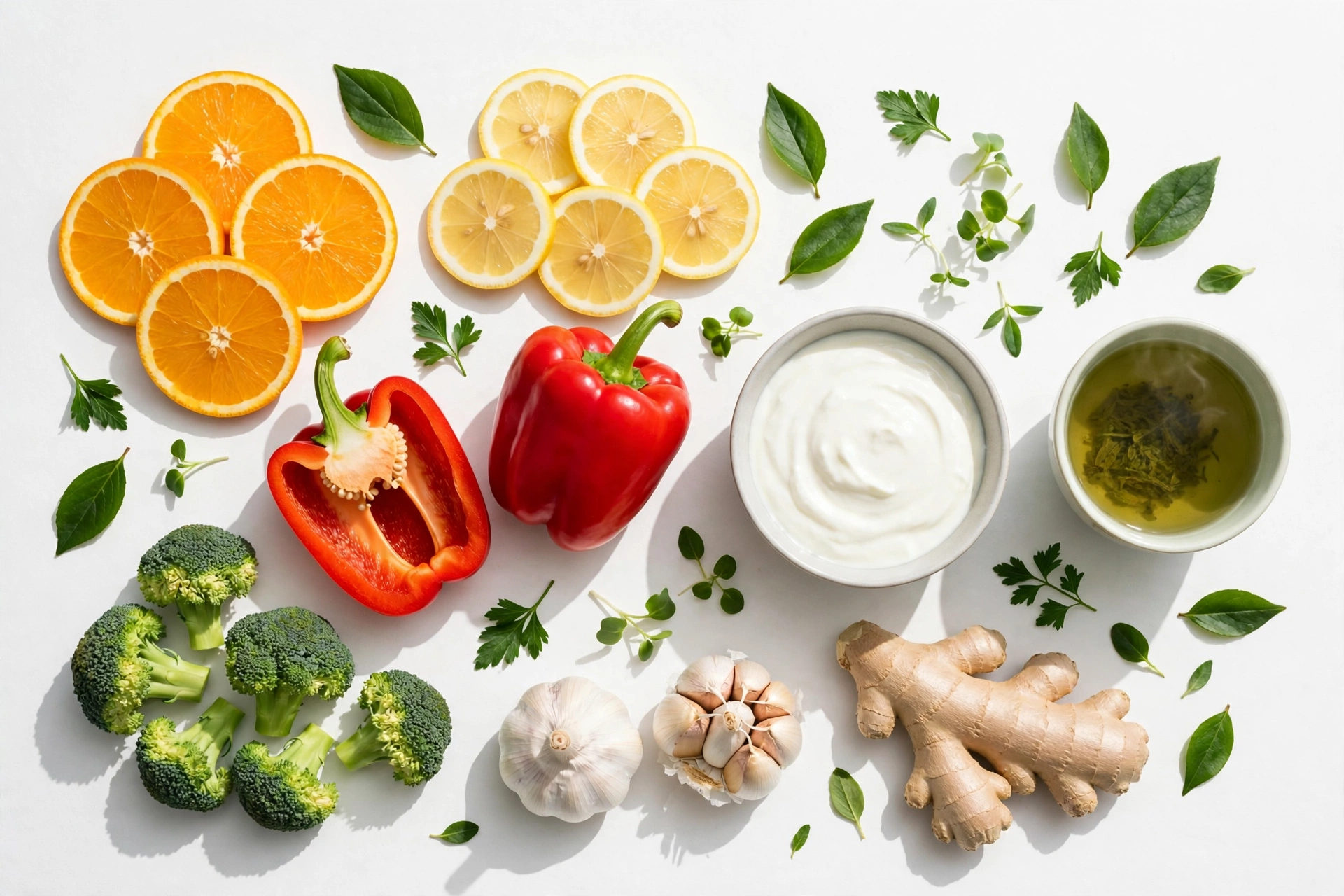
- Oranges and grapefruit — citrus fruit is a strong source of vitamin C, which supports the blood vessels in the eye and the tissues around it. Eat the whole fruit rather than juice when you can, so you keep the fibre too.
- Carrots — a classic for a reason: they are rich in beta-carotene, which the body converts into vitamin A for normal vision, including seeing in low light.
- Sweet potatoes — another excellent beta-carotene source, plus fibre and potassium. Roasted, mashed or baked, they are one of the simplest swaps for a more eye-friendly plate.
- Red and yellow bell peppers — among the richest foods in vitamin C by weight, and they also provide carotenoids. Eat them raw in salads or lightly roasted to keep the vitamin C intact.
- Almonds and walnuts — nuts supply vitamin E and zinc, and walnuts add plant omega-3 fats (ALA). A small handful a day is enough; nuts are energy-dense, so portion matters.
- Seeds: pumpkin, sunflower and flaxseed — pumpkin seeds are rich in zinc, sunflower seeds in vitamin E, and ground flaxseed in ALA omega-3. Sprinkle them over yoghurt, salads or oatmeal.
- Beans and lentils — legumes provide zinc, iron and B vitamins at a low cost. They also help keep blood sugar steadier, which matters because long-term high blood sugar can damage the small blood vessels in the retina.
Key nutrients for eye health at a glance
If you remember only one thing, remember this: no single nutrient carries eye health alone. Here is how the main ones fit together:
- Lutein and zeaxanthin — concentrate in the macula and filter blue light. Found in leafy greens, eggs and peppers.
- Vitamin A — needed for the retina to respond to light and for normal vision in dim conditions. Found in eggs, dairy, liver and, as beta-carotene, in carrots and sweet potatoes.
- Omega-3 fats (DHA and EPA) — structural fats of the retina and supporters of a healthy tear film. Found in oily fish, walnuts and flaxseed.
- Vitamin C — supports blood vessels and tissues in the eye. Found in citrus fruit, bell peppers, broccoli and berries.
- Vitamin E — helps protect eye cells from oxidative damage. Found in almonds, sunflower seeds and vegetable oils.
- Zinc — helps the body use vitamin A and supports the retina. Found in oysters, beef, pumpkin seeds, beans and eggs.
To see how these nutrients fit into your overall diet, you can check your daily intake with the NutriCounter nutrition tracker and log your meals with the calorie and nutrient tracker. If you want a deeper look at one of the most important eye nutrients, read our guide to omega-3 benefits, food sources and dosage.
Daily habits that protect your eyes
Food is only part of the picture. What you do with your eyes all day matters just as much. The 20-20-20 rule is a simple habit worth building: every 20 minutes of screen time, look at something about 20 feet (6 metres) away for 20 seconds. It gives the focusing muscles a short break and reminds you to blink, which keeps the tear film spread evenly over the eye.
Other habits that help:
- Wear sunglasses outdoors — choose lenses that block UVA and UVB. Bright sunlight over many years adds up, so protection is a long-term habit, not just a summer one.
- Blink on purpose during screen work — people blink less when concentrating on a screen, and dry eyes follow. A conscious blink every few minutes helps.
- Keep screens at a comfortable distance — about an arm's length away, slightly below eye level, with lighting that avoids glare.
- Do not smoke — smoking is linked with a higher risk of several eye conditions, and quitting helps your eyes as much as the rest of your body.
- Keep blood sugar and blood pressure in check — steady levels protect the small blood vessels in the retina over the long term.
- Get your eyes checked regularly — an eye exam can catch problems early, often before you notice any symptoms.
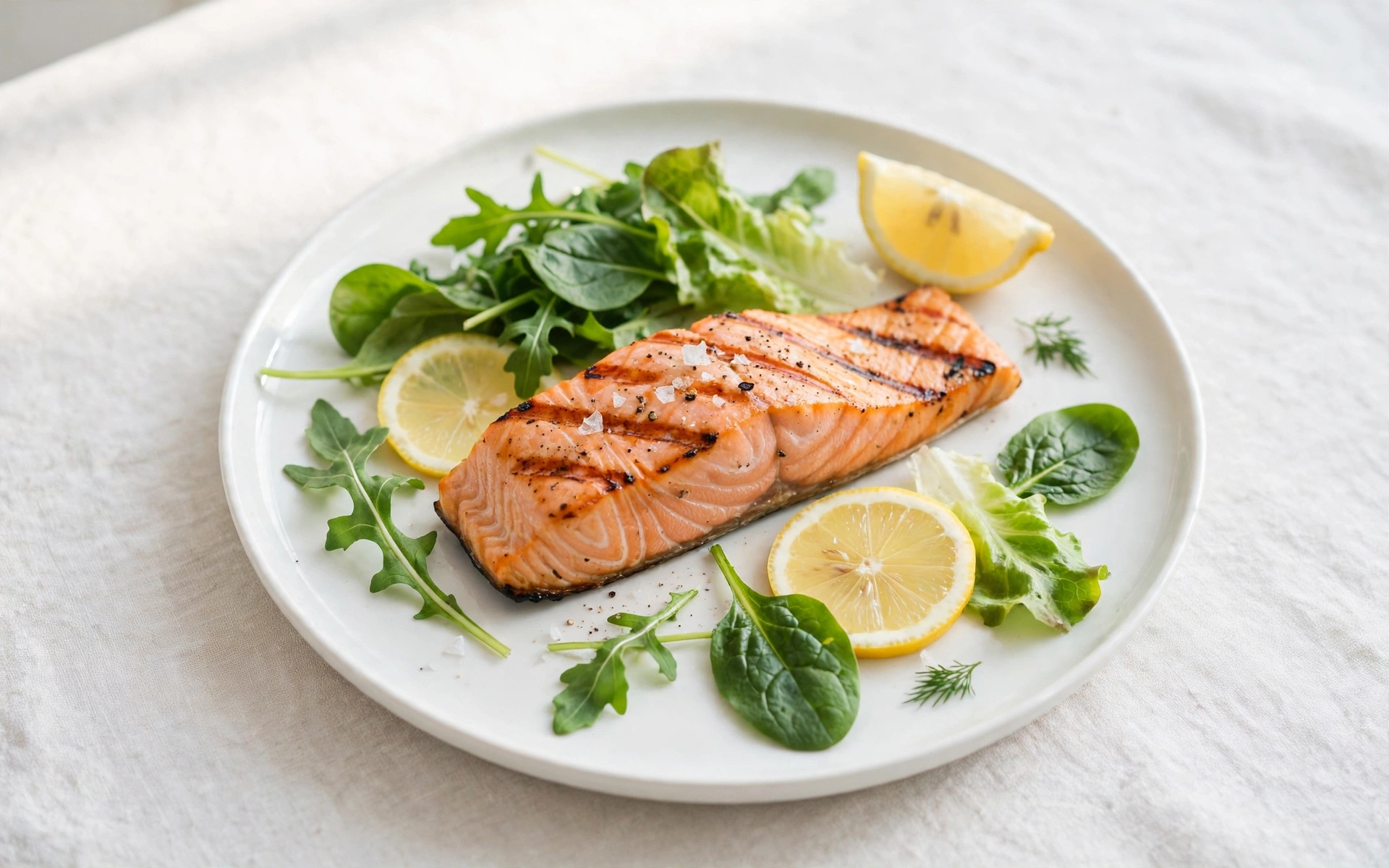
How to build an eye-friendly plate
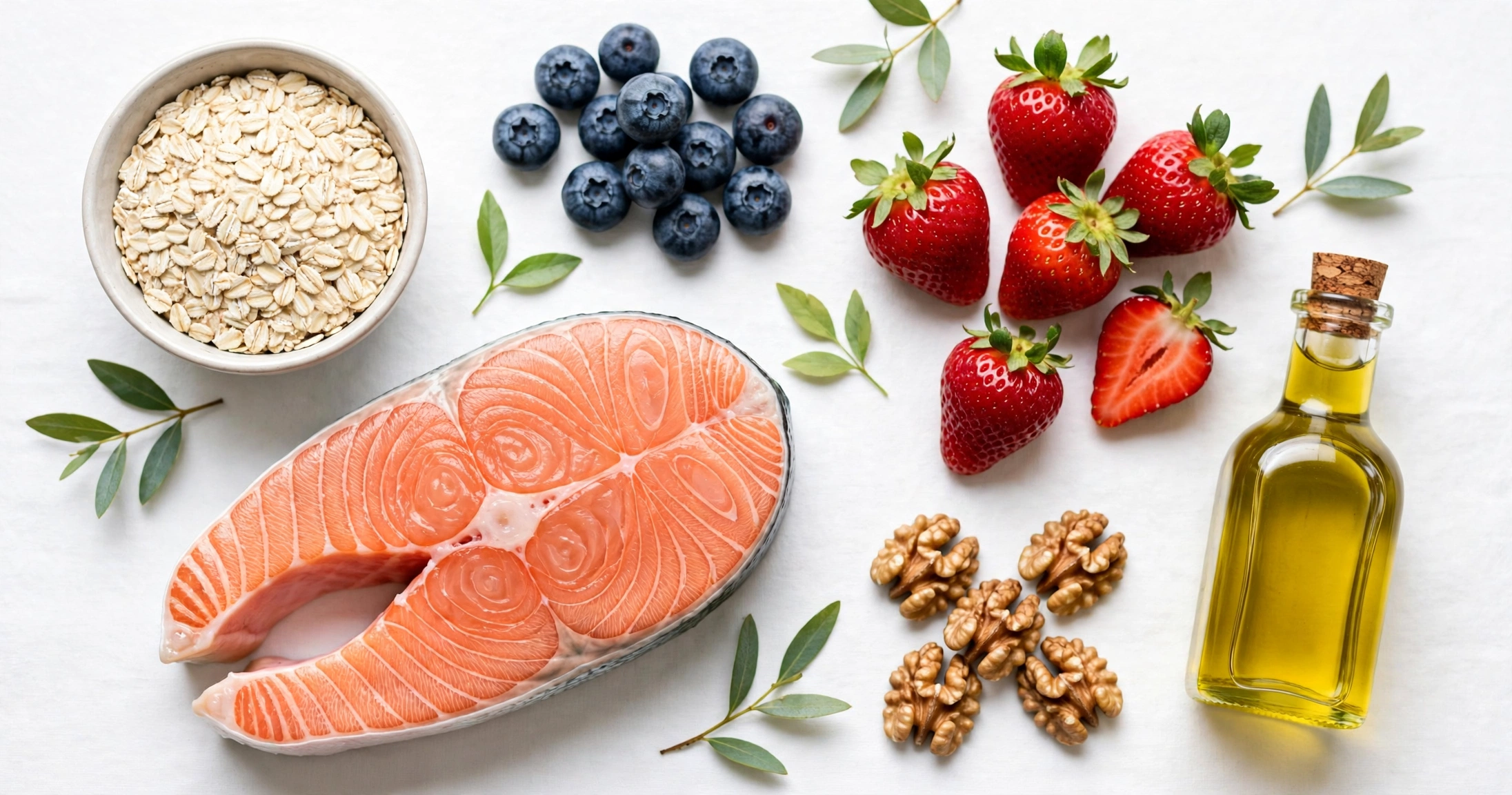
You do not need a special diet — just a plate that regularly includes a few of the foods above. A simple formula works: half the plate vegetables and fruit (with at least one dark green leafy vegetable most days), a quarter protein (including oily fish twice a week), and a quarter whole grains or starchy vegetables such as sweet potato. Add a small handful of nuts or seeds, and finish with a piece of citrus fruit or berries for vitamin C.
That pattern covers lutein, vitamin A, omega-3, vitamin C, vitamin E and zinc in one meal, without counting or weighing anything. Cook leafy greens briefly — steaming or a quick sauté — and add a little healthy fat, such as olive oil, because lutein and beta-carotene are absorbed better with fat in the meal.
A sample eye-friendly day
- Breakfast: oatmeal topped with ground flaxseed, berries and a sliced orange.
- Lunch: spinach and egg salad with red pepper strips, chickpeas and a wholegrain roll.
- Snack: a small handful of almonds and a carrot.
- Dinner: baked salmon, roasted sweet potato wedges and steamed kale with a drizzle of olive oil.
Key takeaways
Key takeaways: Leafy greens, oily fish, eggs, citrus fruit, nuts, seeds and orange vegetables give your eyes the lutein, vitamin A, omega-3, vitamin C and zinc they need every day. No single food does the job alone — variety is what counts. Pair an eye-friendly plate with screen breaks, sunglasses and regular eye exams, and remember that food supports eye health but never replaces professional eye care.
Frequently Asked Questions
What is the single best food for eye health?
There is no single best food, because different nutrients protect different parts of the eye. Leafy greens such as spinach and kale are often ranked first because they are the richest common source of lutein and zeaxanthin, the pigments concentrated in the macula. The strongest approach is variety: greens most days, oily fish twice a week, and eggs, citrus fruit and nuts regularly.
Can foods improve my eyesight?
Food cannot fix refractive errors such as short-sightedness, and it cannot restore vision lost to disease. What a good diet can do is supply the nutrients the retina, macula and tear film need to work normally, and support long-term eye health as part of an overall healthy lifestyle. Think of it as maintenance, not repair — and keep up with regular eye exams.
Are carrots really good for your eyes?
Yes, genuinely — but not in the way the old stories suggest. Carrots are rich in beta-carotene, which the body turns into vitamin A, and vitamin A is needed for the retina to respond to light, including in dim conditions. Eating carrots will not give you superhuman night vision, but a diet short on vitamin A can make low-light vision worse, so carrots earn their place.
How much omega-3 do my eyes need?
There is no eye-specific omega-3 target; the general guidance is to eat oily fish about twice a week, which supplies DHA and EPA for the retina and the tear film. If you rarely eat fish, walnuts, ground flaxseed and chia seeds provide plant omega-3 (ALA), though the body converts only part of it into DHA. A varied diet plus the twice-a-week fish habit covers most people well.
Do lutein supplements work as well as food?
Supplements can raise blood levels of lutein, and they are sometimes recommended for people who cannot get enough from food, but food remains the better first step for most people. Leafy greens, eggs and peppers supply lutein alongside other nutrients, fibre and the fat that helps absorb it. If you are considering a supplement, especially if you have an eye condition, talk to your doctor or eye care professional first.
What foods should I limit for eye health?
There is no single food to ban, but diets very high in added sugar, refined starches, fried foods and heavily processed snacks make it harder to keep blood sugar and blood pressure steady — and the small blood vessels in the retina suffer over time when those stay high. You do not need perfection; simply making eye-friendly foods the everyday default, and treats the exception, is the pattern that helps most.



Comments (0)
No comments yet. Be the first to share your thoughts!
Leave a comment