
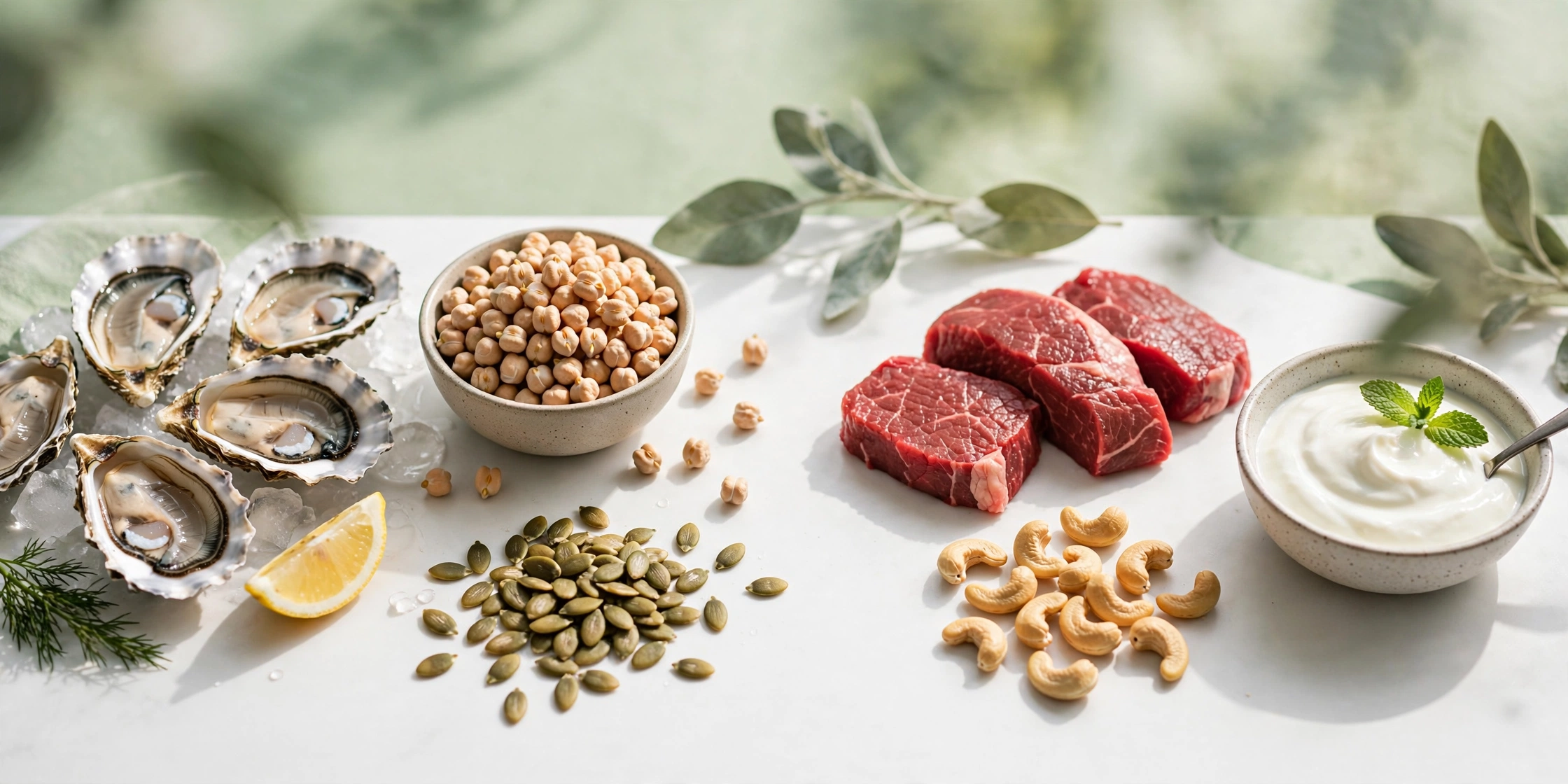
Zinc is an essential mineral your body needs in small amounts every day for immune function, wound healing, protein and DNA synthesis, and your senses of taste and smell. Most people get enough from meat, seafood, legumes, nuts and seeds, but vegetarians, older adults and people with digestive conditions are more prone to zinc deficiency.
What Is Zinc and Why Does It Matter?
Zinc is a trace mineral, which means your body only needs tiny amounts of it — but those amounts are non-negotiable. Unlike some vitamins, zinc is not stored in large reserves in the body, so you need a steady supply from your diet. It participates in more than 300 enzyme reactions: it helps immune cells develop and function, supports the building of proteins and DNA, keeps skin healthy, and is essential for normal taste and smell. Even mild, long-term shortfalls are among the most common nutrient gaps worldwide, which is why zinc deserves a place in any balanced eating plan.
Key Health Benefits of Zinc
Immune system support
Zinc is involved in the development and communication of immune cells, and the body uses up more of it during infections. Research suggests that zinc lozenges, started within a day of cold symptoms, may slightly shorten how long a cold lasts — but the evidence is mixed, and no single nutrient can prevent colds on its own. A consistently adequate intake is far more useful than a mega-dose at the first sniffle.
Wound healing
Zinc plays a role in cell growth, collagen formation and the inflammatory response, all of which matter when skin is damaged. People with slow-healing wounds are often checked for low zinc status, and hospitals pay attention to zinc intake in recovery nutrition.
Protein and DNA synthesis
Because zinc is required to build proteins and copy DNA, it is especially important during periods of growth — childhood, adolescence and pregnancy. Understanding protein's role in the diet makes it clear why the mineral that helps build protein matters too.
Taste and smell
A zinc-dependent enzyme called carbonic anhydrase is involved in taste bud function. When zinc runs low, food can taste bland and familiar smells may seem weaker — one of the more distinctive, if under-recognized, signs of deficiency.
Skin health
Zinc has anti-inflammatory and oil-regulating properties that help keep skin clear. Some people notice improvements in persistent acne or rashes once a genuine deficiency is corrected — though zinc is not a cure-all for skin conditions, and stubborn problems deserve a dermatologist's input.
Signs of Zinc Deficiency
Deficiency rarely announces itself with one dramatic symptom. Instead, look for a pattern:
- Catching colds and minor infections more often than usual
- Cuts, scrapes or pimples that take a long time to heal
- Noticeable hair shedding or thinning
- Food tasting flat, or a weakened sense of smell
- Skin problems such as rashes, dry patches or stubborn acne
- Reduced appetite or unexplained weight loss
All of these signs are non-specific — stress, other nutrient shortfalls and illness can cause the same picture. If several of them apply to you, review your diet first and talk to a clinician before reaching for supplements.
Who Is Most at Risk of Deficiency?
- Vegetarians and vegans: plant foods contain phytates, natural compounds that bind zinc in the gut and reduce how much is absorbed. A varied plant-based diet can still provide enough, but it takes more planning.
- Older adults: appetite and food intake tend to shrink with age, and absorption becomes less efficient. Older adults are also more likely to run low on other nutrients, such as vitamin D.
- People with digestive conditions: Crohn's disease, ulcerative colitis and chronic diarrhoea can all reduce zinc absorption or increase losses.
- Pregnant and breastfeeding women: zinc needs rise to support the baby's growth, so requirements are higher than usual.
- Heavy alcohol drinkers: alcohol impairs absorption and increases zinc loss through urine.
Best Food Sources of Zinc
Animal foods deliver the most absorbable zinc, but plant foods make a real contribution — especially when prepared well. Here are the standouts:
- Oysters — by far the richest source per serving; a small portion covers several days' worth
- Red meat — beef, lamb and mutton are excellent sources
- Poultry — chicken and turkey, with dark meat containing more than breast
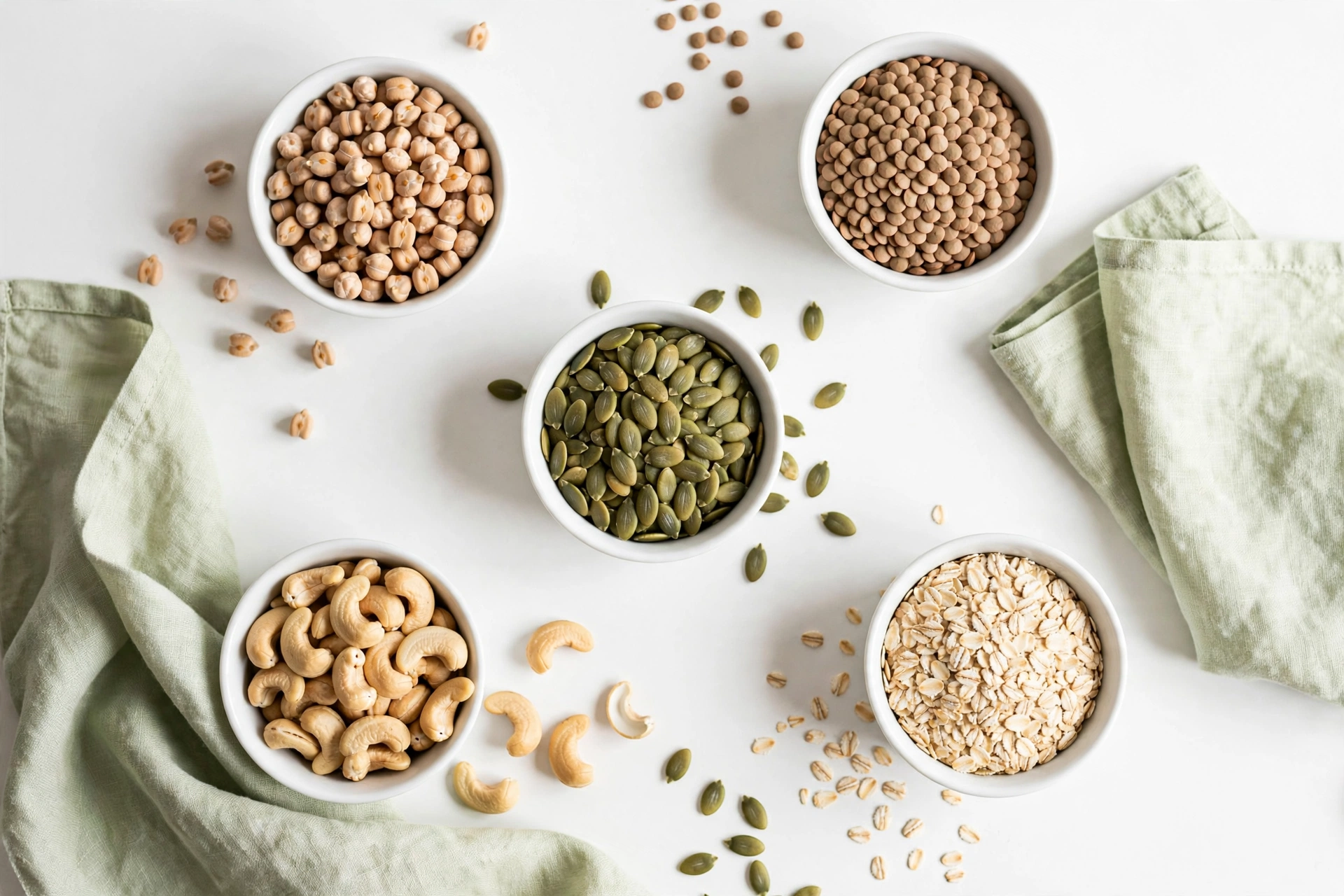
- Chickpeas — a staple legume that pairs well with grains; chana and hummus count
- Lentils — daal is one of the most affordable zinc sources in South Asian cooking
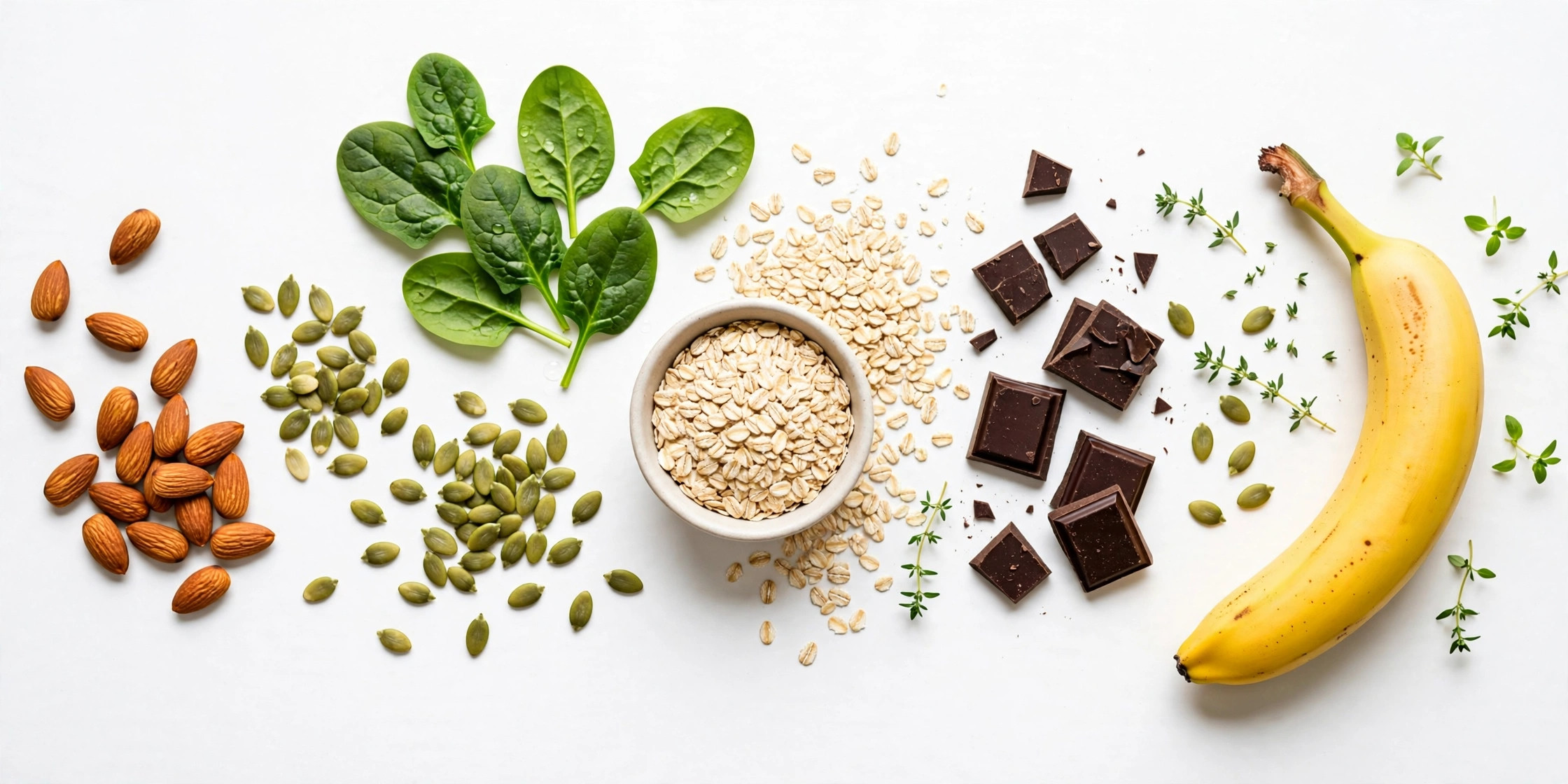
- Pumpkin seeds — a small handful is a convenient daily snack
- Cashews — good zinc content among tree nuts
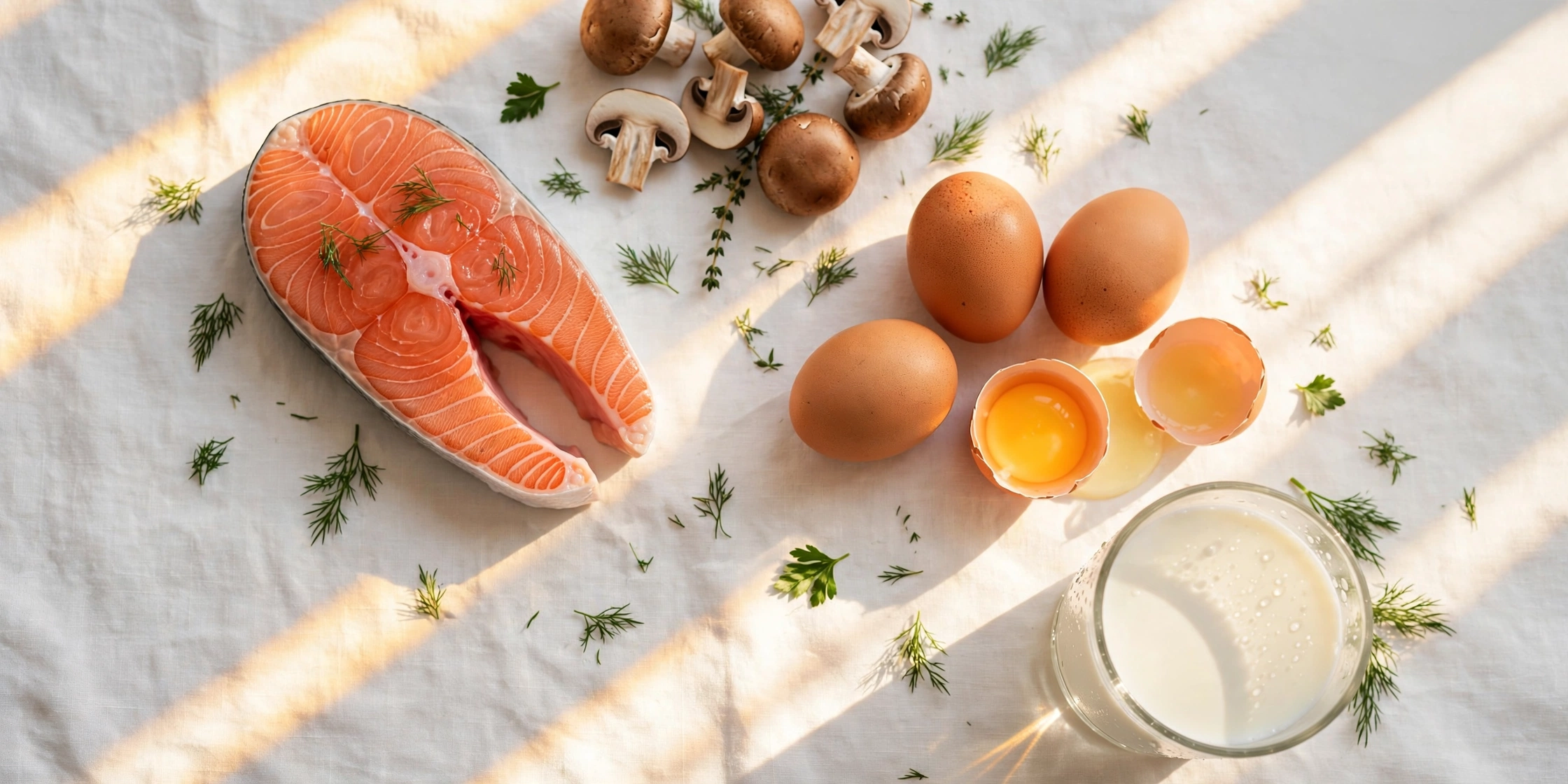
- Yogurt and dairy — dahi and milk contribute modest but steady amounts
- Eggs — a useful everyday source, especially at breakfast
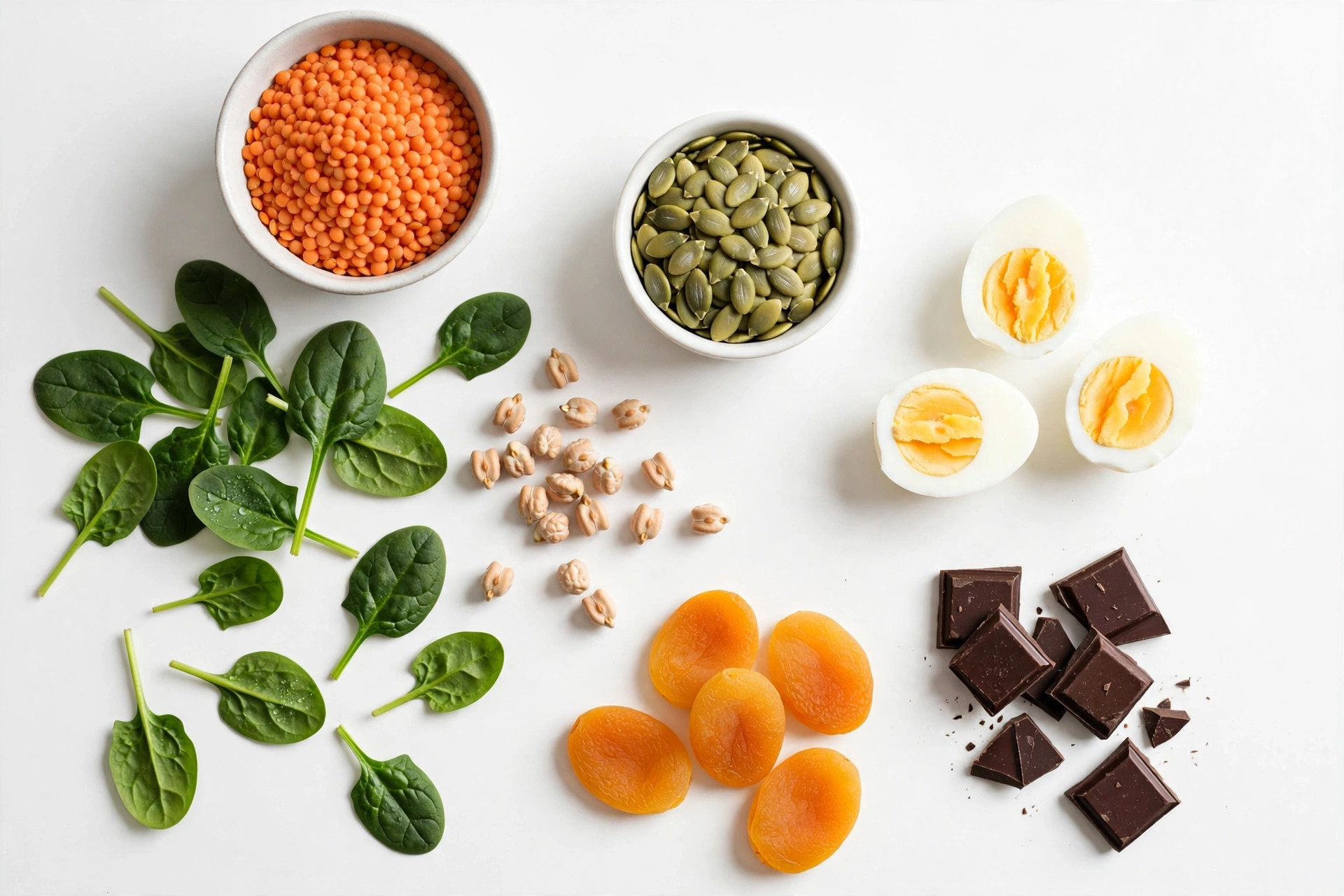
Pairing these with iron-rich foods in the same meal plan often improves overall mineral intake, since the two nutrients appear together in many of the same foods.
How to Absorb More Zinc From Your Food
Eating zinc-rich foods is only half the story — your body has to absorb the zinc. These habits help:
- Soak, sprout or ferment legumes and grains. These traditional techniques break down phytates, freeing up more zinc (and iron) for absorption.
- Pair plant sources with a little animal protein. Even a small amount of meat, fish, egg or dairy eaten with beans or lentils noticeably improves zinc uptake from the plant food.
- Keep tea and coffee away from meals. Their tannins can bind minerals; enjoy them between meals instead.
- Don't overdo raw bran at every meal if zinc is a concern — very high-fibre meals can slightly reduce mineral absorption.
- Track your intake. A nutrition tracker shows whether your typical days actually reach your zinc target.
Should You Take a Zinc Supplement?
Food should come first, but supplements have their place when a clinician has identified a real deficiency or a restricted diet makes food sources difficult. The common forms — zinc picolinate, zinc gluconate and zinc citrate — differ only modestly in absorption, so the dose matters more than the form. Take zinc with food to avoid nausea, and avoid taking it at the same time as iron or calcium supplements, which compete for absorption.
The important caution: the tolerable upper limit is 40 mg per day for adults, and chronic high doses can cause copper deficiency, nausea and weakened immunity — the opposite of what most people take zinc for. Stay near the RDA of 11 mg for men and 8 mg for women unless a clinician advises otherwise.
Key takeaways
- Zinc is essential for immunity, wound healing, growth, and your senses of taste and smell
- Deficiency signs include frequent infections, slow healing, hair loss, dulled taste or smell, and skin problems
- Best sources: oysters, red meat, poultry, chickpeas, lentils, pumpkin seeds, cashews, yogurt and eggs
- Soaking or sprouting legumes and pairing them with protein improves zinc absorption
- Stay near the RDA — chronic high doses can lower copper levels



Comments (0)
No comments yet. Be the first to share your thoughts!
Leave a comment