
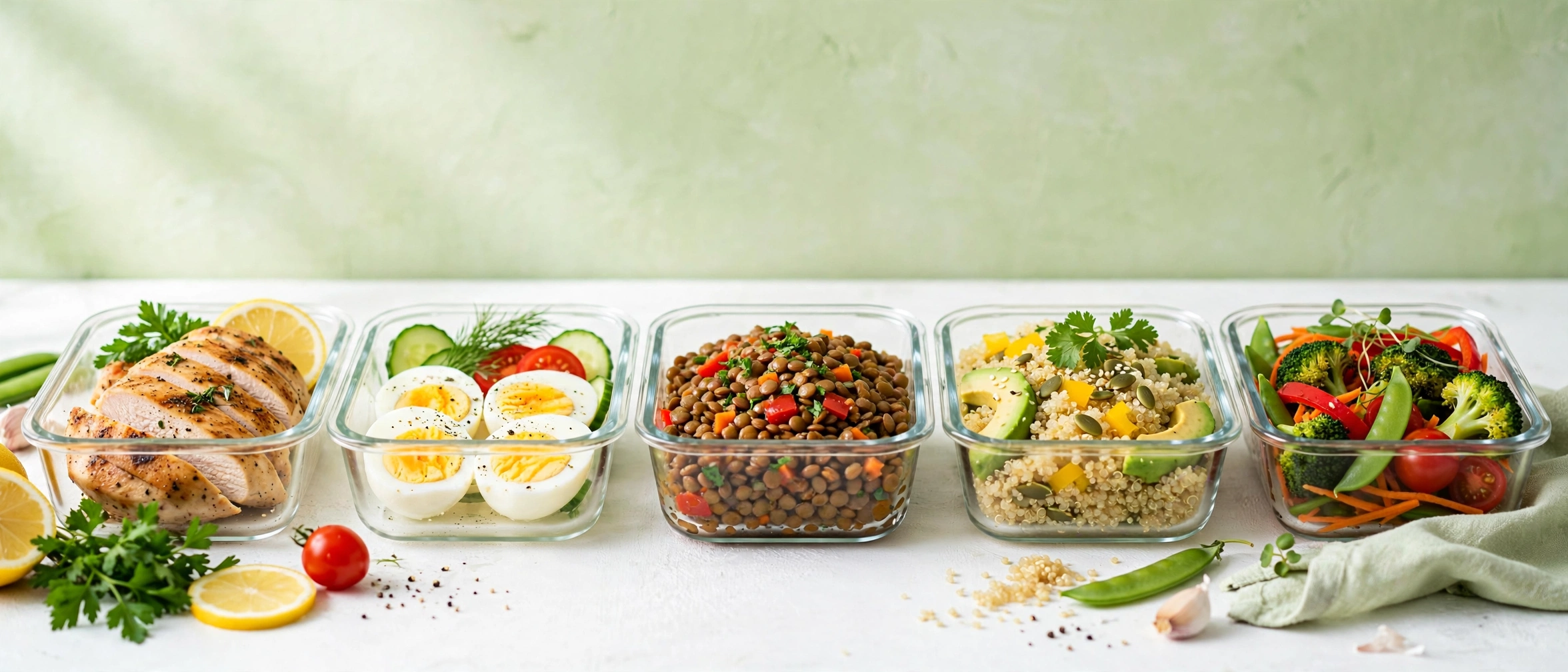
A beginner high-protein meal plan spreads 25–40 grams of protein across 3–4 meals every day. Active adults generally aim for roughly 1.6–2.2 grams of protein per kilogram of body weight per day. This 7-day guide gives you simple breakfasts, lunches, dinners, and snacks — plus a grocery list, meal-prep tips, and vegetarian swaps — so you can start eating more protein this week.
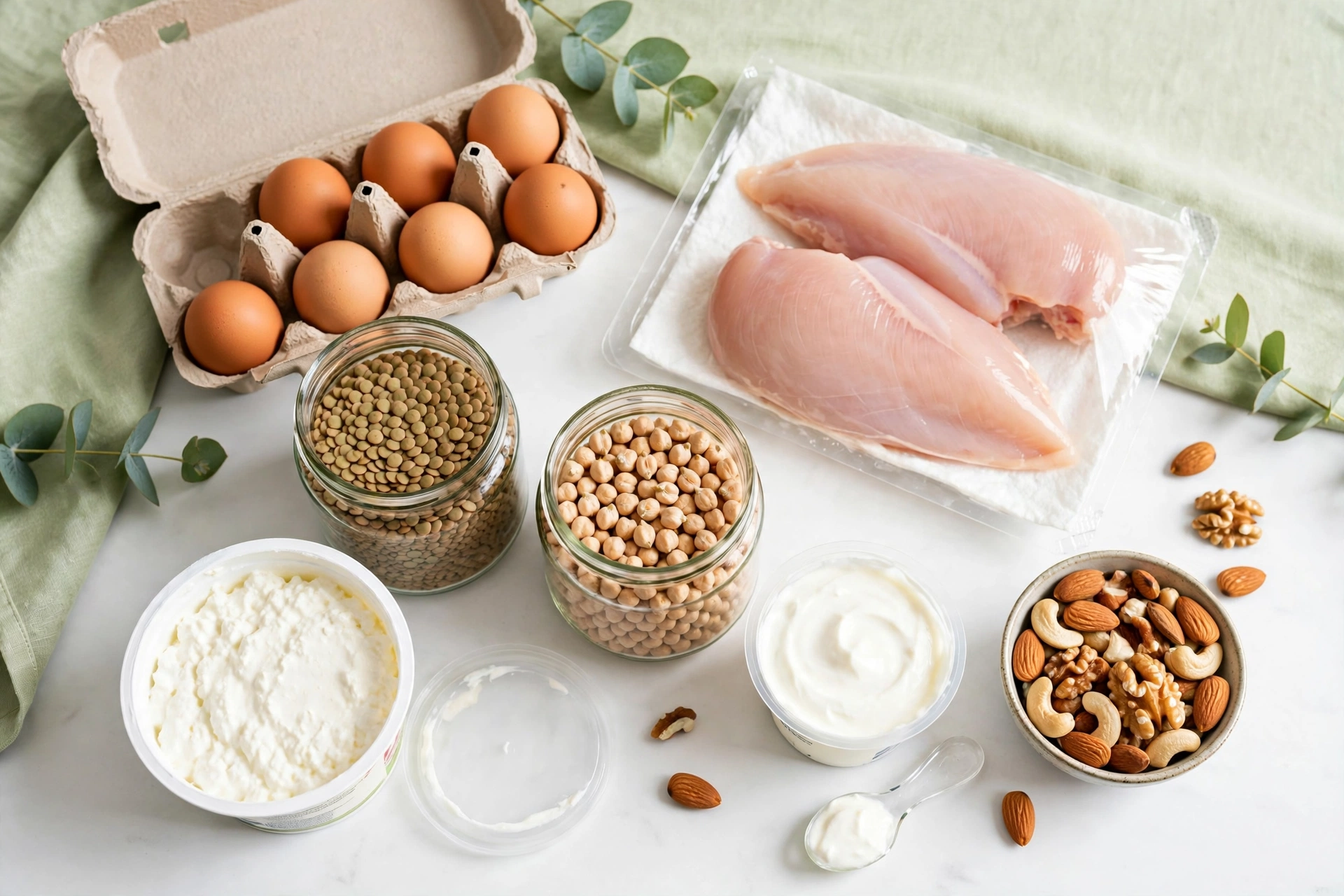
Why Protein Matters for Beginners
Protein is the nutrient that does the most work behind the scenes. It keeps you full longer than carbs or fat, helps your body maintain muscle while you lose fat, and supports recovery after exercise. That is why high-protein eaters often say they finally stopped feeling hungry all the time.
For beginners, this matters even more. A smarter first step is to raise protein first and let the rest adjust naturally. If you are also working toward fat loss, pair this plan with a sensible calorie target — our guide to how much protein to eat for fat loss explains how to calculate yours, and you can check whether you are in a safe range with our article on safe calorie deficits.
How Much Protein Should You Aim For?
You do not need to obsess over grams, but having a target helps. Here is the general guidance dietitians and sports-nutrition bodies commonly recommend:
- Active adults: roughly 1.6–2.2 grams of protein per kilogram of body weight per day. For a 70 kg person, that is about 110–155 grams daily.
- Per meal: about 25–40 grams across 3–4 meals. This range stimulates muscle protein synthesis effectively for most people.
- Less active or starting out: even reaching 1.2–1.6 g/kg/day is a big improvement over the typical diet.
These are general ranges, not medical advice — needs vary, so adjust or talk to a professional if unsure. Want a primer on how protein fits with the other macros? Read our Macros 101 beginner's guide. And if numbers feel overwhelming, you can estimate your daily needs with our free BMR & TDEE calculator and track intake with the food tracker.
The 7-Day High-Protein Meal Plan
Each day below adds up to roughly 110–140 grams of protein. Protein grams are rounded estimates — treat them as guides.
Day 1 — Start simple
- Breakfast (~30 g): Greek yogurt (200 g) with oats and a handful of berries
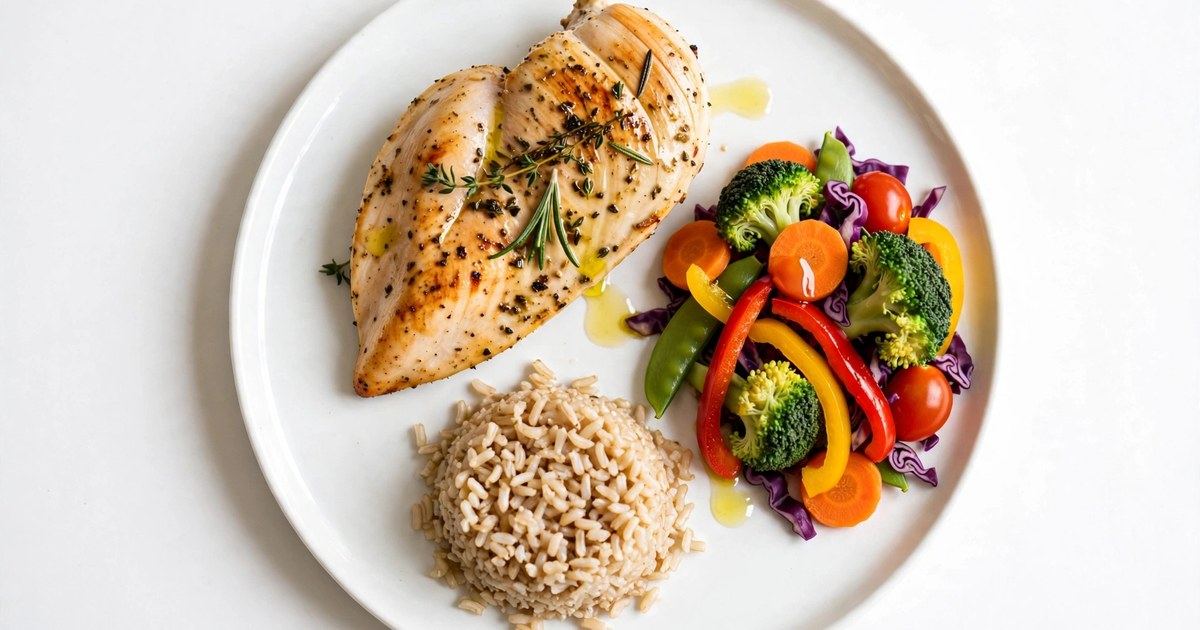
- Lunch (~35 g): Grilled chicken breast (150 g) with brown rice and mixed vegetables
- Snack (~15 g): A boiled egg and a small handful of almonds
- Dinner (~30 g): Lentil and vegetable soup with a side of cottage cheese
Day 2 — Eggs and fish
- Breakfast (~25 g): 3-egg omelet with spinach, tomato, and whole-grain toast
- Lunch (~30 g): Tuna salad sandwich on whole-grain bread with cucumber
- Snack (~15 g): Greek yogurt (150 g) with a drizzle of honey
- Dinner (~35 g): Baked fish (150 g) with sweet potato and steamed broccoli
Day 3 — Vegetarian-friendly
- Breakfast (~25 g): Paneer bhurji with two whole-wheat rotis
- Lunch (~30 g): Chickpea and quinoa bowl with tahini dressing
- Snack (~15 g): Roasted chickpeas with a glass of milk
- Dinner (~30 g): Red lentil dal with brown rice and a boiled egg on the side
Day 4 — Meal-prep day
- Breakfast (~30 g): Overnight oats made with milk, whey or soy milk, and peanut butter
- Lunch (~35 g): Chicken and vegetable stir-fry with rice (from your prep)
- Snack (~15 g): Cottage cheese with sliced apple
- Dinner (~30 g): Turkey or chicken meatballs with whole-grain pasta and tomato sauce
Day 5 — Bowls and wraps
- Breakfast (~25 g): Smoothie with milk, banana, oats, and peanut butter
- Lunch (~35 g): Beef or chicken shawarma wrap with salad and yogurt sauce
- Snack (~15 g): A handful of mixed nuts and a boiled egg
- Dinner (~30 g): Grilled tofu or paneer tikka with brown rice and salad
Day 6 — Weekend simple
- Breakfast (~25 g): Scrambled eggs (3) on whole-grain toast with avocado
- Lunch (~30 g): Leftover chicken and vegetable soup with a cheese sandwich
- Snack (~15 g): Edamame or roasted lentils with lemon
- Dinner (~35 g): Grilled salmon or chicken thighs with roasted vegetables and rice
Day 7 — Finish strong
- Breakfast (~30 g): Cottage cheese pancakes with berries
- Lunch (~35 g): Big mixed salad with chicken, chickpeas, feta, and olive oil
- Snack (~15 g): Greek yogurt with walnuts
- Dinner (~30 g): Vegetable and lentil curry with brown rice and raita
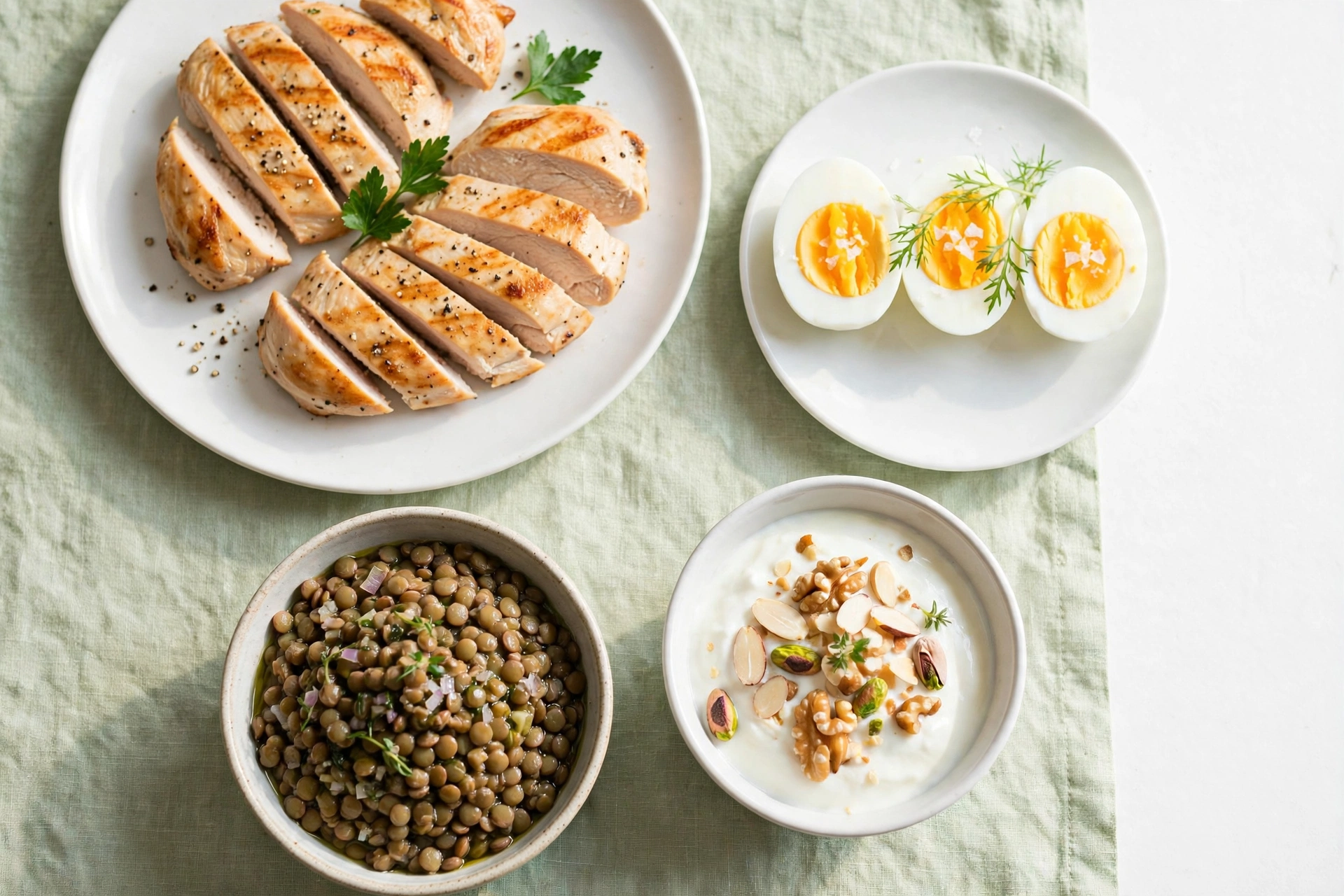
Your Simple Grocery List
Buy these once and you are set for most of the week — quantities below serve one person for 7 days.
Proteins
- Chicken breast or thighs (about 1 kg)
- Eggs (1–2 dozen)
- Greek yogurt (1 kg tub)
- Cottage cheese (500 g)
- Lentils — red and brown (1 kg total)
- Chickpeas (500 g dry or 3 cans)
- Paneer or tofu (400 g)
- Fish of choice (400 g)
- Milk (2 liters)
Carbs, fats, and extras
- Brown rice, oats, quinoa
- Whole-grain bread, wraps, pasta
- Nuts and peanut butter, olive oil
- Vegetables: spinach, broccoli, carrots, tomatoes, cucumber, sweet potato
- Fruit: bananas, berries, apples
- Spices, salt, lemon, garlic
Meal-Prep Tips for the Week
Two hours on Sunday saves you from ten rushed decisions during the week. For a full beginner walkthrough, see our meal-prep-for-beginners guide. The short version:
- Cook proteins in bulk: grill a tray of chicken, boil a dozen eggs, cook a big pot of lentils.
- Prep carbs once: cook rice or quinoa in a large batch; store in the fridge for 3–4 days.
- Wash and chop vegetables ahead so salads and stir-fries take minutes.
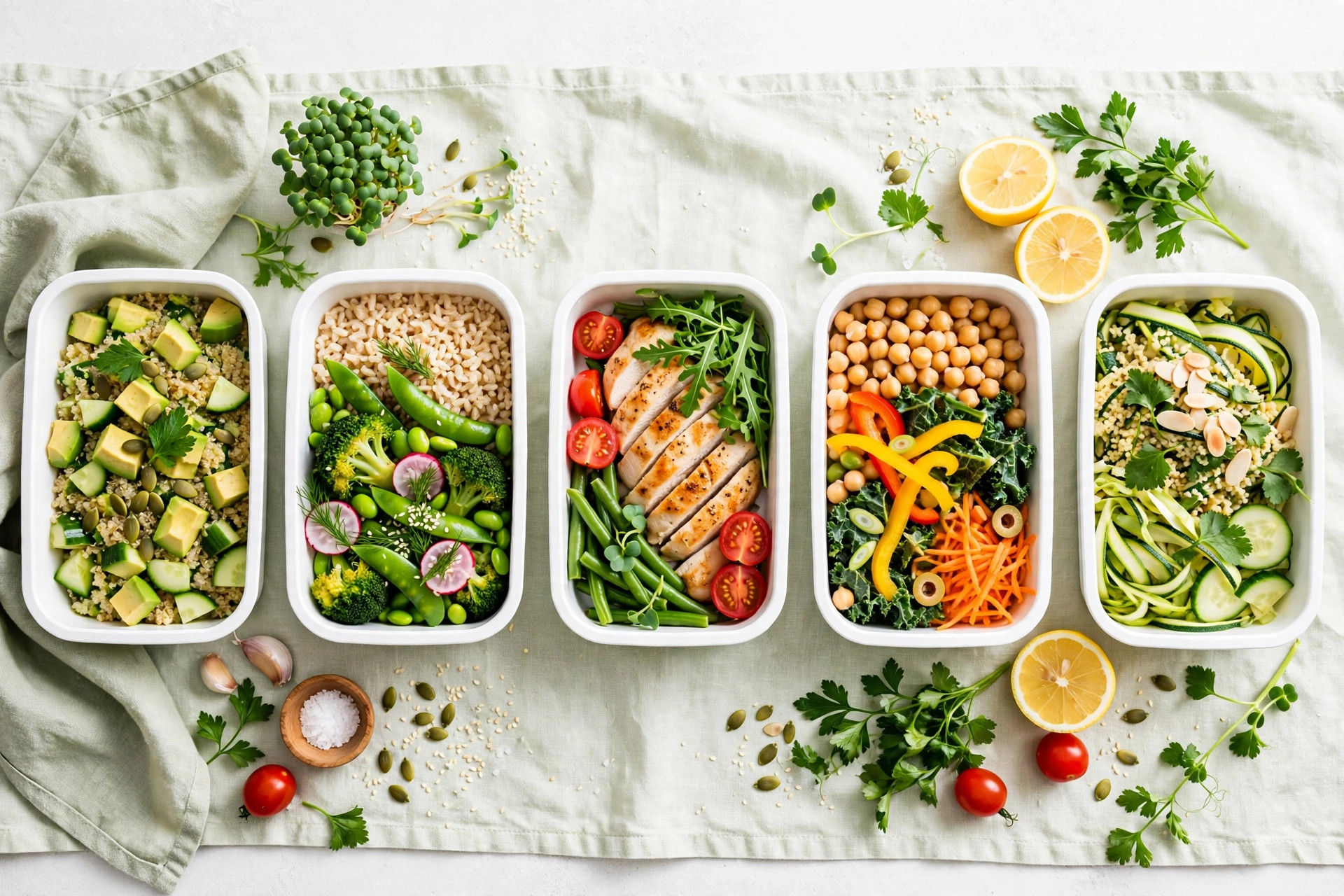
- Portion into containers: lunch boxes with protein + carb + veg make the plan automatic.
- Keep snacks ready: boiled eggs, yogurt cups, and roasted chickpeas beat vending-machine raids.
Eating High Protein on a Budget
The cheapest protein sources are also the healthiest staples:
- Eggs and lentils give you the most protein per dollar of almost any food.
- Buy whole chicken or thighs instead of premium cuts like breast fillets.
- Frozen fish and vegetables are just as nutritious and far cheaper.
- Cottage cheese and milk cost little and work in breakfasts, snacks, and dinners.
- Skip protein bars and powders at first — whole foods cover your targets at this stage.
Vegetarian Protein Swaps
You do not need meat to hit high-protein targets. Swap any meat meal above with one of these equivalents:
- Paneer (100 g): ~18 g protein — works in curries, bhurji, and tikka.
- Lentils (1 cup cooked): ~18 g — dal, soups, and salads.
- Chickpeas (1 cup cooked): ~15 g — curries, hummus, roasted snacks.
- Greek yogurt (200 g): ~20 g — breakfasts, raita, smoothies.
- Eggs (2 large): ~12 g — any meal of the day.
- Tofu (100 g): ~8–10 g — stir-fries, curries, grilling.
What to Drink (and What to Skip)
Drinks can quietly add hundreds of calories with no protein and no fullness:
- Drink freely: water, sparkling water, unsweetened tea and coffee, and milk (counts toward protein).
- Skip or limit: sugary sodas, sweetened juices, energy drinks, and fancy coffee drinks — these add sugar with zero satiety.
- Smoothies: fine as a meal when built on milk or yogurt with oats and fruit, not as a side drink.
Make It Yours: Customizing the Plan
This plan is a template. Keep the protein structure and swap freely: chicken for fish, rice for quinoa, any lunch for another day's lunch. Hate breakfast? Move those calories into a bigger lunch and an evening snack — daily protein total matters more than timing. Struggling with portions? Our guide on portion control without counting calories teaches hand-based sizing, and you can log meals in our meal log until you can eyeball it. If you want to go deeper on food values, explore the full nutrition database for protein content of thousands of foods.
Key takeaways
- Aim for roughly 25–40 g of protein per meal across 3–4 meals, totaling about 1.6–2.2 g/kg/day for active people.
- Build each plate around a protein source first, then add carbs, vegetables, and healthy fats.
- Cheapest protein wins: eggs, lentils, milk, and cottage cheese cover most targets affordably.
- Meal prep one batch of protein, carbs, and chopped vegetables each week to make the plan effortless.
- Skip sugary drinks — they add calories with no protein and no fullness.
- Vegetarian? Paneer, lentils, chickpeas, Greek yogurt, eggs, and tofu get you to the same targets.
- Adjust the template freely — consistency beats perfection every time.
Comments (0)
No comments yet. Be the first to share your thoughts!
Leave a comment