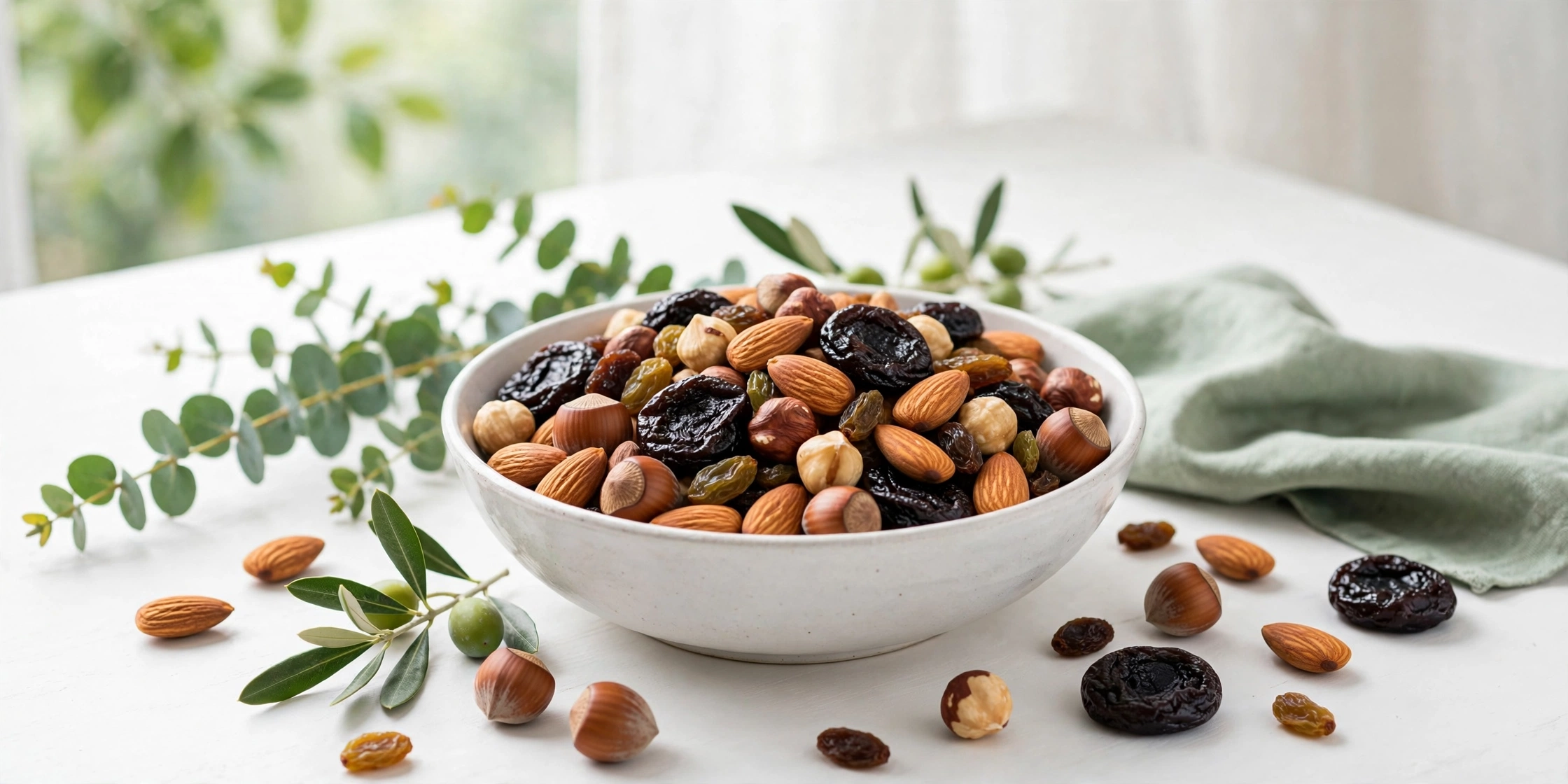
Boron is a trace mineral the body needs in very small amounts. It helps bones stay strong, supports hormone balance, and helps the body use calcium, magnesium, and vitamin D. You get it from plant foods such as nuts, dried fruit, beans, and fruit — and most people who eat a varied diet get enough without a supplement.
 What is boron?
Boron is a naturally occurring element found in soil, water, and plants. Plants take it up from the soil, so plant foods are by far the richest source, while animal foods contain very little. Your body does not make boron, so you rely on food and drink to get it.
Boron is classed as a trace mineral, which means you need only tiny amounts — but that does not mean it is unimportant. The evidence so far points to a supporting role: boron helps your body use other nutrients well, especially those involved in bone health. The amount in a food varies with the soil where it was grown, so a diet rich in fruit, vegetables, nuts, and legumes is usually a diet rich in boron.
How boron supports your health
Boron is not a cure for any disease. The research suggests it supports several everyday processes, mainly by helping your body handle other nutrients more effectively.
Bone health
This is the best-studied area. Boron appears to help the body use calcium, magnesium, and vitamin D — three nutrients central to keeping bones strong. Some studies found that people with low boron intake handle calcium and magnesium less well. That is promising, but not proof that boron supplements prevent fractures. Strong bones still depend most on a good diet, enough calcium and vitamin D, weight-bearing exercise, and not smoking. See our guide to the best foods for bone health.
Hormone balance
Boron has been linked to how the body handles sex hormones, including oestrogen and testosterone. Small, short studies reported higher hormone levels after supplementation, but they were not designed to prove a lasting benefit. Hormone balance depends on sleep, stress, body weight, and overall diet far more than on any one mineral.
Brain function
A few small studies have looked at boron and brain performance, including attention, memory, and hand-eye coordination. People with very low intake performed slightly worse on some tasks, and improved when intake increased.
Inflammation
Some research suggests boron may help moderate inflammation, but the evidence is early and mostly from small or laboratory studies. Eating plenty of plant foods — the same foods that provide boron — is itself linked with lower inflammation, so boron is best seen as one small part of a healthy eating pattern.
 Signs of low boron intake
True boron deficiency is rare, and there is no well-established set of deficiency symptoms in humans. Unlike iron or vitamin B12 deficiency, low boron has no clear, recognised clinical picture.
That does not mean intake is irrelevant. A diet based almost entirely on highly processed foods provides very little boron — but it is low in many nutrients at once, so it would be wrong to blame boron alone.
If you eat a varied diet with plant foods most days, low boron is unlikely to be a problem. There is no routine blood test for boron that doctors use in everyday practice. If you are worried about your bone health, talk to your doctor about calcium, vitamin D, and a bone-density check.
Best food sources of boron
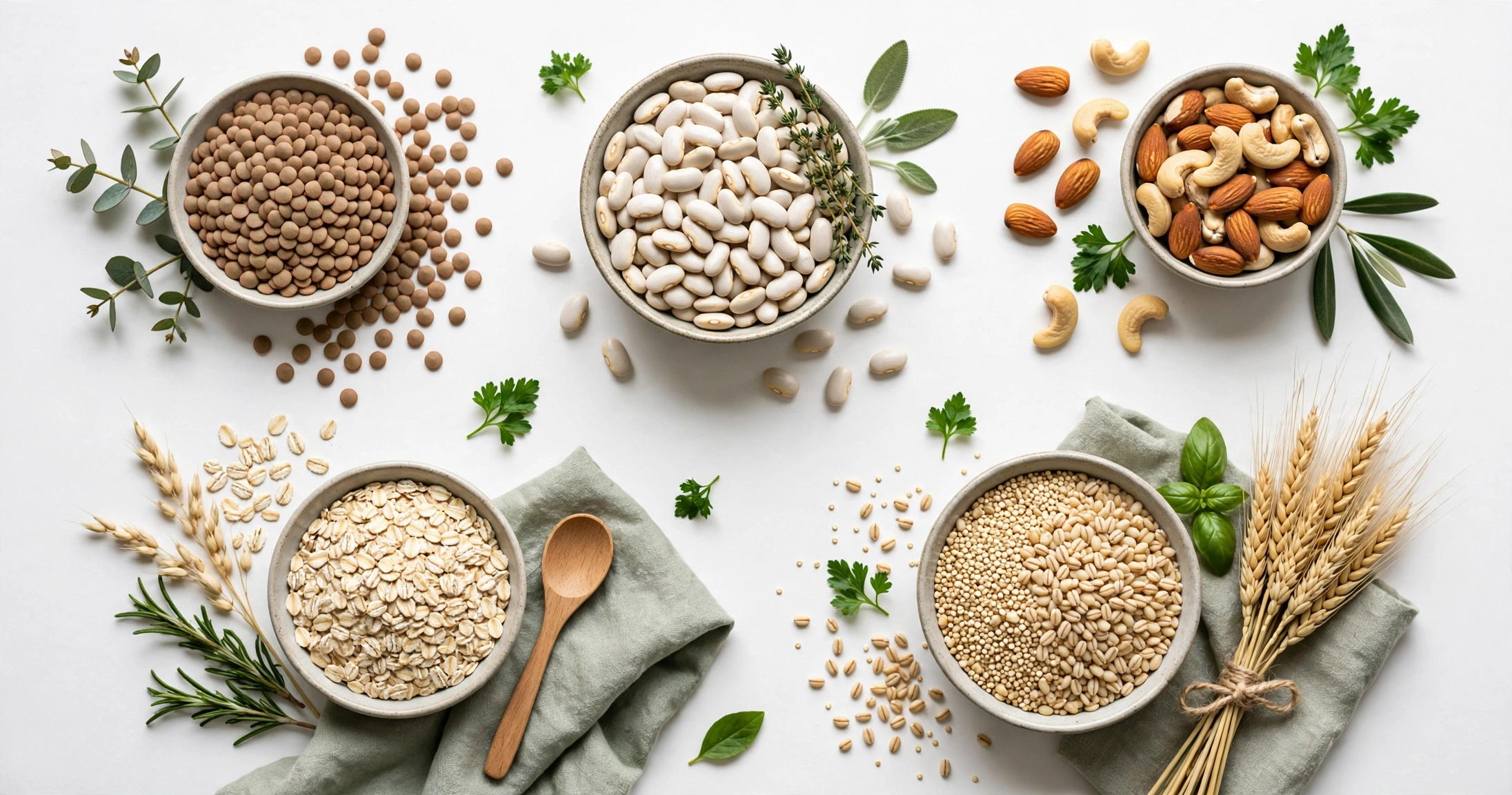
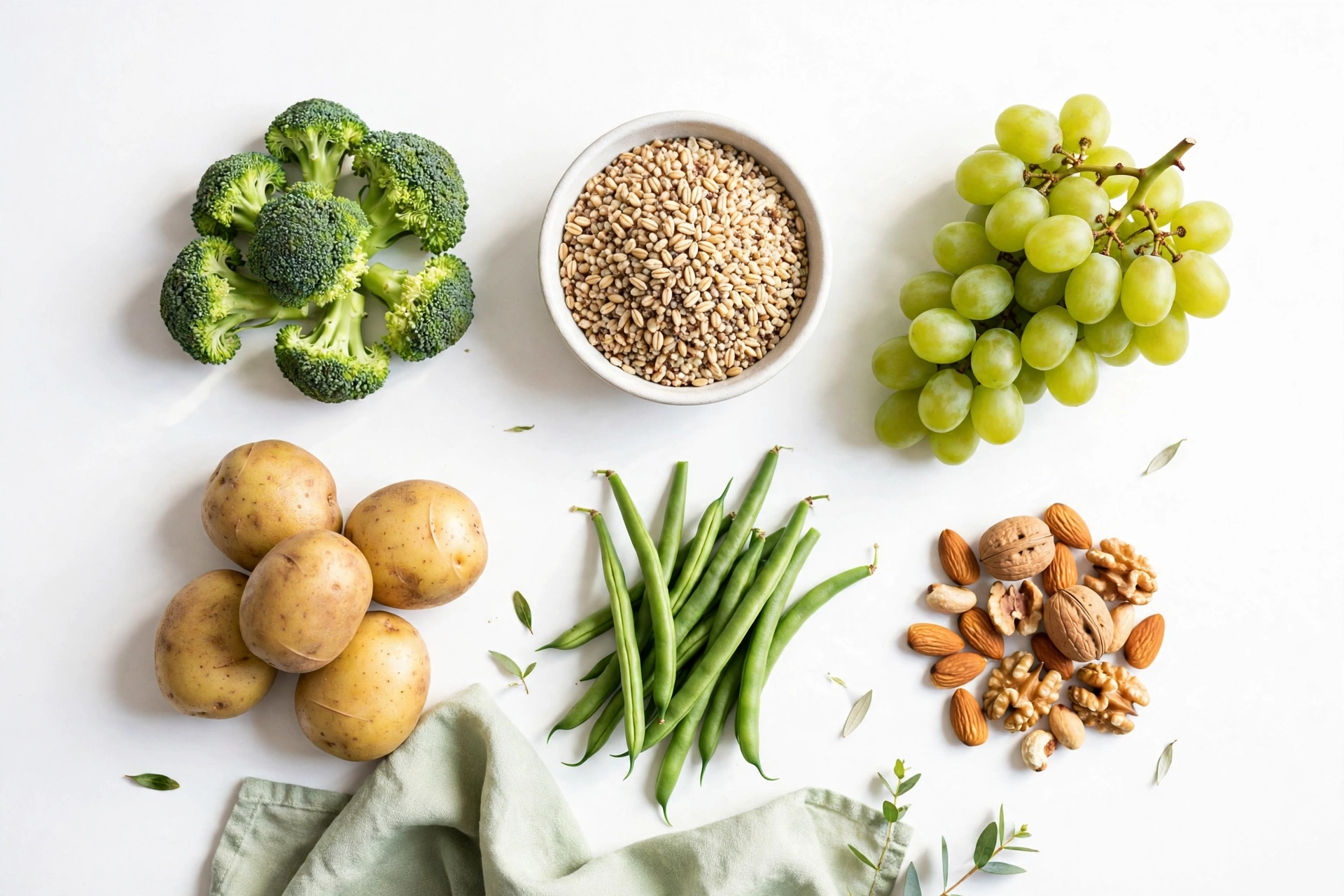
Plant foods provide almost all dietary boron — the richest choices are dried fruit, nuts, legumes, and fresh fruit:
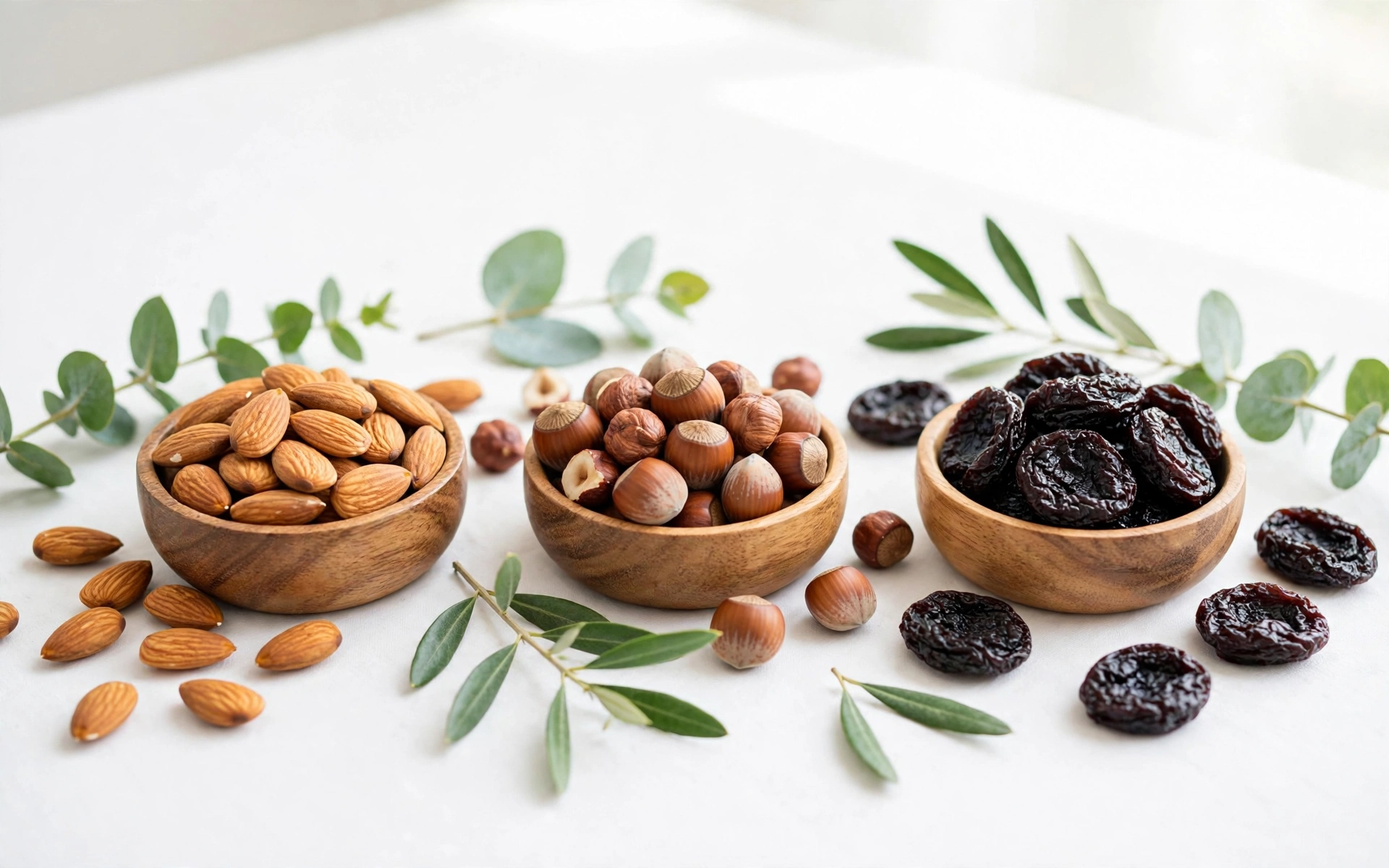
- Raisins and prunes: concentrated, so a small handful provides a useful amount of boron, plus fibre and potassium.
- Almonds and hazelnuts: among the richest sources, also providing healthy fats, magnesium, and vitamin E.
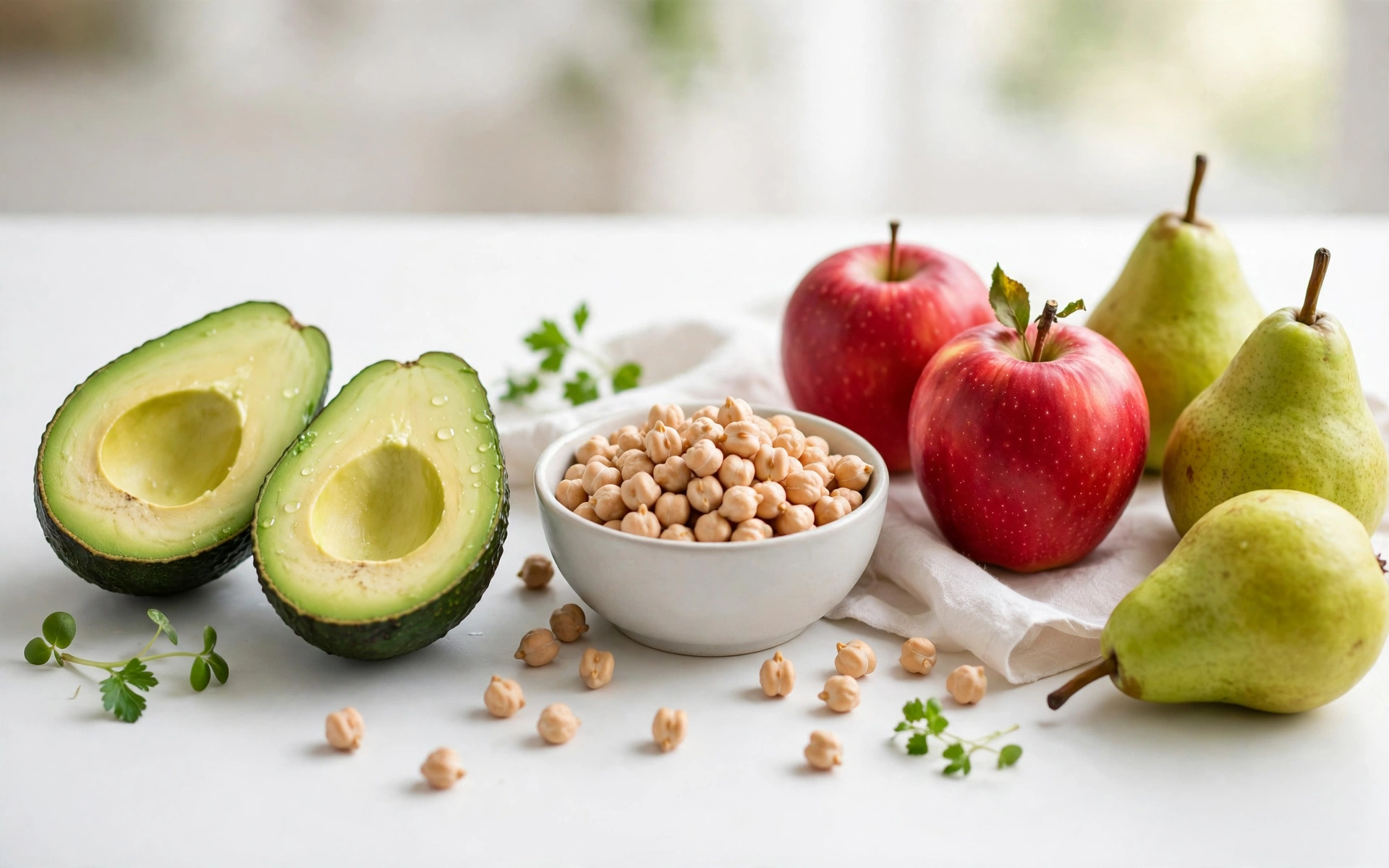
- Avocados: boron plus healthy fats, fibre, and potassium.
- Beans and chickpeas: boron with protein, fibre, and iron — an easy addition to everyday meals.
- Apples and pears: smaller amounts per bite, but eaten regularly it adds up.
- Other good sources: peaches, grapes, dates, walnuts, peanuts, soybeans, and leafy green vegetables.
A handful of nuts as a snack, dried fruit in your porridge, beans in a stew, and an apple in the afternoon will cover boron without any special effort. To check your overall diet, log your meals in the NutriCounter food tracker or explore the foods you eat most often in the nutrition database.
How much boron do you need?
There is no official recommended daily allowance (RDA) for boron in many countries, because researchers have not yet agreed on an exact requirement. That is normal for some trace minerals — the amount needed is small and the evidence is still developing.
Typical intakes from food are roughly 1 to 3 milligrams per day, and that appears to be enough for most people. Authorities that have set a safe upper level generally place it around 10 to 20 milligrams per day for adults — far above what food alone provides. More is not better: very high intakes from supplements can cause nausea, vomiting, and other problems, so stick to food unless a doctor advises otherwise.
Should you take a boron supplement?
For most people, the answer is no. If you eat fruit, vegetables, nuts, and legumes regularly, you almost certainly get enough boron from food. Supplements are sometimes marketed for bone health, joint health, or testosterone, but the evidence is thin and the studies behind them are small and short.
A doctor might discuss boron if your diet is very restricted or you have a bone-health concern — but even then, calcium, vitamin D, and magnesium matter more. Boron can interact with some medicines, and high doses are not safe, especially in pregnancy. Talk to your doctor or pharmacist first, and never take a supplement to replace a balanced diet. Our magnesium guide covers a related mineral where deficiency is far more common.
Key takeaways
- Boron is a trace mineral found mainly in plant foods — nuts, dried fruit, legumes, and fresh fruit.
- It supports bone health by helping the body use calcium, magnesium, and vitamin D, and may play a small role in hormones and brain function.
- True boron deficiency is rare and has no well-established symptoms; a varied plant-rich diet usually provides enough.
- There is no official RDA in many countries; about 1 to 3 mg a day from food appears adequate.
- Food is the safe way to get boron — supplements are rarely needed, and high doses can be harmful.
Frequently asked questions
What is boron good for?
Boron is best known for supporting bone health, because it helps the body use calcium, magnesium, and vitamin D. It may also play a small role in hormones, brain function, and inflammation, but the evidence is not strong enough to call it a treatment for any condition.
What are the signs of boron deficiency?
There are no well-established deficiency symptoms for boron in humans, and true deficiency is rare. A diet very low in plant foods provides very little boron, but it is low in many nutrients at once, so no single symptom can be blamed on boron.
Which foods are highest in boron?
Raisins, prunes, almonds, and hazelnuts are among the richest sources, followed by avocados, beans, chickpeas, apples, and pears. Dried fruit and nuts are concentrated, so even small portions provide a useful amount.
How much boron do I need per day?
There is no official RDA for boron in many countries. Typical intakes from food are around 1 to 3 milligrams a day, which appears to be enough for most people. Safe upper levels are around 10 to 20 milligrams a day for adults — far above what food alone provides.
Should I take a boron supplement?
Most people do not need one. Food provides enough boron when your diet includes plant foods, and the evidence for supplements is weak. Discuss them with a doctor only if your diet is very restricted — high doses can cause harm.
Is boron safe?
Yes — boron from food is safe, and normal diets stay well below safe upper levels. Problems come from high-dose supplements, which can cause nausea and vomiting. Avoid them in pregnancy unless a doctor advises them, and check with a doctor if you take regular medicine.



Comments (0)
No comments yet. Be the first to share your thoughts!
Leave a comment