Short answer: Yes — drinking water can help you lose weight, but it is a helper, not a miracle. Water fills your stomach before meals, which can reduce how much you eat, and swapping sugary drinks for water cuts calories without hunger. The effect is modest: water works best as part of a calorie deficit.
If you have ever wondered whether something as simple as a glass of water could help you lose a few kilos, you are not alone. Water is free, calorie-free and already part of your day, which makes it one of the easiest weight-loss habits to start. This article looks at what science actually says about drinking water and weight loss: how it affects appetite, whether it boosts your metabolism, how much to drink, and where people usually go wrong. This is general information, not medical advice — if you have kidney disease, heart failure or another condition that limits fluids, follow your doctor's advice.
 Does Drinking Water Help You Lose Weight? Three Ways It Can Help
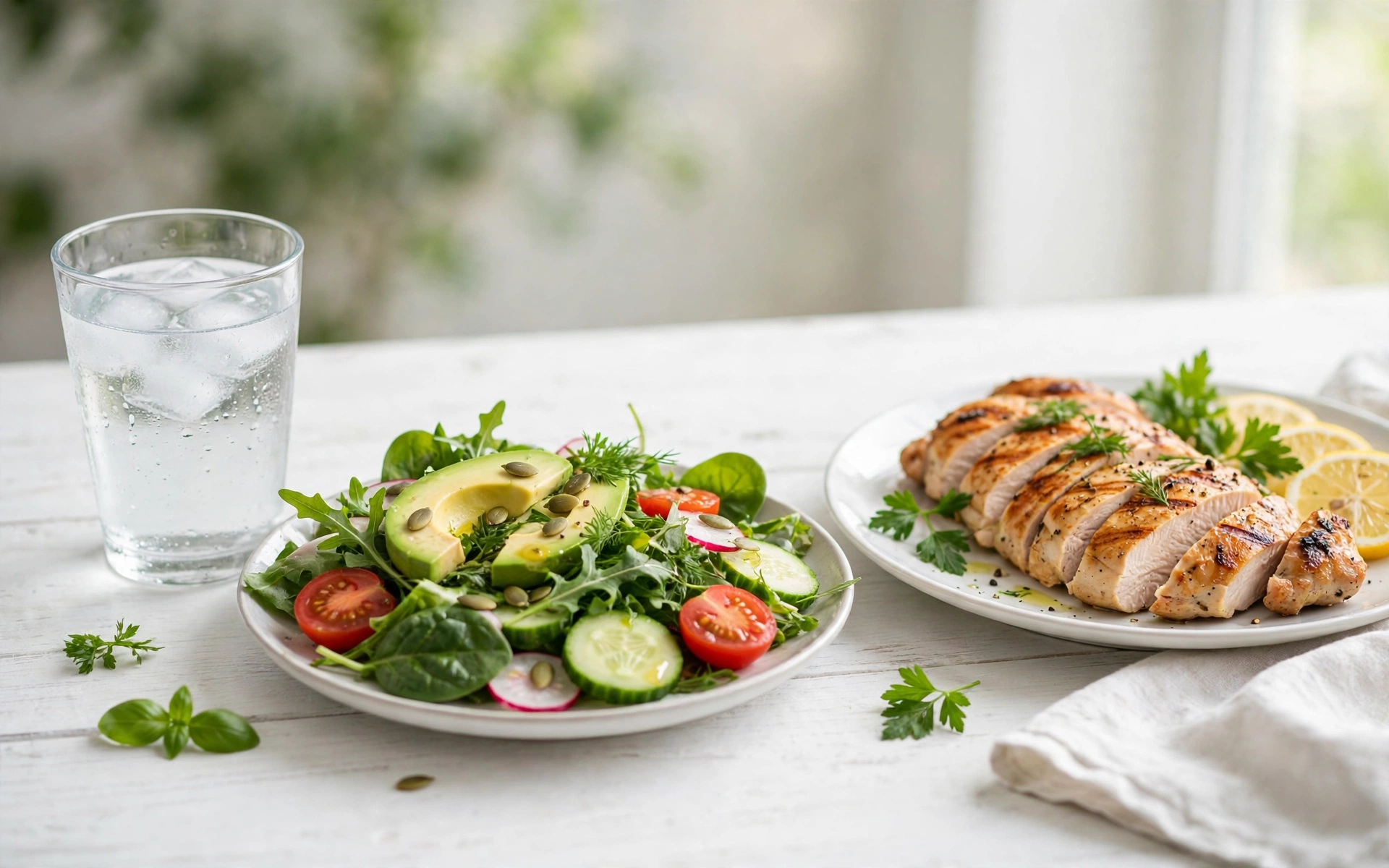
Drinking water does not melt fat on its own. What it does is make the other parts of weight loss easier. Researchers generally point to three ways water helps, and all three are practical rather than magical.
- It fills you up. Water takes up space in your stomach, so a glass before a meal can take the edge off hunger and help you stop eating sooner.
- It replaces calories. Every glass of water you drink instead of a soft drink, juice or sweetened coffee is calories you never consume — and you do not feel hungrier for it.
- It supports an active day. Even mild dehydration can leave you tired and sluggish, which makes it harder to move, cook and stick to your plan. Staying hydrated keeps your energy steadier.
None of these effects is dramatic on its own. Together, though, they quietly remove some of the friction that makes weight loss hard — and unlike a new diet or supplement, a glass of water costs nothing and has no side effects for most people.
Does Drinking Water Before Meals Help You Lose Weight?
This is the best-studied trick in the whole topic. In several studies, people — especially middle-aged and older adults — who drank a glass or two of water about half an hour before a meal ate noticeably less at that meal than people who did not. The water had already partly filled the stomach, so the meal's first bites registered as satisfying sooner.
It is not a magic portion-control device, and it works less reliably in younger adults, whose hunger signals are often stronger. But as a habit it is almost free to try: keep a glass by the kitchen tap, drink one or two glasses 20–30 minutes before lunch and dinner, and notice whether you naturally serve yourself a little less. Track what you eat for a few days in our Water Tracker alongside your meals, and you will quickly see whether the habit is changing anything for you.
How Much Water Should You Drink to Lose Weight?
There is no single number that fits everyone, because your needs change with your size, the weather and how much you move. A useful starting point for most adults is around 2 to 2.5 litres of total fluid a day for women and around 2.5 to 3 litres for men — and that includes water from food such as fruit, vegetables and soups, not just what you drink from a glass.
Your dayAim for (total fluids, incl. food) Mostly sitting, mild weatherAbout 2 litres a day Active job or regular exerciseAbout 2.5 litres a day Hot weather or heavy sweatingAbout 3 litres or more a day
A simpler guide is your own body: pale straw-coloured urine and rarely feeling thirsty usually mean you are drinking enough. Dark urine, headaches or a dry mouth are signs to drink more. You do not need to force yourself to a rigid target — find your own calorie target first with our BMR & TDEE calculator, then let water support it rather than distract from it.
 Water and Your Metabolism: A Small, Real Effect
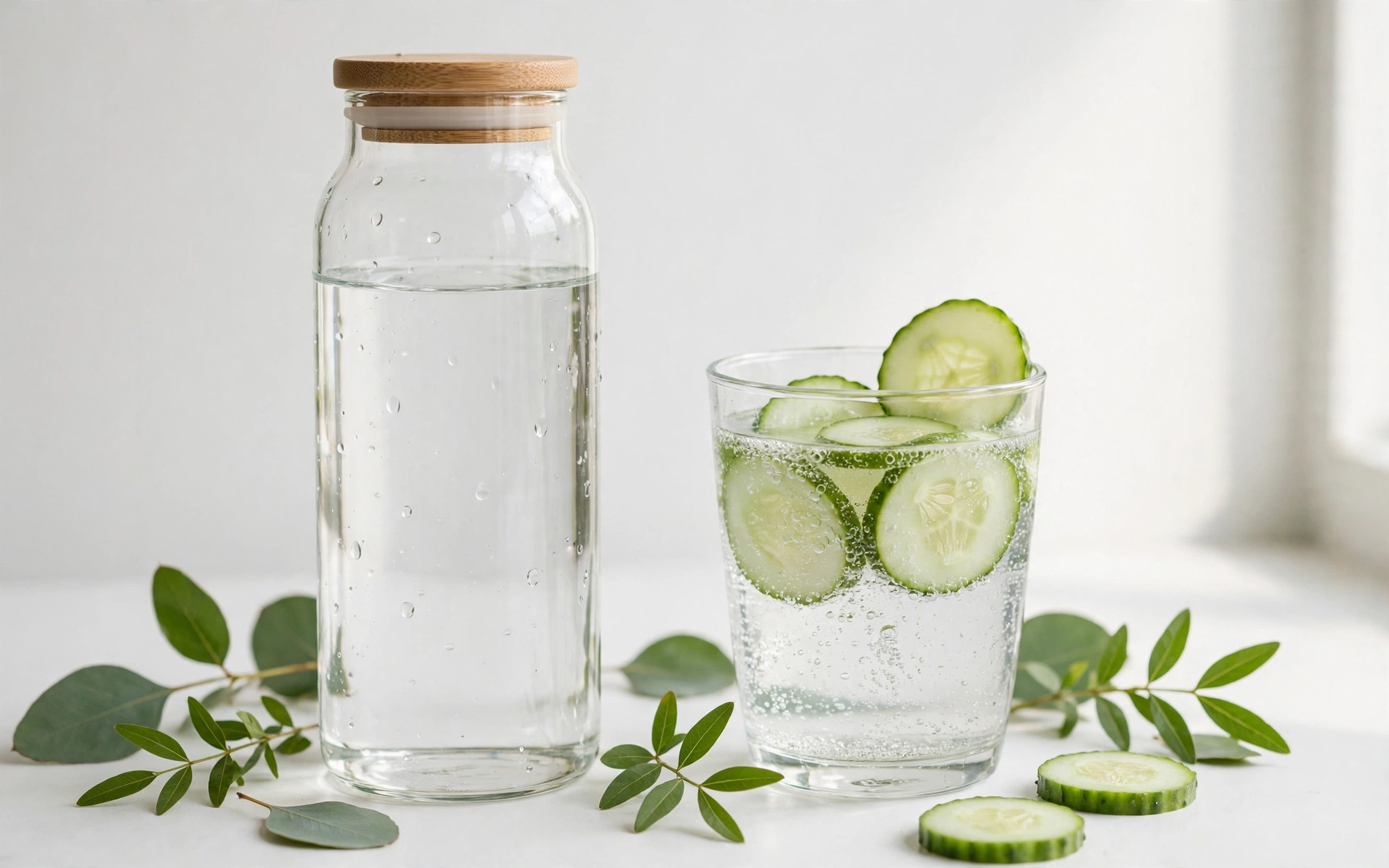
You may have heard that drinking cold water "burns calories" because your body warms it up. That is true, but the effect is small. Research shows a modest, short-lived rise in metabolic rate after drinking water, and warming a glass of cold water costs your body only a small number of calories — tens of calories a day at most, not hundreds.
So water will not meaningfully raise your metabolism on its own, and anyone promising otherwise is overselling it. What the research does support is the appetite effect and the drink-swap effect described above — those are where the real calories are saved. Think of water as a tool that helps you eat less, not as a fat-burner.
Replacing Sugary Drinks Is the Biggest Win
If you drink soft drinks, sweetened iced tea, energy drinks or sugary coffee drinks, swapping them for water is the single most effective water habit for weight loss. A typical can of cola contains roughly 140 calories and no nutrients; two cans a day add up to nearly 2,000 calories a week — roughly the calories in a full day's food for many people.
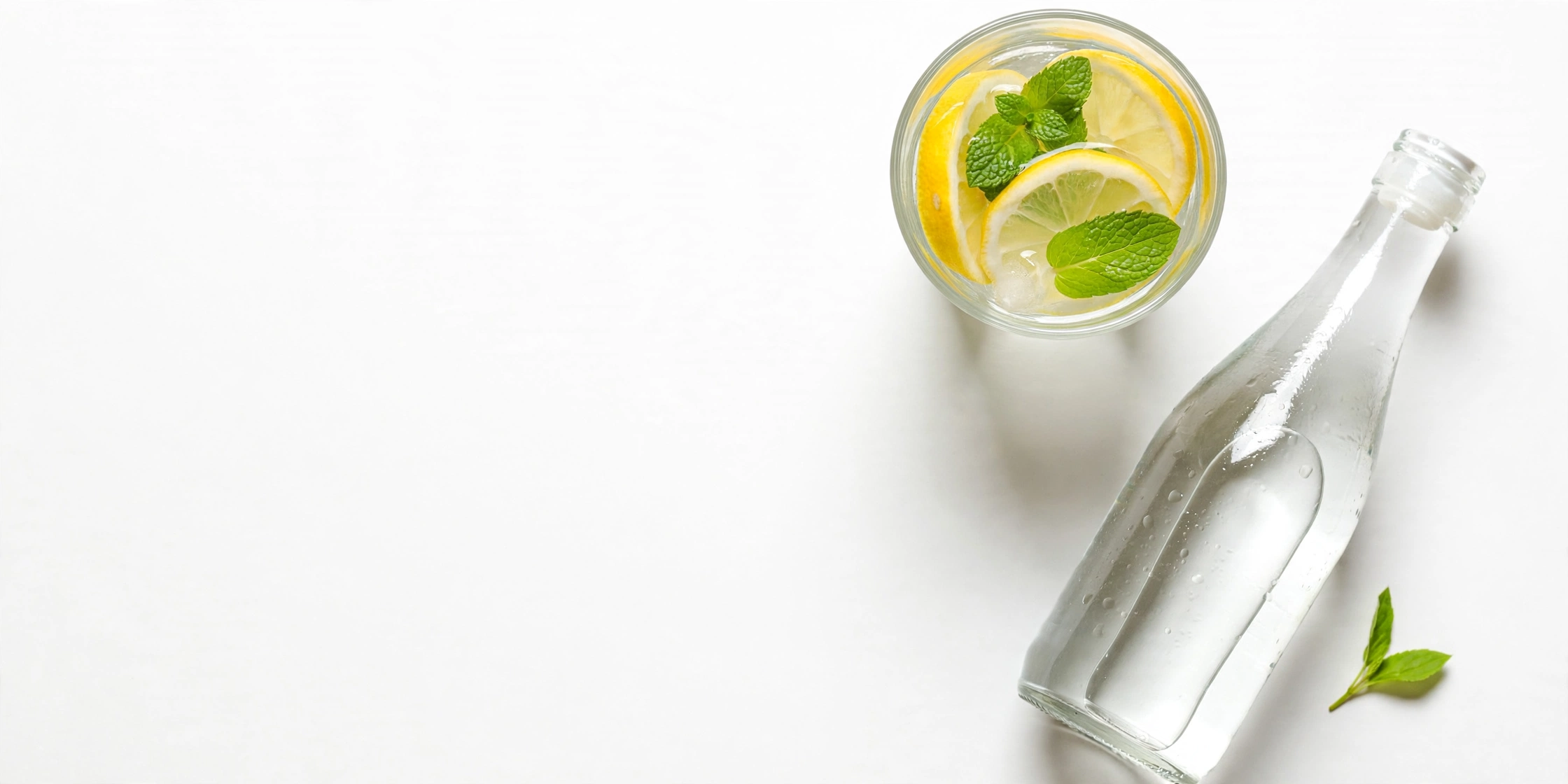
Replace those two cans with water and you have cut almost 2,000 calories a week without eating one bite less and without feeling any hungrier. That is a bigger effect than the pre-meal glass or the metabolic boost combined. If plain water feels boring, try sparkling water with a slice of lemon or cucumber, or unsweetened iced tea. Read our calorie-deficit guide to see how small daily swaps like this add up to steady, safe weight loss.
How to Drink More Water Every Day
- Start the day with a glass. Drink a glass of water when you wake up, before coffee — it sets the habit for the day.
- Keep water visible. A bottle on your desk or in your bag is a reminder; water hidden in a cupboard is forgotten.
- Drink a glass before each meal. This is the appetite trick from above — build it into your routine.
- Flavour it without sugar. Lemon, lime, cucumber, mint or berries make water more appealing at zero calories.
- Eat water-rich foods. Cucumber, watermelon, oranges, lettuce and soups all count towards your daily fluid.
- Set a simple rule. One glass with every meal and one between meals covers most people's needs without counting millilitres.
- Track it for a week. Log your drinks in our Water Tracker for seven days — most people discover they drink far less than they thought.
Can You Drink Too Much Water?
Yes, although it is rare. Drinking far more water than your body needs in a short time can dilute the sodium in your blood, a condition called hyponatraemia. It is mostly a risk for endurance athletes who drink large volumes during long events, not for someone sipping through a normal day.
The sensible rule is to drink to thirst and to the pale-urine guide above, and not to force litres beyond that in the hope of faster weight loss — extra water will not burn extra fat. If you take medication that affects fluid balance, or you have been told to limit fluids, follow your doctor's instructions rather than any general advice in this article.
One more distinction is worth making: this article is about plain water and weight loss. If you are curious about warm water specifically, we cover that separately in our guide on whether drinking warm water helps you lose weight.
Key Takeaways
- Does drinking water help you lose weight? Yes, modestly — mainly by filling you up before meals and by replacing calorie-containing drinks.
- A glass or two of water 20–30 minutes before meals can help you eat a little less, especially for middle-aged and older adults.
- Aim for roughly 2–3 litres of total fluid a day, adjusted for activity and weather; pale urine is a good everyday guide.
- The metabolic boost from cold water is real but small — the appetite and drink-swap effects save far more calories.
- Water supports a calorie deficit; it does not replace one. Pair it with sensible eating and movement for steady results.




Comments (0)
No comments yet. Be the first to share your thoughts!
Leave a comment