
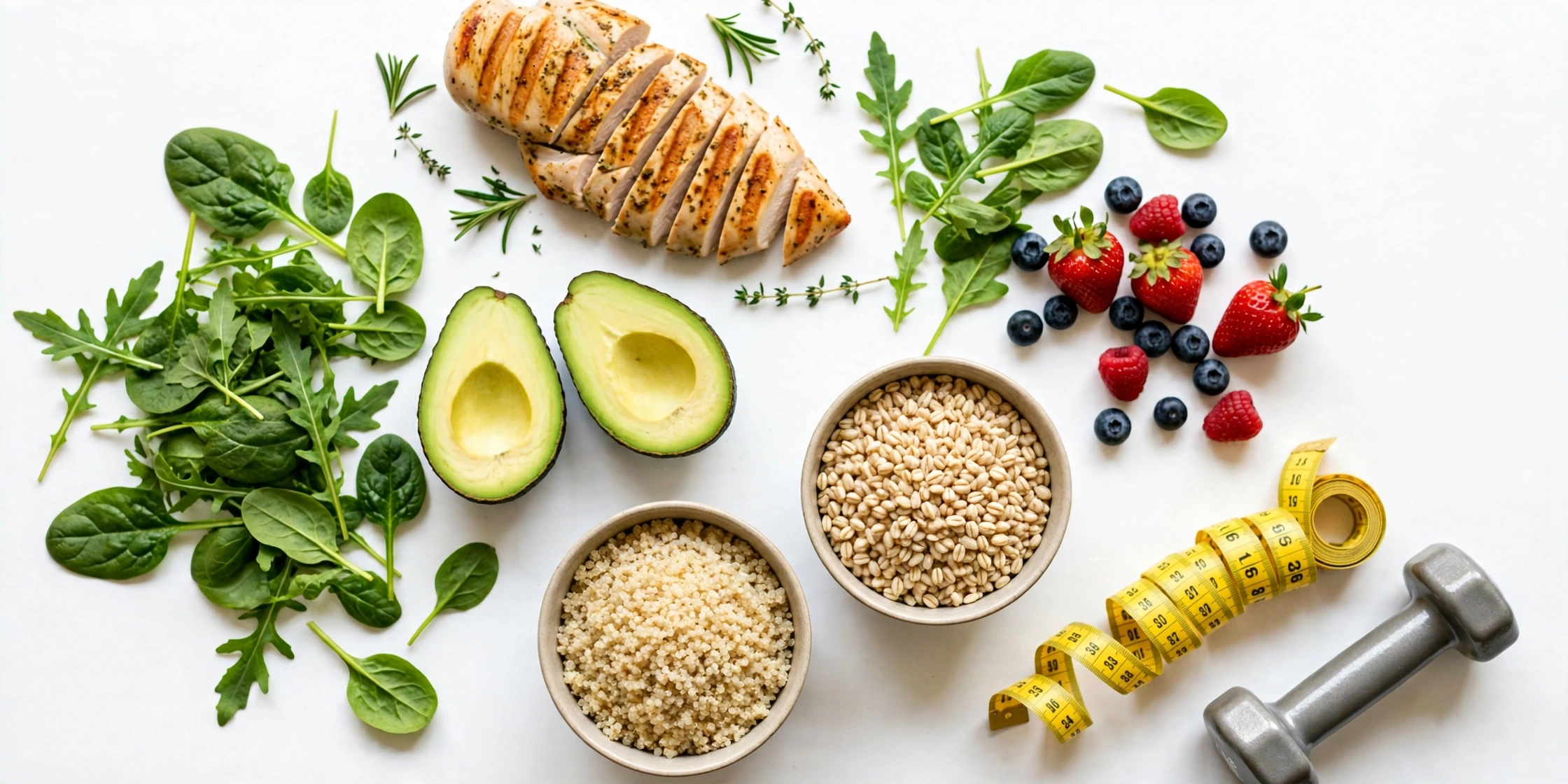
Losing belly fat comes down to a sustained calorie deficit — eating fewer calories than you burn — combined with enough protein, regular movement, strength training, good sleep, and stress control. No food or exercise targets belly fat alone, but these nine strategies reduce overall body fat, including the visceral fat around your organs.
Belly fat is one of the most common weight-loss goals, and one of the most frustrating. Fat loss is gradual, and the fat around your middle is often the last to go. There are two main types: subcutaneous fat, the soft fat just under the skin, and visceral fat, which sits deeper around your organs and is linked to a greater risk of type 2 diabetes and heart disease. Visceral fat responds well to the habits below, even before you see a big change in the mirror.
 Why Belly Fat Is Different — and Why Quick Fixes Fail
Genetics, age, hormones, stress, and sleep all influence where fat is stored, and your body releases it in its own order. That is why "belly fat burners," detox teas, waist trainers, and endless crunches do not work on their own. No supplement melts fat from one area, and no exercise burns fat only from the muscles you are using. Abdominal exercises strengthen your core, but they do not remove the fat covering it. Fat loss happens across the whole body when you burn more energy than you take in.
Create a Calorie Deficit You Can Actually Sustain
A calorie deficit is the foundation of fat loss: eating and drinking fewer calories than your body uses in a day. When that gap is steady and moderate — roughly 300 to 500 calories a day for most adults — your body makes up the difference from stored fat, including belly fat. A very large deficit is harder to sustain, leaves you hungrier, and makes regain more likely.
Start by finding your maintenance calories — the amount that keeps your weight stable. Estimate this with a BMR and TDEE calculator, then aim for a modest deficit below that number. Our guide What Is a Calorie Deficit? A Safe Weight Loss Guide explains how to set a safe target step by step.
You do not need to count every calorie forever, but tracking for a few weeks shows where your calories actually come from — portions, cooking oils, sauces, snacks, and drinks often surprise people. Use the NutriCounter calorie tracker for two or three weeks and look for patterns rather than chasing a perfect day. Small swaps — a smaller portion of rice, water instead of a sugary drink — add up without leaving you hungry all day.
The 9 Strategies That Work
Think of these nine strategies as a system: the calorie deficit does the fat-loss work, and the other eight make that deficit easier to keep and protect your muscle while you lose weight.
1. Eat enough protein at every meal
Protein helps you feel full, protects muscle while you lose weight, and takes more energy to digest than carbohydrate or fat. Include a protein source at each meal — eggs, Greek yoghurt, chicken, fish, tofu, beans, or lentils — such as a palm-sized portion at lunch and dinner, and protein at breakfast instead of a pastry alone.
2. Fill half your plate with vegetables and fibre-rich foods
Fibre slows digestion, steadies blood sugar, and helps you feel satisfied on fewer calories. Try the plate method: half the plate vegetables or salad, a quarter protein, and a quarter whole grains. This keeps meals filling without weighing everything, and crowds out the foods that make a calorie deficit hardest to keep.
3. Walk more — it counts more than you think
Walking burns calories without making you ravenously hungry, it is gentle on your joints, and it fits into a normal day. Aim for a realistic daily step goal — 7,000 to 10,000 steps suits many people — built into routines you already have, such as a walk after lunch. Our walking for weight loss beginner's guide shows how to build up gradually without injury or burnout.
4. Add strength training two to three times a week
Strength training protects muscle while you lose fat, and more muscle means your body burns more energy at rest. You do not need a gym to start: squats, push-ups, lunges, and planks, or two short dumbbell sessions a week, are enough. Focus on the large muscle groups and progress slowly, adding a repetition, a set, or a little more weight every week or two.
5. Cut back on sugary drinks and alcohol
Liquid calories are easy to overconsume because they do not fill you up. A daily sugary drink or a couple of alcoholic drinks in the evening can quietly erase a calorie deficit. Water, sparkling water, unsweetened tea, and black coffee are better everyday choices. Alcohol also lowers inhibitions around food, disrupts sleep, and is linked to more fat around the waist.
6. Sleep 7 to 9 hours a night
Short sleep raises hunger hormones, so you crave more food — especially sweet and salty snacks — and lowers the hormones that signal fullness. It also makes it harder to recover from exercise and easier to skip workouts. Aim for a regular bedtime and wake time, and keep your bedroom cool, dark, and quiet.
 7. Manage stress before it manages your eating
Stress raises cortisol, a hormone linked to more fat stored around the abdomen, and it also drives comfort eating. You cannot remove stress entirely, but you can change how you respond to it: a short walk, a few minutes of slow breathing, or writing down what is worrying you. If you tend to snack late at night after a hard day, plan a different evening routine in advance rather than relying on willpower in the moment.
8. Eat more slowly and stop when you are comfortably full
It takes about twenty minutes for fullness signals to reach your brain, so eating quickly makes it easy to eat past the point of comfort. Put your fork down between bites and pause halfway through a meal to check how full you feel. Aim to stop at about 80% full — satisfied, not stuffed. For many people this is the easiest way to eat a few hundred fewer calories a day without feeling deprived.
9. Be consistent, not perfect
The people who lose belly fat and keep it off are rarely the ones who follow a perfect plan for two weeks. They are the ones who follow a good plan most of the time for months. A missed workout or a heavy weekend meal does not undo your progress — what matters is what you do next. If you slip, return to your normal routine at the next meal, and judge your progress over weeks, not days.
How to Track Your Calorie Deficit Without Obsessing
Tracking works best as a tool, not a source of stress. Log your food for a few weeks to learn your patterns, then shift to simpler habits: the plate method, a regular breakfast and lunch you know well, and a weekly check of your weight trend. If tracking makes you anxious, focus on the behaviours instead — more vegetables, more steps, regular meals, and better sleep.
How Long Does It Take to Lose Belly Fat?
There is no fixed timetable: it depends on your starting point, your calorie deficit, and how consistently you keep it. A healthy rate for most people is about 0.5 to 1% of body weight per week, which usually means a visible change in waist size over 8 to 12 weeks. Some weeks the scale will not move at all even though your waist is shrinking. That is normal. If you have a medical condition, take medication that affects weight, or have a history of disordered eating, talk to your doctor or a registered dietitian before starting a calorie deficit.
Key Takeaways
- Belly fat loss comes from a sustained, moderate calorie deficit — no food or exercise targets belly fat alone.
- Eat enough protein and fibre, and fill half your plate with vegetables.
- Walk daily and add strength training two to three times a week.
- Cut back on sugary drinks and alcohol, sleep 7 to 9 hours, and manage stress.
- Be consistent rather than perfect: judge progress over weeks, not days.






Comments (0)
No comments yet. Be the first to share your thoughts!
Leave a comment