

Yes, you can speed up your metabolism — but only modestly. The most effective ways are building muscle with strength training, eating enough protein, walking more each day, sleeping 7–9 hours, and drinking enough water. No food or supplement will double your calorie burn, but these habits raise your energy expenditure and make a calorie deficit easier to sustain.

What is your metabolism, really?
Your metabolism is the total energy your body uses to stay alive and active. The biggest part is your basal metabolic rate (BMR) — the calories you burn just breathing, keeping warm, and keeping your organs running. On top of that comes the energy used to digest food and to move and exercise. Together, BMR, digestion, and activity make up your total daily energy expenditure (TDEE). If you want to know your own numbers, try our free BMR and TDEE calculator — it gives you a realistic starting point for planning a calorie deficit.
Metabolism differs from person to person. Muscle burns more calories at rest than fat, so people with more muscle usually have a higher BMR. Age, sex, body size, and hormones matter too, and your metabolism slows a little as you get older, mainly because unused muscle shrinks. The good news is that several of these factors are within your control.
How much can you actually speed up your metabolism?
Be honest with yourself: no habit, food, or supplement will double your metabolism. Most proven strategies raise your daily burn by a small amount each — a few dozen to a couple of hundred calories a day. That sounds small, but an extra 150 calories a day is more than 1,000 a week.
The real value is not a magic number on a scale: a slightly higher burn makes a calorie deficit easier to hold — you can eat a little more and still lose weight, you have more energy, and you feel less deprived. If you are new to the idea, read our guide on what a calorie deficit is and how to create one safely before changing how you eat. Sustainable habits matter far more than any quick fix.
9 science-backed ways to speed up your metabolism
These nine habits are supported by research and work for most people. Start with one or two, then add more over time.
1. Build muscle with strength training
Muscle burns more calories at rest than fat, so the more muscle you carry, the higher your BMR. Strength training two to three times a week — squats, push-ups, rows, lunges, or dumbbell work — builds and protects muscle, especially while you are losing weight, and keeps burning calories for hours afterwards as your muscles recover. If you are a complete beginner, our strength training guide for the first 4 weeks walks you through a simple starting plan.
2. Eat enough protein at every meal
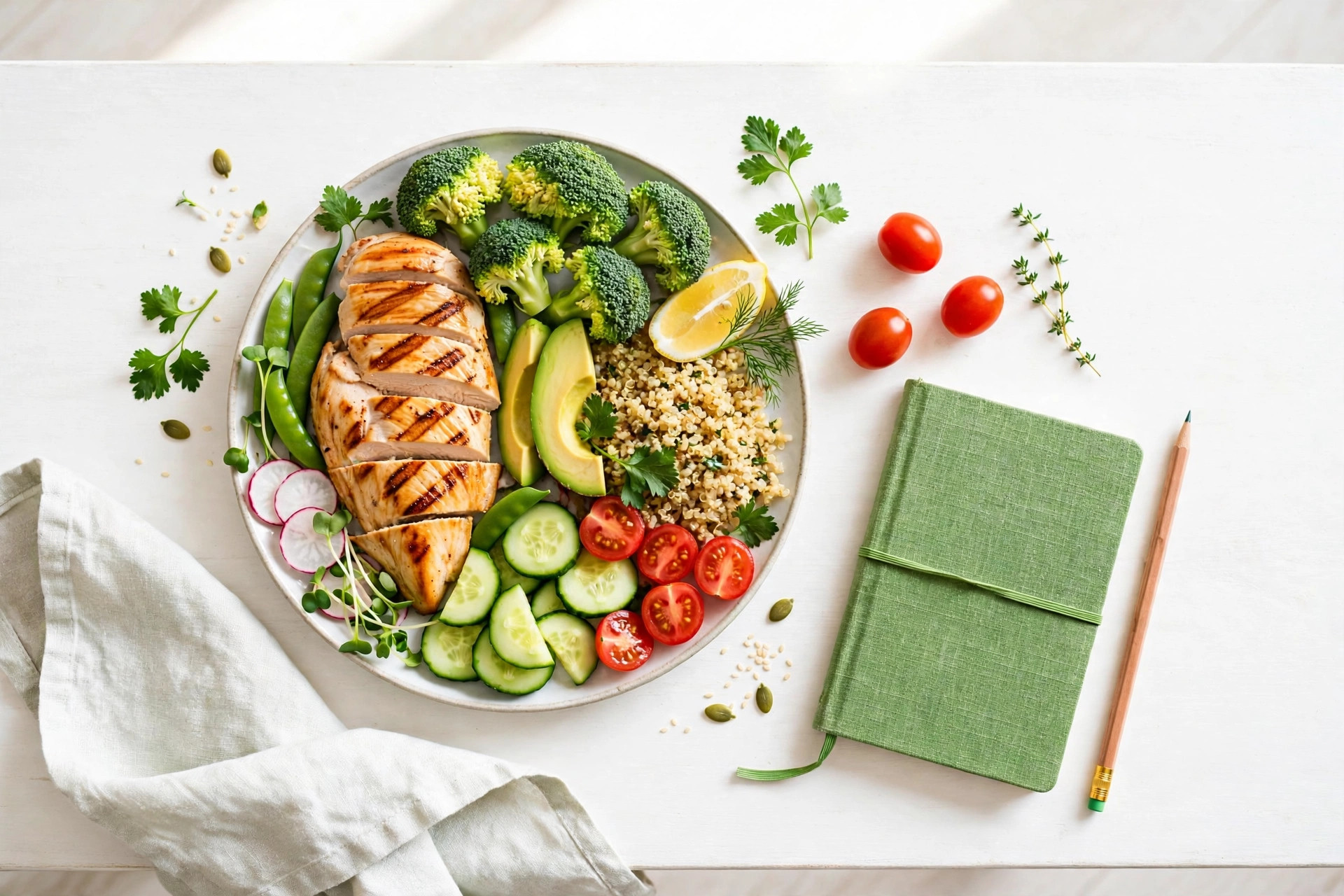
Your body uses more energy to digest protein than it does for carbs or fat — the thermic effect of food. Protein also keeps you full longer and preserves muscle while you lose weight, which protects your metabolism. Aim for a palm-sized portion of protein at each meal: eggs, Greek yogurt, chicken, fish, beans, lentils, or tofu. Our guide on how much protein you need for fat loss explains how to work out the right amount for your body weight.
3. Walk more every day
You do not need a gym session to burn more calories. Everyday movement — walking, stairs, standing while you work, housework — adds up to hundreds of calories a day, and it is the easiest part of your metabolism to change. A realistic target is 7,000–10,000 steps a day, but even adding 2,000 extra steps helps. Try a 10-minute walk after each meal: it burns calories, steadies your blood sugar, and aids digestion.
4. Drink enough water
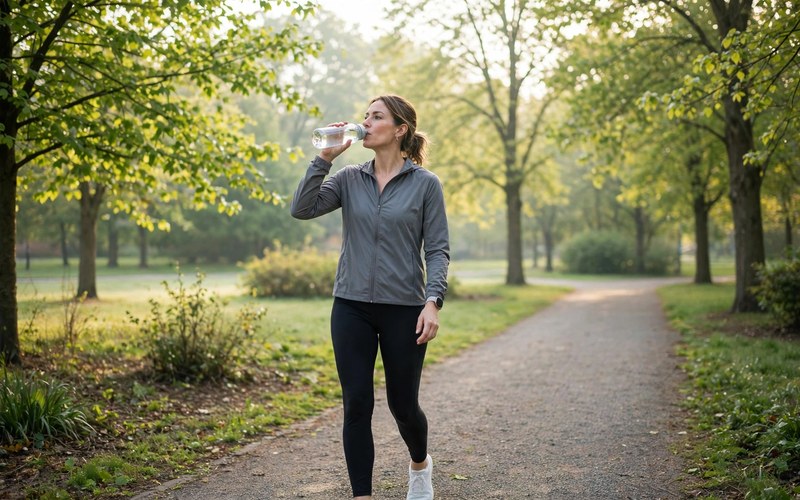
Even mild dehydration can leave you tired, which makes you move less. Drinking water raises calorie burning slightly for a short time, and cold water may add a tiny extra effect as your body warms it. The effect is small, but water has no calories and often replaces sugary drinks. Keep a bottle handy and aim for 6–8 glasses a day, more if you exercise or it is hot.
5. Sleep 7–9 hours a night
Poor sleep disrupts the hormones that control hunger, making you crave high-calorie foods the next day — and tired people move less, lowering daily burn. One bad night will not wreck your metabolism, but weeks of short sleep can slow weight loss noticeably. Keep a regular bedtime, dim screens an hour before bed, and keep your bedroom cool and dark.
6. Don't crash diet
Very low-calorie diets make you lose weight fast at first, but they also cost you muscle and push your metabolism down as your body adapts to eating less. That is why crash diets often end in regaining the weight: your burn is lower, but your appetite is higher. A modest deficit of 300–500 calories a day, with enough protein and strength training, protects your muscle while you lose fat slowly and steadily.
7. Add short bursts of intensity
Short bursts of hard effort — 30 seconds of fast cycling or brisk uphill walking, then a minute of easy pace, repeated several times — burn more calories in less time than steady exercise, and your body keeps burning extra calories while it recovers. You do not need to be an athlete: two or three 10–20 minute sessions a week are enough. The exercise tool can help you estimate how many calories different activities burn for your body weight.
8. Enjoy coffee or green tea
Caffeine gives your metabolism a small, short-term lift and can make workouts feel easier. Green tea contains caffeine plus plant compounds called catechins, which may add a tiny extra effect. The boost is modest — a few percent for a few hours — and fades if you drink coffee all day. Keep it to two or three cups, skip sugary syrups and extra cream, and avoid caffeine late in the day so it does not steal your sleep.
9. Stay consistent — small habits compound
No single habit transforms your metabolism overnight. The people who keep a faster metabolism repeat the basics for months: they lift weights, eat protein, walk daily, sleep well, and stay hydrated. Track your habits, not just your weight — an evening checklist is enough. When a habit sticks for a few weeks, add the next one. Consistency beats intensity every time.
What probably won't help much
Be sceptical of anything that promises a "turbo-charged" metabolism. Detox teas, fat-burner pills, and "metabolism-boosting" supplements are mostly caffeine and marketing — their effect is tiny, temporary, and sometimes unsafe. Spicy food and apple cider vinegar are often hyped too, but their real effect on calorie burning is so small it is not worth building a diet around. Save your money for the nine habits above: they are free, safe, and they actually work.
A simple day that supports a faster metabolism
Here is what they look like in one ordinary day:
- Morning: a protein-rich breakfast — eggs with wholegrain toast or Greek yogurt with berries — plus water and a coffee if you like one.
- Midday: a 10-minute walk after lunch, and a palm-sized portion of protein with vegetables.
- Afternoon: a short strength session or a brisk 20-minute walk, with water beside you.
- Evening: a light dinner with protein, no caffeine after mid-afternoon, and a regular bedtime for 7–9 hours of sleep.
Nothing here is extreme. That is the point: a metabolism-friendly day is an ordinary healthy day, repeated often enough to matter.
Key takeaways
- You can speed up your metabolism, but only modestly — small gains add up over weeks and months.
- Building muscle with strength training is the most powerful long-term way to raise your resting burn.
- Protein costs more energy to digest, keeps you full, and protects your muscle while you lose weight.
- Walking more, drinking water, and sleeping 7–9 hours raise your daily burn and make a calorie deficit easier to hold.
- Crash diets slow your metabolism by costing you muscle — a modest 300–500 calorie deficit works better.
- Coffee and green tea give a small short-term lift; detox teas and fat-burner pills are not worth your money.
- Consistency matters most: repeat the basics for months and the results compound.
Frequently Asked Questions
Can you really speed up your metabolism?
Yes, but only modestly. Strength training, eating enough protein, walking more, sleeping well, and staying hydrated can raise your daily calorie burn by a small but meaningful amount. No food or supplement will double your metabolism, and anyone promising that is selling something. The habits in this article work because they add up over weeks and months, not because any one of them is magic.
What is the fastest way to boost your metabolism?
The fastest noticeable change comes from moving more and building muscle. Strength training two to three times a week plus daily walking raises your calorie burn within a few weeks, while eating enough protein protects the muscle you build. Sleep and water help too, because tired and dehydrated people move less. There is no overnight fix — the "fastest" route is still the consistent one.
Does drinking water speed up your metabolism?
Slightly, and only for a short time. Drinking water raises calorie burning a little for about an hour afterwards, and cold water may add a tiny extra effect as your body warms it. The bigger benefit is indirect: hydrated people feel more energetic and move more, and water replaces sugary drinks that add calories. Aim for around 6–8 glasses a day as a baseline.
Do metabolism booster supplements work?
Mostly no. The majority of "metabolism booster" pills and detox teas are caffeine in expensive packaging, with effects that are small, short-lived, and sometimes unsafe — especially products that hide their ingredients or promise rapid results. A cup of coffee or green tea gives you the same modest caffeine lift for far less money. If you take any medication or have a health condition, ask your doctor before trying a supplement.
Does eating more often speed up your metabolism?
Not in any meaningful way. Every meal does cost a little energy to digest, but that depends on how much you eat in total, not how often you eat it — six small meals and three larger ones with the same calories and protein burn about the same. What matters is your total daily intake, enough protein, and a routine you can stick to. Eat at regular times if it helps you avoid overeating, not because the clock boosts your burn.





Comments (0)
No comments yet. Be the first to share your thoughts!
Leave a comment