

Most adults who walk 7,000–10,000 steps per day — roughly 5–8 km — see meaningful fat loss when combined with sensible eating. Walking 7,500 steps burns around 250–350 calories depending on your weight and pace. Below that, benefits drop off; above 10,000–12,000 steps, the extra fat-loss return is small.
So, how many steps per day to lose weight in real life? There is no magic number, and the famous 10,000-step target was never a scientific finding. This guide covers where the number came from, what research actually shows, how many calories your walks really burn, and how to build up safely.

Where did the 10,000-steps-per-day number come from?
The 10,000-steps goal started as marketing, not medicine. In 1965, a Japanese company launched a pedometer called Manpo-kei — literally "10,000-steps meter" — because the number sounded round and ambitious. It caught on worldwide and eventually became accepted as a default daily goal.
That doesn't make it wrong — but don't treat it as a scientific threshold. The real research story is more encouraging for anyone intimidated by 10,000 steps.
How many steps per day to lose weight: what research shows
Large studies of thousands of adults show a clear pattern: the more you walk, the easier weight control becomes — up to a point. Most benefit appears between 7,000 and 10,000 steps per day, and going from 4,000 to 8,000 steps matters far more than going from 8,000 to 12,000.
- Under 5,000 steps/day — sedentary; linked to gradual weight gain and higher health risk.
- 5,000–7,499 steps/day — "low active"; a clear step up from sedentary.
- 7,500–9,999 steps/day — "somewhat active"; where most weight-loss research shows real results.
- 10,000+ steps/day — "active"; great for health, but fat-loss returns level off without diet control.
The takeaway: if you're at 3,000–4,000 steps, reaching 7,500 will do more for your weight than a 10,000-step walker pushing to 14,000.
How many calories do your steps actually burn?
Calorie burn depends mainly on body weight and pace — approximate values per 1,000 steps at a moderate pace:
- 55 kg (121 lb): ~30 calories per 1,000 steps
- 70 kg (154 lb): ~38 calories per 1,000 steps
- 85 kg (187 lb): ~46 calories per 1,000 steps
- 100 kg (220 lb): ~54 calories per 1,000 steps
So a 70-kg person walking 10,000 steps burns roughly 380 calories — about one medium slice of pizza. That's the honest math behind "you can't outrun a bad diet." Brisk walking (you can talk but not sing) burns 20–30% more than a slow stroll, so pace matters as much as step count.
For your own numbers, try our exercise calorie calculator.
Why steps alone won't outrun your diet (the NEAT effect)
Here's what most people miss: steps feed into NEAT — non-exercise activity thermogenesis, all the energy you burn outside formal workouts (walking to the shop, stairs, housework). For many, NEAT is hundreds of daily calories — often more than their actual workouts.
That's why daily steps are such a powerful weight-loss tool: not brutal gym sessions, but a lifestyle of moving more all day. People who keep weight off long-term consistently have higher daily NEAT — not necessarily harder workouts.
The honest limit: a 300-calorie walk is cancelled by one large sweetened coffee. Steps are one half of a calorie deficit — sensible eating is the other.
How many steps per day to lose weight: building up safely
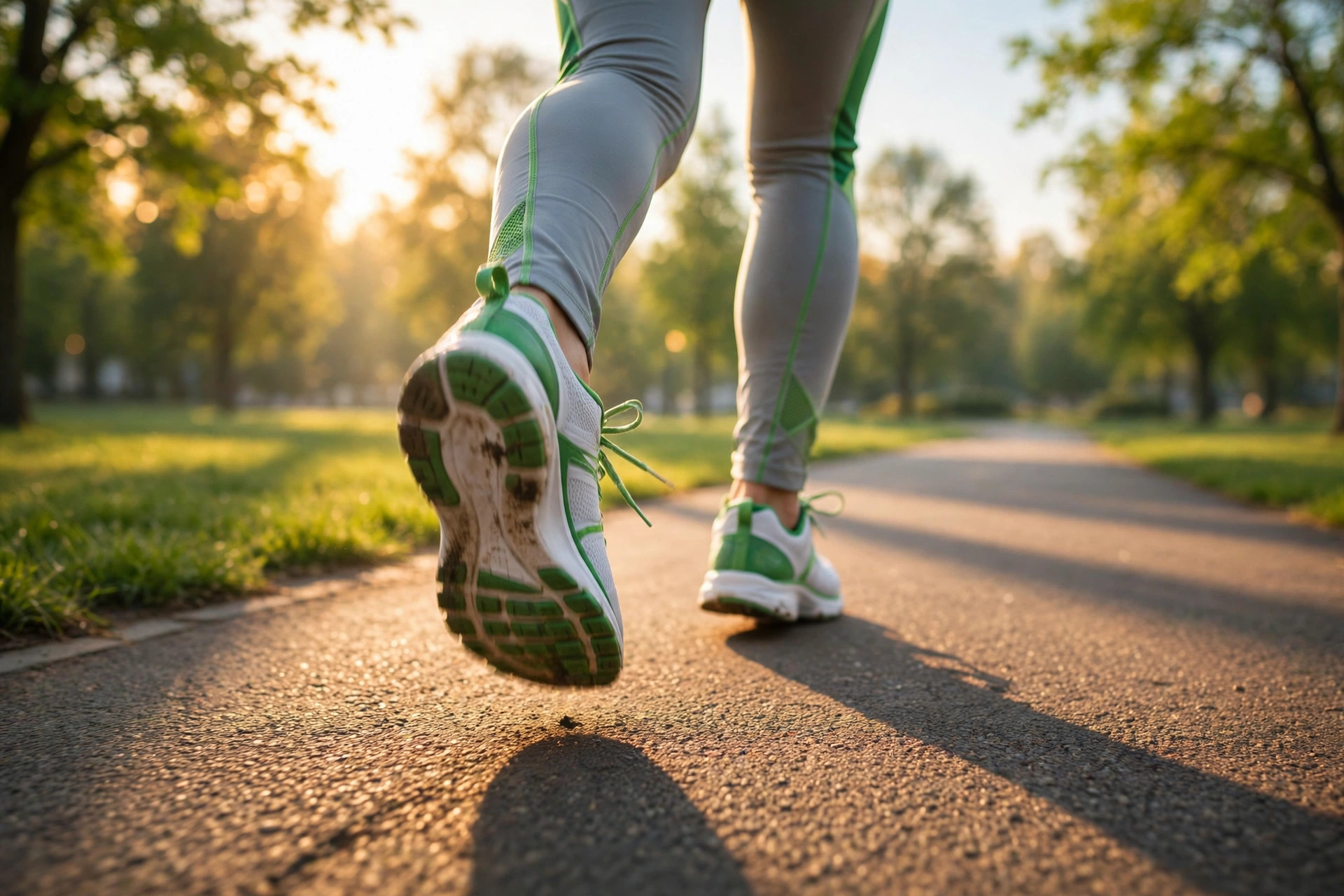
Jumping from 3,000 to 10,000 steps overnight invites sore shins, blisters, and quitting. Build up over 3–4 weeks:
- Week 1: Measure your baseline — wear your phone or tracker for 3 normal days and average it.
- Week 2: Add 1,000 steps to your baseline (about a 10-minute walk).
- Week 3: Add 1,000–1,500 more steps, or one dedicated 20-minute walk.
- Week 4: Repeat. Most people land comfortably at 7,500–9,000.
- Ongoing: Hold the new level 2 weeks before adding more.
Easy ways to add steps: park farther away, take stairs for 1–3 floors, walk during phone calls, and walk 10 minutes after each meal (which also blunts blood-sugar spikes). More starter tips in our walking for weight loss beginners guide.
Cadence and pace tips that actually matter
Not all steps are equal. A slow wander and a brisk walk register the same step count but burn very different amounts of energy.
Aim for a brisk pace
100 steps per minute is researchers' threshold for moderate-intensity walking: you're breathing harder and can talk but not sing. If your tracker shows cadence, aim for 100–115 steps/minute on dedicated walks.
Use intervals
Alternate 2 minutes brisk with 2 minutes easy for 20–30 minutes: more calories in the same time, faster fitness gains, and walks that feel shorter. See our HIIT for beginners guide.
Break it up
Three 10-minute walks are nearly as effective as one 30-minute walk and far easier to schedule. Step count is a daily total — timing doesn't matter.
Combine walking with strength training and diet
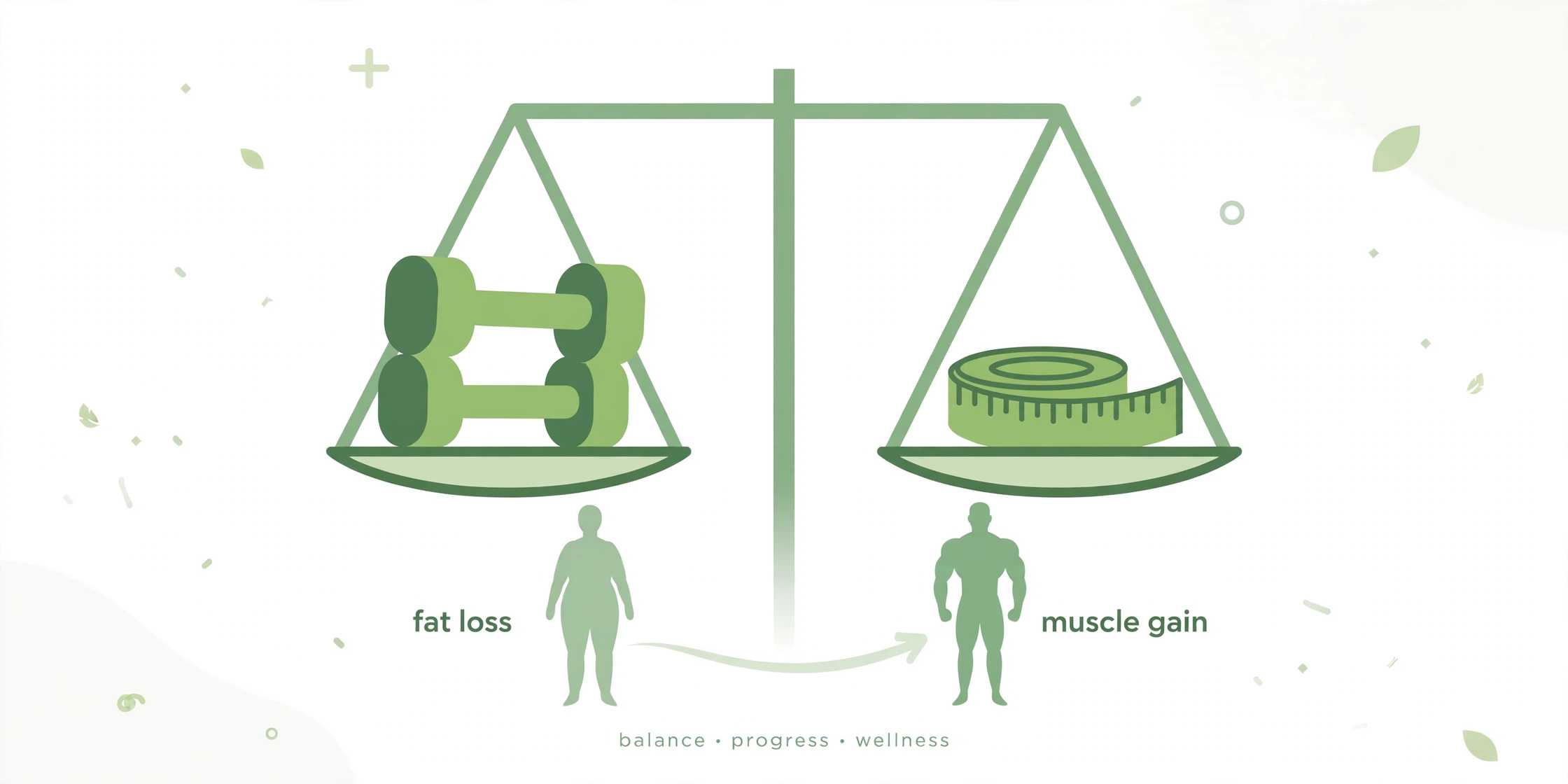
Walking burns fat and protects your heart, but not your muscle: dieting without resistance training costs muscle too, lowering metabolism. The research-backed trio for fat loss:
- Daily steps (7,000–10,000) for calorie burn and NEAT.
- 2–3 strength sessions per week to protect muscle. Bodyweight exercises count.
- A moderate calorie deficit (300–500 kcal/day) from sensible eating — not crash dieting.
Recovery matters: poor sleep raises hunger hormones and saps energy. Check our sleep calculator and hydration tool — both quietly affect how much you move and eat.
See how walking compares: calories burned walking vs running, cycling and swimming.
Key takeaways
- The 10,000-step target came from a 1960s pedometer marketing campaign — useful as a goal, not a scientific threshold.
- Most fat-loss benefit appears between 7,000 and 10,000 steps per day; gains level off above that.
- 10,000 steps burns roughly 300–500 calories depending on weight and pace — helpful, but no match for overeating.
- Build up by 1,000–1,500 steps per week from your baseline to avoid injury.
- Walk briskly (100+ steps/minute), use intervals, and split walks across the day.
- Pair daily steps with strength training 2–3x/week and a moderate calorie deficit for the best fat-loss results.




Comments (0)
No comments yet. Be the first to share your thoughts!
Leave a comment