
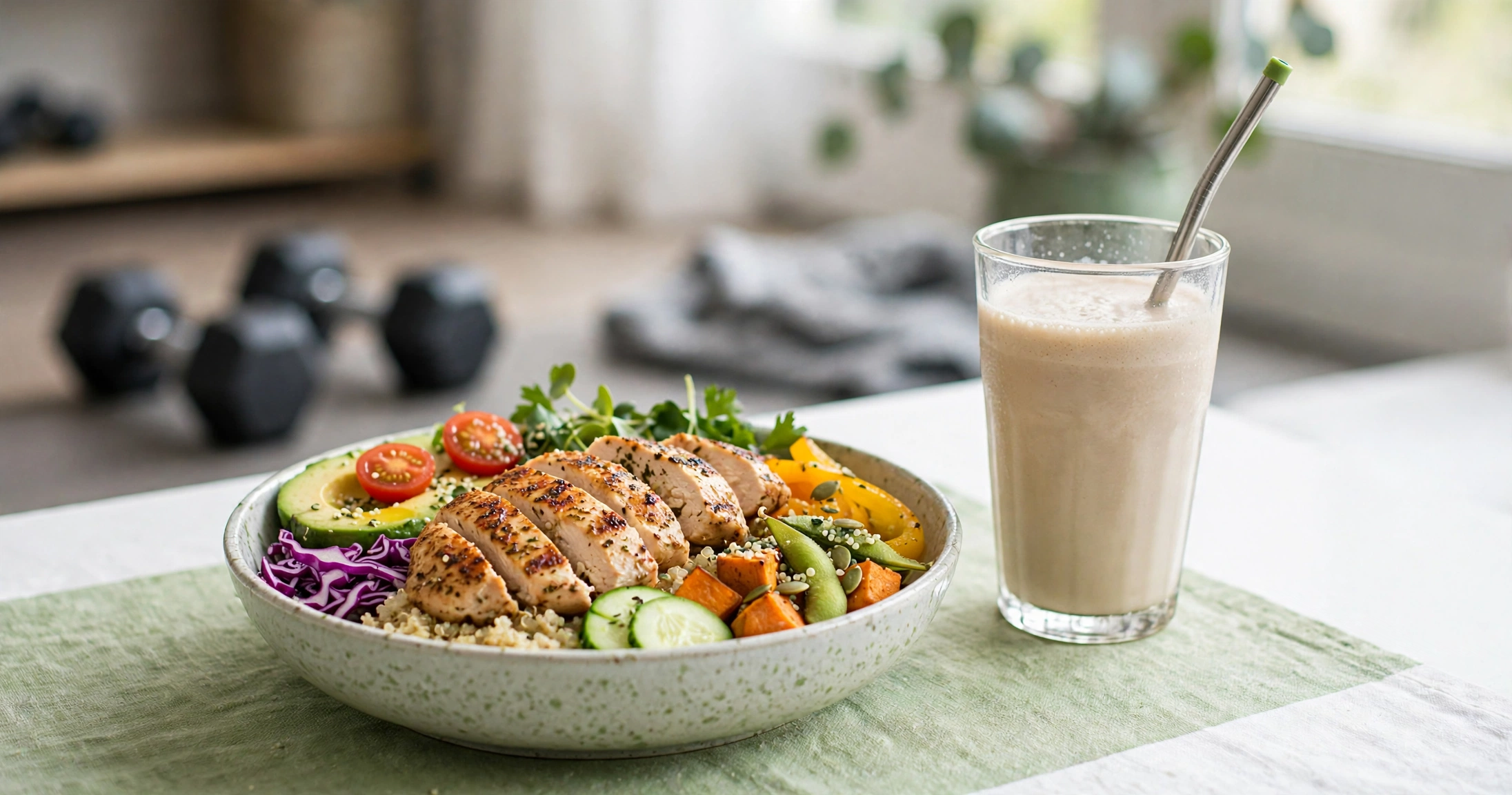
Post-workout nutrition means eating the right mix of protein and carbohydrates after exercise to help your muscles recover and rebuild. Aim for a balanced meal or snack containing 20–40 grams of protein plus some carbohydrates within a few hours of training, along with plenty of water. Good choices include chicken with rice, Greek yogurt with fruit, or eggs on whole-grain toast.
Exercise places real stress on your body: you break down muscle fibers, burn through stored energy, and lose fluids through sweat. What you eat in the hours after training helps your body repair that damage, refill its fuel stores, and adapt so you come back stronger next time. Getting your post-workout nutrition right is one of the simplest ways to reduce soreness, protect lean muscle, and make every session count.
 Why Post-Workout Nutrition Matters for Recovery
During training, your body uses glycogen — stored carbohydrate in your muscles and liver — as its main fuel, and the stress of exercise also breaks down some muscle protein. Afterward, eating protein supplies the amino acids your body needs to repair and rebuild muscle tissue, while carbohydrates restore your glycogen stores so energy levels bounce back. Drinking fluids replaces what you lost through sweat. Skipping the post-workout meal will not instantly undo your progress, but consistently under-fueling slows recovery and can leave you feeling tired and sore for days. You can track how your training and eating fit together with our nutrition tracker.
Protein After Exercise: How Much Do You Need?
Most active people benefit from 20–40 grams of protein in the meal after training. This range supplies enough leucine — a key amino acid — to switch on muscle protein synthesis, the process your body uses to repair and build muscle. People doing heavy strength training or eating in a calorie deficit tend to benefit from the higher end of that range. If you are unsure how much protein you need overall, our protein guide and macros basics guide walk through the numbers step by step.
Best protein sources after a workout
- Chicken breast, turkey, or lean beef
- Eggs or egg whites
- Greek yogurt or cottage cheese
- Fish such as salmon, tuna, or cod
- Tofu, tempeh, or lentils for plant-based eaters
- A whey or plant-based protein shake when a full meal is not practical
Post-Workout Nutrition: Carbohydrates for Refueling
Carbohydrates restore muscle glycogen, which is especially important after long or intense sessions such as running, cycling, or team sports. A moderate portion — roughly one to two fist-sized servings of cooked grains, potatoes, or fruit — is enough for most recreational athletes. Good options include rice, oats, whole-grain bread, sweet potatoes, bananas, and berries.
How many carbs do you actually need?
The right amount depends on the length and intensity of your workout. After a short strength session, the carbs in a normal balanced meal are usually plenty. After endurance exercise lasting more than 90 minutes, you will benefit from a larger carb-rich meal to refill glycogen fully. Endurance athletes training daily may need to be more deliberate about carb intake across the whole day, not just one meal.
Post-Workout Nutrition Timing: Does the "Anabolic Window" Matter?
Old-school advice said you must eat within 30 minutes of your last rep or your workout was wasted. Research suggests the window is much wider than that. If you ate a protein-containing meal 3–4 hours before training, eating within a few hours after your session is perfectly fine. There are exceptions where sooner is better: training fasted first thing in the morning, doing two hard sessions in one day, or being an older adult, since muscle-building responses can be less efficient with age. The bigger picture matters most — consistent daily protein intake and good overall eating habits beat any single perfectly timed meal.
 Hydration and Electrolytes After Exercise
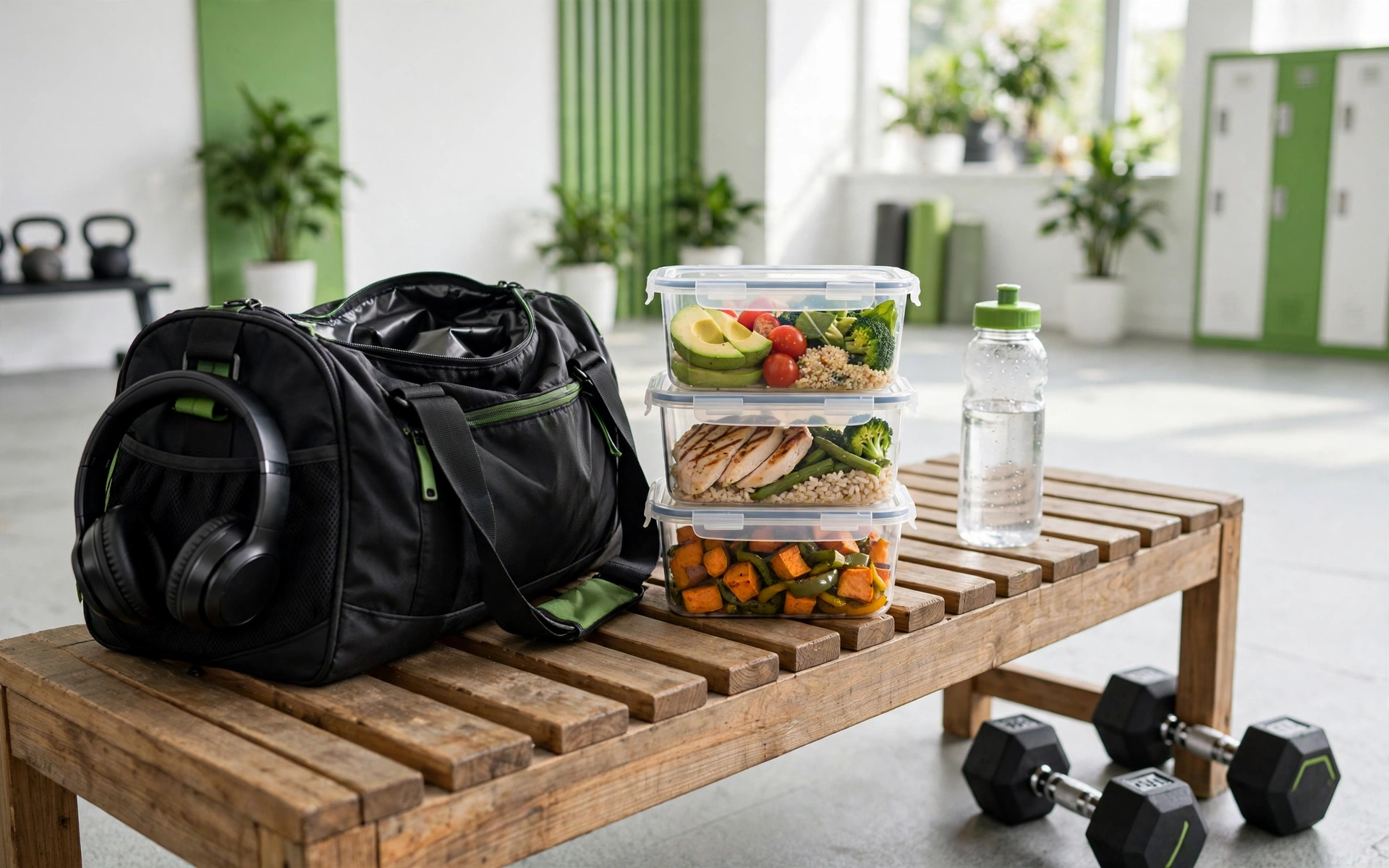
Water should be your default drink after most workouts. For sessions under about 90 minutes in moderate conditions, plain water plus your normal meals will cover fluid and sodium needs. If you trained hard for over an hour, sweated heavily, or exercised in heat, an electrolyte drink or salty food — a handful of salted nuts, broth, or a sports drink — can help you rehydrate faster. Our hydration guide separates fact from fiction on how much water you really need.
What to Eat After a Workout: Simple Meal Ideas
- Grilled chicken breast with rice and steamed vegetables
- Salmon with roasted sweet potatoes and a green salad
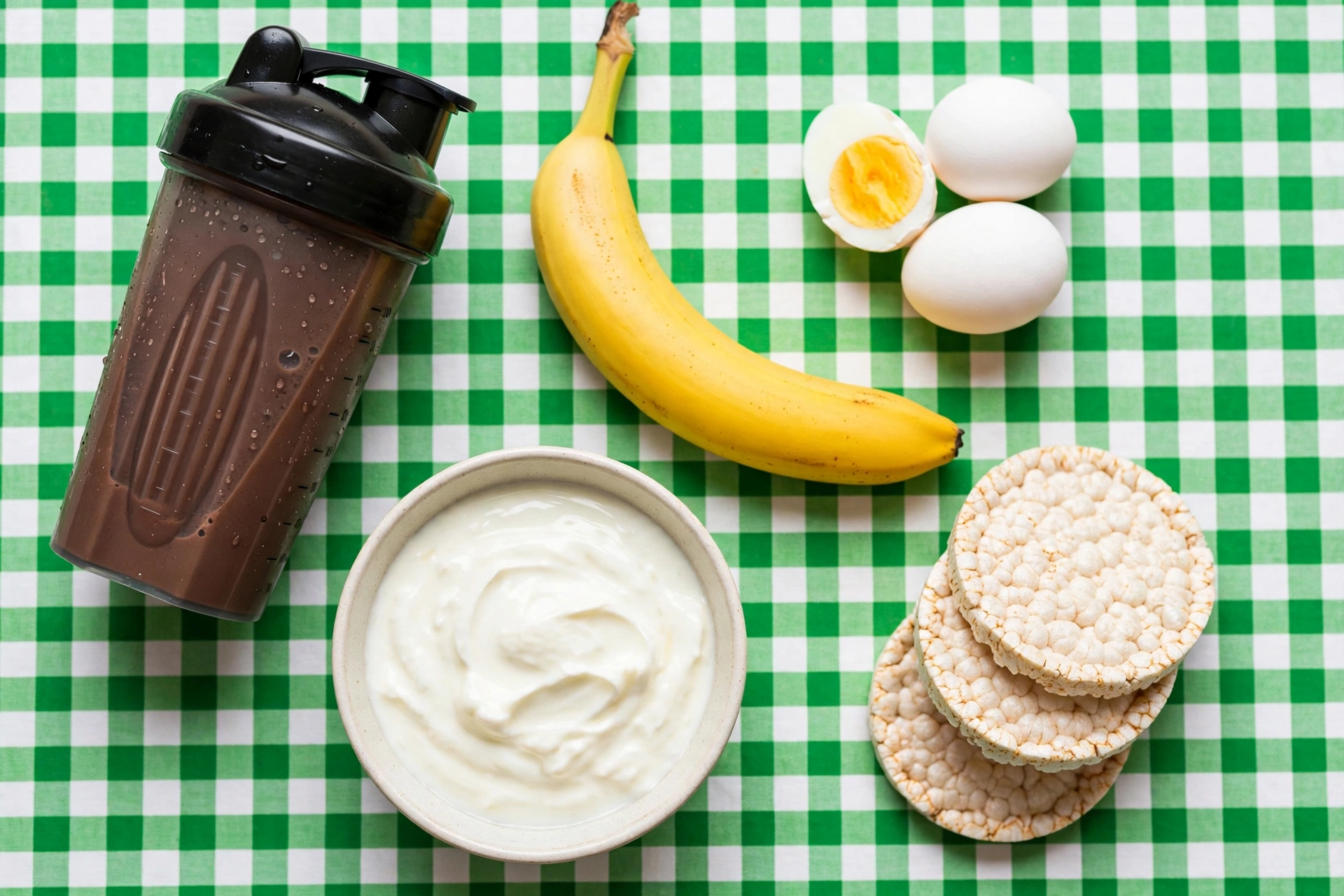
- Greek yogurt with berries, banana, and a drizzle of honey
- Three-egg omelet with whole-grain toast and fruit
- Protein smoothie with milk, banana, oats, and peanut butter
- Lentil curry with brown rice
- Tuna and white bean salad on whole-grain bread
- Overnight oats with yogurt, chia seeds, and mango
What to Avoid After Exercise
A few habits can slow your recovery. Heavy alcohol intake after training interferes with muscle repair and sleep quality, so keep post-workout drinks light or skip them. Skipping the meal entirely — especially after hard sessions — leaves glycogen depleted and makes the next day's training feel harder. And while one fast-food burger will not ruin anything, making ultra-processed, low-protein food your default recovery meal means you miss the nutrients your muscles actually need.
Key Takeaways
- Eat 20–40 grams of protein after training to support muscle repair and growth.
- Include carbohydrates to restore glycogen, especially after long or intense sessions.
- Timing is flexible — eating within a few hours of training is enough for most people.
- Rehydrate with water; add electrolytes after long, sweaty, or hot-weather workouts.
- Keep it simple — balanced whole-food meals beat complicated supplement stacks.





Comments (0)
No comments yet. Be the first to share your thoughts!
Leave a comment