

Direct answer: To stop sugar cravings, eat regular balanced meals with protein, fibre and healthy fats, stay hydrated, sleep well, and keep tempting sweets out of easy reach. When a craving hits, pause, drink water, eat a satisfying snack, or distract yourself for ten to fifteen minutes — most cravings fade.
Sugar cravings are normal, and they do not mean you lack willpower. They can be triggered by hunger, tiredness, stress, habit, or simply seeing something sweet. Learning how to stop sugar cravings is less about strict rules and more about understanding your triggers and building a routine that keeps you satisfied.
This guide shares twelve practical, science-backed strategies you can start today — no need to cut out all sweet foods forever, just enjoy sweetness in balance.
Why Sugar Cravings Happen
A craving is a strong desire for a specific food, often something sweet or salty. Unlike ordinary hunger, which builds gradually and can be satisfied by many foods, a craving usually points to one food and feels urgent.
Hunger is not the same as a craving
When you skip meals or eat meals low in protein and fibre, your blood sugar and energy can dip, and your brain may push you towards quick energy — usually sugar. That is why cravings often strike late in the day, after a long gap between meals or poor sleep. If you often feel hungry between meals, it can help to understand why you are always hungry and what patterns may be driving it.
Common triggers to watch for
- Skipped meals: long gaps between meals can leave you overly hungry and more drawn to sweet foods.
- Tiredness: when you are sleep-deprived, you may crave quick energy and find it harder to resist temptation.
- Stress and emotions: many people reach for sweet food when stressed, bored, or low, because it feels comforting in the moment.
- Habit and environment: a daily biscuit with coffee, or sweets kept on your desk, can turn into an automatic routine.
- Thirst: mild dehydration is sometimes mistaken for hunger or a craving.
How to Stop Sugar Cravings With Balanced Eating
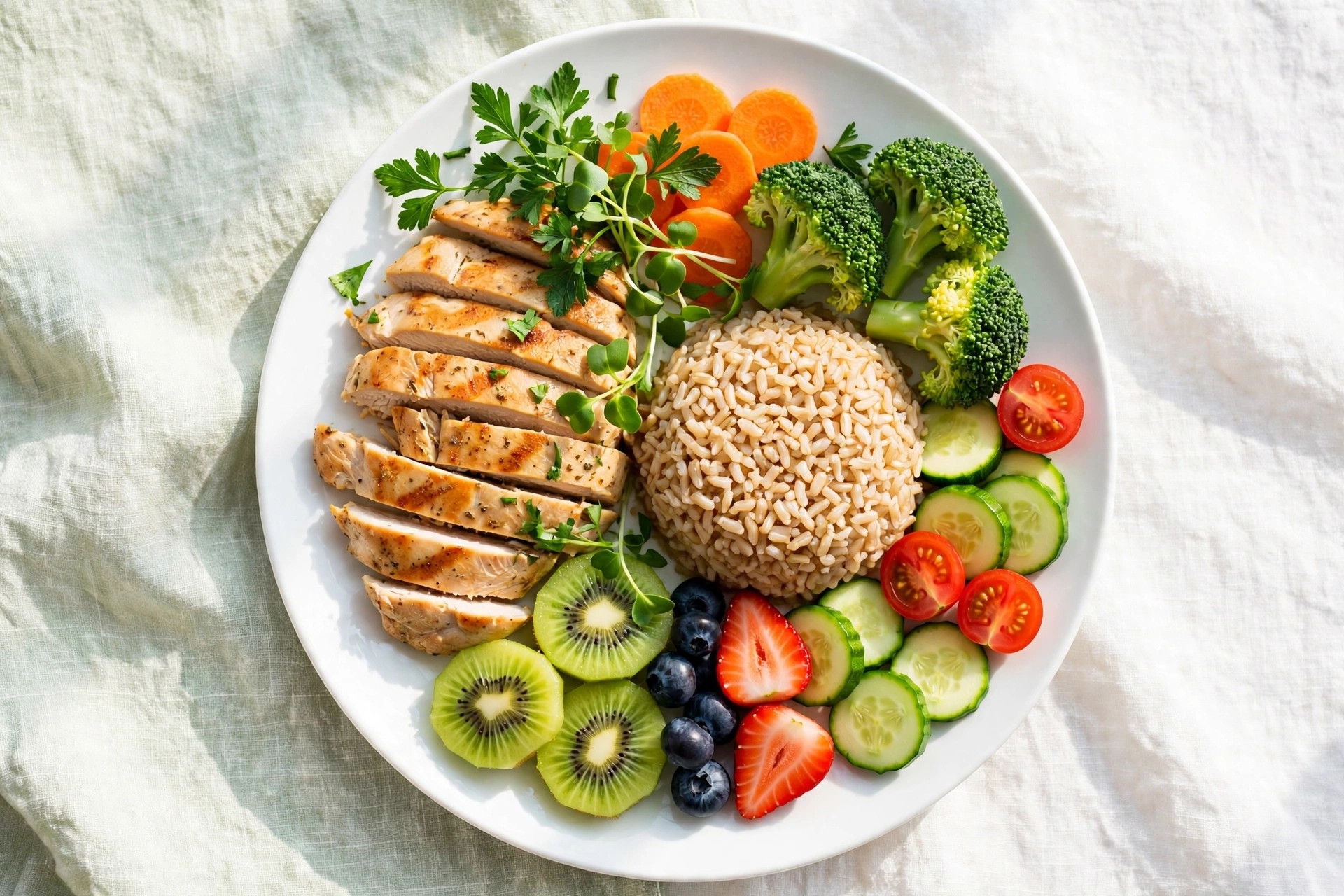
The foundation of fewer cravings is eating enough, regularly, and in balance — when meals keep you full and steady, sweet urges weaken on their own.
- 1. Eat regular meals — do not skip. Aim for three balanced meals a day, with a healthy snack if you need one. Regular eating prevents the extreme hunger that makes sugary foods hard to resist.
- 2. Add protein to every meal. Eggs, yoghurt, beans, lentils, chicken, fish, or tofu help you feel full for longer. A protein-rich breakfast beats refined cereal or pastries alone.
- 3. Include fibre-rich foods. Vegetables, fruit with the skin on, whole grains, beans, and nuts slow digestion and keep you satisfied. Fibre also supports steady energy, so you are less likely to crash and crave sugar.
- 4. Do not fear healthy fats. Olive oil, nuts, seeds, and avocado add satisfaction to meals. A meal too low in fat and protein may leave you hungry within an hour, even if high in calories.
Building balanced meals is easier when you know roughly how much energy you need. The calorie calculator can give you a sensible starting point, so you can plan satisfying meals rather than restrict too sharply.
How to Stop Sugar Cravings in the Moment
Even with good meals, cravings will still appear. The goal is not to fight them perfectly, but to have a plan so one craving does not turn into an unplanned binge.
- 5. Pause before you act. When a craving hits, wait ten to fifteen minutes before deciding. Drink a glass of water, step outside, or do a small task. Many cravings pass on their own once the immediate urge fades.
- 6. Drink water first. Have a glass of water and check whether you were actually thirsty. If you still want something sweet afterwards, choose a smaller, more satisfying option rather than eating on autopilot.
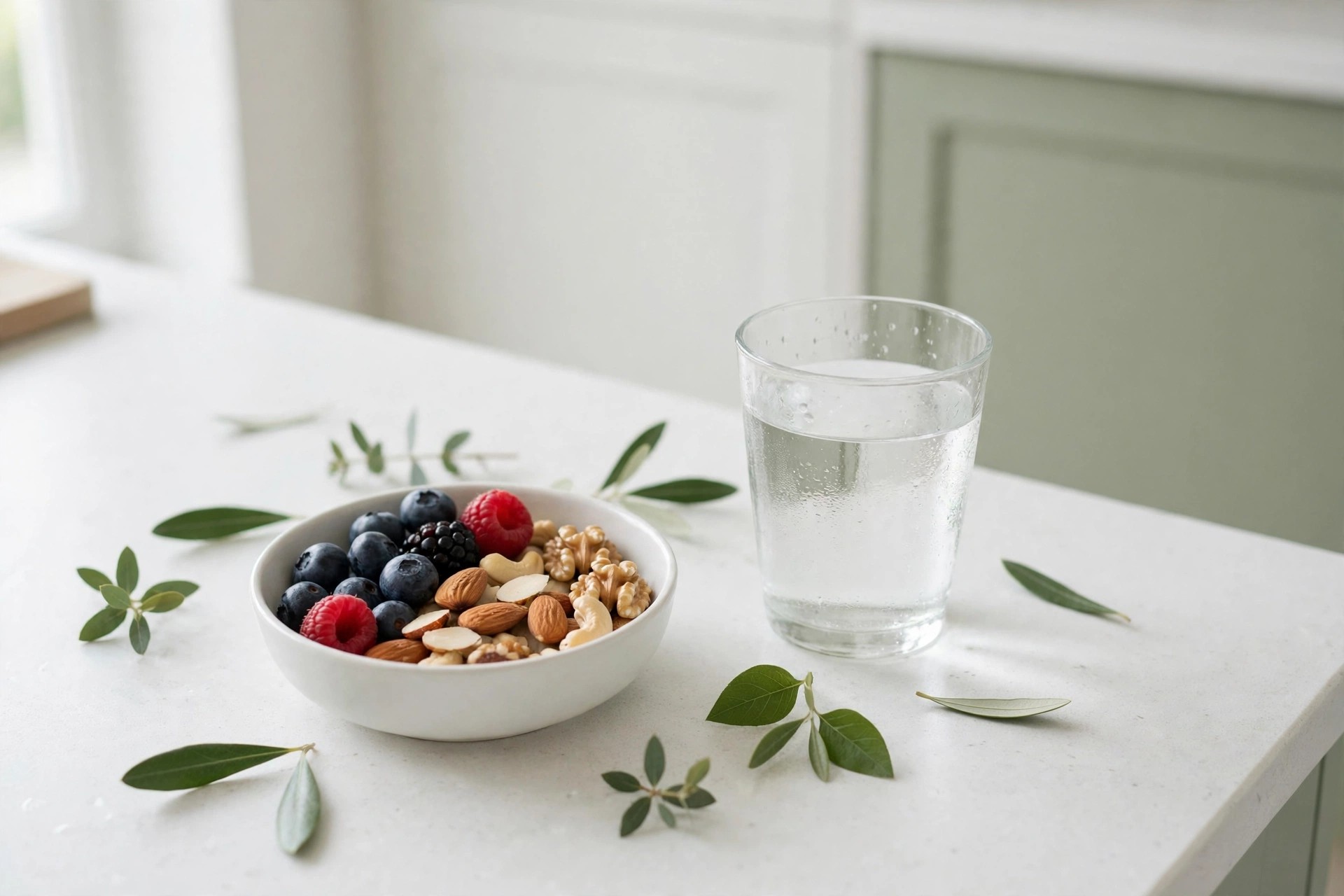
- 7. Choose a satisfying sweet swap. Fresh fruit, berries with yoghurt, nuts with dark chocolate, or a warm cinnamon drink can satisfy sweetness without much added sugar — keeping these ready makes the healthier choice easy.
- 8. Make temptation less convenient. Keep sweets out of sight, or do not keep large quantities at home. If a food takes effort to get, you give yourself time to decide whether you really want it. This is not about banning foods — it is about removing constant, effortless triggers.
How to Stop Sugar Cravings for Good: Habits That Last
Long-term change comes from sleep, movement, stress management, and a flexible attitude to food — habits that reduce the conditions creating cravings.
- 9. Protect your sleep. Aim for a regular sleep routine and a dark, quiet bedroom. Poor sleep affects appetite hormones and decision-making, making sugary foods more appealing next day; even small sleep improvements can noticeably reduce daytime cravings.
- 10. Move your body daily. A walk, short workout, or gentle stretching can lift mood and reduce stress-related cravings. Exercise is not punishment for eating sugar — feeling better makes balanced choices easier.
- 11. Manage stress without food. Try a short walk, deep breathing, journalling, talking to a friend, or an enjoyable hobby. Addressing stress itself works better than relying on willpower alone.
- 12. Allow planned treats — without guilt. A flexible approach beats an all-or-nothing rule: plan a portion you truly enjoy, eat it slowly, and move on. Guilt after a treat often leads to more eating, not less. If your goal is weight loss, a moderate, sustainable plan matters more than perfection; see this guide to what a calorie deficit is and how to use it safely.
Checking your overall energy needs also helps keep your plan realistic. The BMR and TDEE calculator estimates your daily energy use, preventing overly strict plans that tend to increase cravings.
Key Takeaways
- Eat regular, balanced meals with protein, fibre, and healthy fats to stay full and steady.
- When a craving hits, pause, drink water, and wait ten to fifteen minutes before deciding.
- Keep satisfying sweet swaps ready, such as fruit, yoghurt, and nuts.
- Protect your sleep, move daily, and manage stress — these reduce cravings at their source.
- Allow planned treats without guilt; a flexible approach lasts longer than strict bans.
- Cravings are normal and manageable — one sweet food does not undo your progress.
Frequently Asked Questions
Why do I crave sugar at night?
Night-time cravings are common, often linked to tiredness, a light evening meal, habit, or using sweet food to unwind. A satisfying dinner with protein and fibre, a regular sleep routine, and a planned snack such as fruit and yoghurt can help. If late-night eating is frequent, check your daytime meals and sleep first.
Does quitting sugar completely stop cravings?
Not necessarily. A total ban can make sweet foods feel more desirable and harder to resist, especially socially. For most people, reducing added sugar gradually while eating balanced meals works better than strict elimination, and planned treats in moderate portions support long-term success better than an all-or-nothing rule.
Are fruit sugars as bad as added sugars?
No. Whole fruit contains natural sugars with fibre, water, vitamins, and minerals, which slow digestion and increase fullness. Added sugars in sweets, sugary drinks, and pastries provide energy with little nutrition and are easier to overeat, so whole fruit is a sensible way to satisfy sweetness.
How long does a sugar craving last?
Most cravings peak and fade within minutes, often in ten to twenty minutes, especially if you distract yourself. Drinking water, a short walk, brushing your teeth, or another task can help the urge pass. If cravings are constant and intense, check whether you eat enough overall, sleep poorly, or face unusual stress.
Can drinking water really help with sugar cravings?
Yes, sometimes. Thirst can be mistaken for hunger, and a glass of water gives you a pause to check what you really need. Water alone will not remove every craving, but with regular meals and a short delay, it is a simple, useful first step before choosing a snack.
Disclaimer: This article is for general information only and is not medical advice. If you have diabetes, an eating disorder, or another health condition, or if cravings feel unmanageable, please speak to a qualified healthcare professional.





Comments (0)
No comments yet. Be the first to share your thoughts!
Leave a comment