
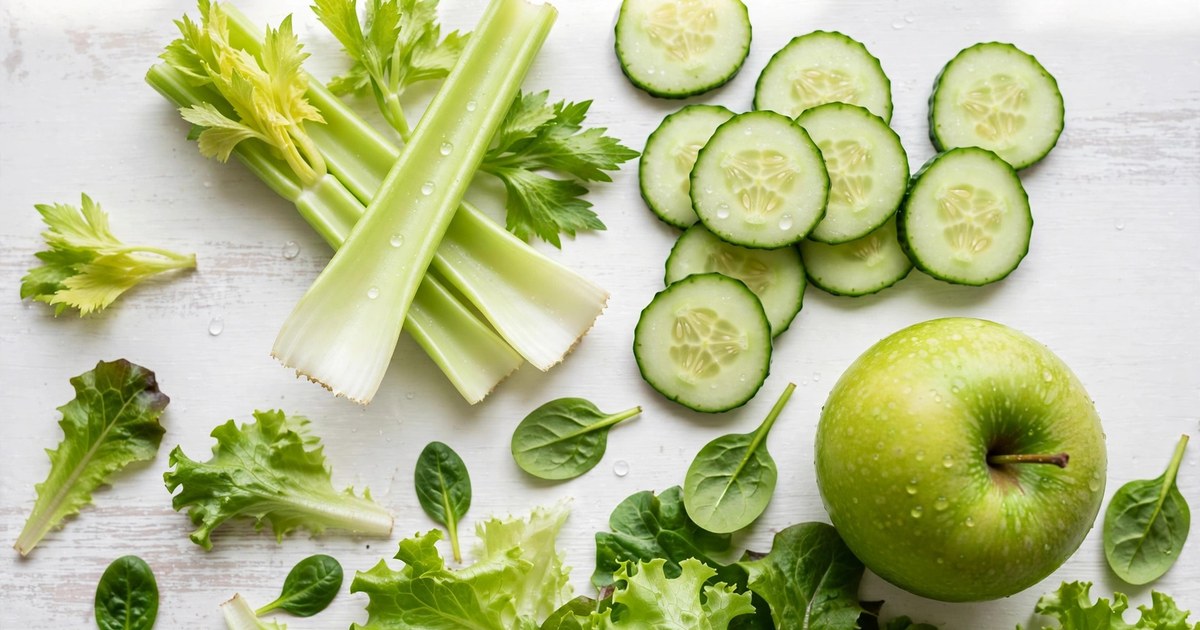
No — negative-calorie foods do not exist. No food on earth requires more energy to chew and digest than it actually provides. Celery, cucumbers, and other so-called "zero-calorie" foods are simply very low in calories, which makes them excellent for weight loss — but they still add calories to your day, not subtract them.
You have probably seen the viral lists: celery, cucumbers, lettuce, grapefruit — foods that supposedly burn more calories than they contain. The idea of negative calorie foods is one of the most persistent diet myths on the internet, promising weight loss simply by eating more. It sounds too good to be true, and this time, the science fully agrees that it is.
But here is the good news: that does not make these foods useless for weight loss — far from it. Foods marketed as "negative calorie" are genuinely some of the best foods you can eat when you are trying to slim down. They just do not work the way the myth claims. Let us separate fact from fiction, and show you how to use these foods the smart way.
What Are Negative Calorie Foods Supposed to Be?
The claim behind negative calorie foods goes like this: certain foods are so low in energy, and so high in water and fiber, that your body burns more calories chewing and digesting them than they contain. Eat enough of them, the story goes, and you create a "negative" calorie intake that melts fat away.
Online lists of these miracle foods usually include celery, cucumbers, apples, lettuce, cabbage, watermelon, grapefruit, tomatoes, zucchini, carrots, and berries. If you have ever wondered why these lists never include cheese, bread, or chocolate, you already sense the flaw in the logic.
How Many Calories Does Digesting Food Actually Burn?
Your body does spend energy on digestion — scientists call it the thermic effect of food. But it is far smaller than the myth suggests. Roughly speaking, digesting protein uses about 20–30% of its calories, carbohydrates use about 5–10%, and fat uses almost none. For a typical mixed meal, digestion burns roughly 10% of the calories eaten.
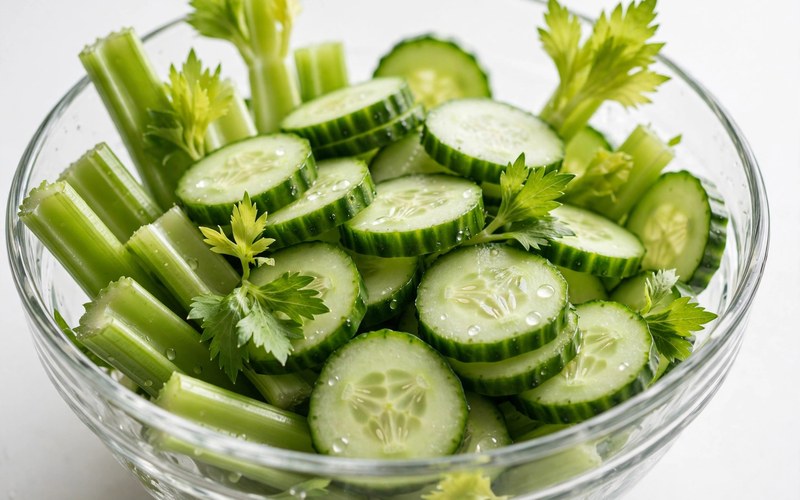
Now apply that to celery, which contains about 16 calories per 100 grams. Digesting it might cost your body 1–2 calories at most — leaving a net gain of around 14–15 calories. The same math applies to every other food on those viral lists: digestion always costs only a small fraction of the energy the food provides.
The Truth: Why Negative Calorie Foods Don't Exist
No published research has ever demonstrated a food with a negative net energy value, and the reason is simple arithmetic. Even the most watery vegetable delivers more energy than digestion consumes. A large cucumber contains around 45 calories; digesting it might burn 4–5. That leaves about 40 calories — positive, not negative.
The myth survives because it confuses two very different ideas: "very low in calories" and "negative in calories." Celery is genuinely one of the lowest-calorie foods you can eat — but lowest is not the same as less than zero.
How "Negative Calorie Foods" Actually Help With Weight Loss
Here is what the myth gets right: these foods really are fantastic for weight loss. They just work through fullness and food swaps, not through magic calorie-burning.
They fill you up for almost no calories
Water and fiber add volume to your stomach without adding much energy. A big bowl of cucumber and tomato salad can quiet hunger for under 50 calories, while the same volume of chips could easily cost 500. Your stomach's stretch receptors signal fullness based on volume — and these foods deliver maximum volume for minimum calories.
Fiber slows digestion and steadies appetite
The fiber in apples, carrots, and berries slows down digestion and helps you feel satisfied longer after eating. Fiber also feeds the beneficial bacteria in your gut. If you want to understand why it matters so much, read our guide on fiber benefits for weight loss and gut health.
They replace higher-calorie foods
The real weight-loss power of these foods comes from substitution. Crunchy celery sticks instead of crackers, a side salad instead of fries, watermelon instead of ice cream — every swap saves hundreds of calories. Combined with an overall calorie deficit, these small swaps add up to steady, sustainable fat loss.
Real Calorie Counts of Popular "Negative Calorie" Foods
Here is what these famous foods actually contain per 100 grams — still impressively low, just not negative:
- Celery: ~16 calories
- Cucumber: ~15 calories
- Lettuce: ~15 calories
- Zucchini: ~17 calories
- Tomatoes: ~18 calories
- Cabbage: ~25 calories
- Watermelon: ~30 calories
- Strawberries: ~32 calories
- Grapefruit: ~42 calories
- Apple: ~52 calories
Notice the pattern: every single one delivers a small but positive amount of energy. If you log your meals for a day of eating these foods, you will see they add up slowly — which is exactly why they are so useful in a weight-loss diet.
How to Use Low-Calorie Foods for Real Weight Loss
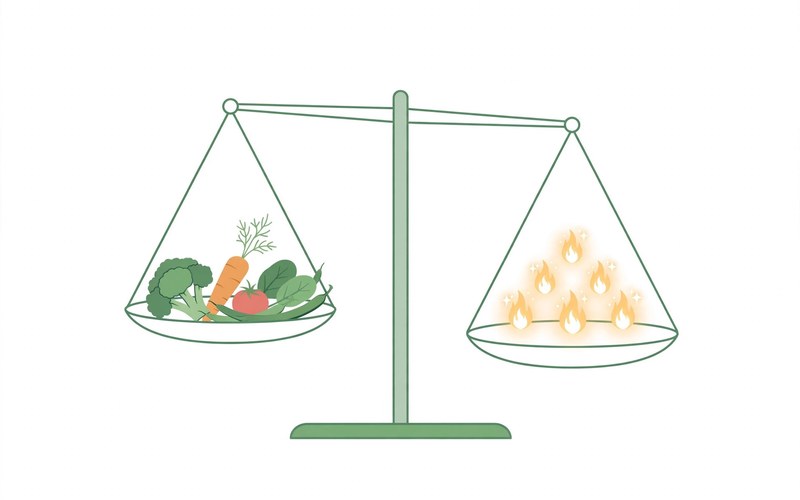
Forget the idea of eating your way to a calorie deficit with magic foods. Instead, use these foods strategically:
- Fill half your plate with vegetables at lunch and dinner — volume first, calories second.
- Snack smart: keep cut cucumber, celery, and berries ready in the fridge for moments of hunger.
- Pair with protein: apple slices with yogurt or celery with cottage cheese keep you full far longer than vegetables alone. Learn the basics in our macros 101 guide.
- Track the whole picture: even low-calorie foods count. Use our free BMR and TDEE calculator to find your daily calorie target, then stay in a modest deficit.
- Move daily: food does the heavy lifting, but activity speeds things up — start with our walking for weight loss guide.
Key Takeaways
- No food has negative calories — digestion burns only a small fraction of the energy food provides.
- So-called "negative calorie foods" are simply very low in calories, and that is what makes them valuable.
- Their real power is volume: water and fiber fill your stomach and keep hunger away for few calories.
- Use them to replace higher-calorie foods, not as magic fat burners.
- Sustainable weight loss comes from a consistent calorie deficit — these foods just make that deficit easier to live with.
Comments (0)
No comments yet. Be the first to share your thoughts!
Leave a comment