
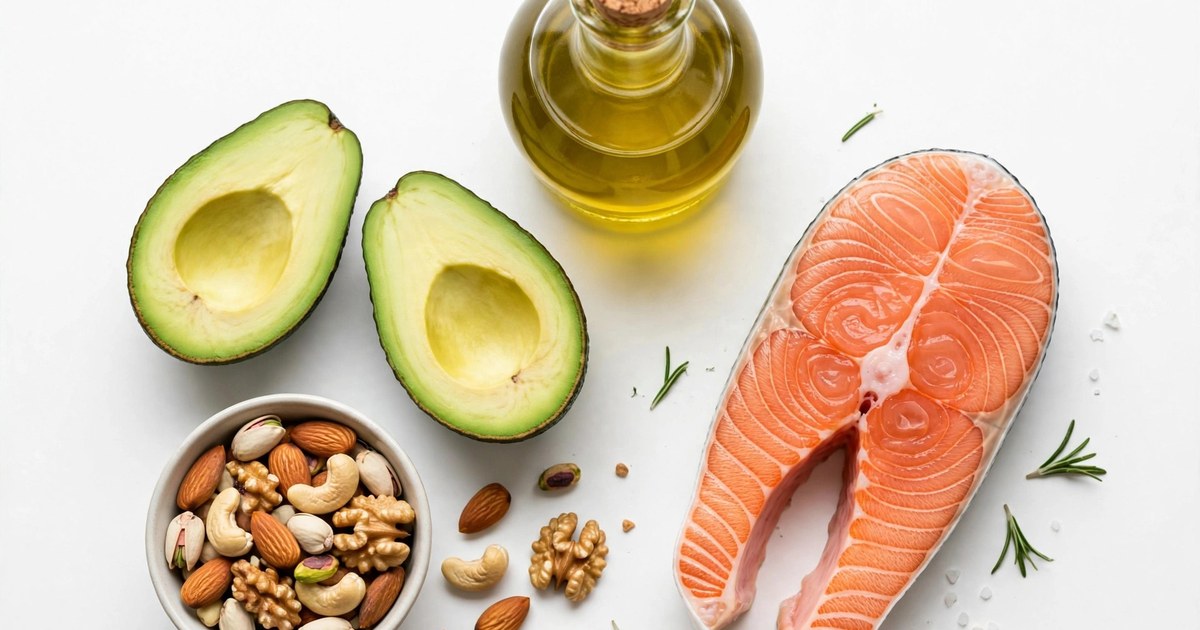
Healthy fats vs. unhealthy fats: which should you eat? Choose more healthy fats — the unsaturated fats found in olive oil, nuts, seeds, fatty fish, and avocado — and limit unhealthy fats, mainly artificial trans fats (best avoided entirely) and excess saturated fat from processed meats, butter, and palm oil. Aim for 20–35% of your calories from fat, mostly unsaturated.
Fat has had a dramatic reputation arc: blamed for decades, then praised, then feared again. Nutrition science has landed on a calmer truth — fat is not the enemy. Your body needs it to absorb vitamins A, D, E, and K, build cell membranes, cushion organs, and produce hormones. The real question was never whether to eat fat, but which fats to eat. This guide to healthy fats vs. unhealthy fats gives you a practical, no-nonsense answer.
Healthy Fats vs Unhealthy Fats: What's the Difference?
Every fat you eat is made of fatty acids, but their chemical structure changes how they behave in your body. That structure is what puts a fat into one of the familiar groups — and it is the reason dietitians talk about healthy fats vs. unhealthy fats instead of treating all fat the same.
Unsaturated fats: the healthy fats
Unsaturated fats are liquid at room temperature and are generally considered the healthiest choice. There are two main types:
- Monounsaturated fats — found in olive oil, avocados, almonds, peanuts, and sesame oil.
- Polyunsaturated fats — including omega-3 fatty acids (EPA and DHA in salmon, sardines, and mackerel; ALA in flaxseed, chia seeds, and walnuts) and omega-6 fatty acids (in sunflower, safflower, and soybean oils).
One of the most consistent findings in nutrition research is that replacing saturated fat with unsaturated fat is linked to healthier blood cholesterol levels and a lower risk of heart disease. When in doubt, reach for the unsaturated option.
Saturated fats: enjoy in moderation
Saturated fats are typically solid at room temperature and come mostly from animal foods — red meat, butter, cheese, and full-fat dairy — plus tropical oils like coconut and palm oil, and many pastries and packaged snacks. Saturated fat raises LDL ("bad") cholesterol more than unsaturated fat does, which is why dietary guidelines suggest keeping it moderate rather than making it your main fat source. You don't need to eliminate it: small amounts in an otherwise balanced diet are fine for most people.
Trans fats: the ones to avoid
Artificial trans fats are created when liquid vegetable oils are partially hydrogenated to make them solid. They hide in some margarines, shortenings, deep-fried foods, and packaged baked goods. Trans fats are uniquely harmful: they raise LDL cholesterol and lower HDL ("good") cholesterol, a combination linked to higher heart disease risk. Many countries have restricted or banned them — and the simplest rule for your plate is to avoid them as much as you can.
Healthy Fats Worth Eating Every Week
Forget complicated rules. If most of your fat comes from the foods below, you are getting the healthy fats vs. unhealthy fats comparison right:
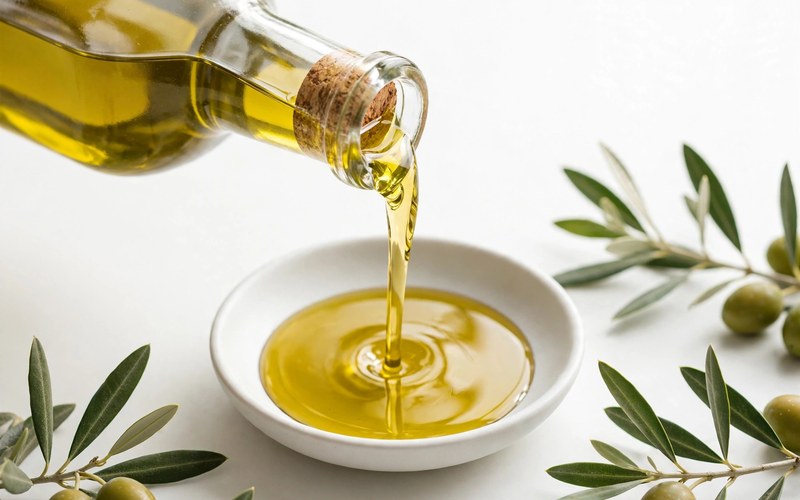
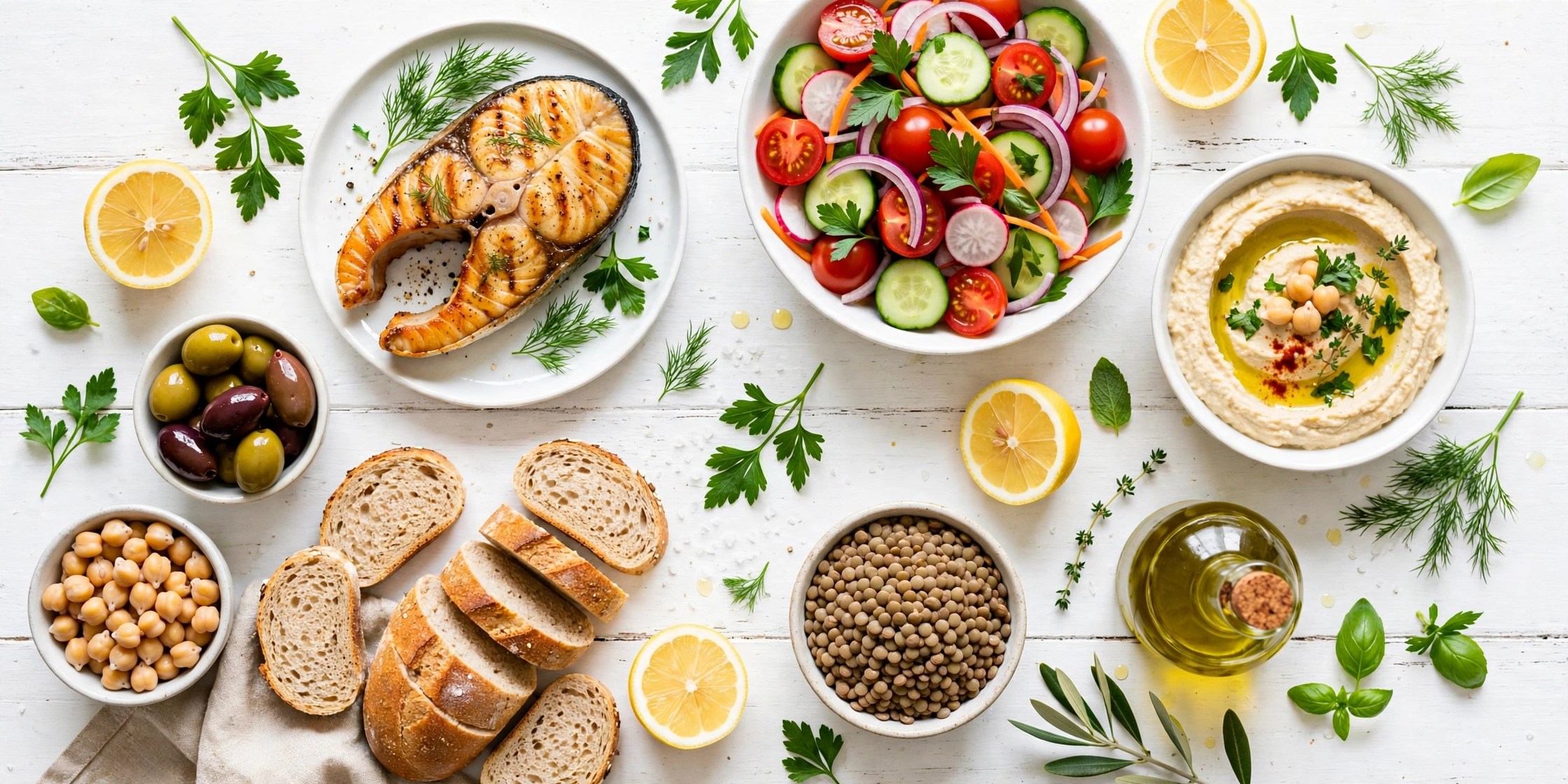
- Extra-virgin olive oil — the backbone of the Mediterranean diet and one of the best-studied healthy fats. Use it for salads, drizzling, and low-to-medium-heat cooking.
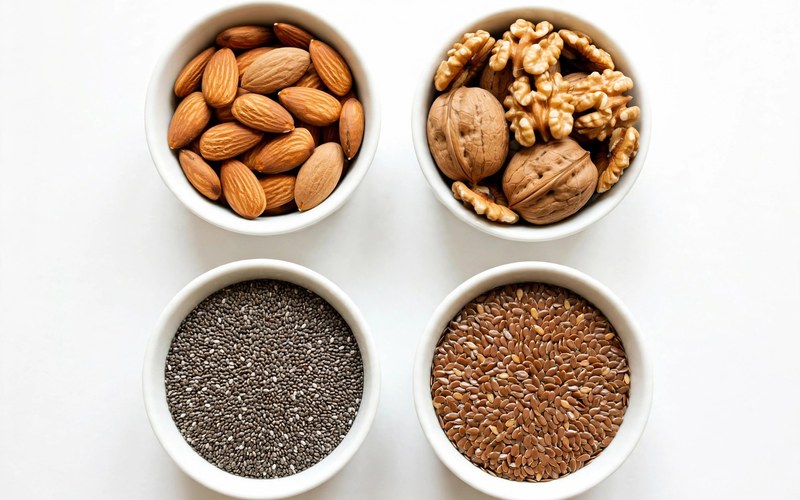
- Nuts and seeds — almonds, walnuts, pistachios, peanuts, flaxseed, chia seeds, and pumpkin seeds. A small handful (about 30 grams) makes a satisfying snack rich in unsaturated fat, fiber, and minerals.
- Fatty fish — salmon, sardines, mackerel, and trout deliver omega-3s your body cannot make efficiently on its own. Most dietary guidelines suggest about two servings of fish per week.
- Avocado — creamy, filling, and rich in monounsaturated fat plus fiber and potassium. Mash it on toast instead of butter for an instant upgrade.
- Natural peanut butter and tahini — look for versions with no added sugar or hydrogenated oils (check the ingredients list, not just the front of the jar).
How Much Fat Do You Need Each Day?
You don't need to fear fat to eat well — you need enough of it. General guidance from nutrition authorities suggests getting about 20–35% of your daily calories from fat. On a 2,000-calorie diet, that is roughly 44–78 grams of fat per day. Your personal number depends on your calorie needs, which you can estimate with the BMR & TDEE calculator — and remember that fat is just one of the three macronutrients, alongside protein and carbs (see our macros 101 guide for the full picture).
Aim for most of that fat to be unsaturated, keep saturated fat modest, and keep trans fat as close to zero as you can. If you track your meals, the meal log makes it easy to see where your fats are coming from each day.
Healthy Fats vs Unhealthy Fats: 7 Simple Swaps
Knowledge only helps if it changes what is on your plate. These swaps keep the flavor and quietly move your diet from unhealthy fats toward healthy ones:
- Butter → olive oil for sautéing and roasting vegetables.
- Creamy dressings → olive oil + lemon juice (or vinegar) with a pinch of salt and herbs.
- Chips and crackers → a handful of nuts or seeds for your afternoon snack.
- Deep-fried foods → baked, grilled, or air-fried versions at home, where you control the oil.
- Processed meats (sausages, salami) → grilled fish, chicken, or legumes a few times a week.
- Butter on toast → mashed avocado with a squeeze of lemon.
- Sugary coffee creamers → a splash of milk — flavored creamers often hide hydrogenated oils.
How to Spot Healthy Fats vs Unhealthy Fats on Labels
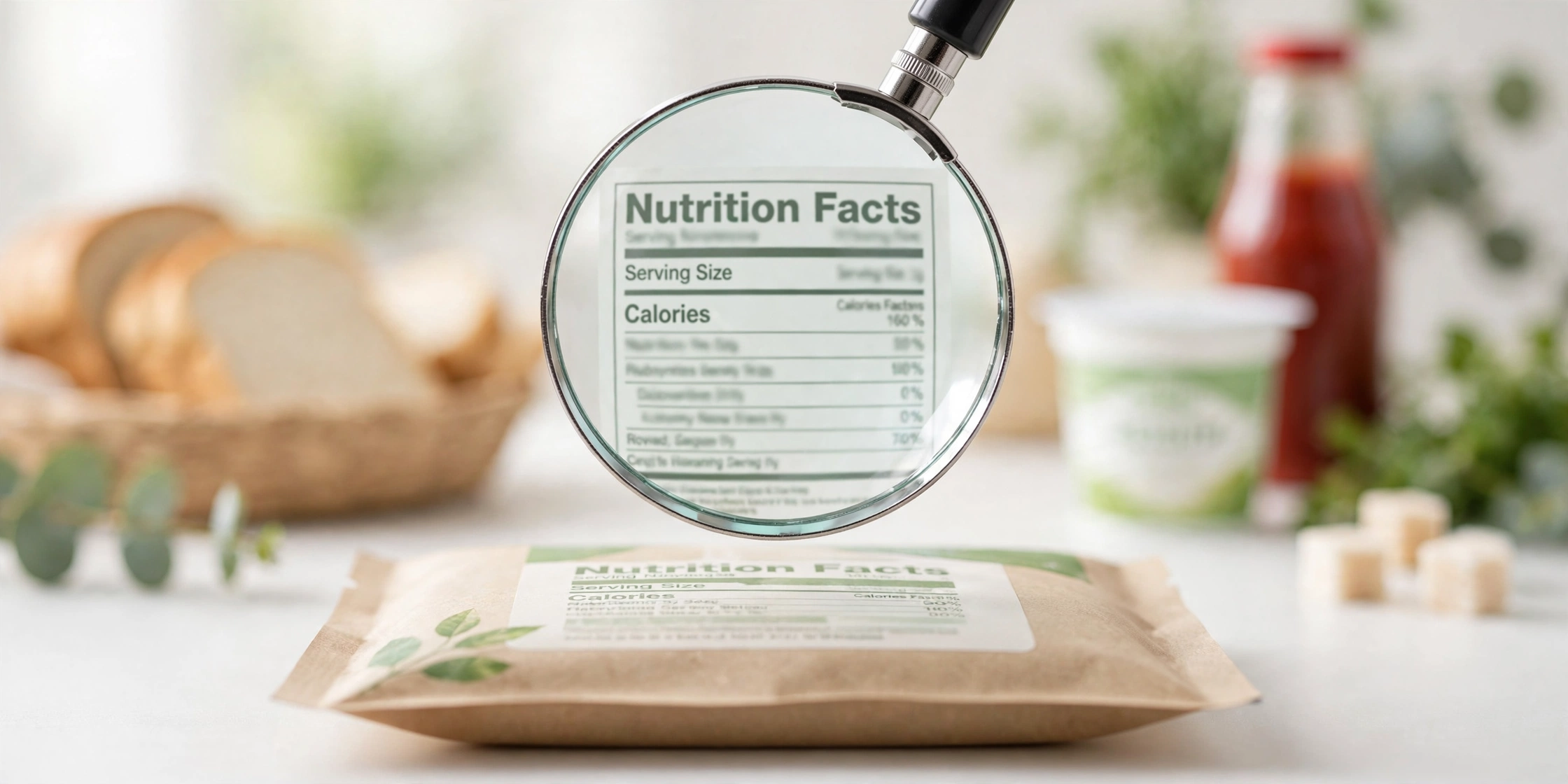
The nutrition label tells you the truth the packaging won't. Check the "total fat" line, then look at the breakdown: saturated fat and trans fat are usually listed separately. In the ingredients, watch for the words "partially hydrogenated" — that is code for artificial trans fat. As a rule of thumb, the shorter and more recognizable the ingredient list, the better. Our beginner's guide to reading nutrition labels walks you through the whole panel step by step.
Key Takeaways
- Eat more: unsaturated fats from olive oil, nuts, seeds, fatty fish, and avocado.
- Limit: saturated fat from processed meats, butter, cheese, and palm or coconut oil.
- Avoid: artificial trans fats — check ingredients for "partially hydrogenated" oils.
- How much: about 20–35% of daily calories from fat, mostly unsaturated.
- The easy rule: cook with olive oil, snack on nuts, eat fish twice a week, and read labels.
Comments (0)
No comments yet. Be the first to share your thoughts!
Leave a comment