
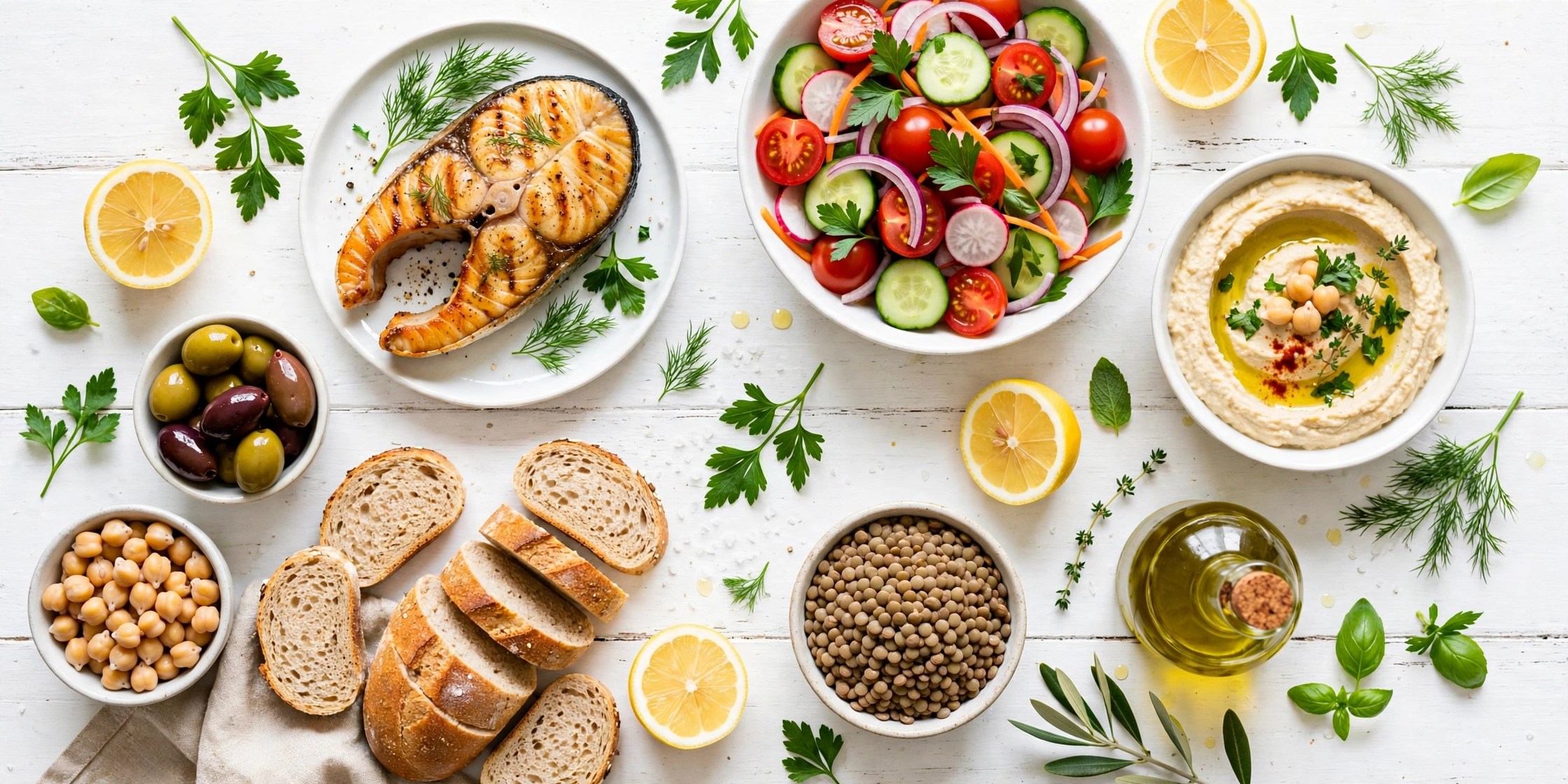
The Mediterranean diet is a way of eating inspired by the traditional food patterns of countries bordering the Mediterranean Sea, such as Greece, Italy, and Spain. It emphasizes vegetables, fruits, whole grains, legumes, fish, and olive oil, while limiting red meat and highly processed foods. It is one of the most studied and widely recommended eating patterns in the world.
What Is the Mediterranean Diet?
Unlike a strict "diet" with rules and calorie counting, the Mediterranean diet is a flexible, sustainable way of eating built around whole, minimally processed foods. Meals are typically centered on plants, with olive oil as the main source of fat, fish and legumes as common protein sources, and herbs and spices adding flavor instead of excess salt.
This eating pattern has been associated in large observational studies and clinical trials with benefits for heart health, blood sugar control, and longevity. Rather than chasing quick results, it focuses on long-term, enjoyable habits — which is exactly why so many people stick with it.
Core Principles of the Mediterranean Diet
Here are the building blocks that make this way of eating work:
- Olive oil as the primary fat: Use extra-virgin olive oil for cooking and dressings instead of butter or refined oils.
- Plenty of vegetables and fruits: Aim for a variety of colors at every meal — leafy greens, tomatoes, peppers, eggplant, citrus, berries.
- Whole grains: Choose whole wheat bread, brown rice, oats, barley, bulgur, and whole-grain pasta.
- Legumes and nuts: Lentils, chickpeas, and beans several times a week; a small handful of nuts daily.
- Fish and seafood: At least twice a week, especially oily fish like sardines, mackerel, and salmon.
- Moderate dairy, eggs, and poultry: Enjoy yogurt and cheese in moderate portions; eggs and poultry a few times a week.
- Rare red meat and sweets: Red meat only a few times a month; sweets as occasional treats, not daily habits.
- Water as the main drink: Herbal teas and coffee in moderation; sugary drinks avoided.
Foods to Eat Often
- Vegetables: spinach, broccoli, tomatoes, cucumbers, peppers, eggplant, zucchini
- Fruits: apples, oranges, grapes, berries, figs, dates
- Whole grains: oats, brown rice, whole wheat bread, quinoa, bulgur
- Legumes: lentils, chickpeas, black beans, kidney beans
- Nuts and seeds: almonds, walnuts, sunflower seeds, sesame
- Fish and seafood: sardines, mackerel, salmon, shrimp
- Healthy fats: extra-virgin olive oil, avocado
- Herbs and spices: garlic, oregano, basil, cumin, turmeric, lemon
Foods to Limit
- Red and processed meats (sausages, bacon, salami)
- Refined grains (white bread, pastries, sugary cereals)
- Butter, margarine, and refined seed oils
- Sugary drinks, candy, and desserts
- Highly processed snacks and fast food
How to Start the Mediterranean Diet: A Simple 1-Day Sample Meal Plan
You don't need fancy ingredients to begin. Here's a realistic day of eating the Mediterranean way:
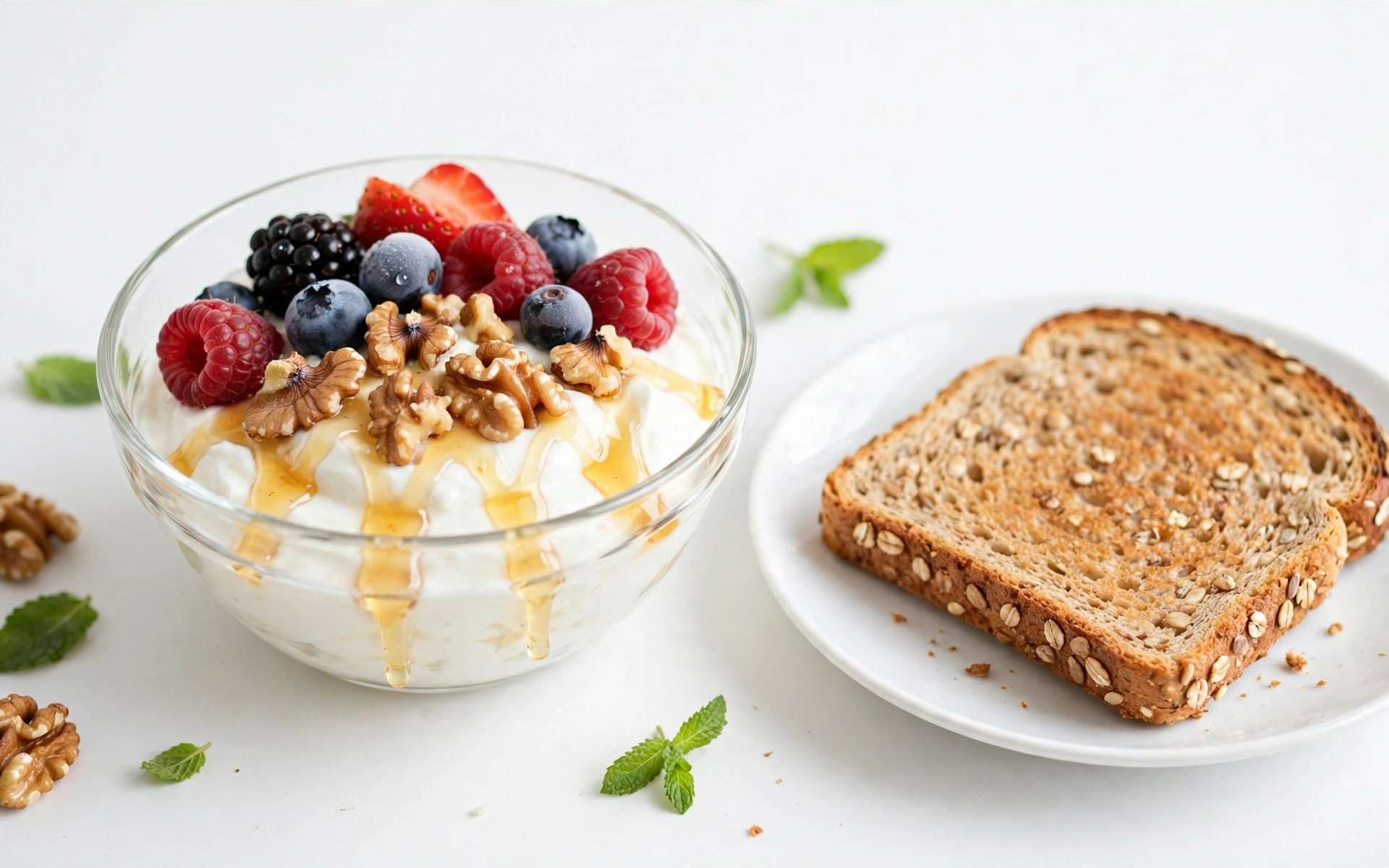
- Breakfast: Greek yogurt topped with honey, walnuts, and fresh berries; a slice of whole-grain toast.
- Mid-morning snack: An apple with a small handful of almonds.
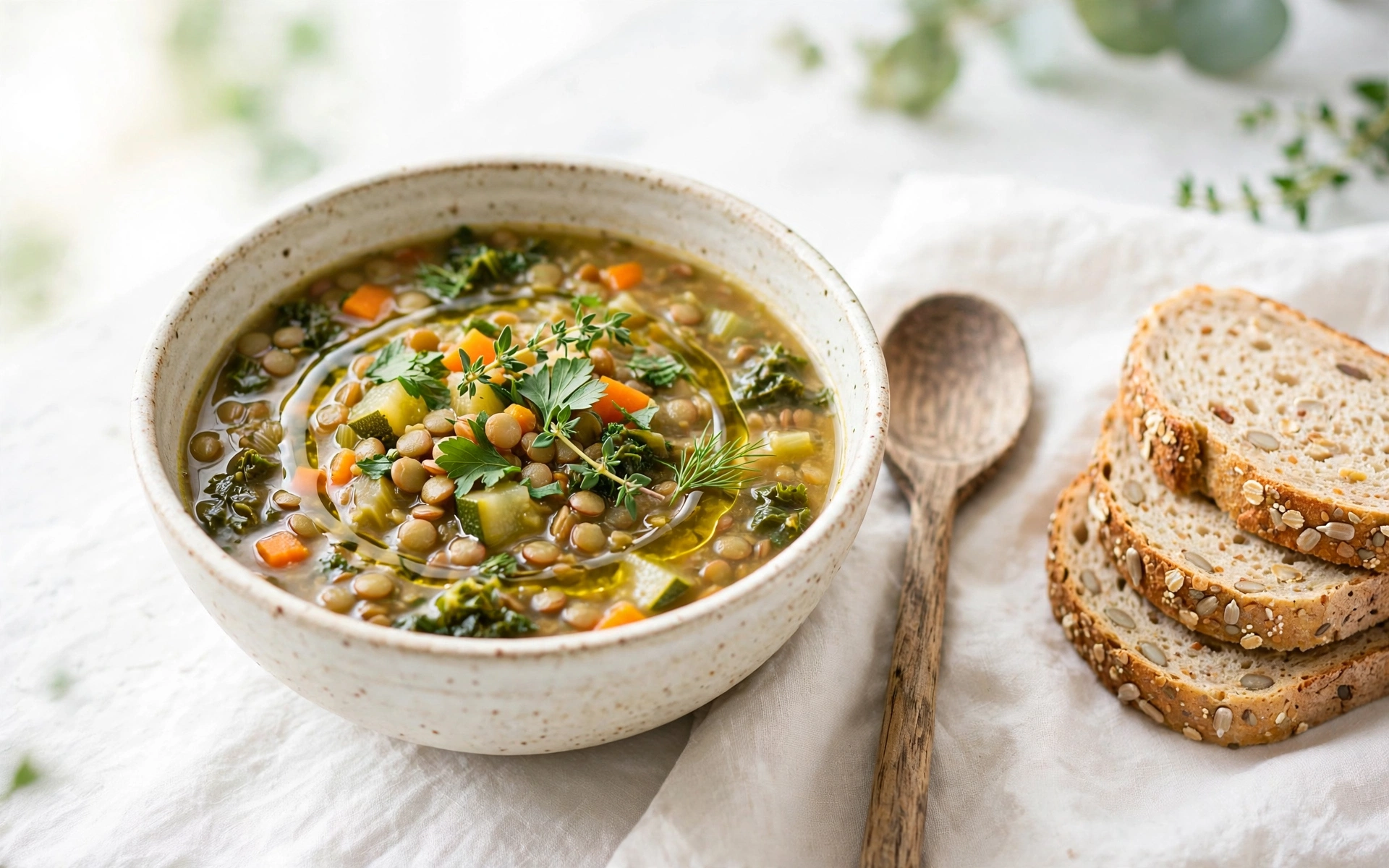
- Lunch: Lentil and vegetable soup with a drizzle of olive oil, served with whole-grain bread and a side salad.
- Afternoon snack: Hummus with carrot and cucumber sticks.
- Dinner: Grilled fish (or baked chicken) with roasted vegetables, a small portion of brown rice, and a squeeze of lemon.
- Optional dessert: A few dates or a small piece of dark chocolate.
Notice the pattern: plants at every meal, olive oil instead of butter, fish or legumes as protein, and whole grains for steady energy. To understand how these foods fit your daily targets, you can log your meals in our meal log tool and check your overall intake with the nutrition calculator.
Mediterranean Diet Tips for Non-Mediterranean Regions
You don't have to live near the Mediterranean Sea — or shop at expensive import stores — to eat this way. The principles adapt easily to local cuisines:
- Desi kitchens: Chickpeas (chana), lentils (dal), and kidney beans (rajma) are already Mediterranean staples — just cook them with less oil and more vegetables. Swap heavy ghee-based tadkas for a drizzle of olive oil or mustard oil in lighter dishes, and choose whole-wheat roti over refined-flour naan.
- Use what grows locally: Seasonal vegetables and local fish work just as well as imported produce. Frozen fish and vegetables are fine too.
- Spice it your way: Cumin, turmeric, coriander, and chili fit perfectly into Mediterranean-style cooking — flavor doesn't have to mean bland.
- Start with one meal: Change breakfast first (yogurt + fruit + nuts), then lunch, then dinner. Small steps beat a total overnight overhaul.
- Cook at home more often: Home-cooked meals naturally cut down on processed foods, added sugar, and unhealthy fats.
Common Mistakes Beginners Make
- Going overboard on olive oil: It's healthy, but still calorie-dense — one to two tablespoons per meal is plenty.
- Ignoring portion sizes: Even healthy foods add up. If weight loss is your goal, learn the basics of a safe calorie deficit.
- Skipping protein balance: Make sure each meal has a solid protein source — fish, legumes, yogurt, or eggs. Our macros guide explains how protein, carbs, and fat work together.
- Treating it as a short-term diet: The real benefit comes from making it your default way of eating, not a 30-day challenge.
Key takeaways
- The Mediterranean diet is a flexible eating pattern centered on plants, olive oil, fish, and whole grains — not a strict short-term diet.
- Build meals around vegetables, legumes, whole grains, and healthy fats; limit red meat, refined grains, and sugary foods.
- Start simple: change one meal at a time and use a 1-day sample plan as your template.
- The principles adapt to any cuisine — chickpeas, lentils, and local spices fit right in.
- Consistency matters more than perfection; enjoy food, eat mindfully, and make it sustainable.
Mediterranean Diet FAQs
Is the Mediterranean diet good for weight loss?
It can support weight loss because it emphasizes filling, fiber-rich foods and limits calorie-dense processed foods — but weight loss still requires eating fewer calories than you burn. Studies show people tend to lose weight more sustainably on this pattern than on very restrictive diets. Pairing it with a modest calorie deficit gives the best results.
Can I follow the Mediterranean diet as a vegetarian?
Absolutely — it's one of the easiest eating patterns to adapt for vegetarians. Legumes, lentils, chickpeas, nuts, eggs, yogurt, and cheese already play a big role in it. Just replace fish with extra legumes, tofu, or tempeh, and make sure you get enough protein and vitamin B12 from dairy, eggs, or fortified foods.
Is olive oil really better than other cooking oils?
Extra-virgin olive oil is rich in monounsaturated fats and antioxidants, and it's the best-studied cooking fat in nutrition research. That said, it still contains about 120 calories per tablespoon, so use it generously for flavor but mindfully for portions. For high-heat desi-style cooking, mustard oil or a light olive oil blend can be practical alternatives.
How quickly will I see results on the Mediterranean diet?
Most people notice better digestion and steadier energy within a couple of weeks. Measurable changes like improved cholesterol or blood pressure typically take 8–12 weeks of consistent eating. Think of it as a long-term lifestyle shift rather than a quick fix — the benefits compound over time.
Is the Mediterranean diet expensive?
It doesn't have to be. The cheapest staples — lentils, chickpeas, beans, seasonal vegetables, rice, oats, and eggs — are among the most affordable foods in any market. Save money by buying produce in season, using frozen vegetables, and choosing local fish instead of imported varieties.
Can I eat bread and pasta on the Mediterranean diet?
Yes — but choose whole-grain versions. Whole wheat bread, brown rice pasta, and other whole grains are core Mediterranean staples. The key is portion balance: pair them with plenty of vegetables, legumes, and healthy fats rather than making refined carbs the star of every meal.

Comments (0)
No comments yet. Be the first to share your thoughts!
Leave a comment