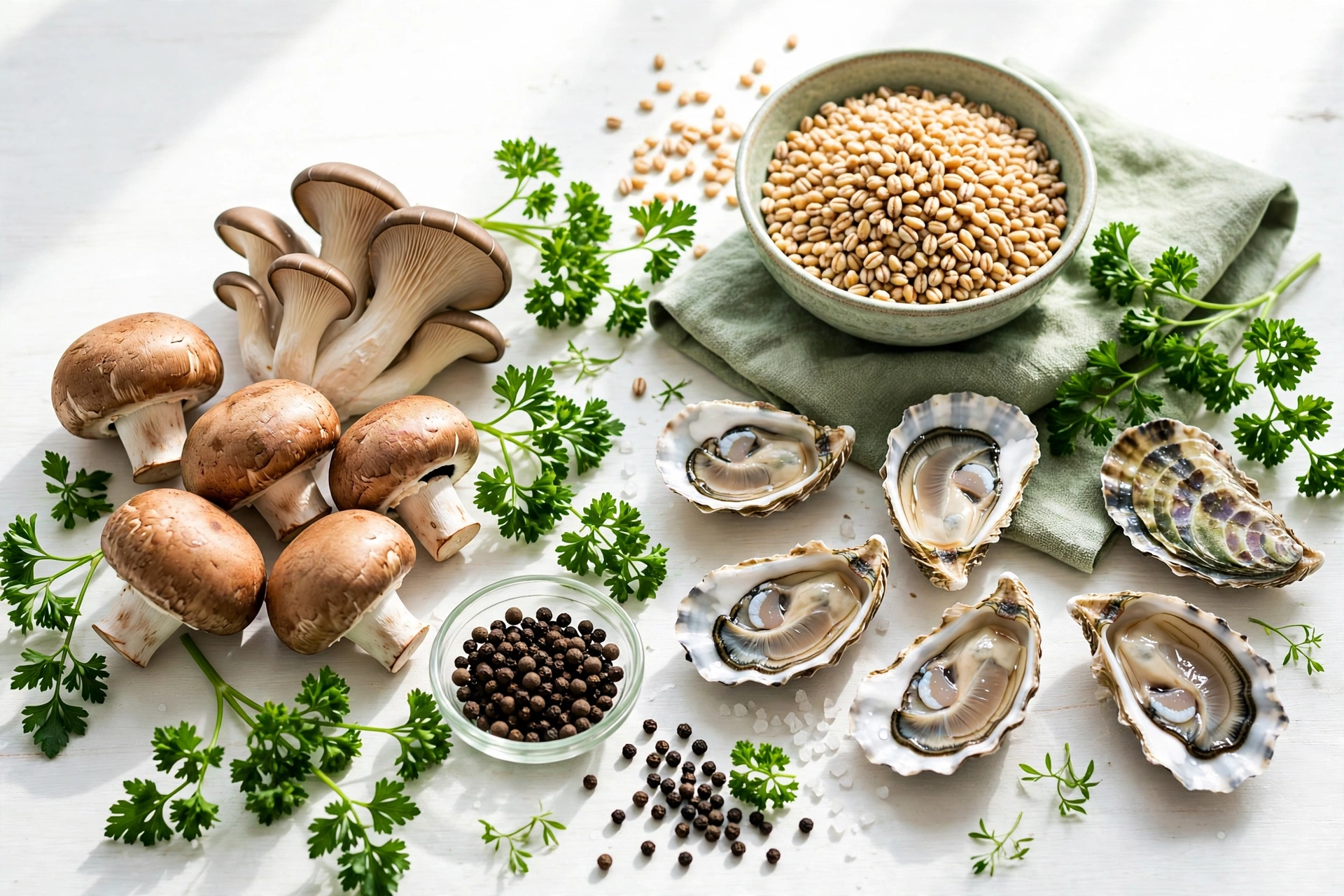
Vanadium is a trace mineral your body needs only in tiny amounts, and a varied diet almost always provides enough. It is found in mushrooms, shellfish, whole grains, black pepper and herbs such as parsley and dill. No official recommended daily allowance has been set, because deficiency is rare and needs are very low.
You have probably never thought about vanadium. It is one of the least talked-about minerals, yet it turns up in everyday foods and in some drinking water. Little is proven in people, and much of what is known comes from animal studies.
 What Is Vanadium?
Vanadium is a naturally occurring trace element, named after Vanadis, a Norse goddess. It is present in soil, rocks and seawater, and plants and animals absorb small amounts from their environment. In the body it is found in very small quantities, mostly in bones, the liver and the kidneys.
Unlike iron or calcium, vanadium has no official recommended daily allowance (RDA), and no deficiency disease has been clearly defined in people. Authorities have not set a target intake, because the evidence is not strong enough. Typical diets supply tens of micrograms a day, and that appears to be enough.
What Does Vanadium Do in the Body?
Researchers believe vanadium acts a little like a helper for enzymes, the proteins that drive chemical reactions in the body. In laboratory and animal studies it has influenced enzymes involved in bone building, fat handling, and the way cells respond to insulin.
None of this means vanadium is a proven treatment for any condition. Human studies are few and small, and the amounts used in experiments are often far larger than anything found in food.
- It may support enzymes involved in bone formation and maintenance.
- It may influence how cells respond to insulin.
- It is involved in fat and cholesterol metabolism in animals.
- It shows mild antioxidant activity in test-tube experiments.
Possible Benefits of Vanadium
Most benefits linked to vanadium come with a large caution sign: the evidence is preliminary, and none is proven.
Blood sugar support — promising but unproven
The best-known area of vanadium research is blood sugar. In animal studies and a few small human trials, vanadium compounds improved the way cells respond to insulin and helped lower blood sugar. The doses used were far above normal dietary intake, but the studies were short and small. Vanadium is not a treatment for diabetes.
Bone health
Vanadium accumulates in bone, and animal studies suggest it may help enzymes that build and remodel bone tissue. Rats fed diets very low in vanadium showed slower growth and weaker bones, but these results have not been confirmed in people. Calcium, vitamin D, protein and weight-bearing exercise remain the proven foundations of strong bones, as explained in our guide to manganese benefits, deficiency signs and food sources.
Cholesterol and heart health
Some animal studies found that vanadium affected cholesterol production in the liver, and a few early human observations hinted at a similar effect. The evidence is thin and inconsistent, and far from enough to call vanadium heart-protective. The reliable ways to look after cholesterol are fibre, unsaturated fats, regular activity and not smoking.
 Vanadium Deficiency: Signs and Who Is at Risk
True vanadium deficiency is rare in people, because the body needs so little of it and it is present in so many common foods. No classic deficiency disease exists, and doctors do not routinely test vanadium levels.
- Slower growth in children, seen only in animal studies on very low-vanadium diets.
- Weaker bones or poor bone development in laboratory animals.
- Changes in cholesterol and fat metabolism in animal research.
- Reduced fertility and pregnancy problems in animals on deficient diets.
- Poor thriving on an extremely restricted diet.
In practice, a varied diet makes deficiency very unlikely. The people most likely to have low intakes eat an extremely narrow diet with almost no whole grains, mushrooms, seafood or herbs.
Best Food Sources of Vanadium
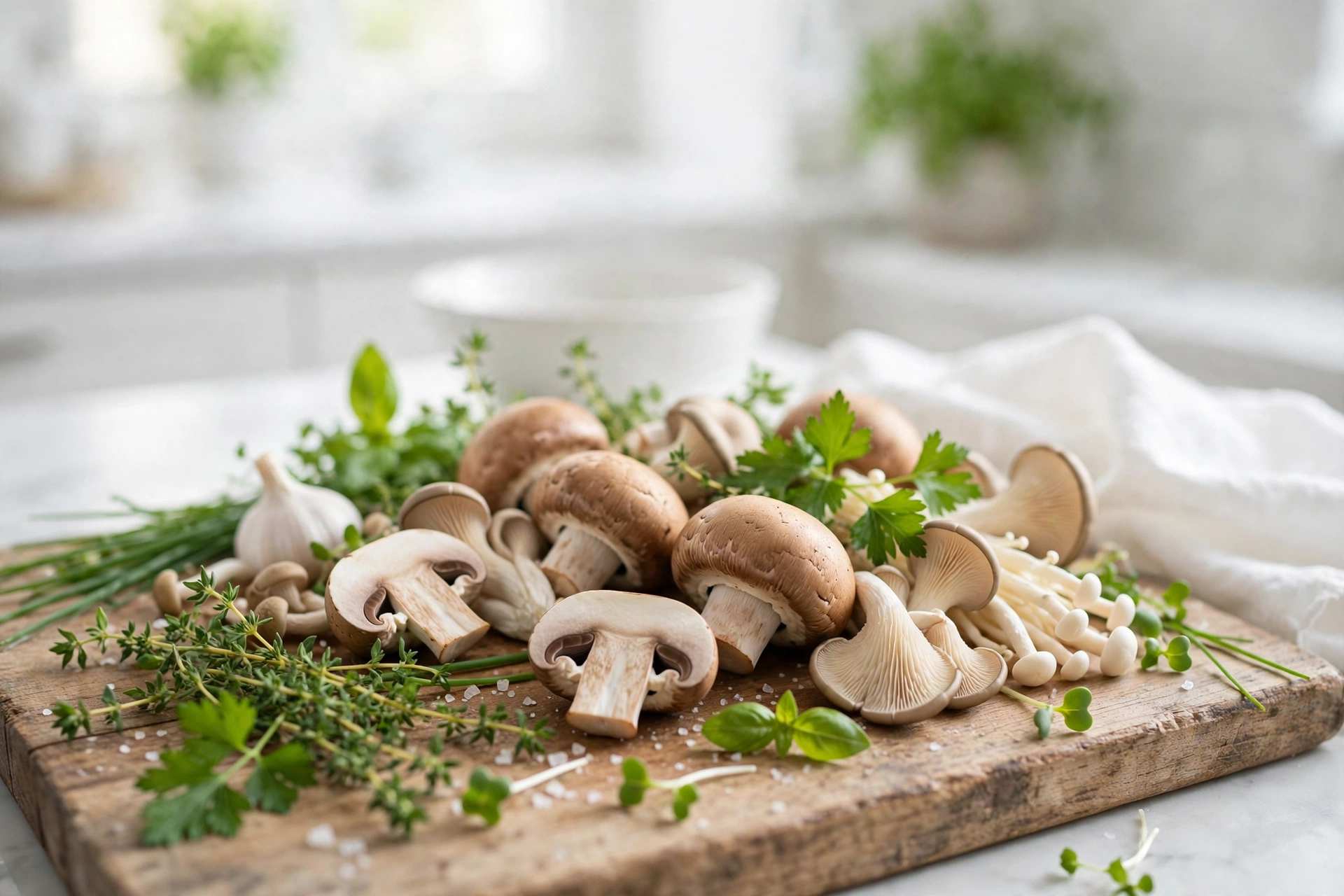
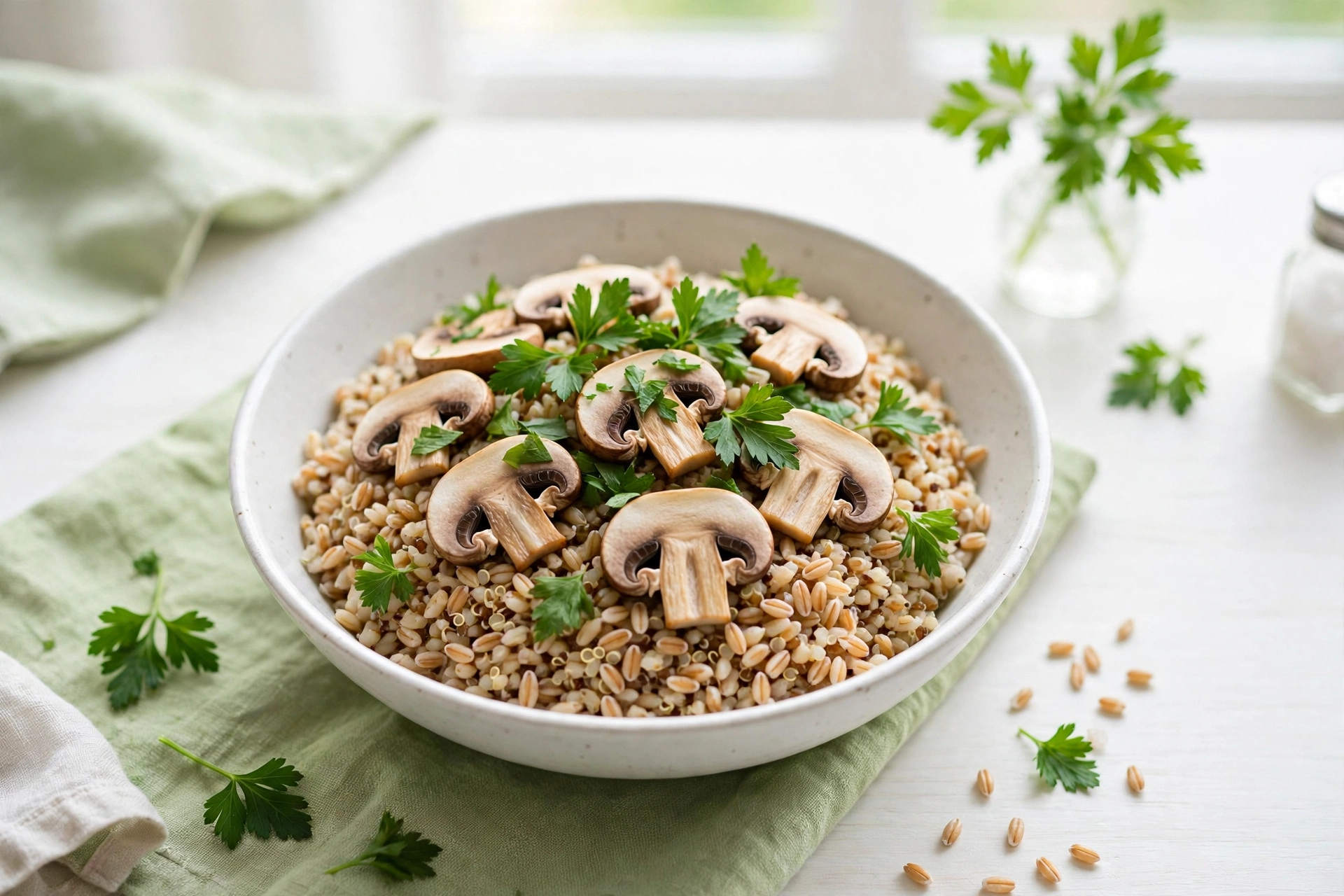
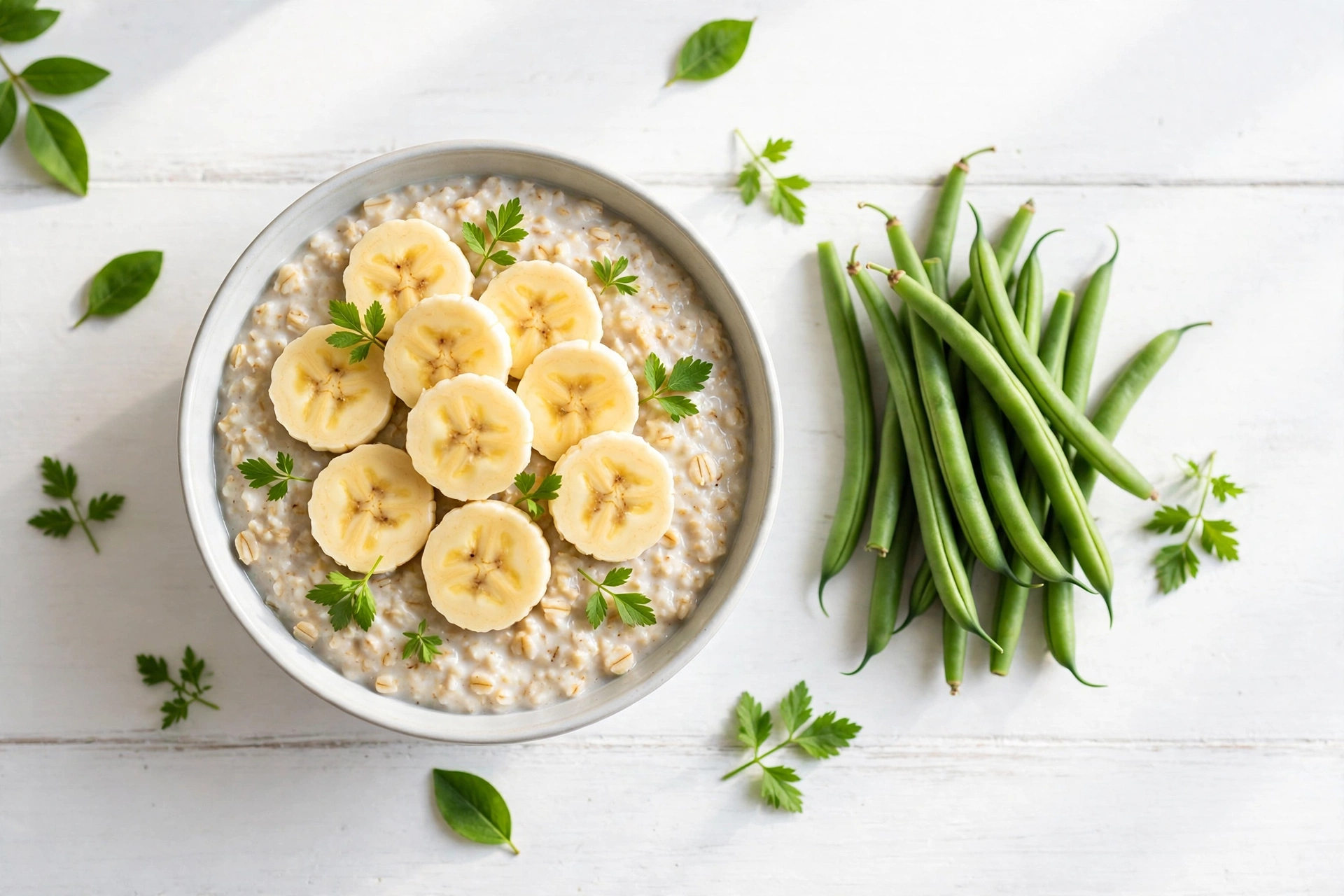
The richest sources are foods you may already eat. Mushrooms are among the best known, and shellfish such as oysters and shrimp are also good sources. Whole grains carry useful amounts, and the mineral turns up in black pepper, parsley and dill.
- Mushrooms: one of the richest everyday sources, easy to add to many dishes.
- Shellfish: oysters, shrimp and other shellfish provide useful amounts.
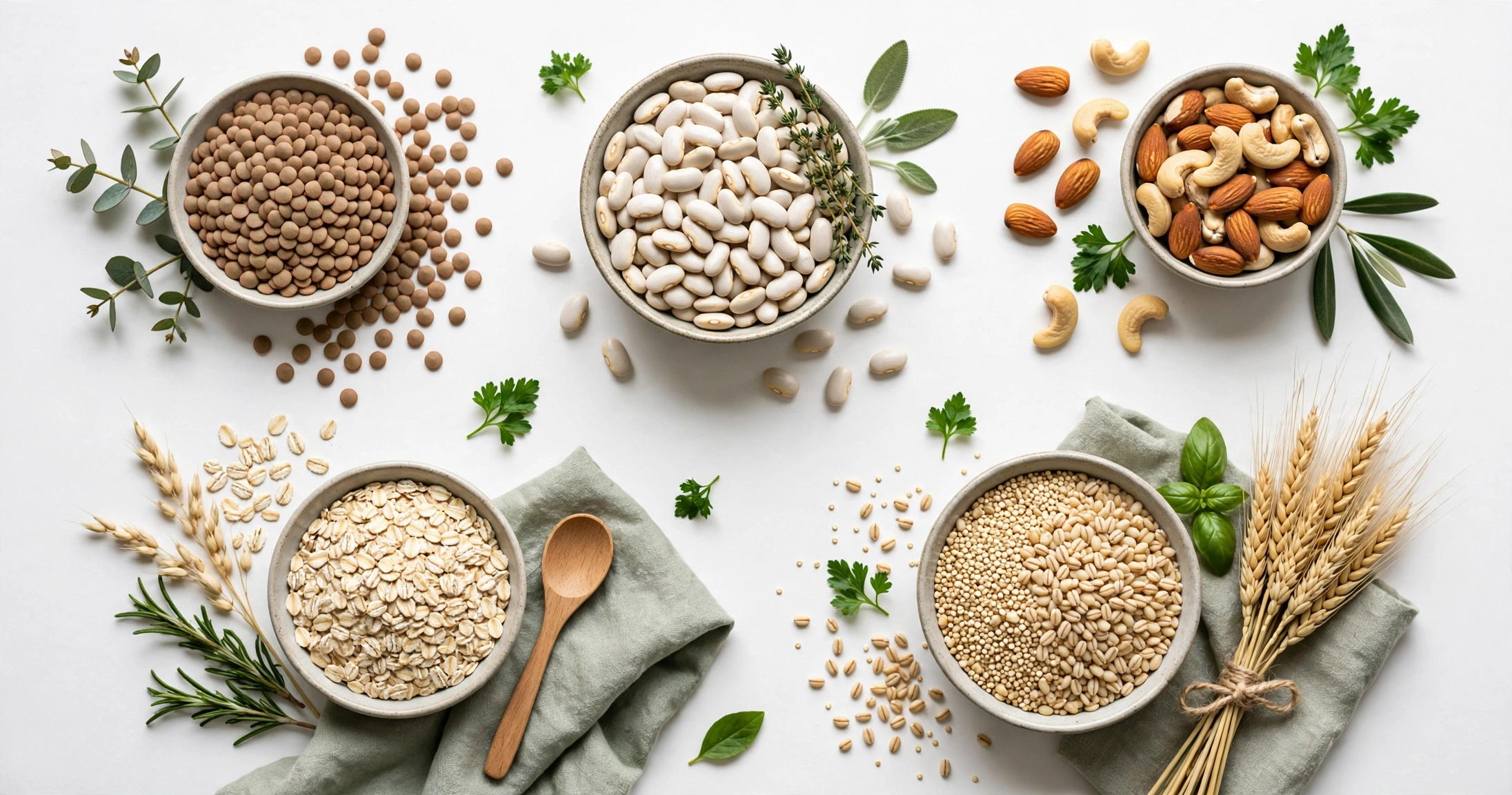
- Whole grains: whole wheat, oats, buckwheat and brown rice all contribute.
- Black pepper: small amounts per pinch, but used often it adds up.
- Parsley and dill: fresh herbs that add flavour and trace minerals to meals.
- Some drinking water: levels vary by area.
- Other plant foods: spinach and soy foods contain small amounts.
There is no need to chase a single "best" source. A plate that mixes whole grains, vegetables, herbs and occasional seafood will supply vanadium without any special effort. You can check the nutrition of your meals with our nutrition tools and log what you eat with a food tracker.
How Much Vanadium Do You Need?
There is no official RDA for vanadium, so there is no number to aim for each day. Nutrition authorities in the United States have set a tolerable upper intake level of 1.8 milligrams a day for adults — a safety ceiling, not a target. Typical dietary intakes are measured in tens of micrograms a day, far below that ceiling.
Because no RDA exists, the practical answer is simple: eat a varied diet and you are covered. There is no blood test used in routine care to check vanadium status.
Vanadium Supplements: What to Know Before Taking One
Vanadium supplements, usually sold as vanadyl sulfate, are marketed for blood sugar and muscle building, but the claims go well beyond the evidence. The small studies behind them used high doses for short periods, and they do not show that taking vanadium improves health in healthy people. Supplements can also cause stomach upset.
There is another reason for caution: vanadium can interact with medicines, including diabetes drugs and blood thinners, and it is not recommended during pregnancy or breastfeeding. Most health professionals advise getting vanadium from food, not pills. If you are considering a supplement, talk to your doctor or pharmacist first.
Key Takeaways
- Vanadium is a trace mineral needed only in tiny amounts, and food supplies enough.
- No official RDA has been set, and true deficiency is rare in people.
- Best sources are mushrooms, shellfish, whole grains, black pepper, parsley and dill.
- Blood sugar benefits are preliminary and unproven — vanadium is not a diabetes treatment.
- Supplements are not recommended; high doses can cause side effects and interact with medicines.
- A varied diet with whole grains, vegetables, herbs and seafood covers your needs.
Frequently Asked Questions
What is vanadium good for?
It may support enzymes involved in bone building, fat metabolism and insulin response. The evidence comes mostly from animal and laboratory studies, so no health benefit is proven in people.
What foods are highest in vanadium?
Mushrooms are among the richest everyday sources, followed by shellfish such as oysters and shrimp, whole grains like oats and whole wheat, black pepper, and fresh herbs such as parsley and dill.
How much vanadium do I need each day?
No official recommended daily allowance has been set, because deficiency is rare and needs are very low. Typical diets provide tens of micrograms a day. The safety ceiling for adults is 1.8 milligrams a day, far above what food supplies.
Can vanadium deficiency cause symptoms?
True deficiency is rare in people and has no clearly defined disease. Animal studies on very low-vanadium diets showed slower growth, weaker bones and changes in cholesterol, but these signs have many other causes in people. A varied diet makes deficiency very unlikely.
Should I take a vanadium supplement?
For most people, no. The claimed benefits, especially for blood sugar, are unproven, and supplements can cause stomach upset and interact with diabetes drugs and blood thinners. Food is the safe source. Talk to your doctor first if you are considering one.
Is vanadium safe?
Vanadium from food is safe, because dietary amounts are tiny and far below the safety ceiling of 1.8 milligrams a day for adults. High-dose supplements can cause side effects and interact with medicines, so use them only with medical advice.
Comments (0)
No comments yet. Be the first to share your thoughts!
Leave a comment