
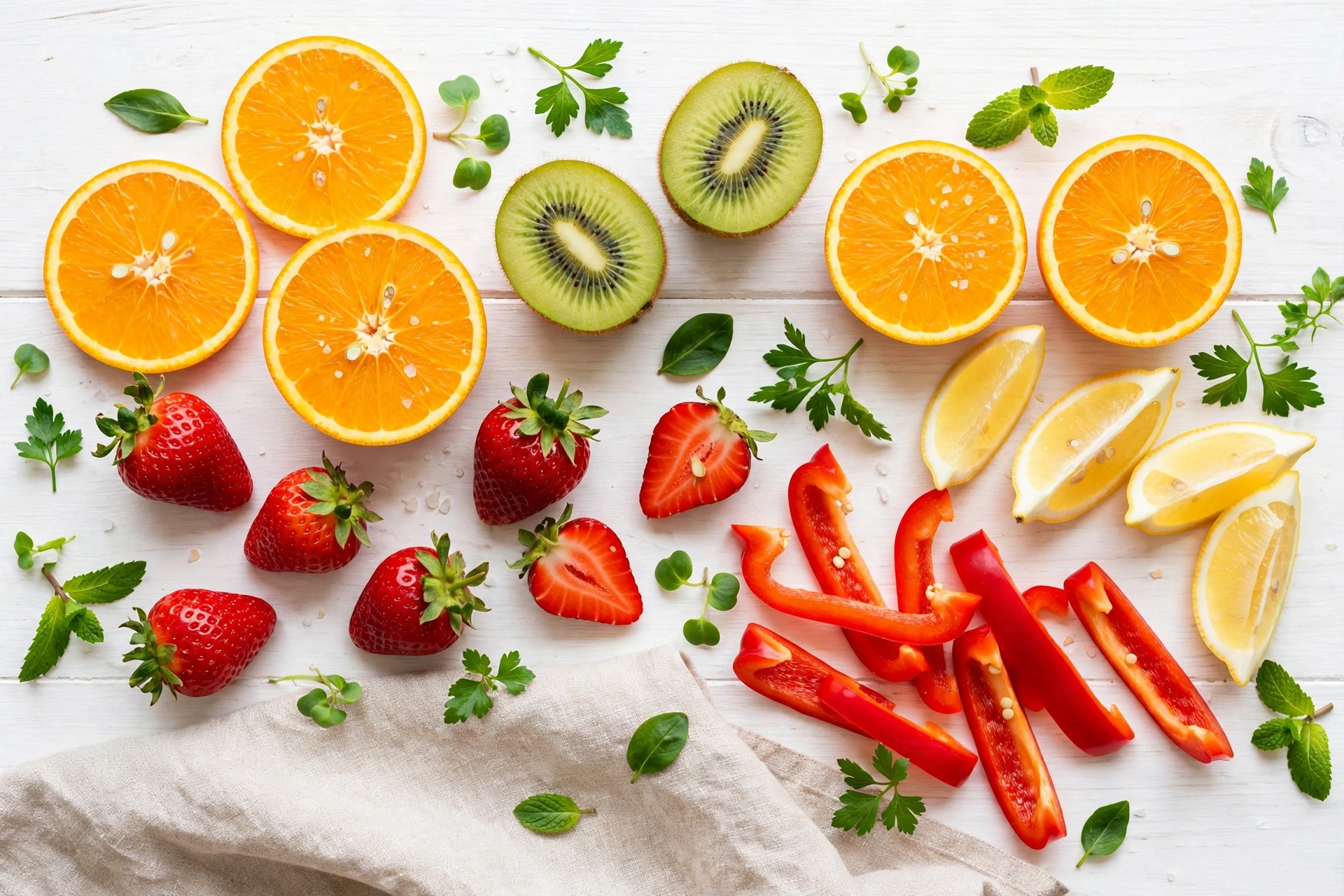
The short answer: Vitamin C benefits include stronger immune defenses, healthier skin, better iron absorption, and faster wound healing. Most adults need 75–90 mg per day — easily covered by citrus fruits, kiwis, and bell peppers. Deficiency causes fatigue and slow healing; severe, prolonged deficiency causes scurvy.
What Is Vitamin C and Why It Matters
Vitamin C, also known as ascorbic acid, is an essential vitamin your body cannot produce or store in meaningful amounts. That means you need a steady supply from food every day. It acts as a powerful antioxidant, helps your body build collagen, and supports the healthy function of your immune cells. Because it is water-soluble, any excess is simply passed in urine — but that also means your levels drop quickly when your diet lacks it.
Historically, sailors on long voyages developed scurvy from months without fresh produce — a dramatic reminder of why a daily supply matters. Today, severe deficiency is rare, but research suggests that many people still fall short of optimal intake, especially those who eat few fruits and vegetables.
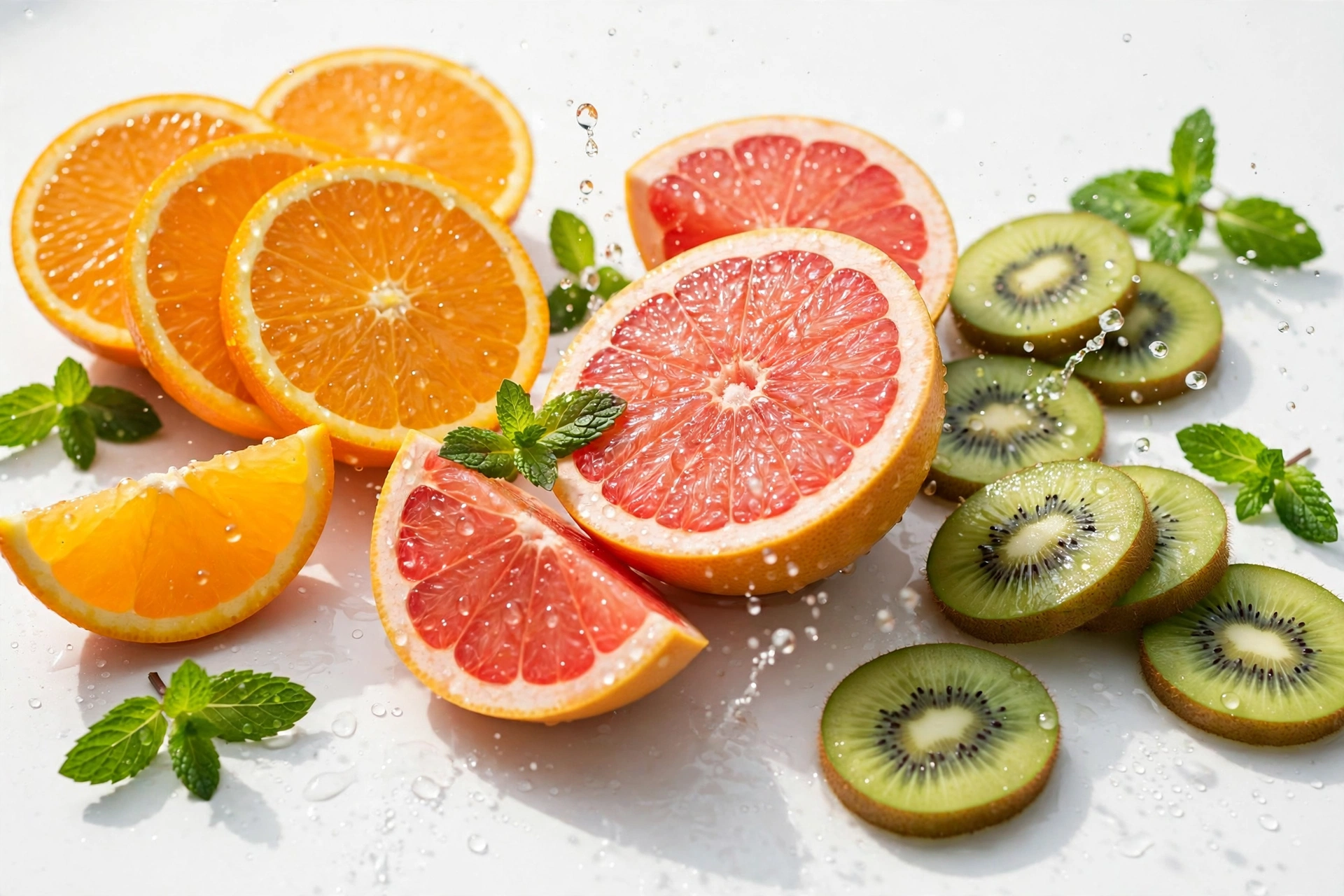 Key Vitamin C Benefits
The health effects of vitamin C are some of the most studied in nutrition science. Here are the most established vitamin C benefits:
- Immune support: Vitamin C helps white blood cells function properly and protects them from damage by free radicals. Research suggests it may modestly reduce the duration of the common cold, though it is not a cure.
- Skin and collagen health: Vitamin C is essential for collagen production, the protein that keeps skin firm and elastic. It also helps wounds heal and may reduce the appearance of sun-related skin aging.
- Better iron absorption: Vitamin C dramatically improves the absorption of non-heme iron (the type found in plant foods). Eating a vitamin C source alongside beans, lentils, or spinach can help your body use that iron far more efficiently.
- Antioxidant protection: As an antioxidant, vitamin C helps neutralize free radicals linked to oxidative stress. It also regenerates other antioxidants, such as vitamin E, keeping your cellular defenses strong.
- Heart and blood pressure support: Some studies associate higher vitamin C intake with healthier blood pressure and better blood vessel function — though scientists note that overall diet quality plays the bigger role.
- Brain and mood support: Vitamin C is concentrated in the brain and adrenal glands. Some research links low vitamin C status to fatigue and lower mood, and correcting a shortage often improves energy.
Vitamin C Benefits Backed by Research
What makes vitamin C stand out is how much consistent, real-world evidence supports it. Large observational studies associate diets rich in vitamin C foods — rather than megadose supplements — with better long-term health outcomes. The benefits appear to come from the whole food package: fiber, flavonoids, and other compounds working alongside the vitamin.
That is why many dietitians recommend a "food first" approach. Tracking your daily intake with a tool like the NutriCounter nutrition tracker can help you see whether your meals are actually covering your vitamin C needs — along with related nutrients. For comparison, our guide on vitamin D deficiency signs and food sources covers another nutrient many people overlook.
Signs of Vitamin C Deficiency
Deficiency develops gradually because the body holds a small reserve. Early, mild signs often appear after several weeks of low intake:
- Fatigue and low energy
- Slow wound healing
- Bleeding or swollen gums
- Easy bruising and small red spots on the skin
- Joint and muscle aches
- Frequent infections
- Rough, bumpy skin (sometimes called "chicken skin" texture)
Severe deficiency — scurvy — is rare but serious, causing tooth loss, severe joint pain, and poor healing. Groups at higher risk of low intake include smokers (smoking increases vitamin C breakdown), people with very limited diets, and those with certain digestive conditions that reduce absorption. Smokers need about 35 mg more per day than non-smokers.
 Best Food Sources of Vitamin C
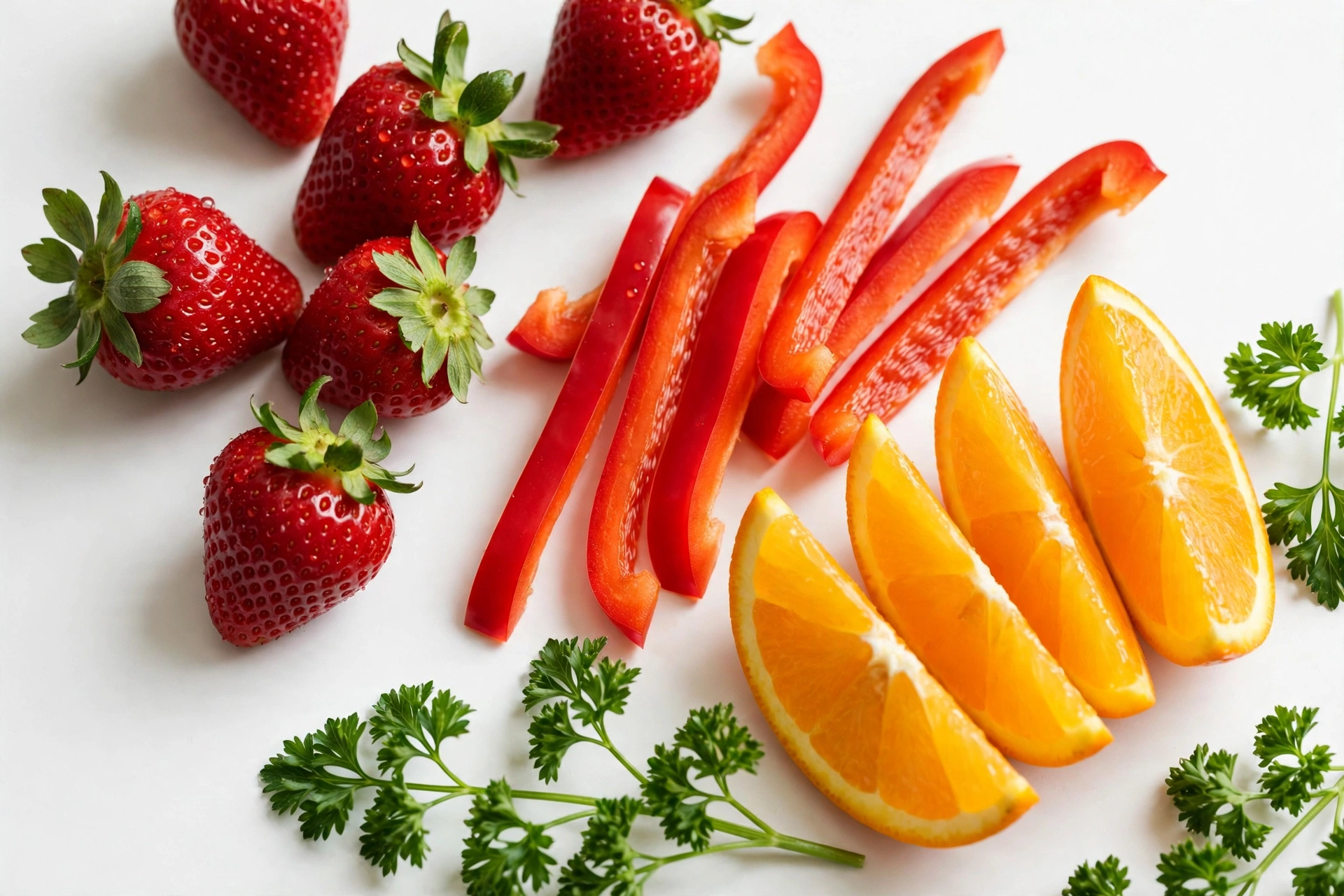
Vitamin C is abundant in fruits and vegetables — you do not need exotic superfoods. Some of the richest sources may surprise you:
- Red bell peppers: One medium pepper can provide more than a full day's worth — more than an orange.
- Citrus fruits: Oranges, grapefruits, lemons, and tangerines are classic, reliable sources.
- Kiwi: One large kiwi delivers well over half your daily need.
- Strawberries: A cup of strawberries is packed with vitamin C plus fiber and antioxidants.
- Broccoli and Brussels sprouts: Cooking reduces their vitamin C content, but even cooked portions contribute meaningfully.
- Mango, pineapple, and papaya: Tropical fruits are excellent sources and pair well with meals to boost iron uptake.
- Potatoes: A modest but real contributor in many diets because people eat them often.
A note on cooking: Vitamin C is sensitive to heat and water. Boiling can leach a large share of it into the cooking water, so steaming, roasting, or eating produce raw preserves more. Pairing iron-rich plant foods with a vitamin C source is also smart — see our guide to iron-rich foods and their best sources for combination ideas.
Easy Ways to Get More Vitamin C Daily
- Add sliced bell pepper or strawberries to salads.
- Start the day with kiwi or an orange alongside breakfast.
- Snack on mango or pineapple instead of processed sweets.
- Squeeze lemon over cooked vegetables and lentil dishes.
- Steam broccoli briefly rather than boiling it for long periods.
How Much Vitamin C Do You Need?
For adults, the recommended daily amount is about 90 mg for men and 75 mg for women, with slightly higher needs during pregnancy and breastfeeding. Smokers should add roughly 35 mg per day. Most people can meet these targets with two to three servings of fruit and vegetables daily.
The tolerable upper limit is 2,000 mg per day — amounts above this, usually from supplements, can cause digestive discomfort and diarrhea. There is no solid evidence that megadoses beyond this add benefits, and excess may even act as a pro-oxidant in some contexts. For most people, food is the safest and most effective route.
Key Takeaways
- Vitamin C is essential daily: Your body cannot make or store much of it, so eat vitamin C foods every day.
- Top vitamin C benefits: Immune support, collagen and skin health, wound healing, iron absorption, and antioxidant protection.
- Deficiency signs: Fatigue, bleeding gums, slow healing, easy bruising, and frequent infections — severe deficiency causes scurvy.
- Best sources: Red bell peppers, citrus fruits, kiwi, strawberries, broccoli, and tropical fruits.
- How much: About 75–90 mg per day for adults; smokers need a bit more. Food first — supplements are rarely necessary.
- Preserve it: Steam or eat produce raw; boiling destroys a large share of vitamin C.
Frequently Asked Questions
See the FAQ section below for common questions about vitamin C intake, safety, and food sources.



Comentarios (0)
Aún no hay comentarios. ¡Sé el primero en compartir tu opinión!
Deja un comentario