
Silicon is a trace mineral in whole grains, vegetables, and drinking water that supports healthy bones, connective tissue, skin, hair, and nails. Your body uses it to help build collagen, the protein that gives structure to skin, joints, and bones. Most people get enough from food, but diets low in whole grains may fall short.
Unlike calcium or iron, silicon rarely makes headlines — yet this quiet trace mineral supports some of the body's most important structures. It is found in small amounts in bones, skin, blood vessels, and connective tissue. Because it is widespread in plant foods and water, most people meet their needs without thinking about it.
Modern diets built around refined grains and processed foods can be surprisingly low in silicon. This article explains what silicon does, how much you need, the signs of low intake, and the best food sources — plus an honest look at supplements.
What Is Silicon and Why Does Your Body Need It?
Silicon is a trace mineral, meaning your body needs only small amounts of it. It enters the food chain through soil and water, which is why plant foods are the richest dietary sources. In the body, silicon is concentrated in connective tissue — the network of collagen and other proteins that holds skin, tendons, cartilage, and bones together.
Silicon's best-understood role is supporting collagen formation and bone mineralization. Collagen is the body's most abundant protein, giving strength and flexibility to skin, blood vessels, and joints. Research suggests silicon helps the body use calcium effectively and supports the cells that build new bone, and scientists have studied its possible link to bone mineral density. It works alongside other trace minerals such as boron, zinc, and magnesium. The evidence is promising, but silicon is a helper nutrient, not a proven bone-health treatment.
Silicon vs. Silicone — Don't Confuse Them
Silicon, the mineral in food, is not the same as silicone, the synthetic rubber-like material used in cookware, sealants, and implants. They share a similar name but are completely different substances — only silicon has a role in nutrition.
How Much Silicon Do You Need Each Day?
There is no official recommended daily allowance (RDA) for silicon in most countries. Health authorities have not set one because the evidence on exactly how much the body needs is still limited — that does not mean silicon is unimportant, only that the science has not pinned down a precise number.
Typical diets supply roughly 20–50 mg of silicon per day, mostly from whole grains, vegetables, fruits, and drinking water. People who eat plenty of whole grains and plant foods sit at the higher end, while diets heavy in refined and processed foods sit lower. Until official guidance exists, a varied, plant-rich diet is the most sensible target.
There is no established upper limit for silicon from food: the amounts in a normal diet are considered safe, and problems have only been reported with very high supplement doses.
Signs You May Not Be Getting Enough Silicon
With no standard blood test for silicon status and no official deficiency threshold, low intake is hard to diagnose. There is no single symptom that proves a deficiency, and any signs are general rather than specific. Many websites list dramatic deficiency symptoms, but the human evidence for them is thin.
Low silicon intake over time may be linked to weaker bones and poorer connective-tissue health. Animal studies show silicon-deprived diets lead to bone and cartilage abnormalities, and population studies link higher dietary silicon with higher bone mineral density — associations, not proof, but they point in the same direction.
Brittle nails, thinning hair, and skin that loses elasticity are sometimes mentioned as possible signs, and they are plausible given silicon's role in collagen — but they have many other causes, from iron or protein deficiency to normal ageing. If you notice these changes, discuss them with a doctor rather than reading them as proof of a silicon problem.
Best Food Sources of Silicon
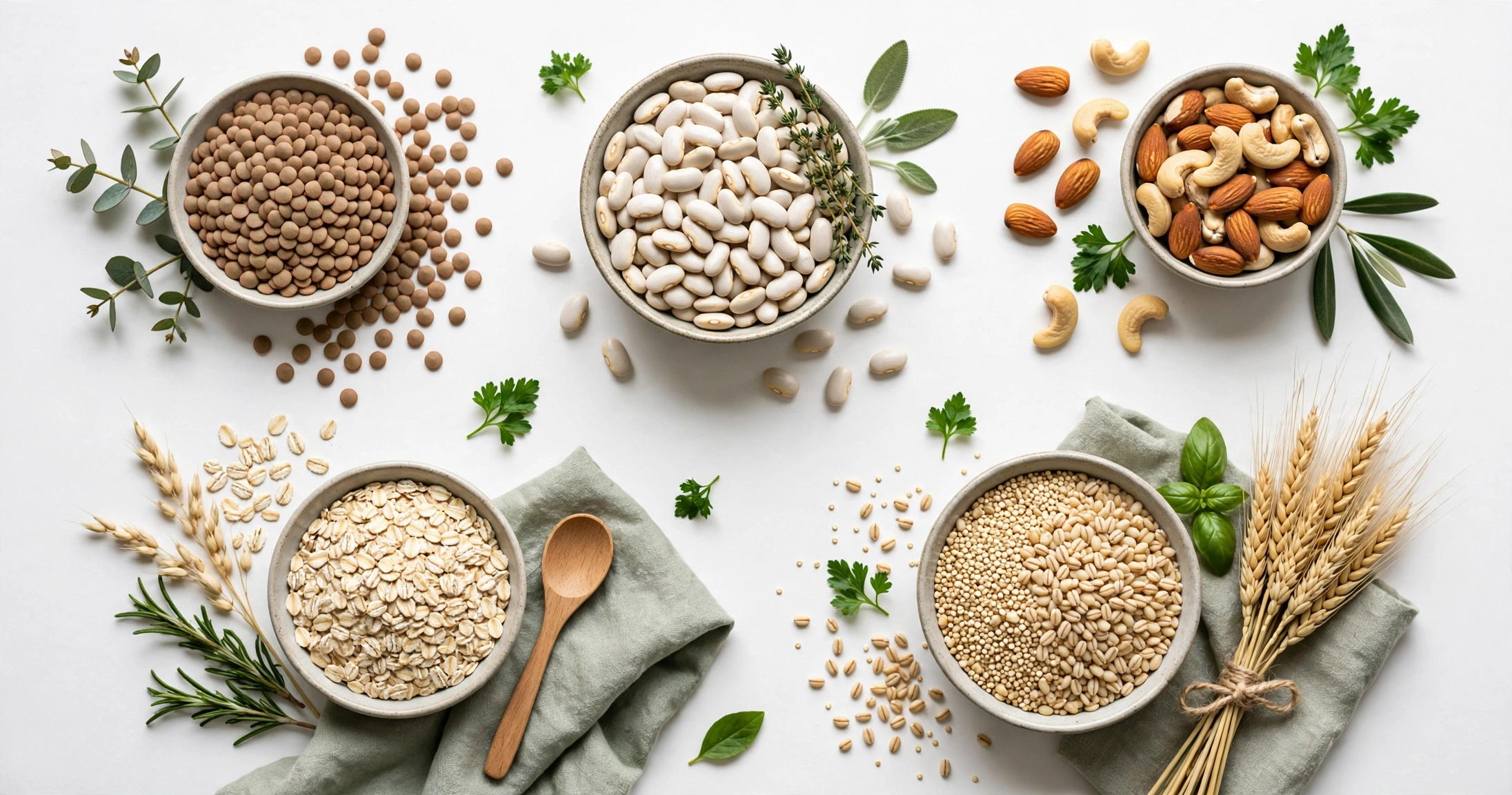
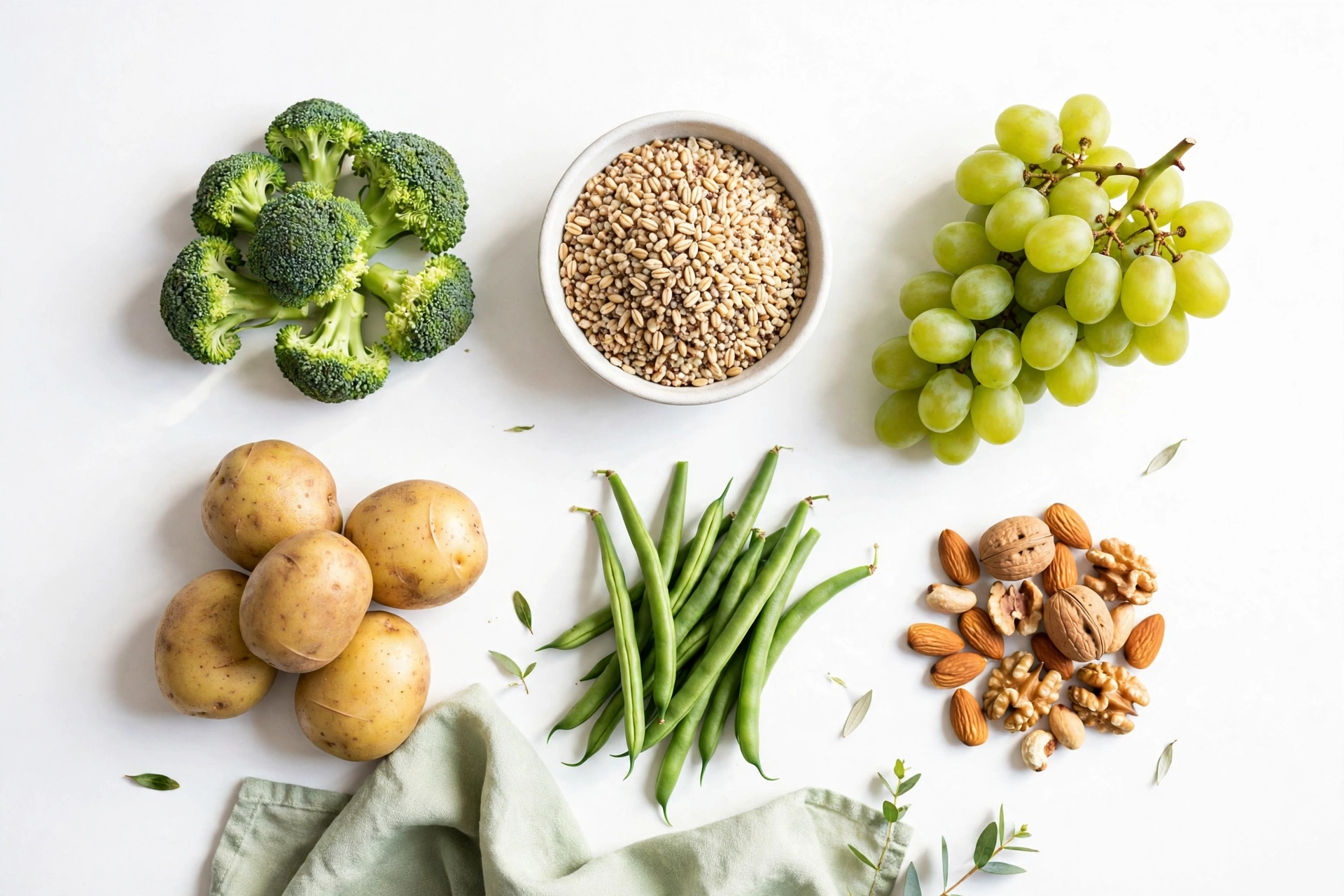
The richest sources are plant foods grown in silicon-rich soil, plus certain drinks. Whole grains top the list, and mineral water can contribute a meaningful share of daily intake. You can check any food's nutrition profile with our food nutrition lookup. Here are the best sources, with approximate silicon content per serving:
- Oats: 40 g of rolled oats provides roughly 20–25 mg — one of the richest sources.
- Barley: about 150 g cooked provides around 15–20 mg.
- Green beans: a 100 g serving provides roughly 8–10 mg.
- Bananas: one medium banana provides around 5 mg.
- Beer: a 330 ml serving can provide 10–20 mg — but it is not a recommended source.
- Mineral water: a litre can provide 10–30 mg, though amounts vary widely by brand.
- Wholemeal bread: two slices provide roughly 5–8 mg.
- Leafy greens and root vegetables: spinach, kale, carrots, and potatoes each add a few milligrams.
A breakfast of oatmeal with a banana already covers a large share of a typical day's intake.
Silicon Supplements: Do You Need One?
Silicon supplements are sold as orthosilicic acid — the form the body absorbs best — as well as horsetail extract and colloidal silica. They are marketed for bone, joint, skin, hair, and nail health, but the evidence is limited: small studies suggest benefits for bone density and skin elasticity, while large, long-term trials are lacking.
For most people, food is the better route. Supplements make sense only if you struggle to eat whole grains and vegetables, and even then involve a doctor — especially if you are pregnant, breastfeeding, or taking medication. Avoid megadoses: very high intakes of silica have been linked to kidney problems in rare cases.
If you do use one, choose a reputable brand, follow the label dose, and treat it as a top-up, not a replacement.
Practical Tips to Get Enough Silicon from Food
Getting enough silicon from food is mostly about choosing whole foods over refined ones. Our calorie tracker makes it easy to log what you eat and see how your meals add up:
- Start the day with oats or another whole-grain cereal.
- Choose wholemeal bread, brown rice, and barley over white versions.
- Add green beans, leafy greens, and root vegetables to meals several times a week.
- Drink water regularly — mineral water adds a useful amount.
- Snack on bananas and other fruit instead of processed snacks.
Small swaps like these add up quickly, and they bring fibre, vitamins, and other minerals with them.
Key Takeaways
- Silicon supports collagen, bones, skin, hair, and nails.
- No official RDA exists; typical diets provide roughly 20–50 mg a day.
- Oats and barley are the richest food sources.
- Low intake is hard to diagnose; brittle nails or thinning hair have many causes.
- Food beats supplements; talk to a doctor before taking one.
Frequently Asked Questions
What is silicon good for?
Silicon helps the body form collagen — the protein that gives strength to skin, joints, and bones — and supports bone mineralization. It may also benefit hair, skin, and nails, though the evidence is not yet conclusive.
How much silicon do I need per day?
There is no official daily recommendation, but typical diets provide roughly 20–50 mg a day from food. A varied diet rich in whole grains, vegetables, and fruit should cover your needs without supplements.
What are the signs of silicon deficiency?
There is no reliable test for silicon deficiency, and no single symptom proves it. Low intake over time may be linked to weaker bones, and brittle nails or thinning hair are sometimes mentioned — but these have many causes, so see a doctor rather than self-diagnosing.
What foods are highest in silicon?
Oats and barley are the richest sources, followed by green beans, bananas, wholemeal bread, and mineral water. Leafy greens and root vegetables also contribute useful amounts.
Is silicon the same as silicone?
No. Silicon is a natural trace mineral found in food and water, while silicone is a synthetic material used in cookware, sealants, and implants. They share a similar name but are completely different substances.
Should I take a silicon supplement?
Most people do not need one — food usually provides enough. Orthosilicic acid is the best-absorbed form, but evidence is limited, so talk to your doctor first and never take megadoses.



blog.comments
blog.no_comments_yet
blog.leave_a_comment