
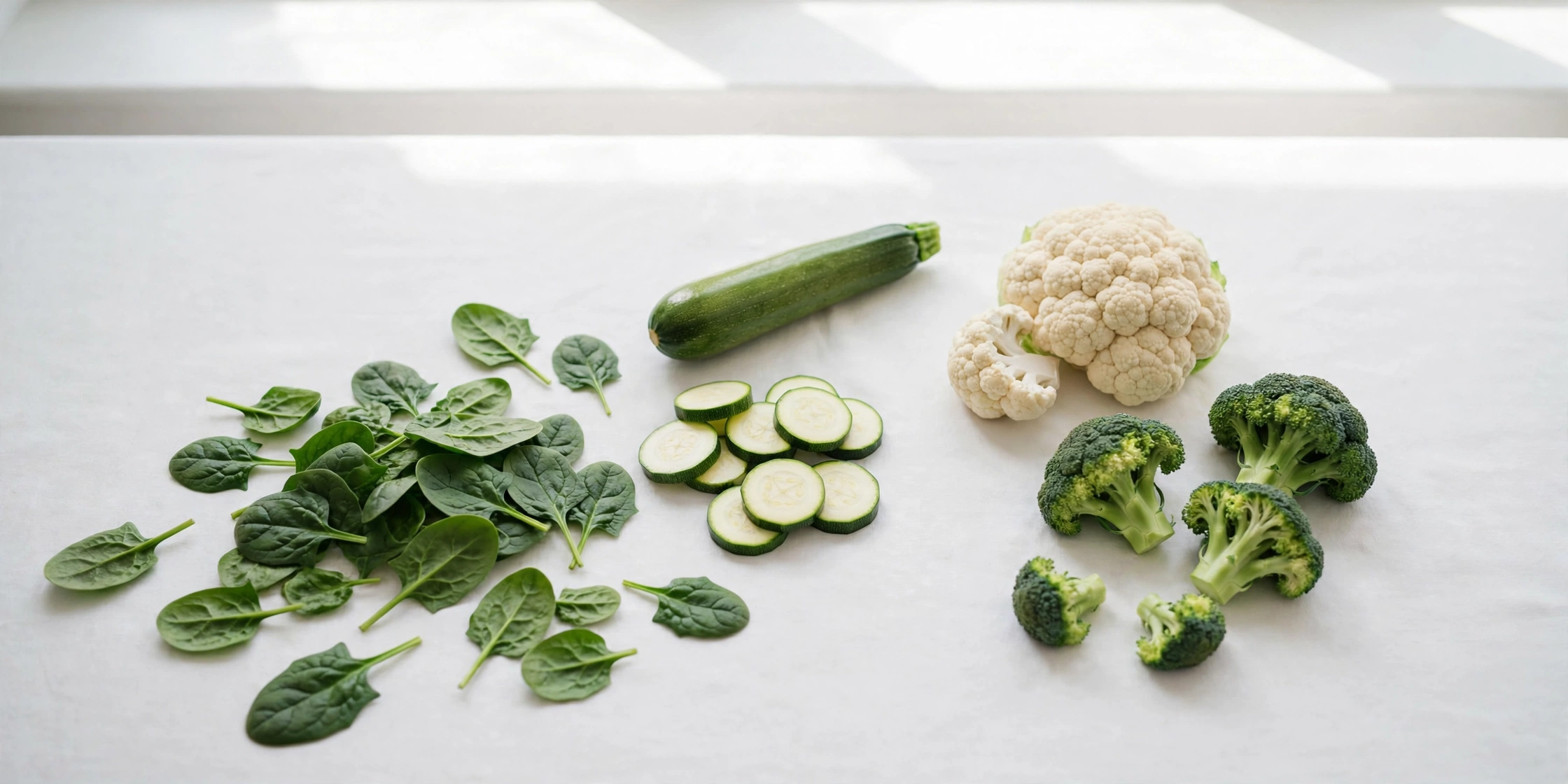
Direct answer: The best low-carb vegetables for keto are leafy greens, cruciferous vegetables, and above-ground vegetables such as spinach, zucchini, cauliflower, broccoli, and green beans. They are low in net carbs, high in fibre and water, and easy to use in meals. For short term keto, build your plate around them and limit starchy vegetables such as potatoes and corn.
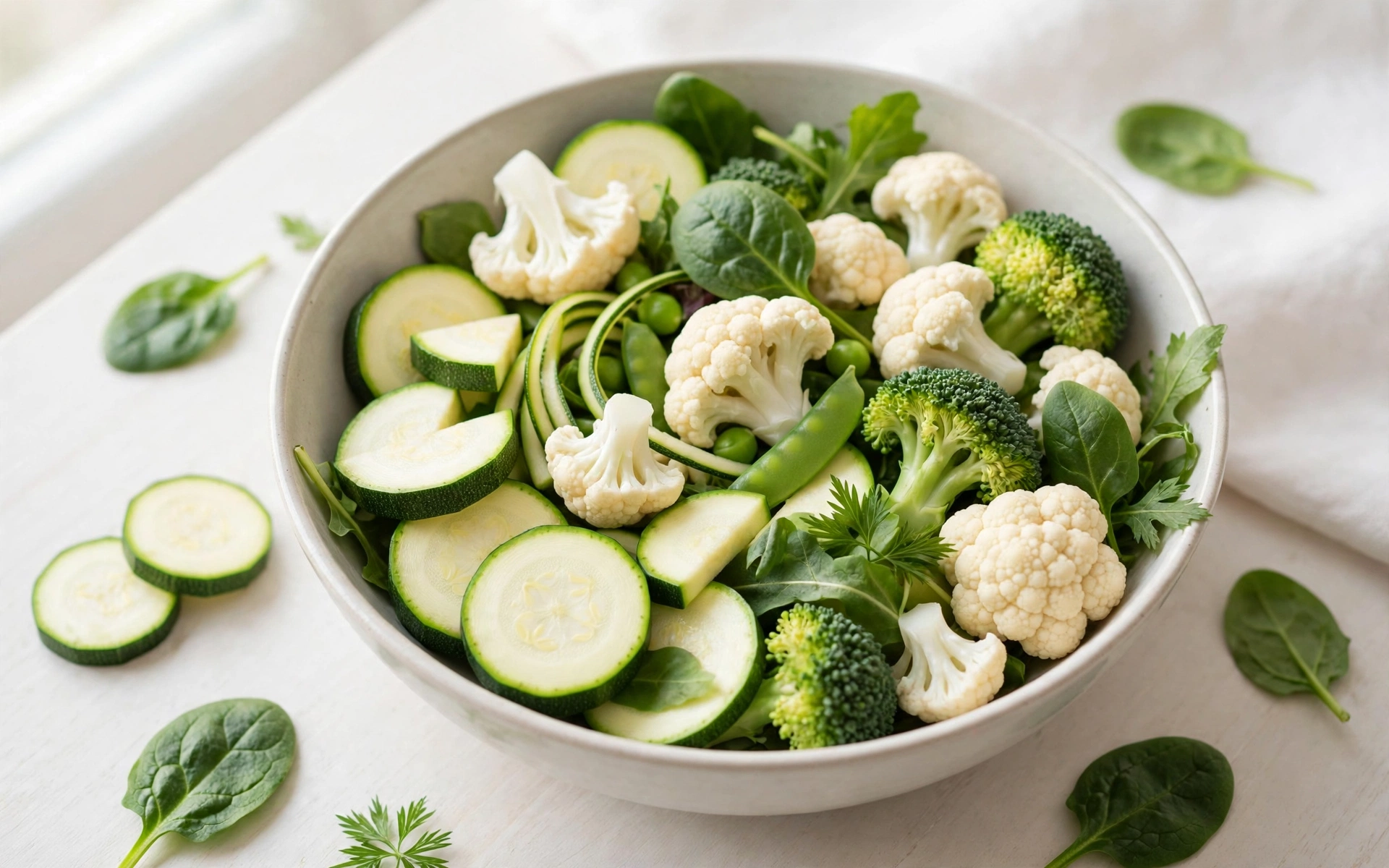
What Counts as Low-Carb on Keto?
On keto, the number that matters most is net carbs: total carbohydrates minus fibre. Fibre is not digested like starch and sugar, so a vegetable can fit well even if its total carbs look higher. That is why leafy greens and above-ground vegetables work so well, while root vegetables and corn are harder to fit.
Most people on keto aim for about 20 to 50 grams of net carbs per day, although the right target depends on your body, activity, and goals. Check your needs with the BMR and TDEE calculator, and track what you eat with the meal log. If you are new to this way of eating, read our low-carb diet beginners guide and our keto diet beginners guide first.
As a simple rule, choose vegetables that grow above the ground first. The values below are approximate net carbs per 100 grams, based on widely published nutrition values. Exact values vary a little by variety and cooking method.
The 15 Best Low-Carb Vegetables for Keto
These 15 picks are reliable, affordable, and easy to find. They work for keto and for general low-carb eating. Mix them through the week instead of eating the same two or three every day.
Leafy Greens
Leafy greens are the lowest-carb group of all. They add volume and colour for very few carbs, and they are a good source of folate, vitamin K, and magnesium.
- Spinach — about 1 g net carbs per 100 g. Use it raw in salads, wilted into eggs, or in soups. It shrinks a lot when cooked, so add more than you think you need.
- Lettuce — about 1 g net carbs per 100 g. Romaine and butter lettuce make good wraps for chicken or tuna. Add dressing just before eating so they stay crisp.
- Kale — about 4 g net carbs per 100 g. Remove the tough stems, massage the leaves with olive oil, and use it in salads, soups, or baked as crisps.
- Swiss chard — about 2 g net carbs per 100 g. Cook the leaves like spinach. It adds colour and a mild, earthy flavour to stir-fries.
- Arugula — about 2 g net carbs per 100 g. Its peppery taste lifts salads and egg dishes. Use it fresh, where its flavour stays bright.
Cruciferous Vegetables
Cruciferous vegetables are filling and versatile. They roast, mash, and stir-fry well, and they can replace rice and potatoes in many dishes.
- Cauliflower — about 3 g net carbs per 100 g. Make cauliflower rice, mash, or roast florets with olive oil. It takes on the flavour of sauces and spices.
- Broccoli — about 4 g net carbs per 100 g. Steam it lightly so it stays bright green, or roast it until the edges crisp. The stems are edible too.
- Brussels sprouts — about 5 g net carbs per 100 g. Halve and roast them with oil and salt until golden. Roasting removes much of their bitterness.
- Cabbage — about 3 g net carbs per 100 g. Use it in stir-fries, slaws, soups, and wraps. It is cheap, keeps well, and adds bulk without many carbs.
- Radishes — about 2 g net carbs per 100 g. Eat them raw for crunch, or roast them — roasting makes them mild and almost potato-like.
Above-Ground Vegetables
These vegetables grow above the ground and stay low in carbs. They add variety in texture and colour to salads, grills, and one-pan meals.
- Zucchini — about 2 g net carbs per 100 g. Slice it into noodles, grill it, or roast it. Salt it lightly first so dishes do not turn watery.
- Cucumber — about 2 g net carbs per 100 g. Mostly water and very low in carbs, it is ideal for salads and as a fresh side with rich dishes.
- Green beans — about 4 g net carbs per 100 g. Steam or sauté them with garlic and olive oil. Blanch them for crunch in salads.
- Bell peppers — about 4 g net carbs per 100 g. Green peppers are usually lowest in carbs; red and yellow peppers are a little sweeter. Use them raw, roasted, or stuffed.
- Asparagus — about 2 g net carbs per 100 g. Grill or roast it with oil and lemon. It cooks quickly, so a few minutes is often enough.
Together, these 15 vegetables cover salads, sides, soups, stir-fries, and roasts. Keep three or four in the fridge each week.
Vegetables to Limit on Keto
Starchy vegetables are healthy foods in general, but their carbs add up fast. Portion size matters, especially for short term keto, when the daily carb budget is small.
- Potatoes: about 15 g net carbs per 100 g. A normal serving can use up most of a keto day. Swap them for cauliflower mash.
- Sweet potatoes: about 17 g net carbs per 100 g. Nutritious, but high in carbs. A small portion can fit a relaxed low-carb plan, not a strict keto day.
- Corn: about 16 g net carbs per 100 g. Sweet and starchy, it is easy to overeat. Keep it as an occasional small side.
- Peas: about 9 g net carbs per 100 g. A small spoonful in a dish is fine; a full bowl is not.
- Carrots: about 7 g net carbs per 100 g. They work in small amounts in soups, but do not treat them as a free vegetable on keto.
- Onions: about 8 g net carbs per 100 g. Use them for flavour, not as a main vegetable.
If you love one of these, keep the portion small and balance the meal with spinach, cucumber, or zucchini. Tracking portions for a few days with the meal log makes this much easier.
Cooking Tips for Low-Carb Vegetables
Good cooking makes low-carb vegetables taste like a treat, not a chore. The goal is flavour, texture, and enough healthy fat to feel satisfied.
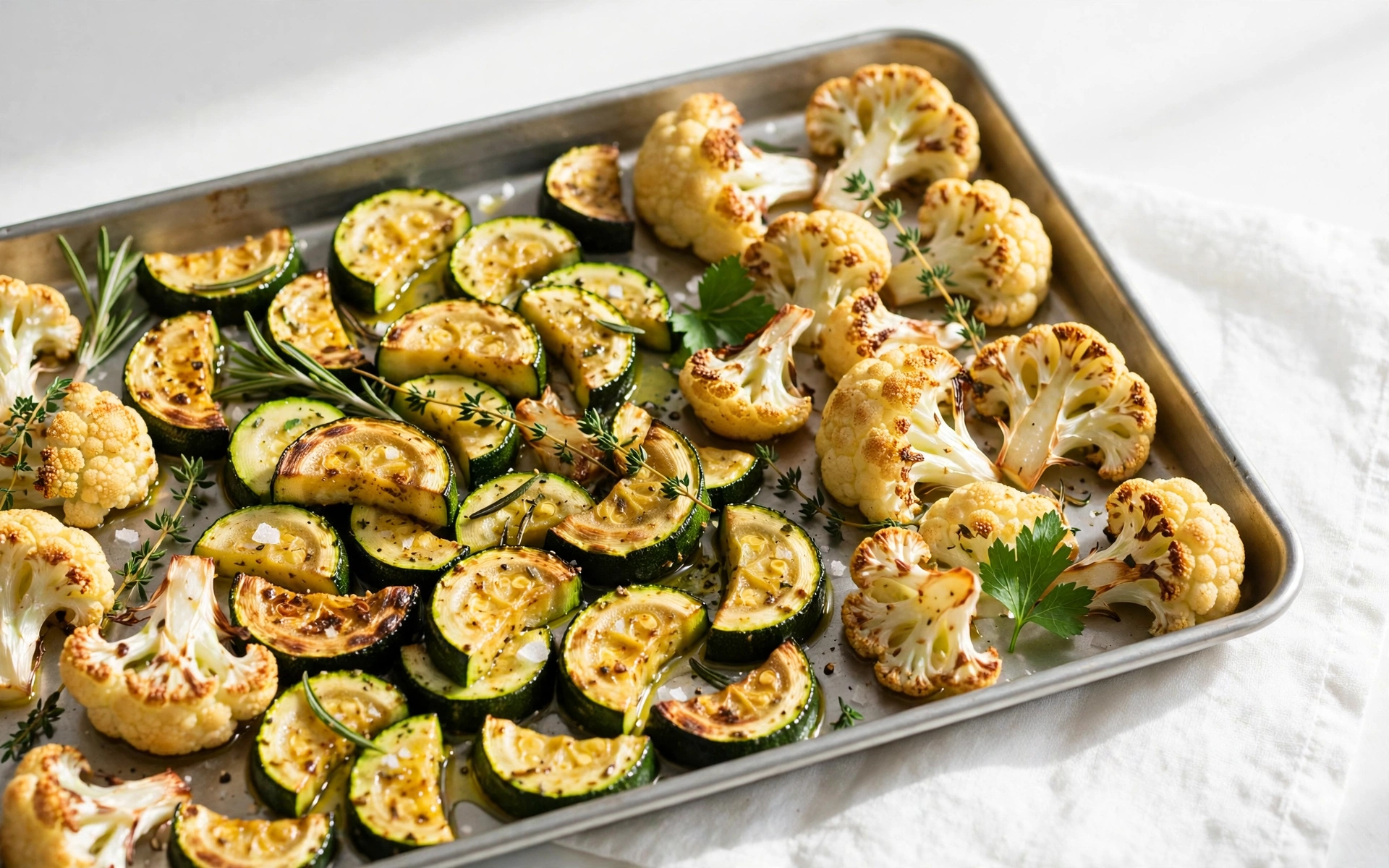
- Roast for flavour. Roast cauliflower, broccoli, Brussels sprouts, zucchini, and peppers with olive oil and salt until the edges turn golden.
- Do not overcook greens. Spinach and chard need only a minute or two. Take them off the heat while they still look bright.
- Season well. Garlic, lemon, herbs, chilli, and vinegar add a lot of flavour for almost no carbs. Add fat too — olive oil or butter helps you feel full.
- Prep once, use twice. Cook a large tray of roasted vegetables to use in salads, eggs, and bowls over two or three days. Watch sauces — sweet sauces can turn a plain vegetable into a high-carb dish.
A Simple Sample Day with Low-Carb Vegetables
This is one example day, not a prescription. It shows how the 15 vegetables fit naturally into breakfast, lunch, and dinner.
- Breakfast: scrambled eggs with spinach, plus sliced cucumber and tomato. Coffee or tea, unsweetened.
- Lunch: a large salad with lettuce, arugula, cucumber, bell pepper, and grilled chicken, dressed with olive oil and lemon.
- Snack (if hungry): radishes or celery sticks with a small portion of cheese or a yoghurt dip.
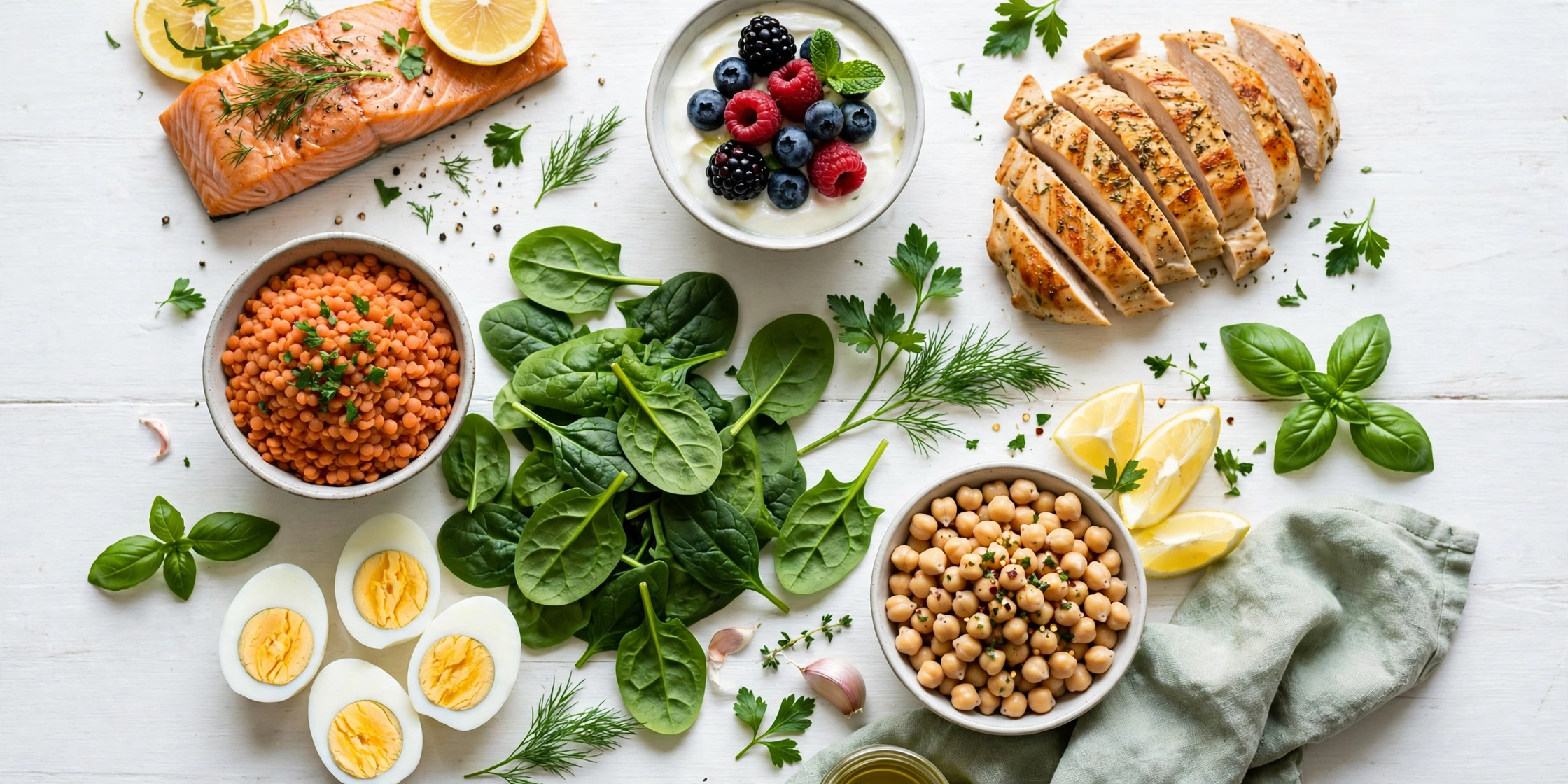
- Dinner: roasted salmon or chicken with cauliflower mash and roasted broccoli or green beans.
If you feel hungry between meals, add more low-carb vegetables first, before a carb-heavy snack. A big salad or a bowl of soup is often enough. Drink water through the day too — vegetables add water, but they do not replace drinking.
Key Takeaways
Key takeaways: leafy greens and above-ground vegetables are the easiest keto choices; net carbs, not total carbs, decide whether a vegetable fits; and starchy vegetables such as potatoes, corn, and peas need small portions.
- Spinach, zucchini, cauliflower, cucumber, and asparagus are all about 1–3 g net carbs per 100 g.
- Build the plate around vegetables first, then add protein and healthy fat.
- Roast, grill, and season well — plain boiled vegetables are the fastest way to give up.
- For short term keto, track portions for a few days until low-carb choices feel automatic.
Frequently Asked Questions
What are the lowest-carb vegetables for keto? Spinach, lettuce, cucumber, zucchini, asparagus, and radishes are among the lowest, at about 1–2 g net carbs per 100 g. Leafy greens as a group are the safest choice because you can eat a large portion for very few carbs, and they add fibre, water, and vitamins to the meal.
Can I eat carrots on keto? Yes, in small amounts. Carrots have about 7 g net carbs per 100 g, so a few slices in a soup or stir-fry are usually fine, but a large serving can use up much of your daily carb budget. Use them for colour and sweetness rather than as a main side dish.
Is cauliflower a good potato replacement on keto? Yes. Cauliflower has about 3 g net carbs per 100 g, compared with about 15 g for potatoes, and it mashes, roasts, and rices well. It takes on the flavour of butter, garlic, cheese, or spices, so cauliflower mash tastes rich rather than plain when it is seasoned well.
How many vegetables can I eat on short term keto? You can eat plenty of the lowest-carb vegetables, especially leafy greens, cucumber, zucchini, and cauliflower. The limit is your total daily net carbs, usually about 20–50 g per day. Fill half the plate with low-carb vegetables first, then add protein and fat, and track portions for a few days if you are unsure.
Are frozen vegetables good for keto? Yes. Plain frozen spinach, broccoli, cauliflower, and green beans are just as nutritious as fresh ones and often cheaper. Choose products with no added sauce, sugar, or breading, and check the label for net carbs per 100 g before buying.
Do I need to count carbs in lettuce and spinach? For most people, no strict counting is needed for very low-carb greens, because a normal portion adds only 1–2 g of net carbs. If you eat very large salads or you are following a strict keto target, a quick check with a food log for a few days will show whether they matter for your total.


Comments (0)
No comments yet. Be the first to share your thoughts!
Leave a comment