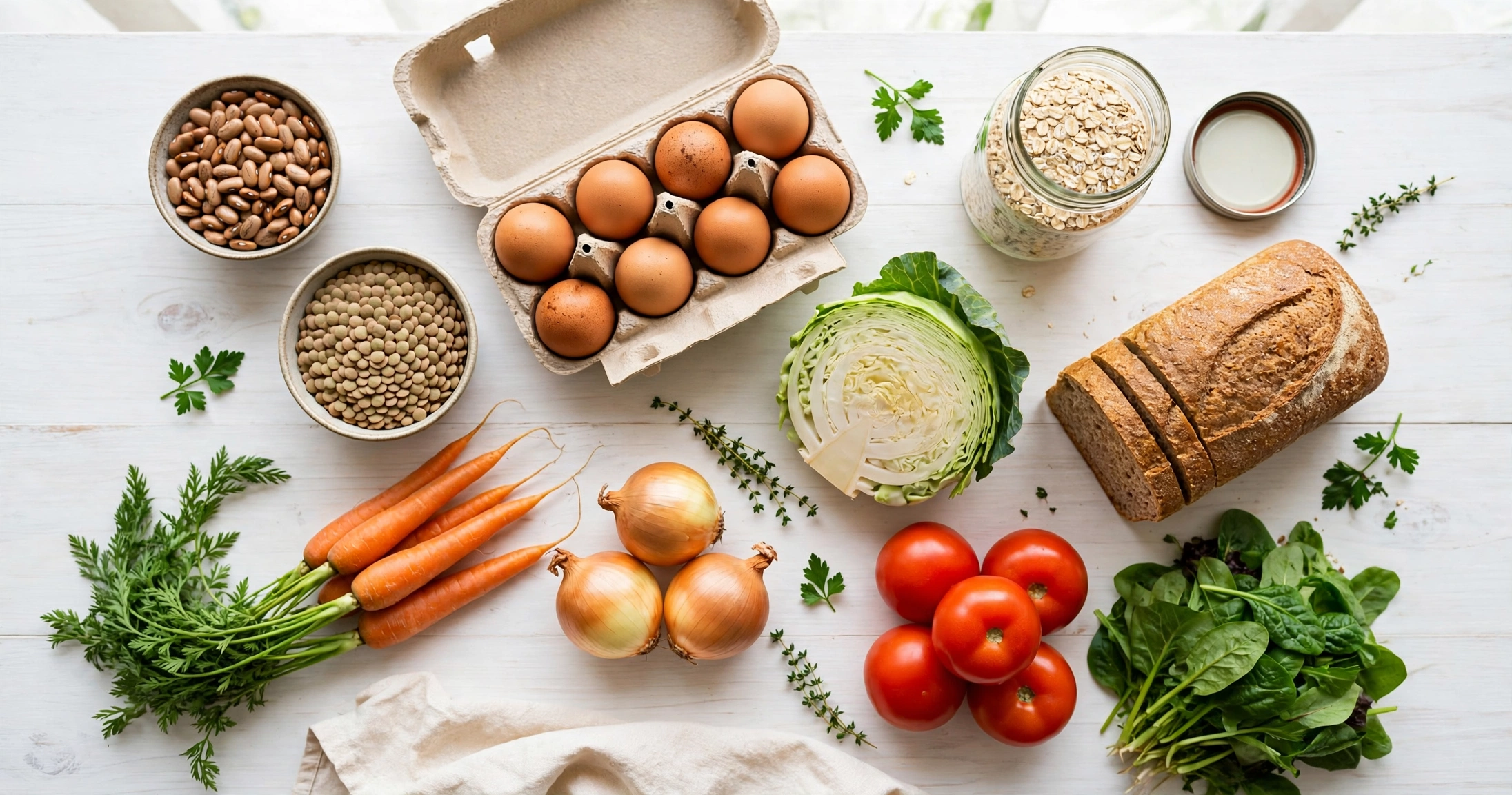
You can eat healthy on a budget by planning meals around cheap, nutrient-rich staples like beans, lentils, eggs, oats and seasonal vegetables, cooking at home and reducing waste. Focus on cost per nutrient, not cost per calorie, and build most meals from whole foods rather than expensive packaged health products.
Healthy eating often looks expensive. Shelves are full of premium smoothies, protein bars and superfood powders, and it is easy to believe good nutrition needs a large food budget. In reality, some of the most nutritious foods are also among the cheapest.
The key is not to buy more expensive food, but to buy smarter food. With a little planning, a few reliable staples and simple home cooking, you can eat well and feel full without overspending. The 15 ideas below are practical and easy to start this week.
 The budget-healthy mindset: think cost per nutrient, not per calorie
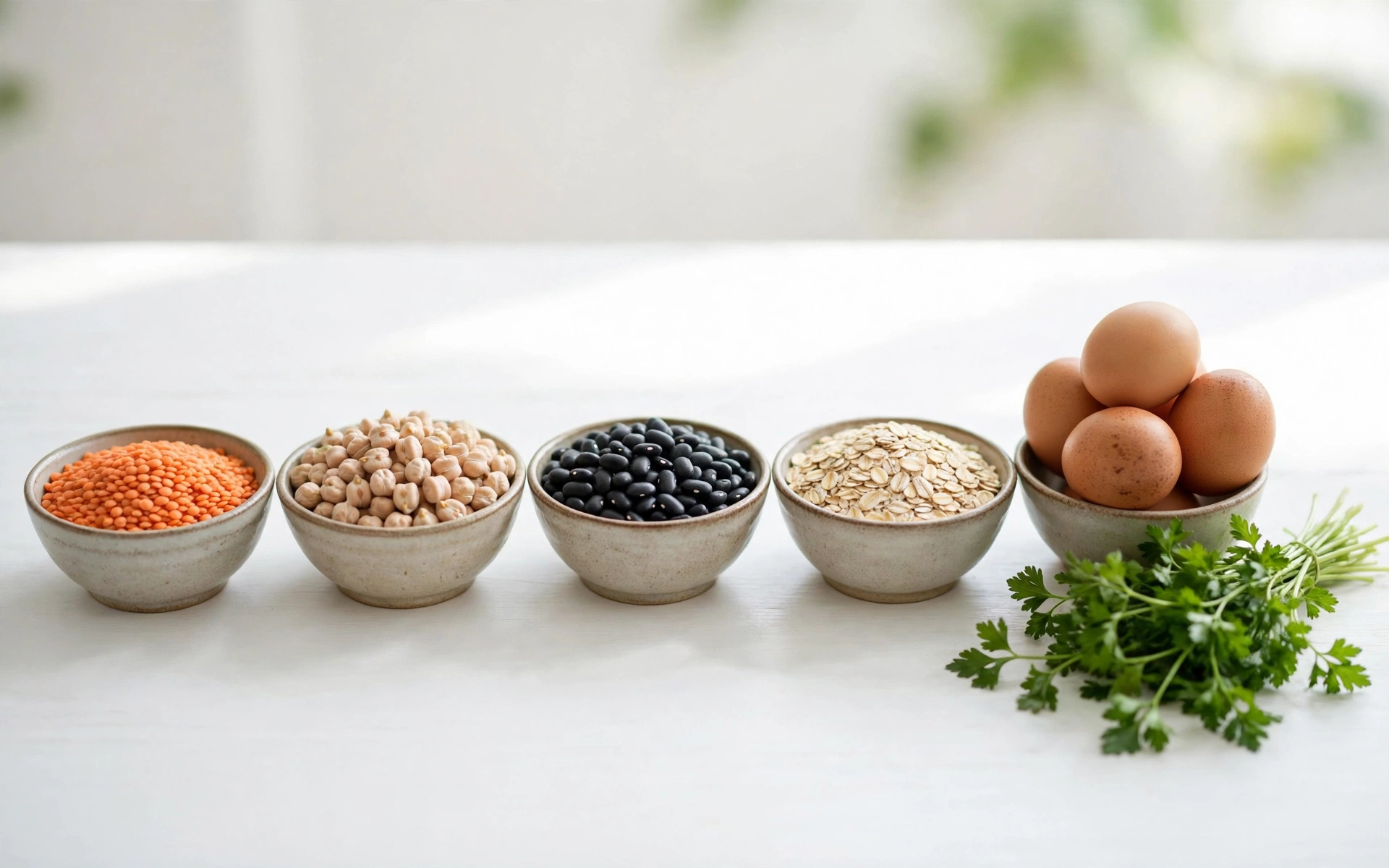
A cheap food is not always good value, and an expensive food is not always nutritious. White bread, crisps and sugary drinks may be cheap per calorie, but they give you very little fibre, protein, vitamins or minerals. Lentils, beans, eggs and oats cost little and deliver a lot.
That is cost per nutrient: how much nutrition do you get for each pound, euro or dollar you spend? Judged this way, the healthiest choices are often the cheapest. Lentils, eggs and oats can form the base of many filling, balanced meals.
Use a simple tool to stay on track. Logging what you eat in the meal log shows where your money and calories go, and the calorie tracker shows whether cheaper meals still meet your daily needs.
15 smart ways to eat healthy for less
You do not need to do all 15 at once. Pick three or four, try them for two weeks, then add more.
1. Plan before you shop
Planning is the best way to save money on food. It stops impulse buying and waste, and makes healthy choices the easy default.
- Plan your meals for the week: Choose 5 to 7 simple dinners before you shop. Repeat favourites and keep one or two flexible days for leftovers.
- Shop with a list and stick to it: Write the list from your meal plan and cupboards. A list protects you from expensive extras and forgotten ingredients that lead to takeaways.
- Check what you already have first: Look in the fridge, freezer and cupboards before shopping. Build at least one meal a week around food you already own.
2. Shop smart at the store
How you shop matters as much as what you buy. A few habits can cut your bill without cutting nutrition.
- Buy seasonal produce: Fruit and vegetables in season are cheaper, fresher and often taste better. Plan meals around what is in season where you live. See our healthy grocery shopping guide for beginners.
- Try store brands and larger packs: Store-brand oats, beans, rice and frozen vegetables are often the same quality as branded versions for much less, and larger packs are usually cheaper per portion.
3. Build meals around cheap, nutritious staples
These foods are inexpensive, filling and rich in nutrients. Keep them at home and healthy meals become easy and affordable.
- Beans and lentils: Dried or canned, they are rich in fibre and plant protein, very cheap per portion, and work in soups, stews, salads and wraps. Rinse canned beans to reduce salt.
- Eggs: One of the cheapest complete proteins. Boiled eggs and omelettes make quick, balanced meals at any time of day.
- Oats: Cheap, filling and high in fibre. Porridge and overnight oats are far cheaper than boxed breakfast cereals.
- Seasonal vegetables, potatoes and cabbage: Carrots, onions, cabbage and potatoes are low-cost, versatile and keep well, adding bulk and nutrients to almost any dish.
- Frozen vegetables: Frozen peas, spinach and broccoli are picked and frozen at their best, keep for months, and reduce waste.
4. Cook at home more often
Home cooking is usually cheaper and healthier than takeaways and ready meals. You control the ingredients, salt and portion size.
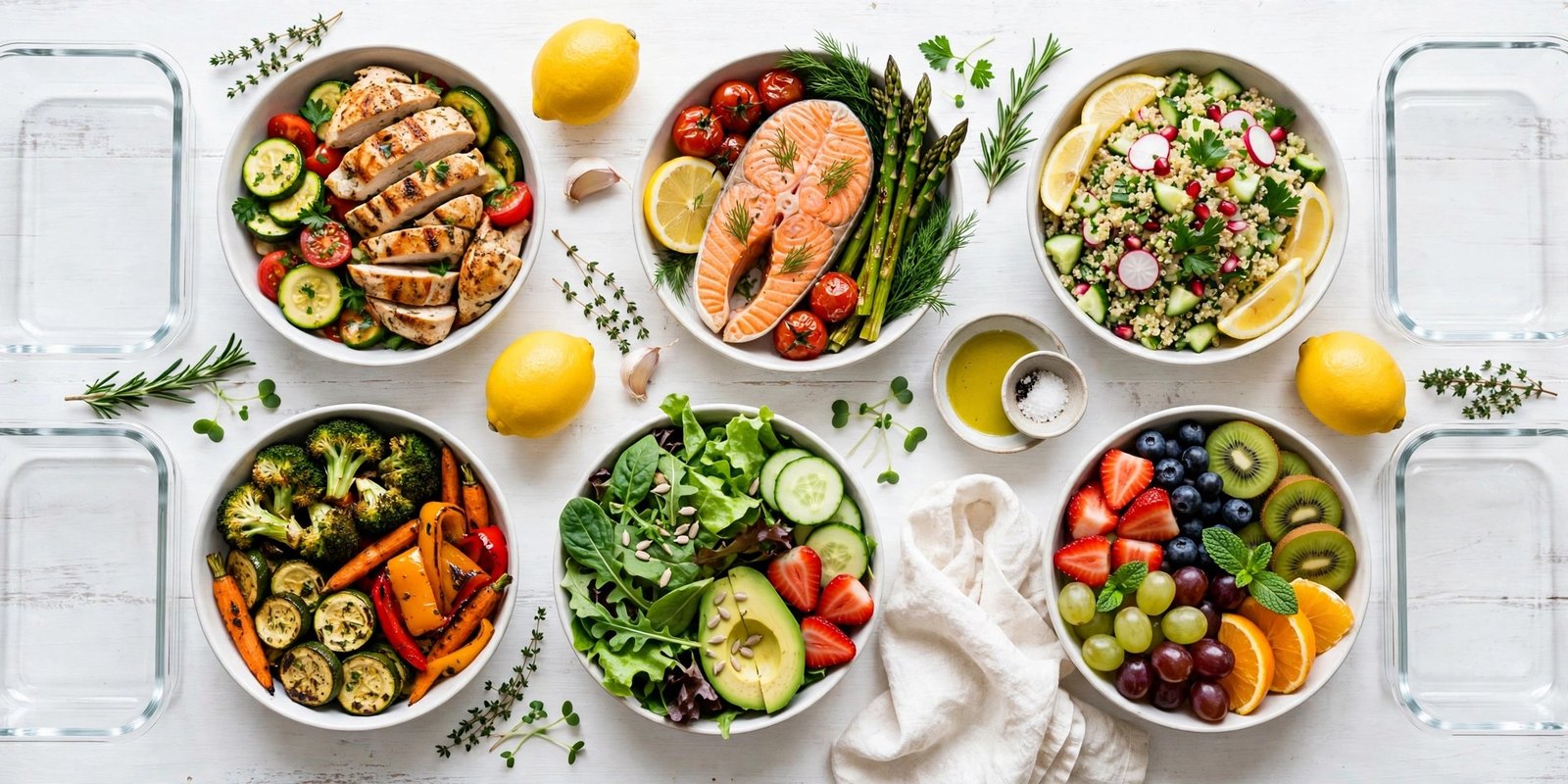
- Cook in batches: Make a large pot of soup, stew or lentil curry and freeze portions for busy days. Batch cooking saves time and stops expensive last-minute orders. See our meal prep guide for beginners.
- Cook from scratch when you can: Simple meals — beans on toast, vegetable soup, egg fried rice, lentil pasta — need only a few ingredients and cost far less than ready meals.
- Use leftovers creatively: Roast vegetables become soup, leftover rice becomes fried rice, and leftover beans fill a wrap or salad the next day.
5. Waste less, save more
Food waste is wasted money. Using what you buy fully can cut your food bill more than any bargain.
- Store food properly and freeze extras: Freeze bread, leftovers and ripe fruit before they spoil. Label frozen meals with the date.
- Use everything and drink water: Use vegetable stems and leaves in soups, turn stale bread into croutons, and choose water instead of sugary drinks. It is healthier and almost free.
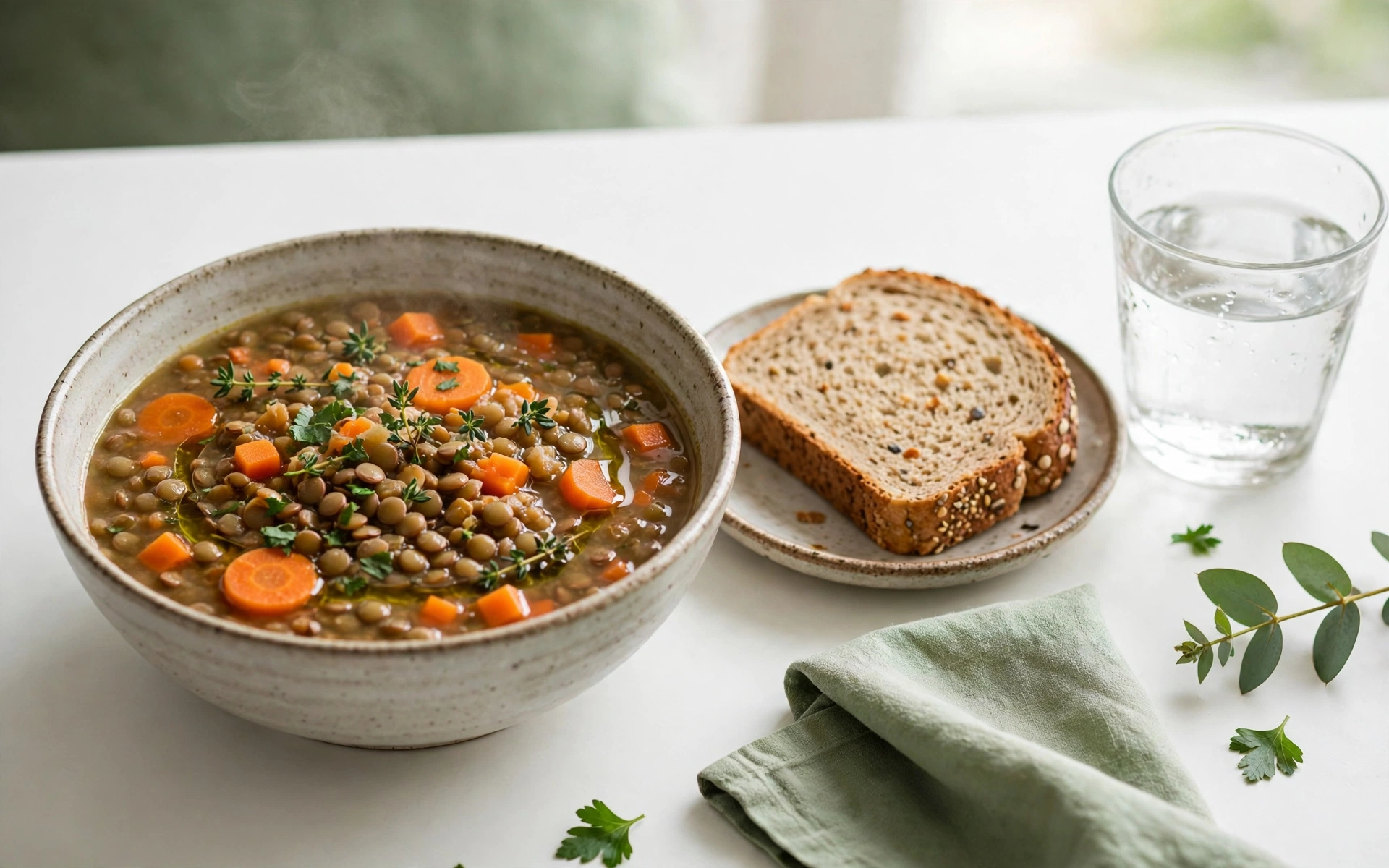 A sample budget-friendly day of meals
You do not need a perfect menu — just a simple pattern you can repeat:
- Breakfast: Porridge with oats, milk and sliced banana, with a boiled egg.
- Lunch: Lentil soup with whole-grain bread, plus an apple or carrot.
- Snack: Plain yoghurt with oats, or peanuts and a piece of fruit.
- Dinner: Bean and vegetable stew with rice, or an omelette with potatoes, onions and frozen spinach.
- Drink: Water throughout the day, and tea or coffee made at home.
Most meals use the same low-cost staples, so one weekly shop can cover several days. Swap vegetables for what is seasonal and on offer.
Common mistakes to avoid
Even with good intentions, a few habits can quietly raise your food bill:
- Shopping when hungry: You buy more snacks and ready meals. Eat before you shop or shop from a list.
- Buying too much fresh food at once: Fresh produce spoils fast. Buy smaller amounts more often, or freeze what you will not use in time.
- Paying for the health label: Plain oats or beans are often as nutritious as a premium "superfood" product at a fraction of the price.
- Skipping the plan: Without a plan, busy evenings lead to takeaways. Keep two or three quick backup meals — soup, eggs, beans on toast — always ready.
Key takeaways
- Healthy eating can be affordable when you focus on cost per nutrient, not premium products.
- Beans, lentils, eggs, oats and seasonal and frozen vegetables are cheap, filling and nutritious.
- Plan meals, shop with a list, cook in batches and use leftovers to save money every week.
- Cooking at home and reducing waste save the most over time.
- Start with three or four tips, keep them simple, and build from there.
Frequently asked questions
Is healthy food really more expensive than unhealthy food?
Not necessarily. Basic healthy foods like beans, lentils, oats, eggs and seasonal vegetables are among the cheapest foods available. Costs rise when you rely on takeaways and branded products instead of simple whole foods.
What is the cheapest healthy protein?
Beans, lentils and eggs are usually the cheapest healthy proteins. Dried lentils and beans cost very little per portion and are rich in fibre, while eggs provide complete protein and cook quickly.
Are frozen vegetables as nutritious as fresh vegetables?
Yes, in most cases. Vegetables are usually frozen soon after harvest, which helps preserve vitamins and minerals. Frozen vegetables are practical and affordable, especially out of season, and they reduce waste because they keep for months.
How much can meal prep save?
The amount varies, but batch cooking and planning usually save a noticeable amount each week by reducing takeaways, impulse buys and food waste. The biggest savings come from replacing several takeaway meals a week with simple home-cooked meals.
How can I eat healthy on a very tight budget?
Build most meals around oats, rice, beans, lentils, eggs, potatoes and seasonal vegetables, cook at home, and drink water instead of sugary drinks. Plan your week, shop with a list, and use frozen vegetables and leftovers to avoid waste.
Do I need expensive superfoods to eat healthily?
No. Everyday foods like oats, beans, lentils, eggs, cabbage, carrots and frozen vegetables already provide fibre, protein, vitamins and minerals. A balanced diet is built from simple, affordable foods, not premium powders and supplements.




Comments (0)
No comments yet. Be the first to share your thoughts!
Leave a comment