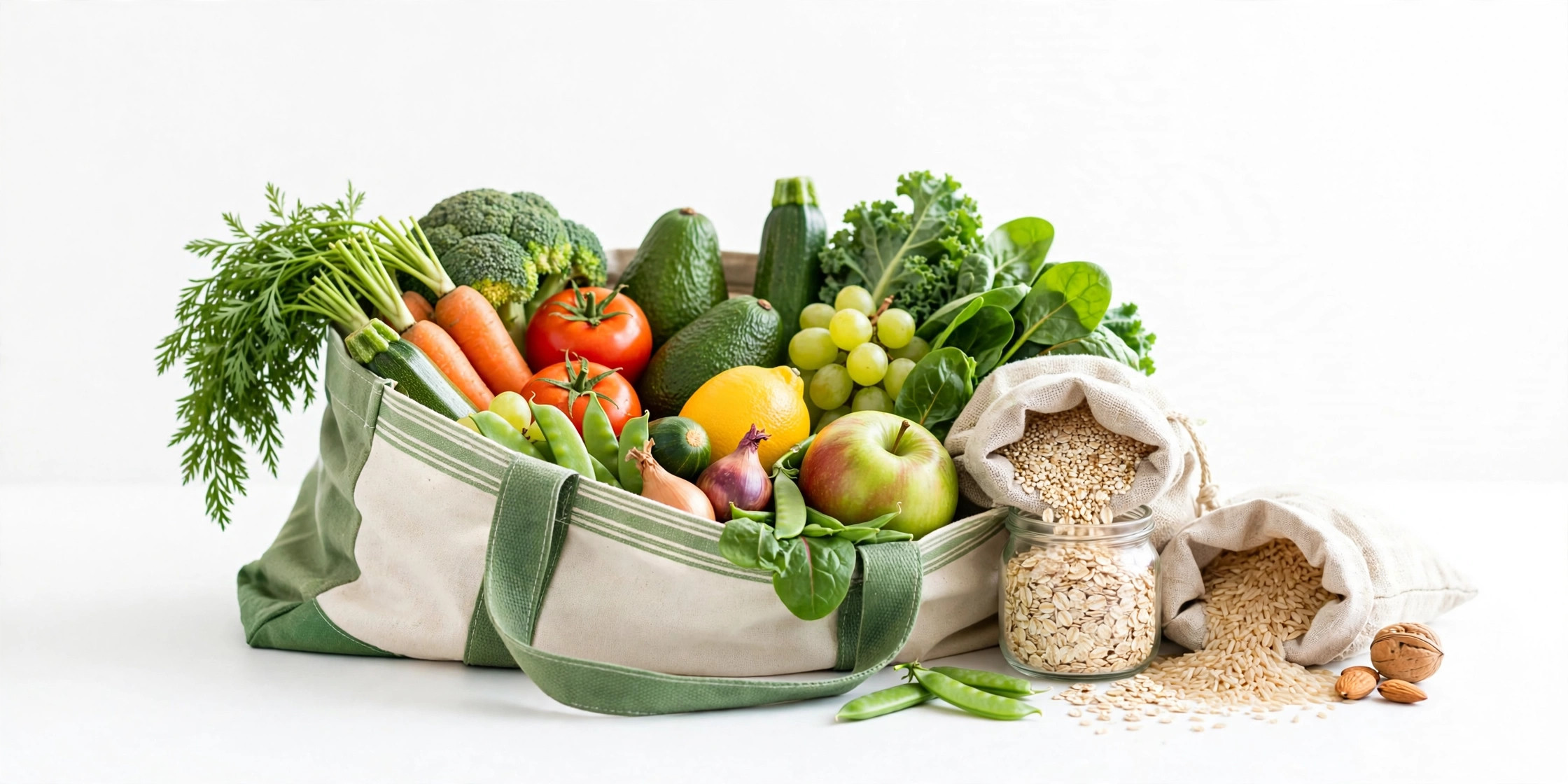
Direct answer: Healthy grocery shopping starts before you enter the store: plan your meals, make a list, and stick to it. Focus on fresh produce, whole grains, lean proteins, and minimally processed foods, read nutrition labels carefully, and shop mostly around the store's perimeter, where fresh foods are usually kept.
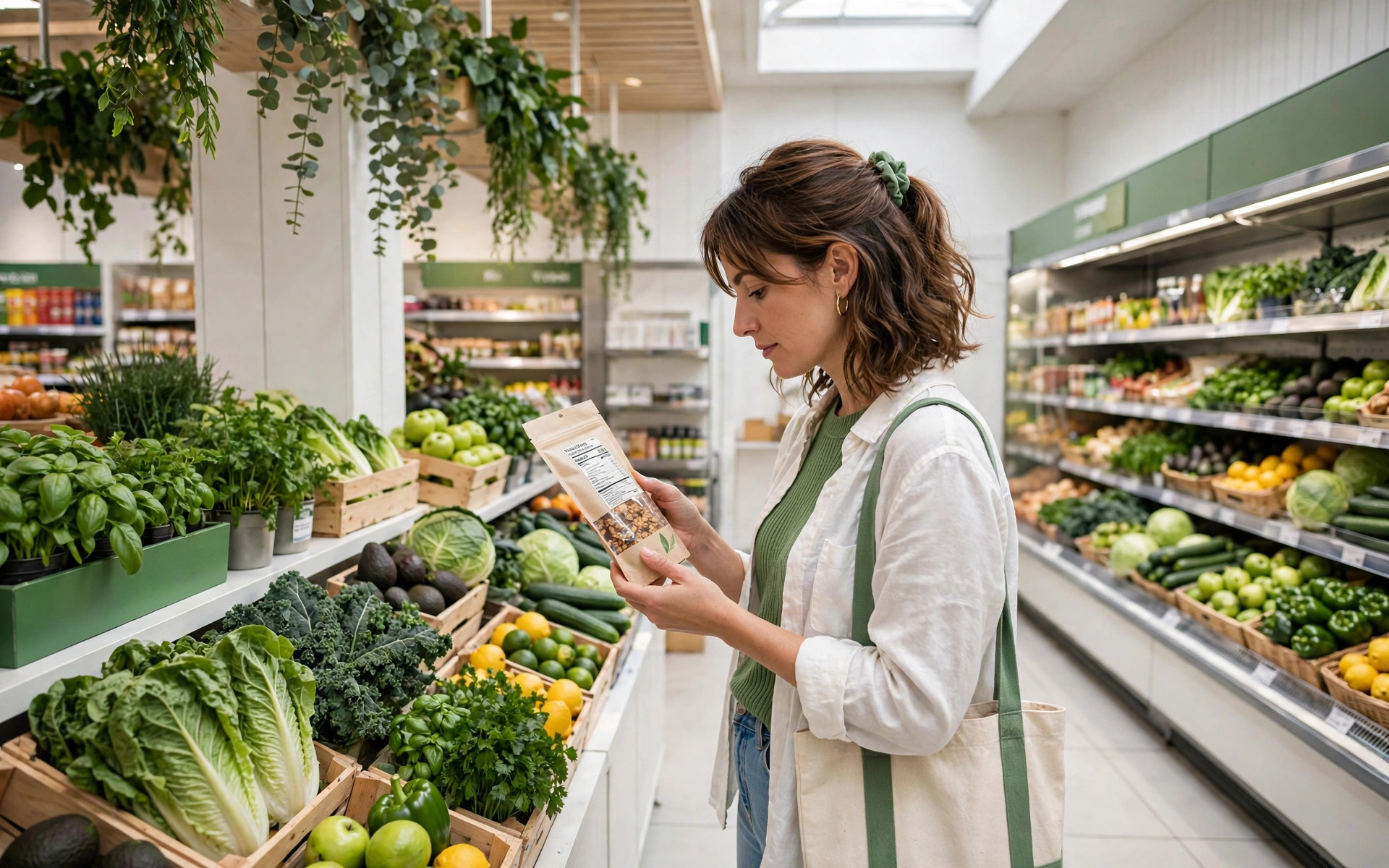
Walking into a grocery store hungry, rushed, or without a plan is one of the easiest ways to end up with a cart full of impulse buys and very little that actually supports the way you want to eat. The good news is that healthy grocery shopping is a skill, not a talent — and like any skill, it gets easier with practice. This beginner's guide will walk you through planning, shopping, label reading, and stocking a kitchen that makes healthy eating the easy default.
Disclaimer: This article is for general information only and is not medical advice. If you have a health condition, food allergy, or specific dietary needs, speak to a qualified healthcare professional or registered dietitian before changing your diet.
Healthy Grocery Shopping Starts at Home: Plan Before You Shop
Most healthy shopping decisions are made at your kitchen table, not in the aisle. A little planning saves money, reduces food waste, and keeps you from defaulting to takeout on busy nights.
- Plan 3–5 meals for the week. You do not need to plan every single meal. A few planned dinners, plus simple breakfast and lunch staples, are enough to anchor the week.
- Check what you already have. Look in your fridge, freezer, and pantry before you write your list so you do not buy duplicates.
- Build your list around your meals. Group items by store section — produce, dairy, grains, proteins — so you move through the store efficiently and skip aimless wandering.
- Keep a running list. Note items on your phone as you run out during the week, so nothing important is forgotten.
- Eat before you shop. Shopping on an empty stomach makes every snack display harder to resist.
A solid plan also makes it easier to use tools that support your goals. For example, if you are curious about the nutritional profile of a food on your list, you can check it in advance with the food nutrition lookup tool before you ever reach the shelf.
How to Navigate the Store for Healthy Grocery Shopping
You have probably heard the advice to "shop the perimeter" of the store, and it is a useful rule of thumb. Fresh produce, dairy, meat, seafood, and bread are usually arranged around the outer walls, while the middle aisles hold more heavily processed, shelf-stable products. That does not mean you should avoid the center aisles entirely — they are home to many nutritious staples — but starting on the perimeter helps fill your cart with fresh foods first.
Produce first
Fill a large part of your cart with vegetables and fruits in a variety of colors. Different colors generally signal different nutrients, so variety is an easy win. Fresh is great, but frozen vegetables and fruits are also excellent choices: they are usually frozen soon after harvest, keep for weeks, and help you avoid waste.
Choose your proteins with variety in mind
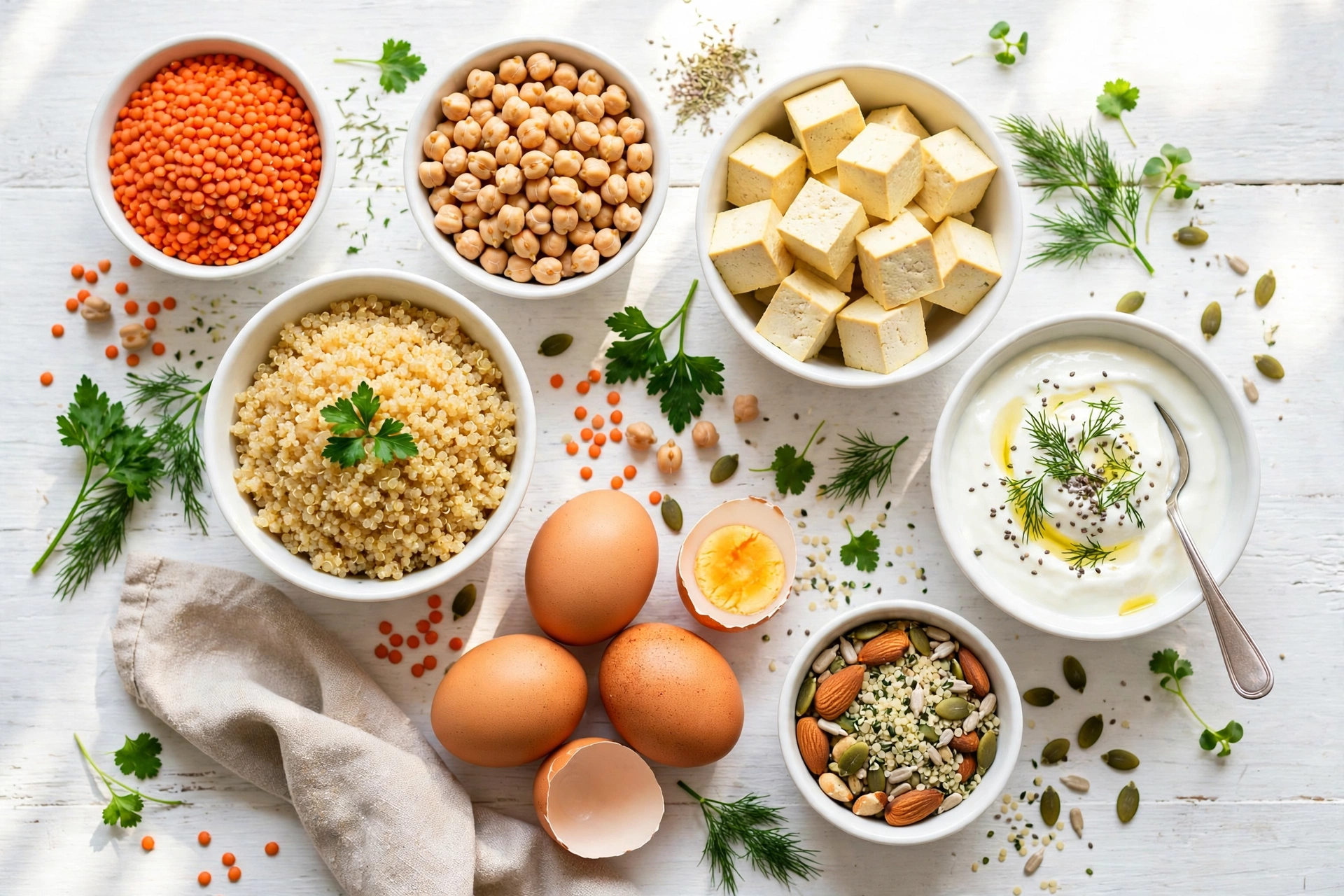
Rotate between different protein sources across the week — for example, lentils and beans, eggs, fish, poultry, and, if you eat it, lean red meat in smaller amounts. Plant proteins like beans and lentils are also budget-friendly and store well dried or canned.
Do not skip the middle aisles
The center of the store holds whole grains like oats, brown rice, and whole wheat pasta, as well as canned beans, canned tomatoes, nuts, seeds, and cooking oils. These pantry staples are the backbone of quick, healthy home cooking. Just compare labels and pick versions with short ingredient lists and little added salt or sugar.
Reading Food Labels Like a Pro
Labels can feel overwhelming at first, but you only need to check a few things to make a good decision:
- Serving size first. All the numbers on the label refer to one serving, and a package often contains more than one. Check this before anything else.
- Scan the ingredient list. Shorter lists of recognizable ingredients are usually a good sign. Ingredients are listed by weight, so the first few items tell you what the food is mostly made of.
- Watch added sugars and sodium. Compare similar products and choose the one with less added sugar and salt where possible.
- Look for fiber. Foods higher in fiber — such as whole grains, beans, and vegetables — tend to be more filling and supportive of digestion.
If you want a deeper walkthrough, our guide on how to read nutrition labels explains each part of the label step by step. And if you are tracking your overall intake, the calorie calculator can help you understand your daily needs.
Stocking a Nutritious Kitchen: The Essentials
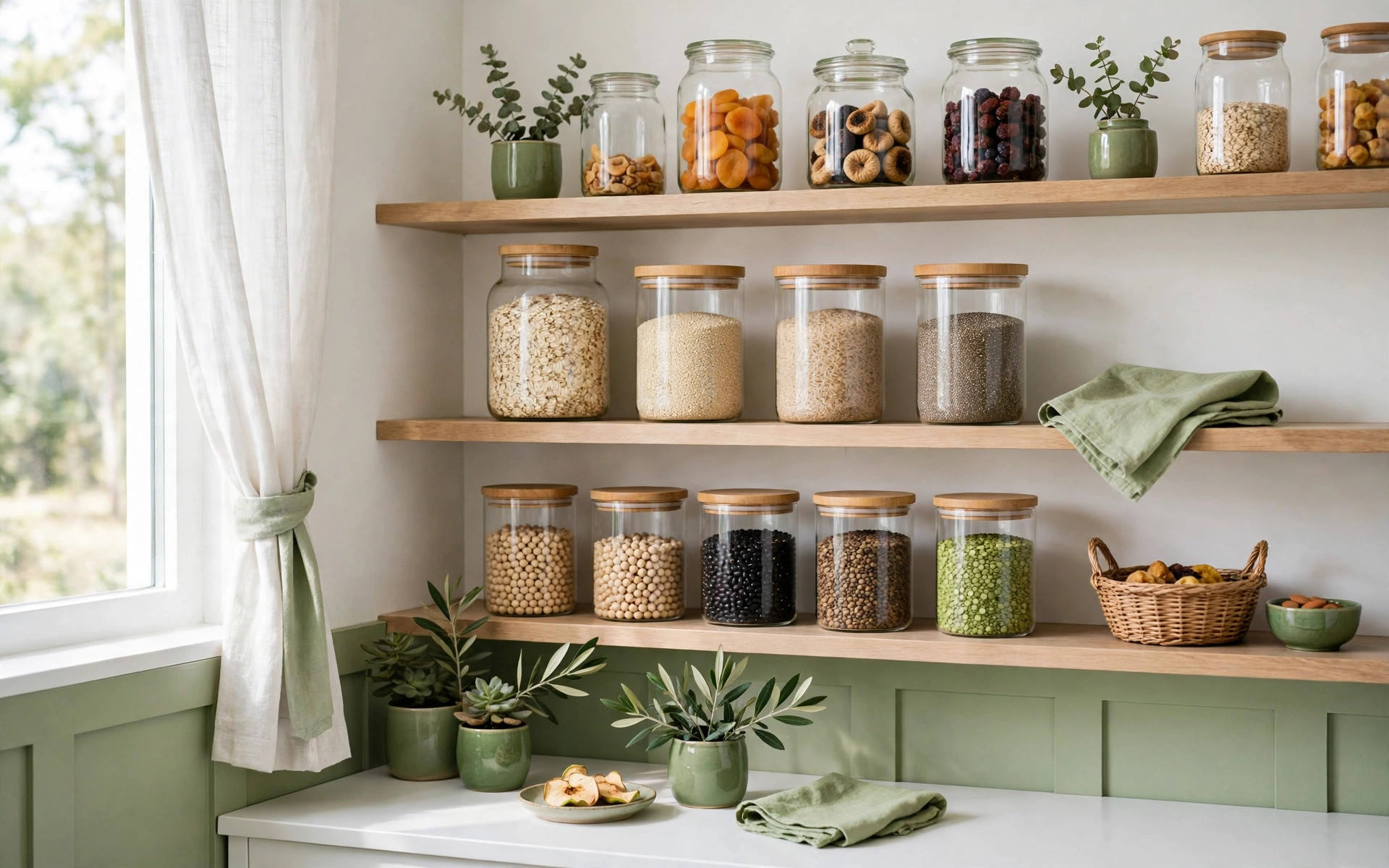
A well-stocked kitchen makes healthy meals possible even on your busiest days. These categories cover most everyday cooking:
- Produce: onions, garlic, carrots, leafy greens, tomatoes, and fruit you enjoy eating fresh.
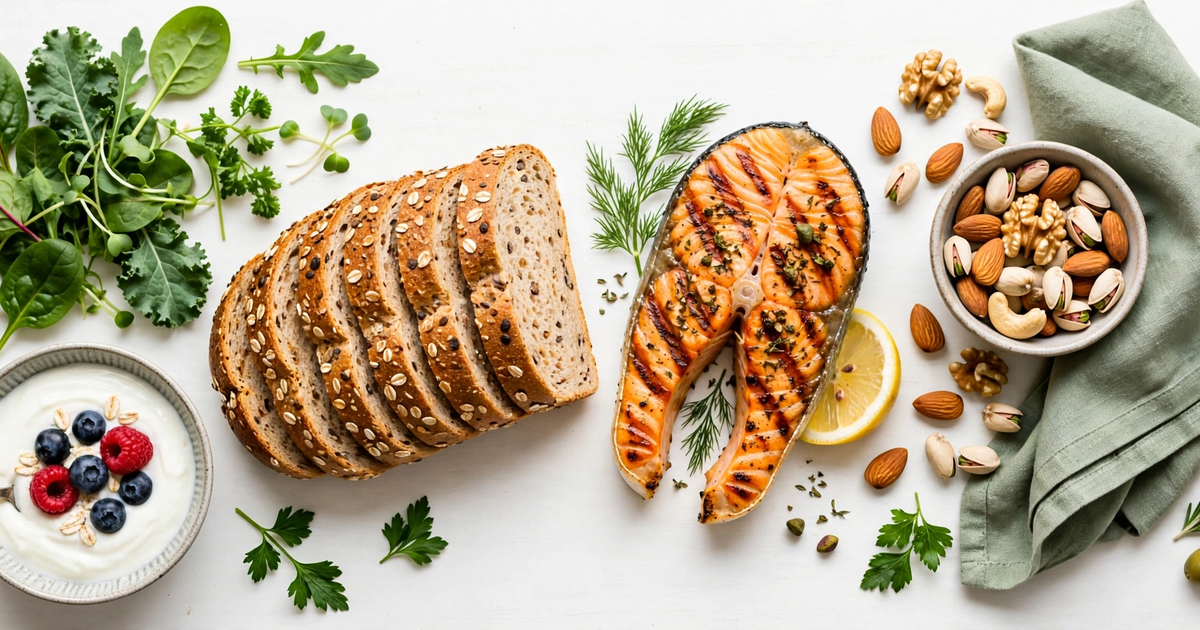
- Whole grains: oats, brown rice, whole wheat bread and pasta, and quinoa if you like it.
- Proteins: eggs, canned or dried beans and lentils, canned tuna or other fish, and nuts or seeds.
- Dairy or alternatives: milk, plain yogurt, and cheese in modest amounts.
- Healthy fats: olive oil, nuts, seeds, and avocado when in season.
- Flavor builders: herbs, spices, vinegar, mustard, canned tomatoes, and low-sodium stock — these make simple ingredients taste like a real meal.
Stocking up once also makes meal prep far easier: when the basics are already in your pantry, preparing a few meals ahead becomes a small weekend task instead of a big project.
Healthy Grocery Shopping on a Budget
Eating well does not have to mean spending more. In fact, a planned shop often costs less than unplanned trips topped up with takeout.
- Buy seasonal produce. Fruits and vegetables in season are usually cheaper and taste better.
- Use frozen and canned options. Frozen vegetables, canned beans, and canned tomatoes are nutritious, affordable, and last for months.
- Buy staples in bulk. Rice, oats, lentils, and dried beans cost much less per serving when bought in larger packs.
- Compare unit prices. The shelf price per kilogram or per liter tells you the real deal, not the package size.
- Limit the extras. Snacks, sugary drinks, and ready meals are usually the priciest items per nutrient — cutting back on them frees up budget for better staples.
Marketing Traps to Avoid
Food packaging is designed to sell, not to inform. A few claims deserve a second look:
- "Natural" or "made with real fruit" does not guarantee the product is low in sugar or minimally processed — check the ingredient list.
- Health halos on sugary products — granola bars, flavored yogurts, and breakfast cereals can carry a healthy image while containing a lot of added sugar.
- Giant "low fat" labels sometimes hide added sugar used to replace the fat. Compare the full label, not just the front of the pack.
- Checkout and end-of-aisle displays are prime spots for impulse buys. If it is not on your list, pause before adding it.
None of this means you can never buy a treat. It simply means treats should be a conscious choice, not an accident of store layout.
Key Takeaways
- Plan your meals and write a list before you shop — and stick to it.
- Shop the perimeter first for fresh foods, then fill in nutritious staples from the middle aisles.
- Read labels: check the serving size, ingredients, added sugar, sodium, and fiber.
- Stock your kitchen with whole grains, beans, frozen produce, and flavor builders for easy healthy meals.
- Buy seasonal and frozen produce, compare unit prices, and watch for marketing traps on packaging.
- Healthy grocery shopping is a habit — every planned trip makes the next one easier.
To round out your healthy eating foundation, learning about the benefits of fiber for weight loss and gut health is a great next step, since fiber-rich foods show up all over a well-planned shopping list. Start small this week: plan three meals, write one list, and shop it with confidence.
Frequently Asked Questions
Q: What is the first step to healthy grocery shopping?
A: Start at home: plan a few meals for the week and write a shopping list based on those meals. Checking what you already have in your pantry and fridge first prevents duplicate purchases and keeps your cart focused on what you actually need.
Q: Is frozen food as healthy as fresh food?
A: In many cases, yes. Vegetables and fruits are usually frozen soon after harvest, which helps preserve their nutrients. Frozen options are also convenient, reduce waste, and are often cheaper than fresh produce, especially out of season.
Q: How can I eat healthily on a tight budget?
A: Focus on affordable staples like oats, rice, beans, lentils, eggs, and seasonal or frozen produce. Buy in bulk where it makes sense, compare unit prices on the shelf, and limit sugary drinks and ready meals, which tend to cost more per nutrient.
Q: What should I avoid putting in my cart?
A: You do not need to ban any food entirely, but it helps to limit items high in added sugar, salt, and heavily processed ingredients — especially sugary drinks, candy, and ready meals. Check labels rather than trusting front-of-pack claims, and keep treats as deliberate choices.
Q: How do I read a nutrition label quickly?
A: Check the serving size first, then scan the ingredient list — shorter lists of recognizable ingredients are usually better. Compare added sugars and sodium between similar products, and favor foods with more fiber, such as whole grains and beans.


Comments (0)
No comments yet. Be the first to share your thoughts!
Leave a comment