
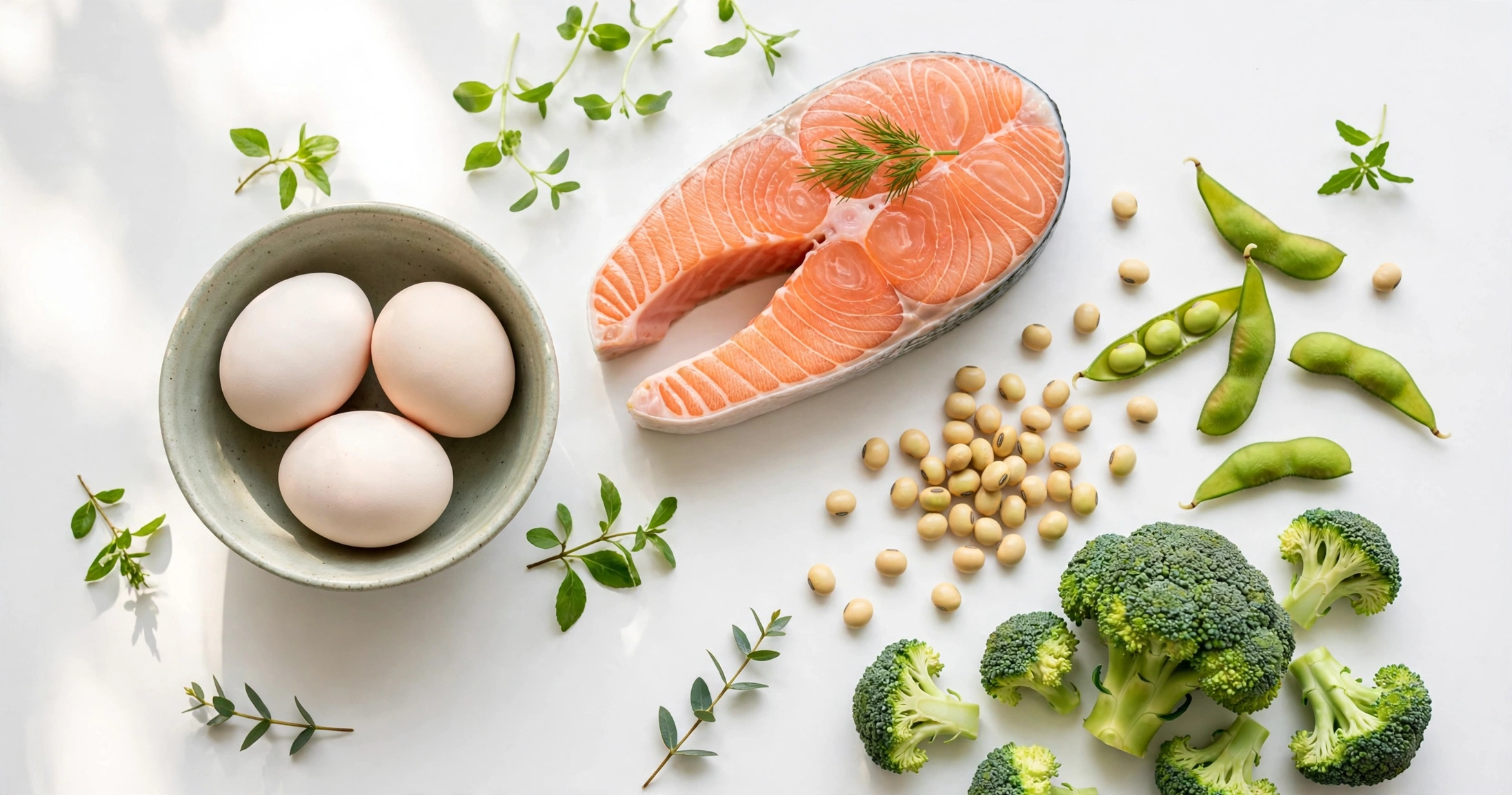
Choline is an essential nutrient that supports brain function, liver health, fat metabolism, and healthy foetal development during pregnancy. Your body makes a small amount on its own, but not enough to meet daily needs, so most choline must come from food. Eggs, liver, soy, fish, and chicken are among the richest sources.
 What Is Choline?
Choline is a vitamin-like nutrient that your body uses to build cell membranes, produce the neurotransmitter acetylcholine, and move fat out of the liver. It is often grouped with the B vitamins because it works closely with them, especially folate and vitamin B12, in a process called methylation. Although your liver can make some choline, the amount is too small to rely on, which is why dietary intake matters so much.
Choline plays a role in almost every cell in your body, helping to form cell membranes and move fats and cholesterol through the bloodstream. Without enough choline, these basic processes slow down, and over time that can affect memory, liver function, and muscle health.
If you want a quick sense of how your current diet measures up, you can check your daily intake with the NutriCounter nutrition tool and keep a simple record in the food tracker. Many people are surprised to find that their choline intake is lower than they expected, especially if they rarely eat eggs or fish.
Benefits of Choline
Choline is not a nutrient you hear about every day, but its effects reach across several systems in the body. Here are the areas where the evidence is strongest.
Brain Health and Memory
Choline is needed to make acetylcholine, a neurotransmitter involved in memory, learning, attention, and muscle control. Adequate intake in adult life supports normal cognitive function, and getting enough during pregnancy and early childhood supports the baby's brain development.
Liver Health
One of choline's most important jobs is helping the liver process and export fat. When choline is low, fat can build up in the liver, a condition known as fatty liver. In severe deficiency, this can progress to liver damage. Eating enough choline-rich foods is therefore one of the simplest ways to support liver health, alongside limiting alcohol and maintaining a healthy weight.
Metabolism and Heart Health
Choline works together with folate and vitamin B12 to keep homocysteine levels in check. Homocysteine is an amino acid in the blood, and high levels have been linked with a higher risk of heart problems. By supporting this pathway, choline contributes to normal metabolism and cardiovascular health. It also helps the body use fats efficiently for energy rather than storing them unnecessarily.
Pregnancy and Early Development
Choline is especially important during pregnancy. It supports the development of the baby's brain and spinal cord and helps reduce the risk of neural tube defects. Needs rise during pregnancy and breastfeeding, so women in these stages should pay particular attention to choline-rich foods. If you are pregnant, talk to your doctor about your diet, and read our guide to vitamin B12 benefits, deficiency, and food sources.
 How Much Choline Do You Need?
Choline does not have a recommended dietary allowance in the same way as some vitamins, because the evidence base is still developing. Instead, health authorities set an Adequate Intake, which is the amount thought to be enough for most healthy people. For adults, the Adequate Intake is about 550 mg per day for men and about 425 mg per day for women. During pregnancy the Adequate Intake rises to about 450 mg per day, and during breastfeeding it is about 550 mg per day.
Most people do not reach these amounts from food alone. Surveys in several countries suggest that average intakes often fall below the Adequate Intake, particularly among people who avoid eggs, meat, and fish. That does not automatically mean deficiency, but it does mean that adding one or two choline-rich foods to your daily meals is a sensible step for most people.
Children also need choline for growth and brain development, and a varied diet with eggs, dairy, beans, and vegetables usually covers their needs without supplements.
Signs of Choline Deficiency
True choline deficiency is uncommon in healthy people who eat a varied diet, but low intake over a long period can cause problems. The signs are often vague at first, which is why deficiency can go unnoticed. Possible signs include:
- Fatigue and low energy: choline supports energy metabolism, and low levels may contribute to tiredness.
- Memory problems or difficulty concentrating: because choline is needed to make acetylcholine, low intake may affect focus and short-term memory.
- Muscle aches or weakness: prolonged deficiency can affect muscle cells and lead to soreness or reduced strength.
- Fatty liver: fat building up in the liver is one of the better-documented effects of low choline intake.
- Mood changes: some studies have explored links between low choline and mood, although the evidence is still limited.
If you notice several of these symptoms together, or you follow a very restricted diet, review your meals and speak to a doctor or dietitian rather than self-diagnosing. Blood tests for choline are not routine, so a diet review is usually the most useful first step.
Best Food Sources of Choline
Animal foods are generally the richest sources of choline, but several plant foods also contribute useful amounts. The foods below are among the best choices, with approximate choline content per serving:
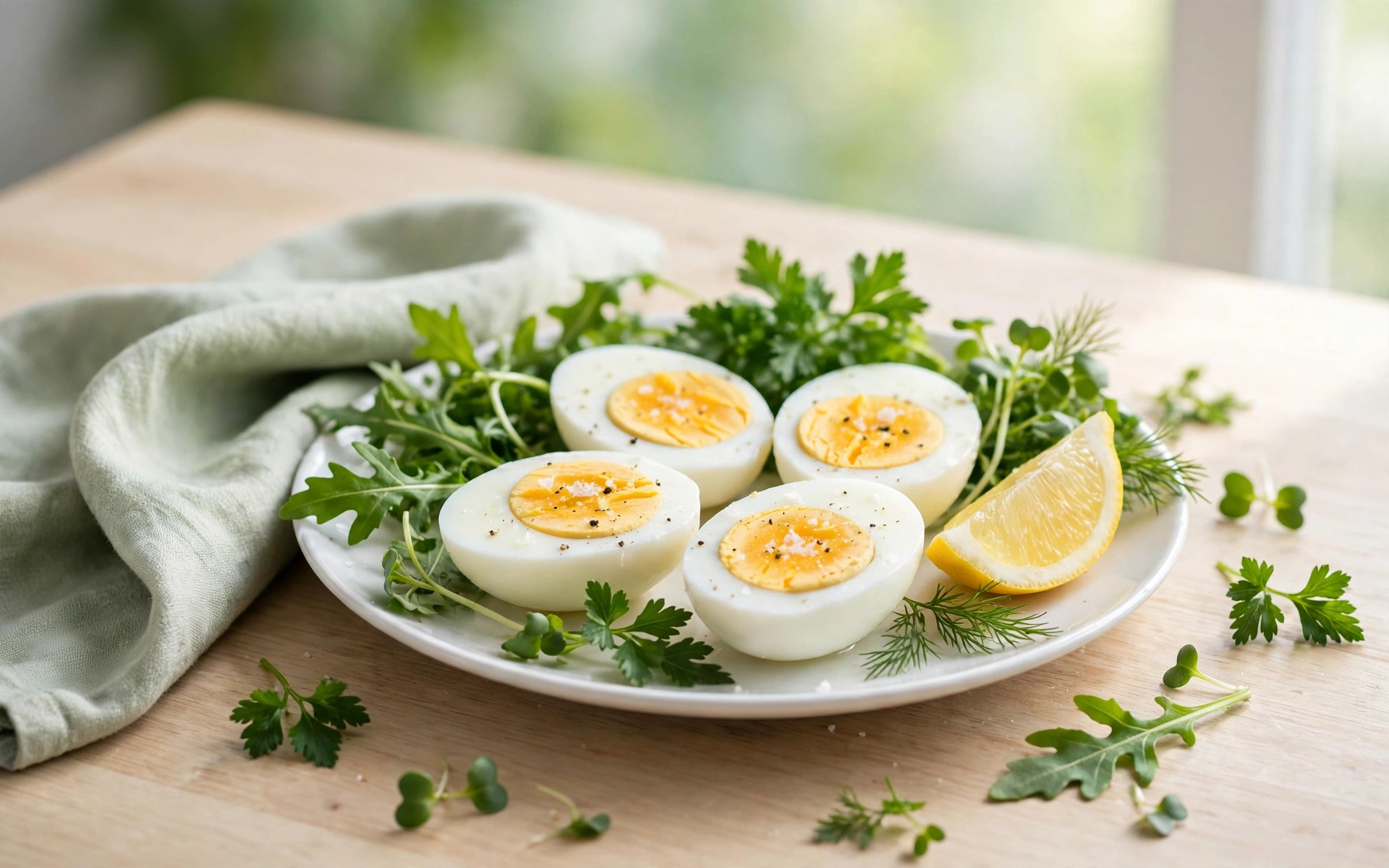
- Eggs: one large egg provides about 147 mg of choline, mostly in the yolk, making eggs the single easiest way to boost your intake.
- Beef liver: a 75–85 g serving provides roughly 350–360 mg, one of the highest concentrations of any food.
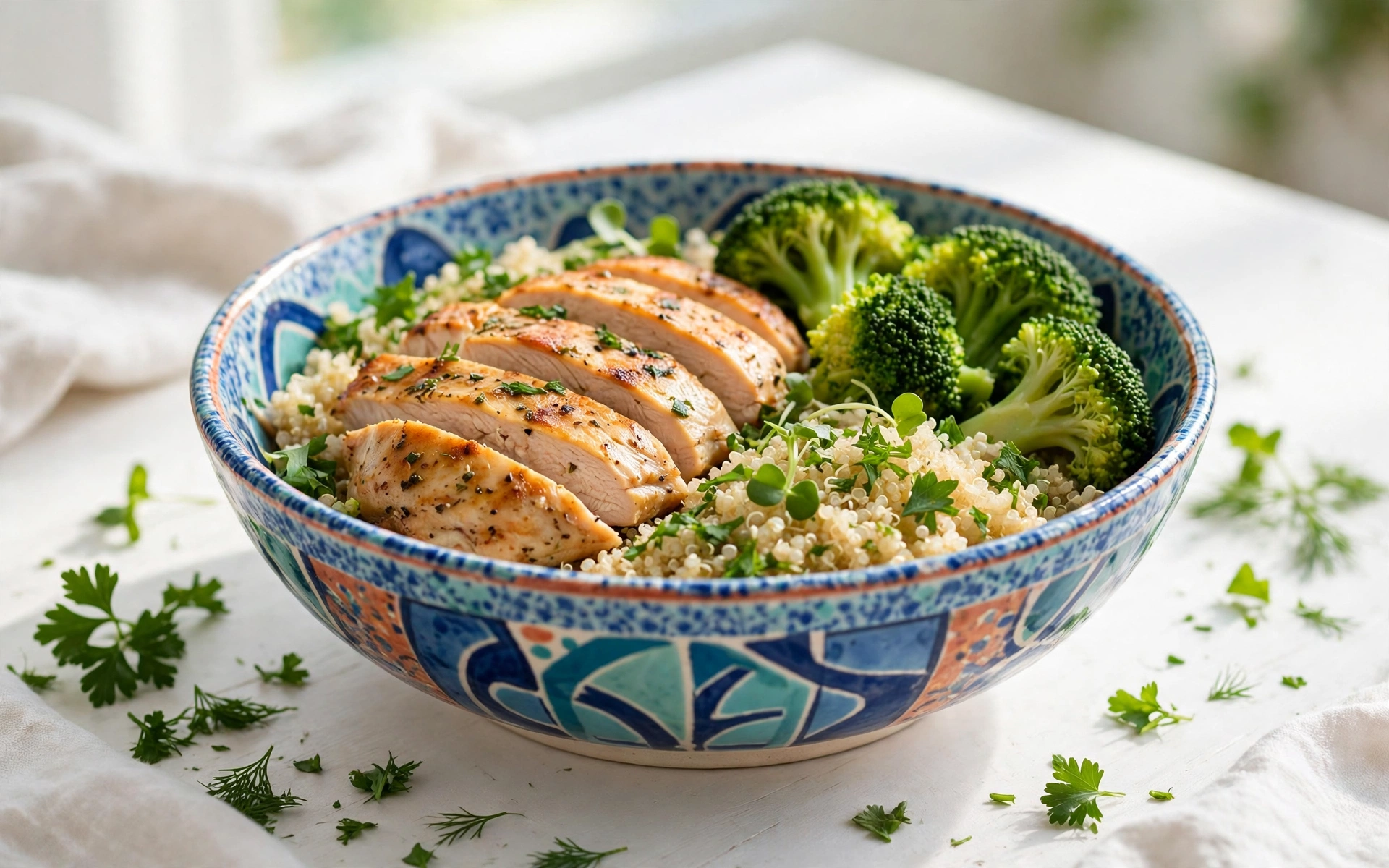
- Chicken breast: a 150 g serving provides about 130 mg, a practical everyday source.
- Salmon: a 150 g fillet provides about 180 mg, along with omega-3 fats that also support brain health.
- Soybeans and tofu: a 100 g serving of roasted soybeans provides about 200 mg, while half a cup of firm tofu provides about 80 mg.
- Broccoli and cauliflower: one cup of cooked broccoli provides about 60 mg, and cauliflower provides a similar amount.
- Brussels sprouts: one cup cooked provides about 60 mg and adds fibre and vitamin K as well.
- Milk and yoghurt: one cup of milk provides about 40 mg, and Greek yoghurt provides a similar amount per serving.
- Peanuts and peanut butter: a small handful of peanuts provides about 25 mg, a useful addition rather than a main source.
To reach your daily target, combine foods across the day: an egg at breakfast, chicken or fish at lunch or dinner, and soy or cruciferous vegetables as a side. Small, regular additions add up quickly.
Choline Supplements: Do You Need Them?
For most healthy adults, food is the best source of choline, and supplements are not routinely needed. Common forms include choline bitartrate, phosphatidylcholine (lecithin), and citicoline, also known as CDP-choline. None of them replaces a balanced diet.
Supplements may be worth discussing with a doctor if you are pregnant, breastfeeding, vegan, or following a very low-fat or restricted diet, or if you have a liver condition. High doses of choline from supplements can cause side effects such as a fishy body odour, nausea, sweating, and low blood pressure, so it is important not to take large doses without medical advice. The upper safe limit for adults from food and supplements combined is generally set at 3,500 mg per day.
If you do consider a supplement, choose a reputable brand, keep the dose modest, and focus first on improving your food sources. A supplement can fill a gap, but it cannot make up for a diet low in whole foods.
Key Takeaways
- Choline supports brain function, liver health, metabolism, and healthy development during pregnancy.
- Adults need about 550 mg per day (men) and 425 mg per day (women) — the established Adequate Intake values.
- Eggs are the easiest everyday source: one large egg provides about 147 mg of choline.
- Fatigue, poor concentration, muscle aches, and fatty liver can be signs of low intake over time.
- Food comes first — combine eggs, fish, chicken, soy, and cruciferous vegetables across the day before considering supplements.





Comments (0)
No comments yet. Be the first to share your thoughts!
Leave a comment