
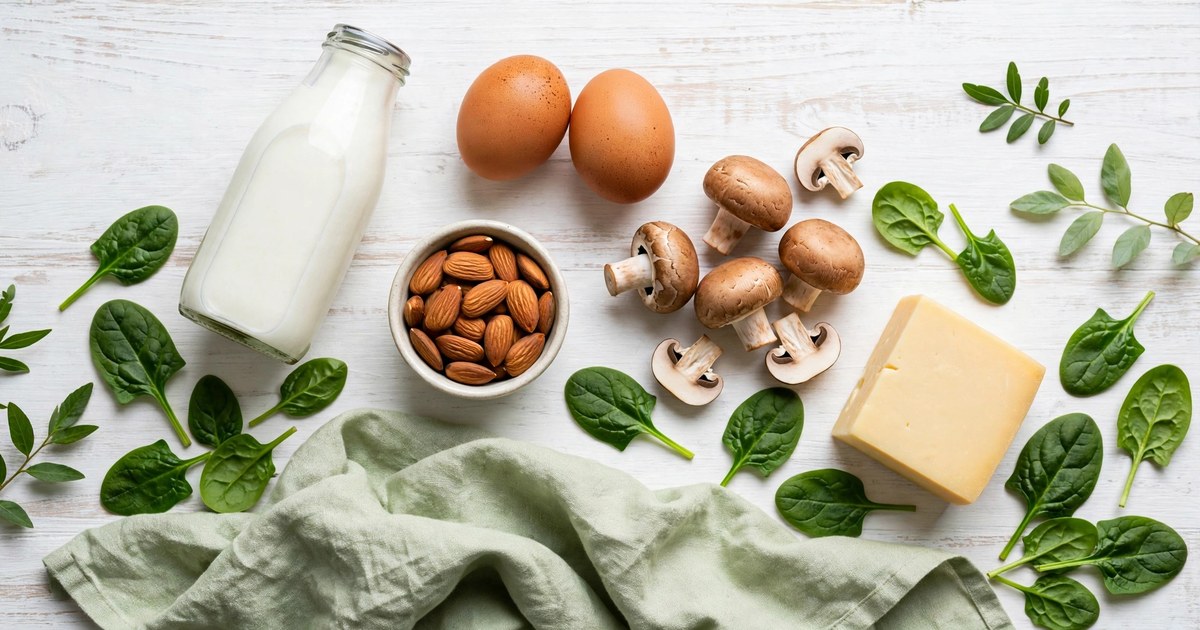
Vitamin B2, also called riboflavin, is a water-soluble vitamin that helps your body turn food into energy and keeps your skin, eyes, and mouth healthy. Adults need only about 1.3 mg (men) or 1.1 mg (women) a day, but because your body cannot store it, you need a steady supply from food.
What is vitamin B2 (riboflavin)?
Riboflavin is one of the eight B vitamins, and it works as a helper (coenzyme) in the reactions that release energy from carbohydrates, fats, and protein. It is also involved in the growth and repair of cells, the production of red blood cells, and keeping the lining of your mouth, tongue, and skin healthy. Because it is water-soluble, any extra is flushed out in your urine — which is why high-dose riboflavin supplements can turn urine bright yellow. That colour change is harmless, but it is also a sign that your body is simply getting rid of what it does not need.
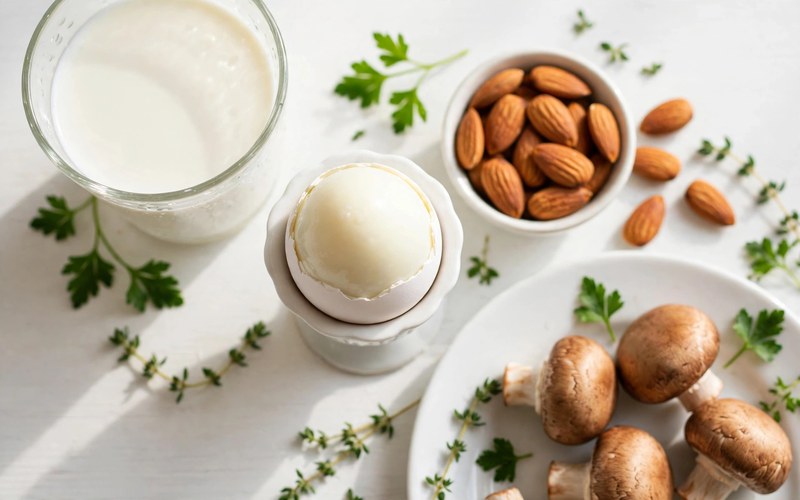
Riboflavin is sensitive to light, which is why milk is usually sold in opaque cartons and bottles. A glass bottle of milk left in bright sunlight can lose a noticeable amount of its riboflavin in a few hours. Keep dairy and riboflavin-rich foods stored away from direct light whenever you can.
Benefits of vitamin B2
Riboflavin does not work alone — it is part of a team — but its own jobs are important:
- Energy production: riboflavin helps convert the food you eat into usable energy. Without enough of it, your cells cannot produce energy efficiently, which is one reason deficiency can cause fatigue.
- Healthy skin and mucous membranes: it helps maintain the tissues lining your mouth, tongue, lips, and skin. Many deficiency symptoms show up exactly there.
- Eye health: riboflavin supports normal vision and helps protect the eyes from light damage. Some research has looked at riboflavin for eye conditions, but food intake is what matters for everyday health.
- Supporting other B vitamins: riboflavin helps activate vitamin B6 and folate (vitamin B9), so a shortage can quietly affect those vitamins too. If you want the full picture of the B family, see our guides on vitamin B1 (thiamine) and vitamin B12.
- Red blood cell production: riboflavin plays a role in making red blood cells, which carry oxygen around your body.
Riboflavin is not a weight-loss vitamin and it will not boost your energy above normal levels if you already get enough. Its real value is keeping the energy machinery running smoothly — which is exactly why it belongs in a balanced diet, not in a mega-dose supplement.
How much vitamin B2 do you need?
Recommended daily amounts for adults are:
- Men (19+ years): 1.3 mg per day
- Women (19+ years): 1.1 mg per day
- Pregnant women: 1.4 mg per day
- Breastfeeding women: 1.6 mg per day
These amounts are easy to reach with ordinary food. A single cup of milk provides roughly 0.4 mg, an egg about 0.25 mg, and a serving of almonds about 0.3 mg — so a normal day of eating usually covers it. There is no established upper limit for riboflavin from food or supplements, because excess is excreted, but that does not mean high doses are useful.
Signs of vitamin B2 deficiency
True riboflavin deficiency is uncommon in countries with varied diets, but it can happen with a very restricted diet, long-term alcohol use, or conditions that affect nutrient absorption. The signs tend to appear around the mouth, skin, and eyes:
- Cracks at the corners of the mouth (angular cheilitis) — painful splits that heal slowly
- Sore, swollen, or red tongue (glossitis) and a sore throat
- Cracked, dry lips and inflammation around the lips
- Skin rashes, especially on the face around the nose and ears, and an oily, scaly rash in some cases
- Eyes sensitive to light, with itching, burning, or watering eyes
- Fatigue and weakness — because energy production is less efficient
These symptoms are not specific to riboflavin — they can have many causes, and a deficiency rarely involves just one B vitamin. If you have persistent cracks at the corners of your mouth, a sore tongue, or unexplained fatigue, see a doctor rather than self-diagnosing. A simple blood test and a look at your diet are usually enough to sort it out.
Best food sources of vitamin B2
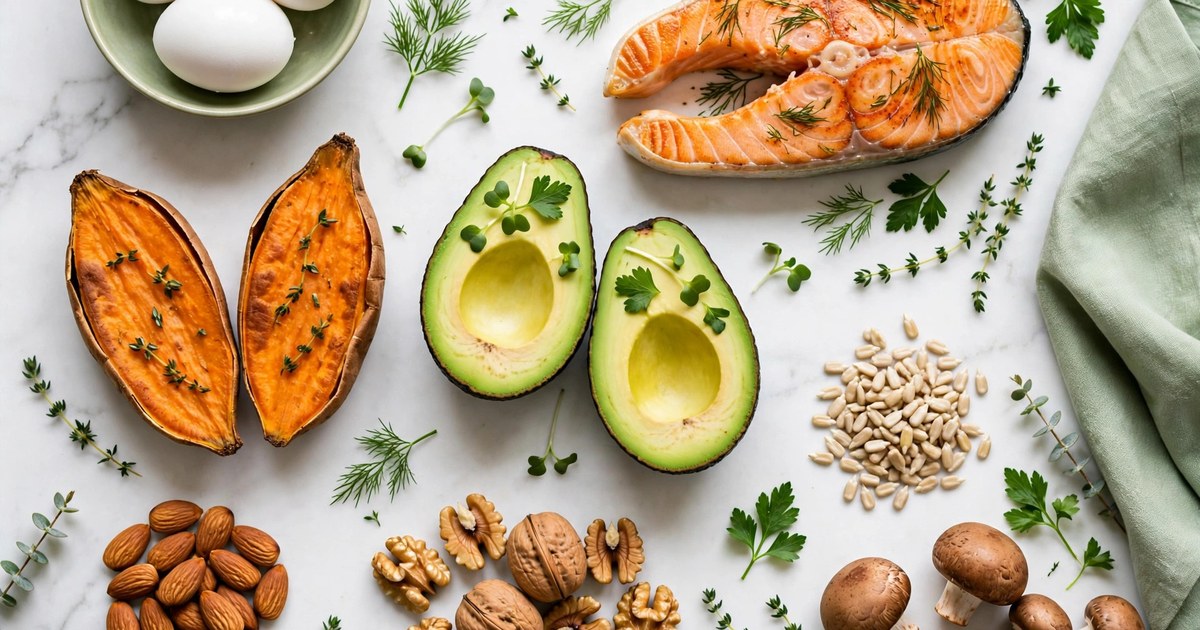
Riboflavin is found in a wide range of everyday foods, so most people can meet their needs without trying hard:
- Dairy: milk, yogurt, and cheese are among the richest and most reliable sources — a cup of milk covers about a third of your daily need.
- Eggs: one large egg provides around 0.25 mg, roughly a fifth of the daily target.
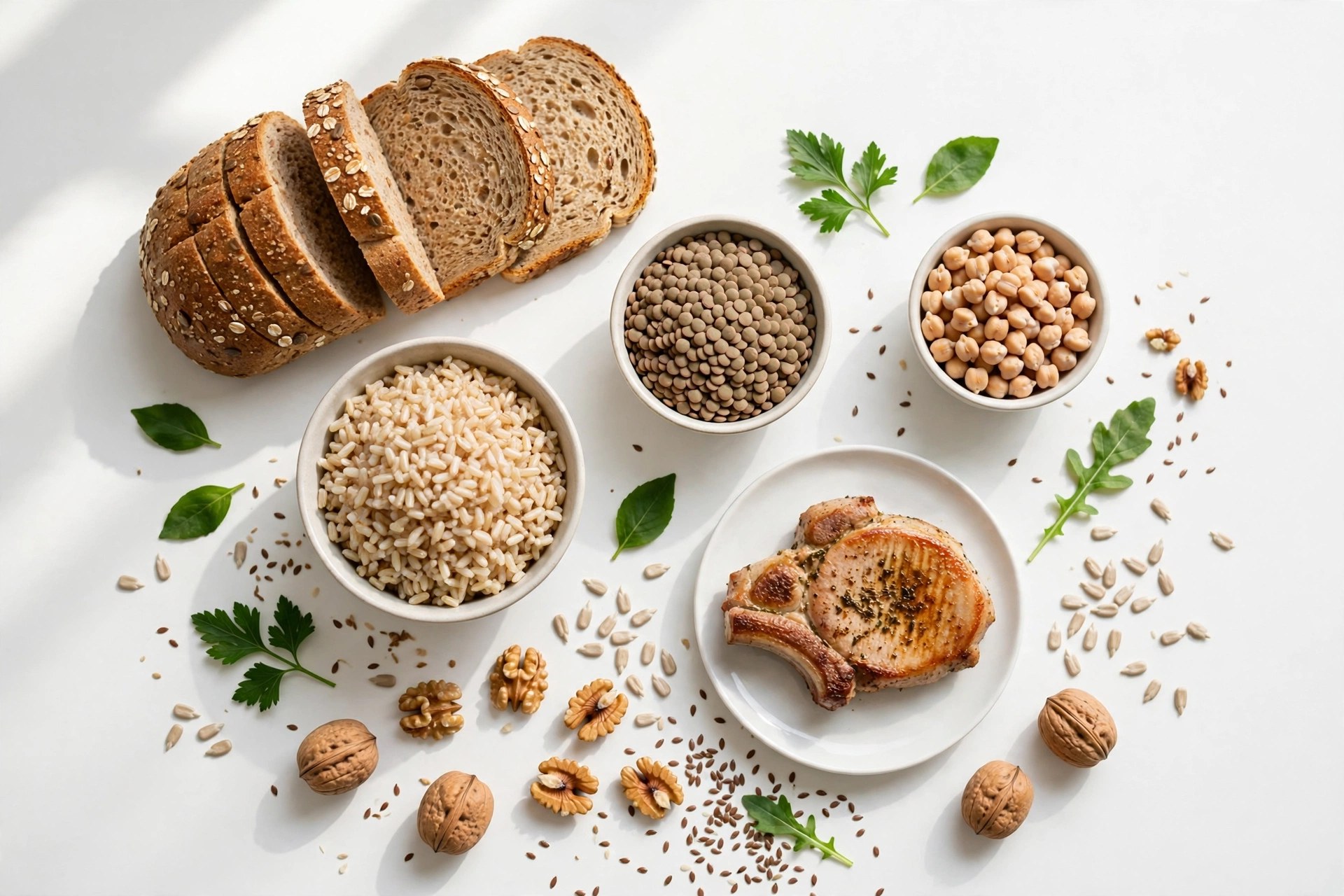
- Meat and organ meats: beef, pork, and especially liver are very high in riboflavin, though liver is not an everyday food for most people.
- Almonds: a small handful (about 30 g) gives around 0.3 mg — one of the best plant sources.
- Mushrooms: a cup of cooked mushrooms provides a useful amount and adds very few calories.
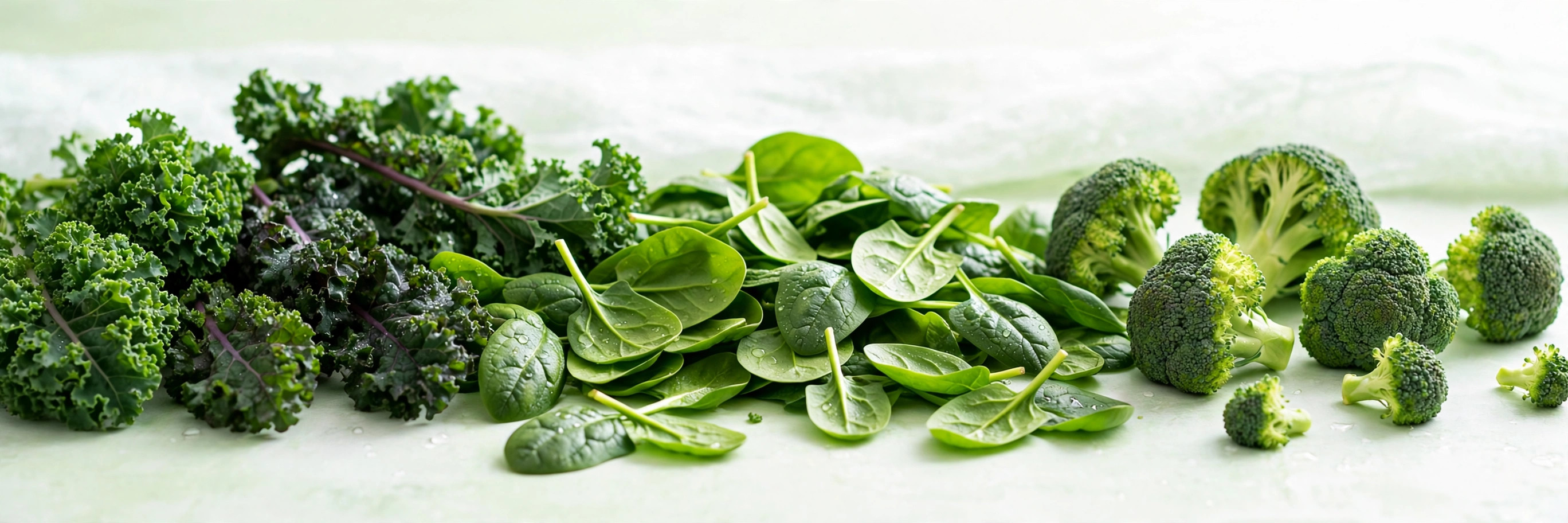
- Leafy greens: spinach and other dark green vegetables contribute riboflavin along with folate and iron.
- Whole grains and fortified foods: wholemeal bread, oats, and fortified breakfast cereals are practical everyday sources — check the label, as many cereals are fortified with riboflavin.
- Fish: salmon and trout contain modest amounts and bring omega-3 fats as well.

A simple day that covers your riboflavin: a bowl of fortified cereal with milk and a sliced banana for breakfast, a yogurt and a handful of almonds as a snack, and a dinner with eggs, mushrooms, and spinach. That alone usually exceeds the daily target. If you want to check how your own diet stacks up, log a typical day in the nutrition tracker — it shows your intake across the B vitamins, not just calories. And for a fuller picture of what is in your food, the nutrition tool lets you look up riboflavin content for individual foods.
Vitamin B2 and weight loss
Riboflavin does not burn fat or speed up weight loss on its own. But because it is involved in energy metabolism, getting enough of it keeps your energy levels steady while you are in a calorie deficit — and steady energy makes it much easier to stay active and stick to your plan. People on very low-calorie or highly restricted diets are also the ones most at risk of falling short on B vitamins, so a varied diet with dairy, eggs, whole grains, and vegetables matters even more during weight loss.
Do you need a vitamin B2 supplement?
For most people, no. Food covers the daily need easily, and extra riboflavin is simply excreted. Supplements make sense only in specific situations:
- Very restricted diets: for example, a vegan diet with no dairy or fortified foods, or a diet that excludes most animal products and grains.
- Absorption problems: some gut conditions or long-term medication use can reduce riboflavin absorption.
- Doctor's advice: if a blood test confirms a deficiency, your doctor may recommend a B-complex supplement rather than riboflavin alone, since B vitamin deficiencies often come together.
If you do take a B-complex supplement, expect bright yellow urine — that is the riboflavin leaving your body, not a sign that something is wrong. Do not take high-dose single-nutrient supplements for months without medical advice; a balanced diet is the safer and cheaper route for almost everyone.
Key takeaways
- Vitamin B2 (riboflavin) helps turn food into energy and keeps your skin, mouth, tongue, and eyes healthy.
- Adults need only 1.3 mg (men) or 1.1 mg (women) per day — easily covered by ordinary food.
- Deficiency signs include cracks at the corners of the mouth, a sore red tongue, cracked lips, skin rashes, light-sensitive eyes, and fatigue.
- Best sources are milk and dairy, eggs, almonds, mushrooms, leafy greens, whole grains, and fortified cereals.
- Riboflavin is light-sensitive, so store milk and dairy away from direct sunlight.
- Supplements are rarely needed — food is enough for most people, and excess is simply excreted.
Frequently Asked Questions
What does vitamin B2 (riboflavin) do?
Riboflavin helps your body convert carbohydrates, fats, and protein into energy, and it supports healthy skin, eyes, and the lining of your mouth and tongue. It also helps activate other B vitamins, including B6 and folate. You need only about 1.1–1.3 mg per day, and a normal varied diet usually provides it.
What are the signs of vitamin B2 deficiency?
The classic signs are cracks at the corners of the mouth, a sore swollen red tongue, cracked lips, skin rashes around the nose and ears, eyes that are sensitive to light, and fatigue. These symptoms can have many causes, so persistent symptoms should be checked by a doctor rather than self-diagnosed. Deficiency is uncommon with a varied diet but can occur with very restricted eating or absorption problems.
Which foods are highest in vitamin B2?
Milk, yogurt, and cheese are among the richest sources, followed by eggs, liver, almonds, mushrooms, spinach, and fortified breakfast cereals. A cup of milk provides about a third of the daily need, and a handful of almonds about a quarter. A day that includes dairy, eggs, and whole grains will usually cover your riboflavin needs without any supplement.
Can vitamin B2 help with weight loss?
Not directly — riboflavin does not burn fat. But it supports the energy metabolism that keeps you feeling steady while you are in a calorie deficit, and people on very restricted diets are the most likely to fall short on B vitamins. The best approach is a varied diet with dairy, eggs, whole grains, and vegetables, rather than a high-dose supplement.
Is it safe to take a vitamin B2 supplement?
Riboflavin is considered very safe because excess is excreted in urine — there is no established upper limit. The main visible effect is bright yellow urine, which is harmless. Even so, supplements are rarely needed, since food easily covers the daily requirement, and a B-complex is usually a better choice than riboflavin alone if a deficiency is suspected.



Comments (0)
No comments yet. Be the first to share your thoughts!
Leave a comment