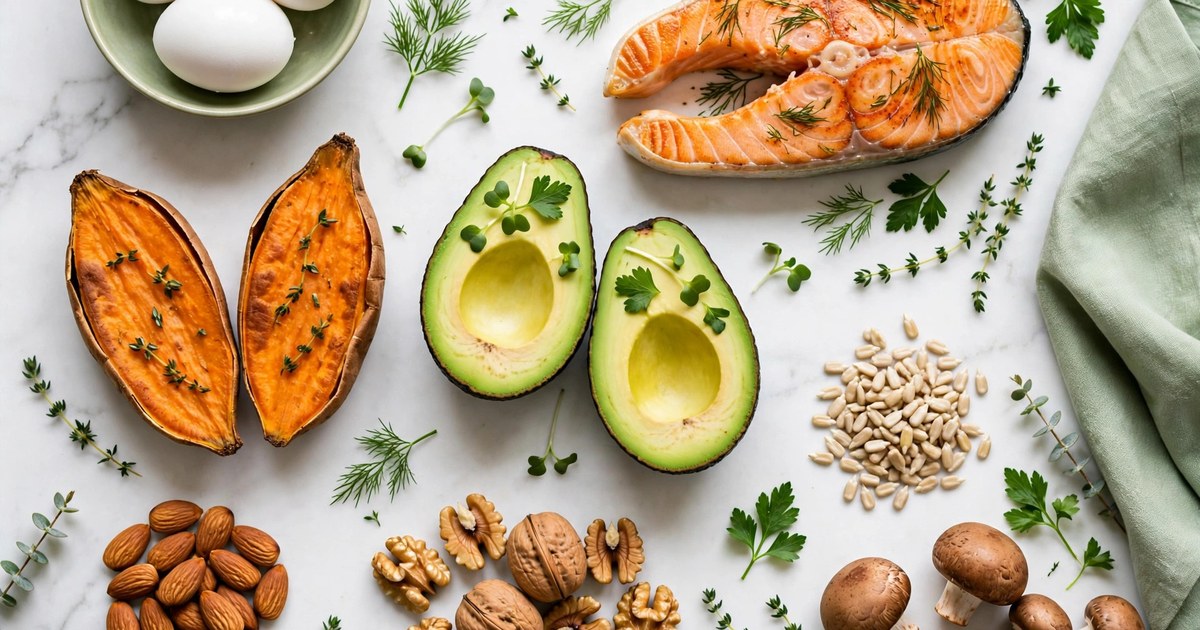
Direct answer: Biotin, also known as vitamin B7, is a water-soluble B vitamin that helps your body turn food into energy and supports healthy hair, skin, and nails. Most people get enough from a varied diet — eggs, salmon, nuts, seeds, and sweet potatoes are top sources — and true deficiency is uncommon.
Biotin rarely gets the spotlight vitamin D or C enjoy, yet it works quietly in almost every cell. It helps enzymes break down fats, carbohydrates, and proteins — which is why it is often called an energy vitamin — and it supports healthy hair, skin, and nails. But how much of the hype is real, and how much do you actually need?
 What Is Biotin (Vitamin B7)?
Biotin is one of the eight B vitamins. Like the others, it is water-soluble, so your body stores little of it and you need a regular supply from food. Gut bacteria produce small amounts too, but food is the main source.
Biotin works as a coenzyme — a helper molecule enzymes need. It helps turn macronutrients into energy, build fatty acids for cell membranes, and process amino acids, the building blocks of protein. It may also play a role in switching certain genes on and off, though this is still being studied. Because biotin touches so many basic processes, a severe deficiency can affect skin, hair, energy, and mood at once — though it is rare in people who eat a varied diet.
Biotin Benefits: What the Evidence Actually Says
Biotin is essential, but more is not always better. Here is an honest look at the benefits people ask about most.
Healthy Hair, Skin, and Nails
This is the benefit biotin is most famous for, and also the one with the most mixed evidence. Deficiency can cause hair thinning and skin rashes, and correcting it usually improves these symptoms. But there is limited strong evidence that extra biotin helps hair, skin, or nails in people who are not deficient — most positive reports are anecdotal. If your hair or nails are struggling, check the basics first — overall diet, iron, protein, and stress — before reaching for a supplement.
Energy Metabolism
Biotin helps your body convert food into energy, so it is genuinely involved in energy production. That said, extra biotin will not give you an energy boost if you already get enough from food. Low energy has many causes, from poor sleep to low iron or an underactive thyroid, and biotin is rarely the missing piece.
Blood Sugar Support
Some small studies have explored whether biotin, sometimes with chromium, may support healthy blood sugar levels. Results so far are preliminary and inconsistent, and biotin is not a treatment for diabetes or blood sugar problems. If you have concerns, talk to your doctor about proven approaches such as diet, activity, and medication.
Biotin Deficiency: Signs and Who Is at Risk
True biotin deficiency is uncommon, but it can happen — knowing the signs helps you spot it early.
Common Signs of Deficiency
- Hair thinning: diffuse thinning is more typical than patchy loss.
- Skin rash: a red, scaly rash around the eyes, nose, mouth, and skin folds.
- Brittle nails: nails that split or break easily.
- Eye irritation: red, irritated eyes.
- Fatigue and low mood: tiredness, poor appetite, and irritability.
- Numbness or tingling: in severe or prolonged deficiency, tingling in the hands and feet.
These symptoms are not specific to biotin, so never diagnose yourself from a symptom list. If several appear together, see a healthcare professional for proper testing.
Who Is at Risk?
- People who eat large amounts of raw egg white: raw egg whites contain avidin, which binds biotin and blocks absorption. Cooking inactivates avidin, so cooked eggs are a great source, not a problem.
- People on certain long-term medications: some anti-seizure drugs and long antibiotic courses may lower biotin levels.
- People with alcohol dependence: heavy alcohol use can impair biotin absorption and overall nutrition.
- People with certain gut conditions: conditions that reduce nutrient absorption can lower biotin status.
- Pregnant and breastfeeding people: needs are slightly higher, and marginal deficiency is more common.
- People with rare inherited disorders: conditions such as biotinidase deficiency affect biotin recycling and need medical care.
How Much Biotin Do You Need Per Day?
Many countries set no recommended dietary allowance (RDA) for biotin, because deficiency is so rare that no exact requirement exists. Instead, health authorities set an adequate intake (AI) — an amount thought to be enough for most healthy people.
As a general guide, the adequate intake for adults is around 30 micrograms (mcg) per day, and around 35 mcg per day while breastfeeding. Children need less. These figures are a guide, not a target to chase — a varied diet with eggs, fish, nuts, and vegetables usually meets your needs without counting micrograms.
There is no established upper limit, as no toxicity has been observed even at high doses. That does not mean megadoses are useful — extra biotin is simply excreted — and very high doses can interfere with some lab blood tests, as explained below.
 Best Food Sources of Biotin
Food first is the best approach: many everyday foods contain useful amounts, and a varied diet makes deficiency unlikely. Here are the richest sources:
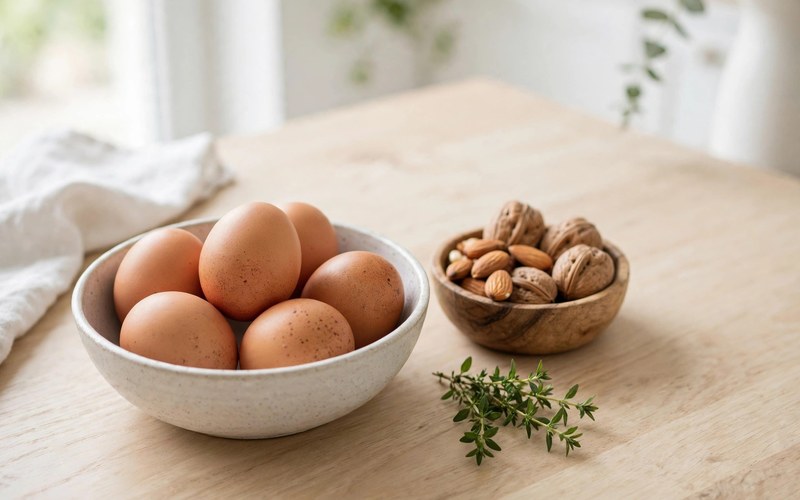
- Eggs: one cooked egg provides a good share of your daily biotin, mostly in the yolk. Always eat eggs cooked — raw whites block absorption.
- Liver: beef liver is one of the richest sources. A small portion occasionally is plenty.
- Salmon: a serving provides biotin plus omega-3s and protein.
- Nuts and seeds: almonds, walnuts, peanuts, and sunflower seeds make easy snacks.
- Sweet potatoes: a good plant source with fibre, vitamin A, and potassium.
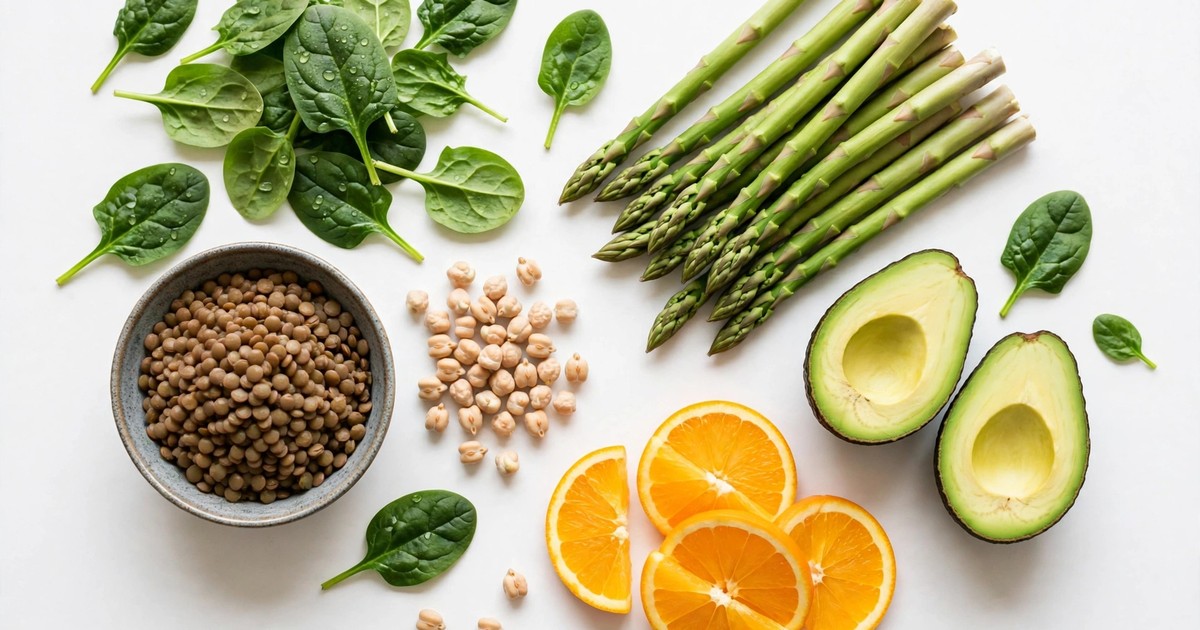
- Avocados: a moderate source with healthy fats and fibre.
- Mushrooms: useful, especially if you eat little meat.
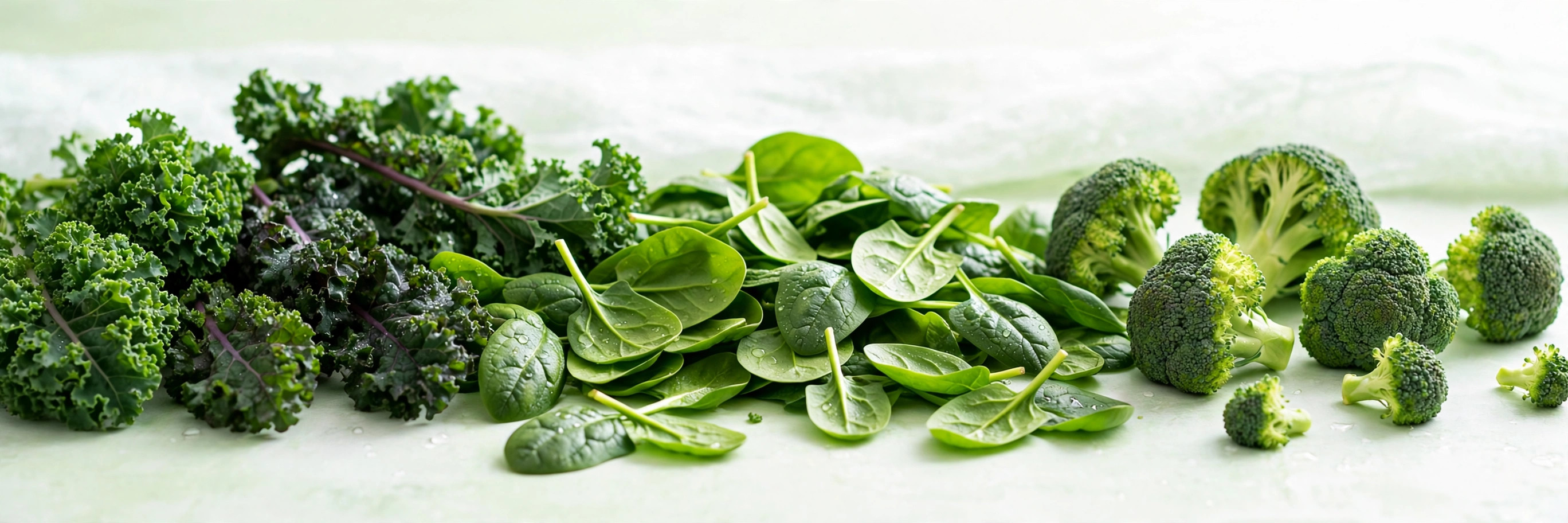
- Cauliflower and broccoli: modest amounts of biotin plus many other nutrients.
- Bananas: a small, handy contribution for breakfast or smoothies.
- Dairy and legumes: milk, cheese, lentils, and chickpeas add smaller amounts that add up.
You do not need liver daily or one superfood. An egg at breakfast, nuts as a snack, and salmon or sweet potato at dinner will comfortably cover your needs. Check your overall diet with our food nutrition lookup and nutrition tracker.
Biotin Supplements: When They Help and When They Don't
Biotin supplements are widely sold at 5,000 or 10,000 mcg per capsule — far above the daily adequate intake. Supplements may help if you have a diagnosed deficiency, a condition affecting biotin absorption or recycling, or take a medication that lowers biotin levels. A doctor can advise the right dose and monitor your progress.
Supplements are unlikely to help if you already eat a varied diet and have no deficiency: there is little evidence that high-dose biotin improves hair, skin, or nails with normal biotin levels, and any extra is simply excreted. To cover your B vitamins generally, a standard B-complex or multivitamin at daily levels is more sensible — it supports the whole family, including vitamin B6, folate, and B12, without megadosing one nutrient.
Safety Notes: Biotin and Lab Tests
Biotin is generally considered safe, even at high doses, but one caution matters: high-dose biotin can interfere with certain laboratory blood tests, including some thyroid tests and heart markers such as troponin, causing falsely high or low results that could lead to a wrong diagnosis.
If you take biotin, always tell your doctor and the lab before blood tests — your doctor may ask you to pause it beforehand, especially before thyroid or emergency heart tests. As with any supplement, talk to a healthcare professional before starting biotin if you are pregnant, breastfeeding, taking medication, or managing a health condition.
Key Takeaways
- Biotin (vitamin B7) turns food into energy and supports healthy hair, skin, and nails.
- True deficiency is uncommon; signs include hair thinning, skin rash, brittle nails, fatigue, and eye irritation.
- Most people meet their needs from food — around 30 mcg per day from a varied diet.
- Best sources: cooked eggs, liver, salmon, nuts, seeds, sweet potatoes, mushrooms.
- Supplements help with a diagnosed deficiency, but there is little evidence they help hair or nails otherwise.
- Tell your doctor about biotin before blood tests — high doses can skew some lab results.
- Food first is best; if you suspect a deficiency, see a healthcare professional.



Comments (0)
No comments yet. Be the first to share your thoughts!
Leave a comment