

Direct answer: Selenium is a trace mineral your body needs in small amounts for thyroid function, immune defence and protection against cell damage. You usually get enough from seafood, meat, eggs, Brazil nuts and whole grains. True deficiency is uncommon with a varied diet, but excess selenium from supplements can be harmful, so food first — no megadosing — is safest.
What Is Selenium and What Does It Do?
Selenium is an essential trace mineral: your body needs it, but only in tiny amounts. It is built into proteins called selenoproteins, including antioxidant enzymes that help protect cells from damage and enzymes that convert thyroid hormones into their active form.
Selenium also supports the immune system, helps make DNA and supports normal fertility. It works alongside other nutrients: selenium and iodine both matter for thyroid health. Like our guides to folate and vitamin B6, this article takes a food-first approach, with supplements only where there is a clear reason.
Selenium is unusual in that its level in food depends heavily on the soil. Plants take it up from the soil, and animals get it from their feed, so the same food can contain quite different amounts depending on where it was grown. That is one reason a varied diet matters more than chasing a single "superfood".
Why Selenium Matters: Key Benefits
Selenium's benefits come from the jobs its proteins do:
- Antioxidant protection: selenium-containing enzymes help neutralise free radicals, harmful molecules produced by normal metabolism, pollution and smoking. This is part of everyday cell defence, not a cure for disease.
- Thyroid function: the thyroid gland contains more selenium per gram than almost any other organ, and selenium is needed to activate thyroid hormones, which regulate metabolism and energy.
- Immune support: adequate selenium helps immune cells respond normally. Both too little and too much can disturb immune function.
- Healthy hair and nails: selenium contributes to their normal maintenance. Hair shedding can occur in both deficiency and excess, so hair loss alone never proves low selenium.
- Reproductive health: selenium plays a role in sperm development and normal reproductive function, though supplements are not a fertility treatment alone.
Be honest about the limits: selenium supports these systems as part of a healthy diet; it does not detox the body, prevent cancer, or reverse thyroid disease by itself. Taking large doses in hope of extra benefit is exactly how toxicity happens.
How Much Selenium Do You Need?
General guidance for adults is around 55 micrograms (mcg) per day, rising to around 60 mcg in pregnancy and around 70 mcg while breastfeeding. Children need less. A microgram is one-millionth of a gram, which is why selenium is classed as a trace mineral.
The tolerable upper intake level for adults is 400 mcg per day from all sources, including food and supplements. That limit is not a target — it is the highest daily intake thought unlikely to cause harm. The gap between the requirement (around 55 mcg) and the upper limit (400 mcg) is much narrower than for many other nutrients, so overshooting with supplements is genuinely possible, especially alongside a multivitamin. The NutriCounter Nutrition tool can help you check whether selenium-rich foods appear in your diet regularly.
Rather than counting micrograms at every meal, focus on the pattern: seafood, meat or eggs, whole grains and nuts or seeds across the week will cover most people's needs.
Selenium Deficiency Signs to Watch For
True deficiency is uncommon with a varied diet, since selenium is present in many common foods. It is more likely where soils are very low in selenium, diets are severely restricted, or absorption is impaired. Its signs develop gradually and are non-specific, meaning they can have many other causes:
- Feeling tired or weak, or having low stamina
- Muscle weakness or aches
- Hair loss or hair that breaks easily
- Getting infections more often than usual
- Difficulty concentrating or "brain fog"
- Thyroid problems, including an underactive thyroid, in people who are also low in iodine
- Infertility or difficulty conceiving, though this has many possible causes
Where soils are extremely low in selenium, severe long-term deficiency has historically been linked to Keshan disease, a heart muscle condition, and Kashin-Beck disease, a joint and bone condition. Both are rare and tied to very low intake over long periods, not to missing one food. If symptoms persist, see a healthcare professional for a blood test and diet review — do not diagnose yourself from a list, and do not start a high-dose supplement because of one symptom.
Best Food Sources of Selenium
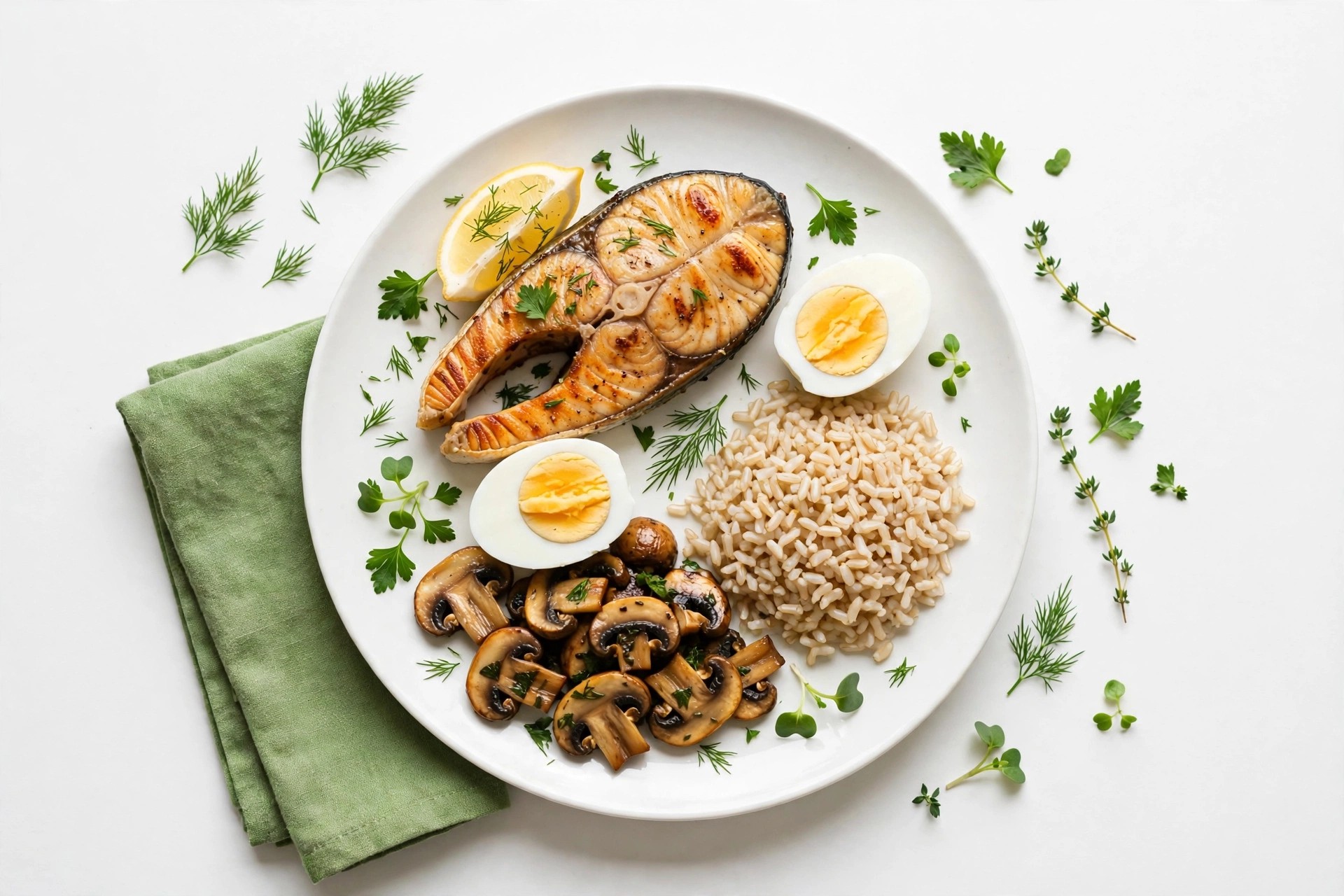
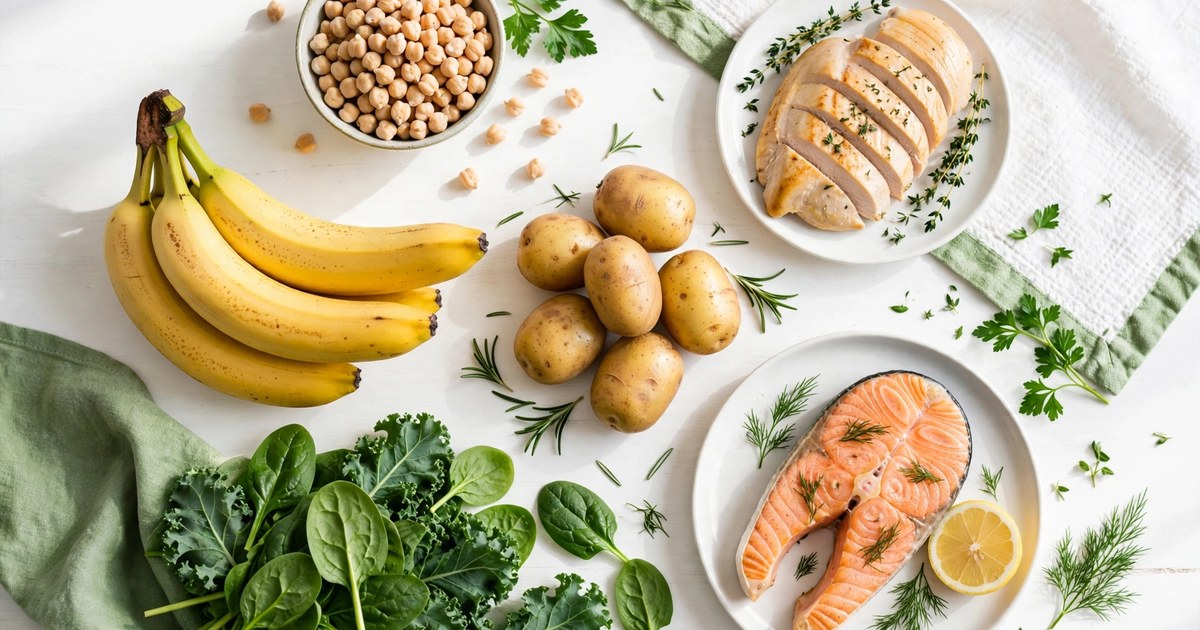
Animal foods tend to be the most reliable sources, because animals concentrate selenium from their feed, but plant foods grown in selenium-rich soil can also be good sources:
Seafood and fish
- Tuna, sardines, salmon and other oily fish
- Shrimp, prawns and other shellfish
- Cod and other white fish
Meat, poultry and eggs
- Chicken and turkey
- Beef, pork and lamb
- Eggs, which are an easy everyday source
- Organ meats such as liver, which are very rich, so small occasional portions are enough
Plant foods, nuts and grains
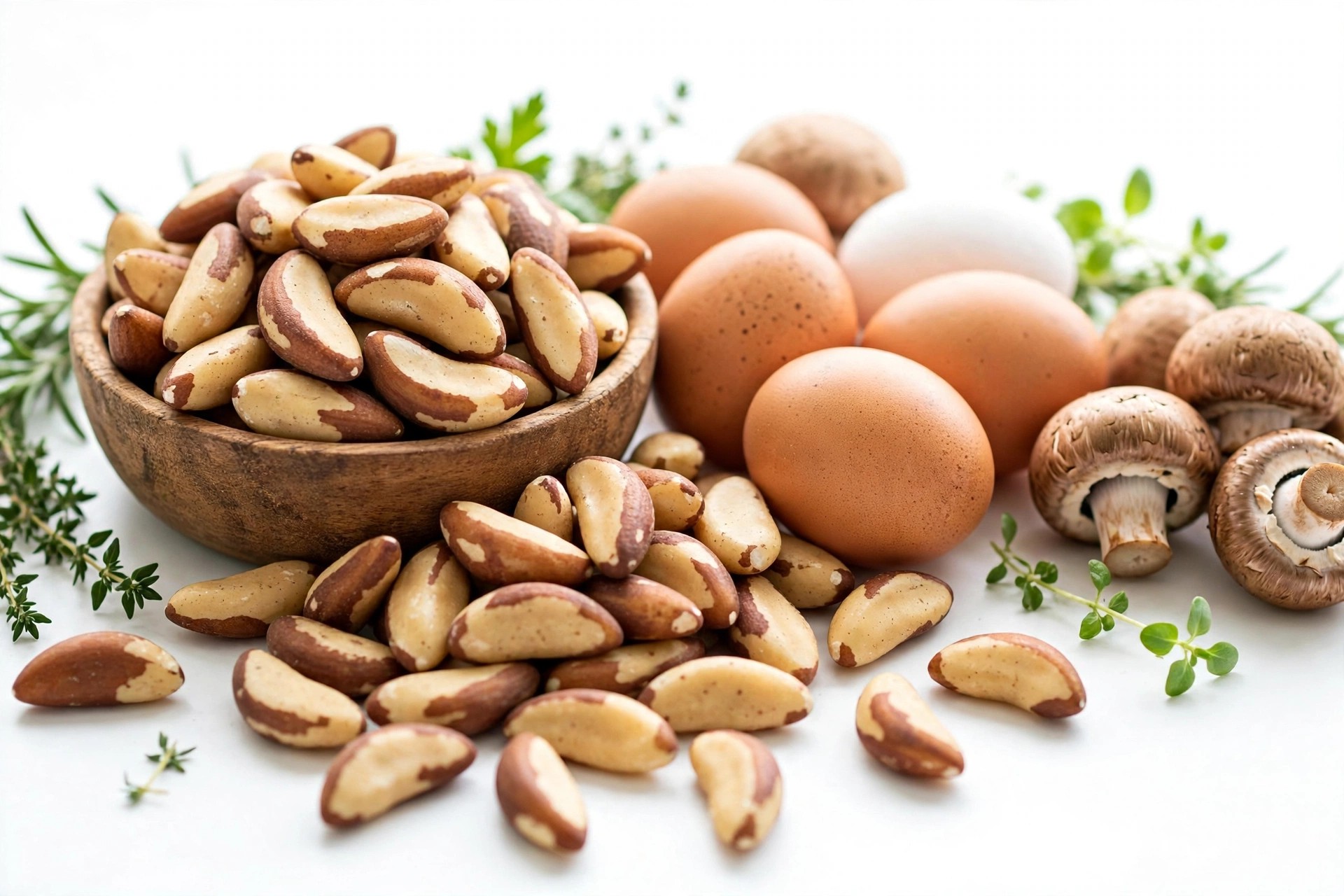
- Brazil nuts: by far the richest source — one nut can exceed a day's requirement, and the amount varies a lot by origin. One a day, or a few per week, is plenty; a handful daily can exceed the safe limit.
- Sunflower seeds, chia seeds and other seeds
- Mushrooms, especially shiitake and button mushrooms
- Whole grains, brown rice, oats and whole-wheat bread
- Legumes such as lentils and chickpeas, in smaller amounts
- Dairy products such as milk, yoghurt and cheese, in modest amounts
What matters most is variety: seafood one day, eggs and whole grains the next, and a Brazil nut now and then.
Selenium Supplements: When Are They Needed, and What Is the Toxicity Risk?
Most healthy adults who eat a varied diet do not need a supplement. Discuss one with a healthcare professional if you have a diagnosed deficiency, impaired absorption, a very restricted diet, or live in a low-selenium area.
If a supplement is recommended, the dose is usually modest — around the daily requirement, not many times it. Common forms are selenomethionine and sodium selenite. Check your multivitamin first before adding a separate selenium tablet, since the two together are a common cause of accidental over-intake.
Too much selenium is a real risk — the most important safety point in this article. Chronic excess, known as selenosis, can cause hair loss, brittle or discoloured nails, a garlic-like breath smell, nausea, fatigue and, in severe cases, nerve damage. These symptoms can resemble deficiency, which is why self-diagnosing and self-dosing is risky. Stay below 400 mcg per day from all sources unless a doctor advises otherwise, and never take high-dose selenium "just in case".
Who Is Most at Risk of Low Selenium?
- People with very restricted diets: extremely limited eating, or diets with almost no animal foods, whole grains or nuts, can fall short over time.
- People with digestive conditions: coeliac disease, Crohn's disease and other conditions that reduce absorption can lower selenium status.
- People on kidney dialysis: dialysis can remove selenium, and dietary restrictions may further reduce intake.
- People where soils are selenium-poor: local foods in some regions naturally contain very little selenium.
- People who have had weight-loss surgery: reduced intake and absorption can affect several trace minerals, including selenium.
- Heavy alcohol use: this can reduce intake of nutrient-rich foods and impair overall nutrition.
If you belong to one of these groups, talk to a doctor or dietitian and, where appropriate, get a blood test — do not guess at a supplement dose.
Key Takeaways
- Selenium is a trace mineral needed in small amounts for thyroid, immune and antioxidant protection.
- Adults need around 55 mcg a day; the upper safe limit is 400 mcg a day — a narrow range, so megadosing is risky.
- Seafood, meat, eggs, whole grains and Brazil nuts are the best sources; one Brazil nut can exceed a day's requirement.
- Deficiency is uncommon with a varied diet; tiredness, weakness and hair loss are possible signs but have many causes.
- Too much selenium causes selenosis — hair loss, brittle nails, garlic breath and nerve problems — so food first is safest.
- Supplements are for diagnosed deficiency or medical advice, not for "extra insurance".



Comments (0)
No comments yet. Be the first to share your thoughts!
Leave a comment