
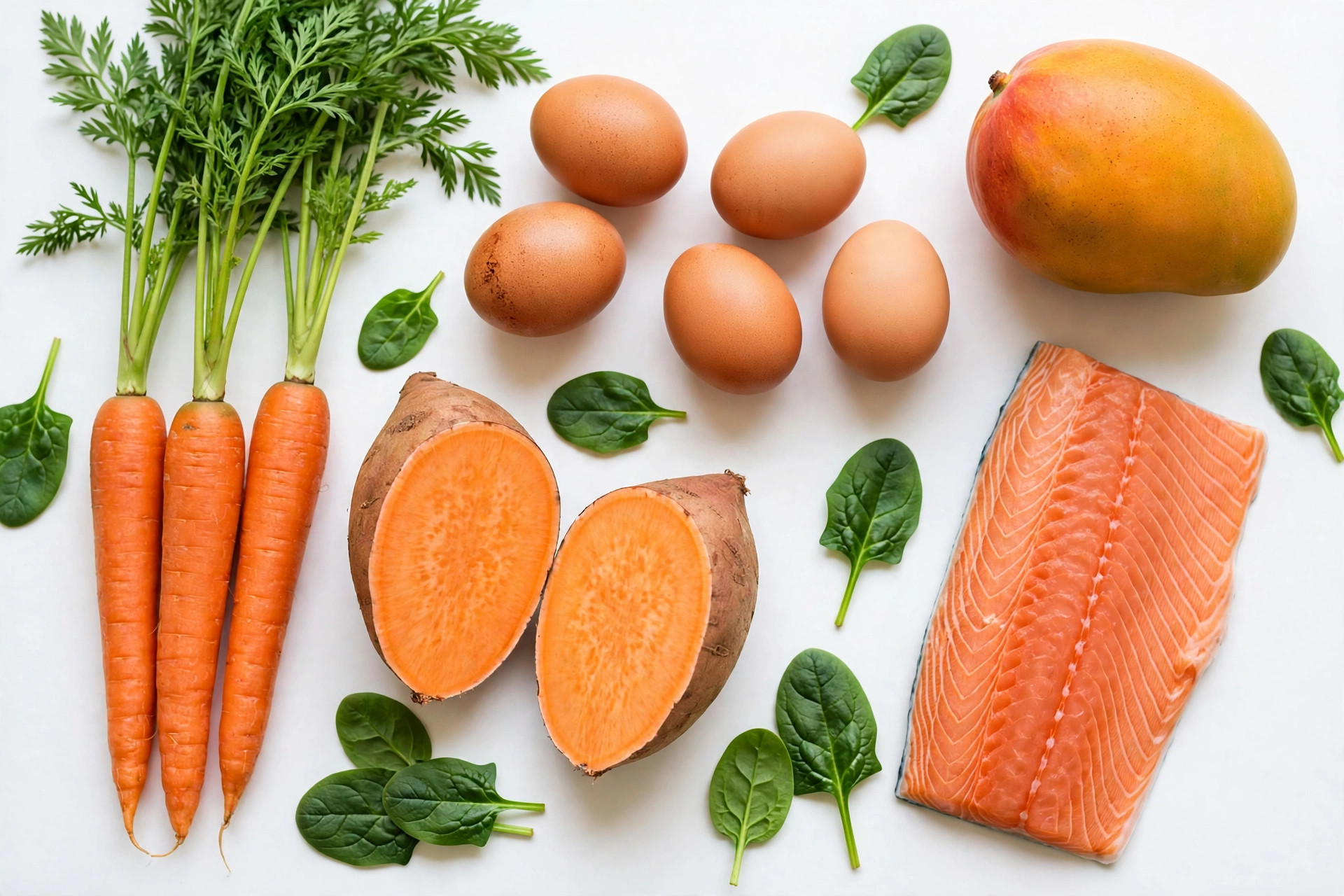
Vitamin A is essential for vision, immunity, and normal skin and cell growth. The best food sources are animal foods such as liver, eggs and dairy, which provide ready-made retinol, and orange, yellow and dark green plant foods such as carrots, sweet potatoes and spinach, which provide beta-carotene that your body converts into vitamin A.
Key takeaways
- Vitamin A supports vision, immunity, skin health and normal growth.
- Animal foods supply retinol; colourful plant foods supply beta-carotene.
- Deficiency is uncommon where diets are varied, but it can affect vision and immunity.
- Food first is the safest approach — high-dose supplements can be harmful, especially in pregnancy.
- Talk to a clinician before taking a vitamin A supplement, especially if you are pregnant or take other medicines.
What is vitamin A?
Vitamin A is a fat-soluble vitamin, which means it is stored in the body — mainly in the liver — and absorbed best when eaten with a little fat. That is why a drizzle of olive oil over roasted carrots or spinach is not just tasty, it also helps your body use the nutrients in the meal.
Food provides vitamin A in two main forms. Preformed vitamin A, called retinol, comes from animal foods and is ready for the body to use. Provitamin A carotenoids, above all beta-carotene, come from plant foods and are converted into vitamin A as needed. This difference matters: the body controls the conversion of beta-carotene, so eating plenty of colourful vegetables is a safe way to top up, while large amounts of preformed vitamin A from supplements can build up to harmful levels.
Benefits of vitamin A
Vision
Vitamin A is best known for vision. It helps form the pigments in the retina that allow you to see in low light, and it keeps the surface of the eye moist and healthy. One of the earliest signs of a shortage is difficulty seeing in dim light, which is why vitamin A is so closely linked to night vision.
Immunity
Vitamin A supports the immune system by helping maintain the barriers that line the gut, lungs and skin, and by supporting the normal function of immune cells. People with low vitamin A status may be more vulnerable to infections, which is one reason a varied diet matters during winter illness season and periods of stress.
Skin and cell growth
Vitamin A plays a role in normal cell growth and in keeping skin healthy. It supports the production and repair of skin cells, and it is involved in the growth of many tissues in the body.
Vitamin A works alongside other nutrients rather than alone. For example, a diet rich in varied fruit and vegetables also supplies vitamin C, which supports skin and immunity in its own way — see our guide to vitamin C benefits, deficiency signs and food sources. Similarly, vitamin D and vitamin A are both fat-soluble nutrients found in some of the same foods, as explained in our guide to vitamin D deficiency signs and food sources.
Vitamin A deficiency signs
True vitamin A deficiency is uncommon in countries with varied food supplies, but it can occur with very restricted diets, certain digestive conditions that reduce fat absorption, or diets very low in both animal foods and colourful vegetables. Early signs can be subtle, so they are easy to miss or to blame on tiredness or dry air.
- Night blindness: trouble adjusting to dim light or seeing clearly at night.
- Dry eyes and dry skin: eyes that feel dry or irritated, and skin that becomes rough or dry.
- Frequent infections: catching colds or other infections more often than usual.
- Slow wound healing: cuts and spots that take longer than expected to heal.
- Growth problems in children: in severe, prolonged deficiency, normal growth can be affected.
If you notice persistent night-vision problems, very dry eyes or repeated infections, speak to a clinician rather than self-diagnosing. These symptoms have many possible causes, and a blood test and a diet review can identify what is really going on.
Best food sources of vitamin A
The simplest rule is colour: the deeper the orange, yellow or green, the more beta-carotene a plant food usually contains. Animal foods, meanwhile, are the most concentrated sources of ready-made retinol. A mix of both is ideal, and vegetarians can meet their needs well from plant foods alone if they eat a good variety every day.
Animal sources (retinol)
- Liver: by far the richest source — a small portion covers several days' needs, so it is best eaten occasionally, not daily.
- Eggs: the yolk contains vitamin A, plus protein and other nutrients.
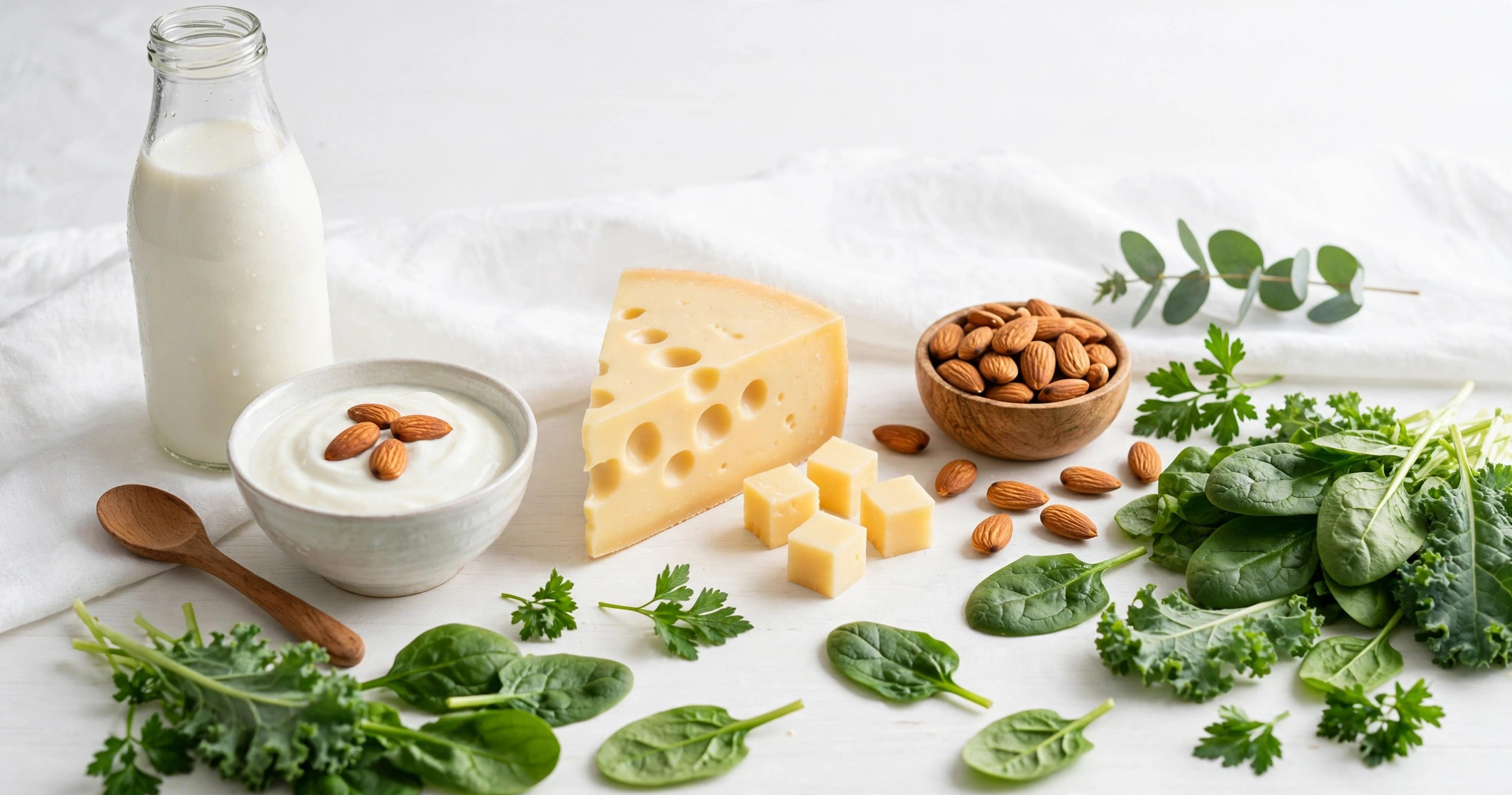
- Dairy: butter, cheese and whole milk provide modest amounts.
- Oily fish: salmon, mackerel and trout supply vitamin A along with healthy fats.
- Fish liver oils: very concentrated — use only as directed, never as a casual daily spoonful.
Plant sources (beta-carotene)
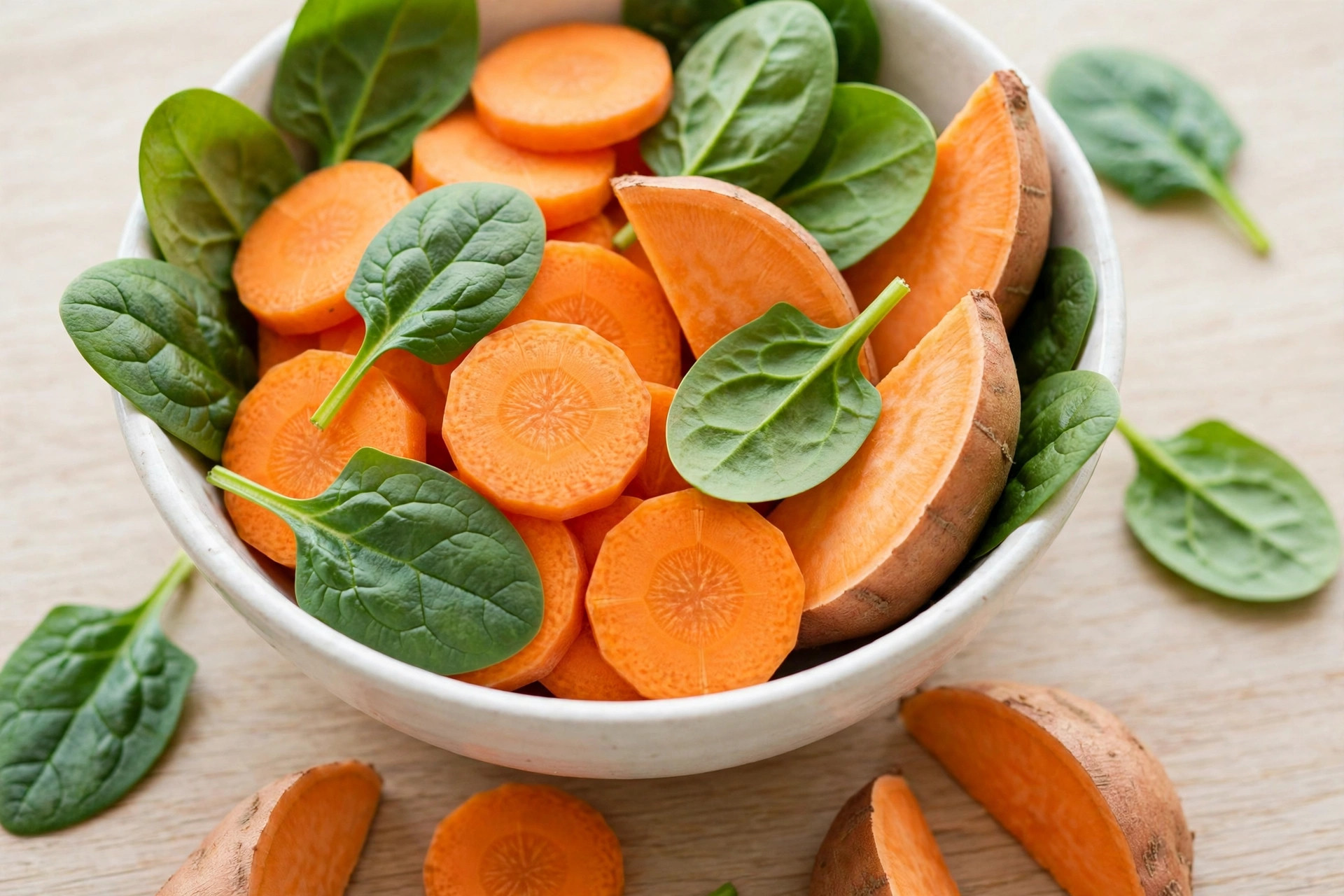
- Sweet potatoes and carrots: two of the richest and most affordable sources.
- Dark leafy greens: spinach, kale and chard — the green pigment masks a large amount of beta-carotene.
- Butternut squash and pumpkin: excellent in soups, roasts and mash.
- Red peppers, mangoes and apricots: sweet, versatile sources, fresh or dried.
- Cantaloupe melon: a refreshing summer source.
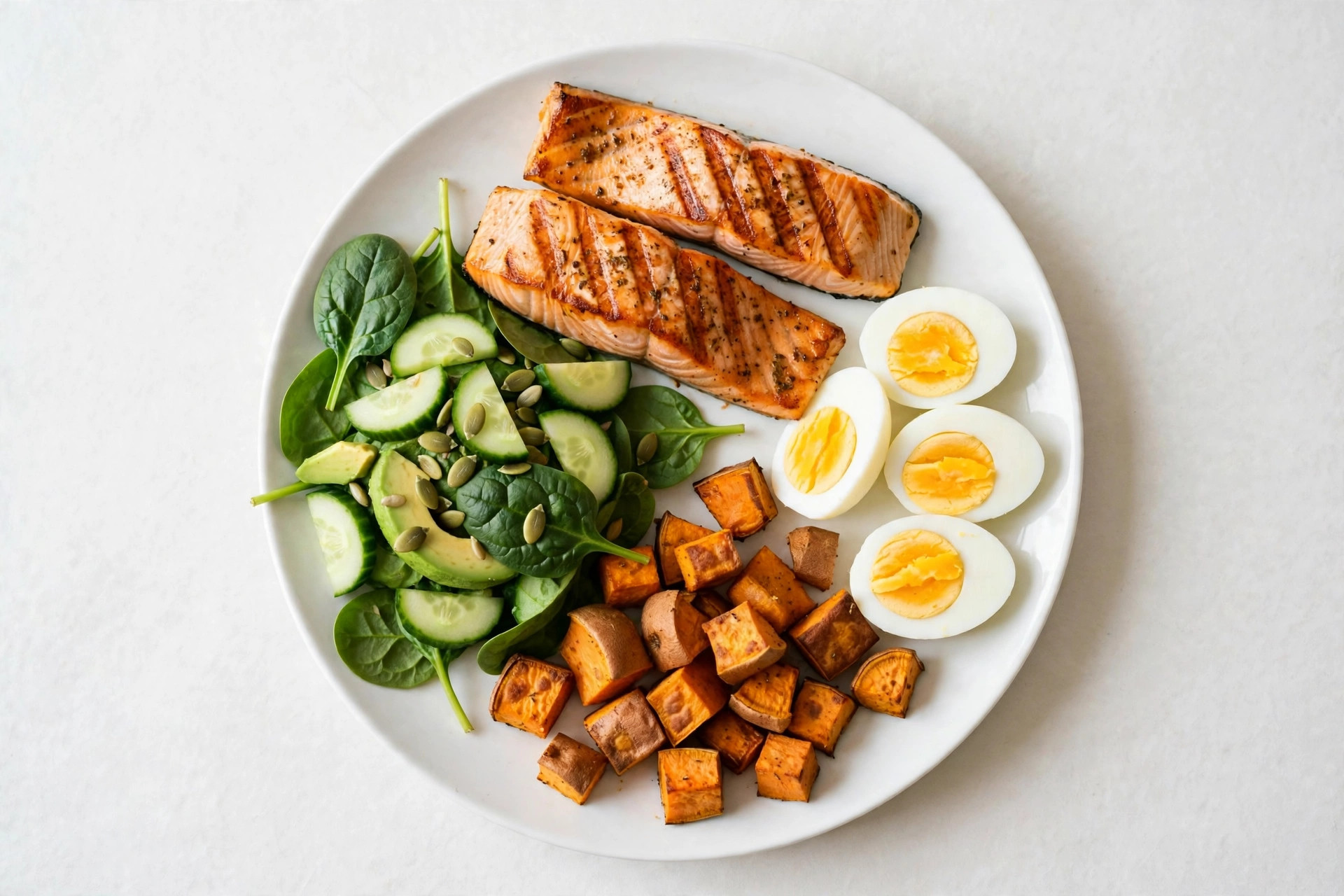
To check how a food fits your day, you can look it up in the NutriCounter nutrition lookup tool, which shows calories and nutrients for everyday foods and helps you compare options at a glance.
How much vitamin A is enough?
Adults generally need only a modest amount each day — roughly in the range of 700 to 900 micrograms of retinol activity equivalents per day for most adults, with men at the higher end of that range. Children need less, and needs vary with age and life stage. You do not need to count micrograms at every meal: a varied diet that includes a colourful vegetable most days, plus eggs or dairy, will usually cover it.
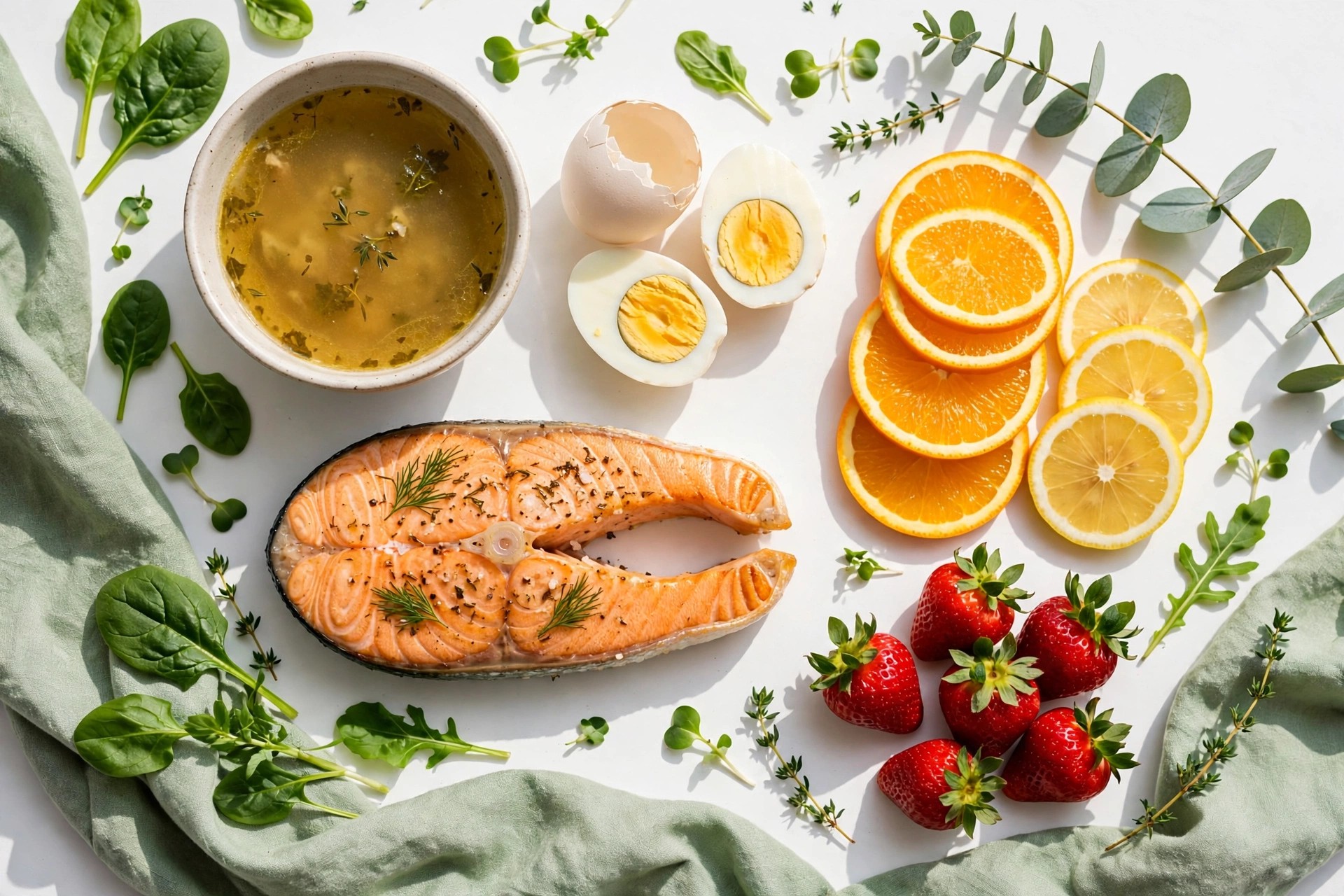
Because vitamin A is stored in the body, you do not need a perfect amount every single day. What matters is the pattern over weeks. A week that includes sweet potatoes, spinach, eggs and a portion of oily fish is a good example of a week that covers vitamin A comfortably without any supplement.
Supplement cautions: more is not better
Beta-carotene from food is safe even in large amounts — the worst effect of very high intakes is a harmless yellowing of the skin. Preformed vitamin A is different. High doses over time can damage the liver, cause headaches, nausea and bone problems, and increase the risk of birth defects. This is why pregnant women are advised to avoid liver and high-dose vitamin A supplements unless a clinician specifically recommends them.
Be careful with combinations: a multivitamin plus a separate vitamin A capsule plus cod liver oil can easily add up to far more than intended. If you take supplements, check the label for retinol or retinyl palmitate, add up your total, and talk to a clinician or pharmacist before starting anything new — especially if you are pregnant, planning pregnancy, or take medicines such as retinoid treatments.
This article is general information only and is not medical advice. If you have a health condition, take regular medicines, or suspect a deficiency, talk to a clinician before changing your diet or taking supplements.
Practical tips to get enough vitamin A
- Eat the rainbow daily: aim for at least one orange, yellow or dark green vegetable a day — carrots, sweet potato, spinach or red pepper.
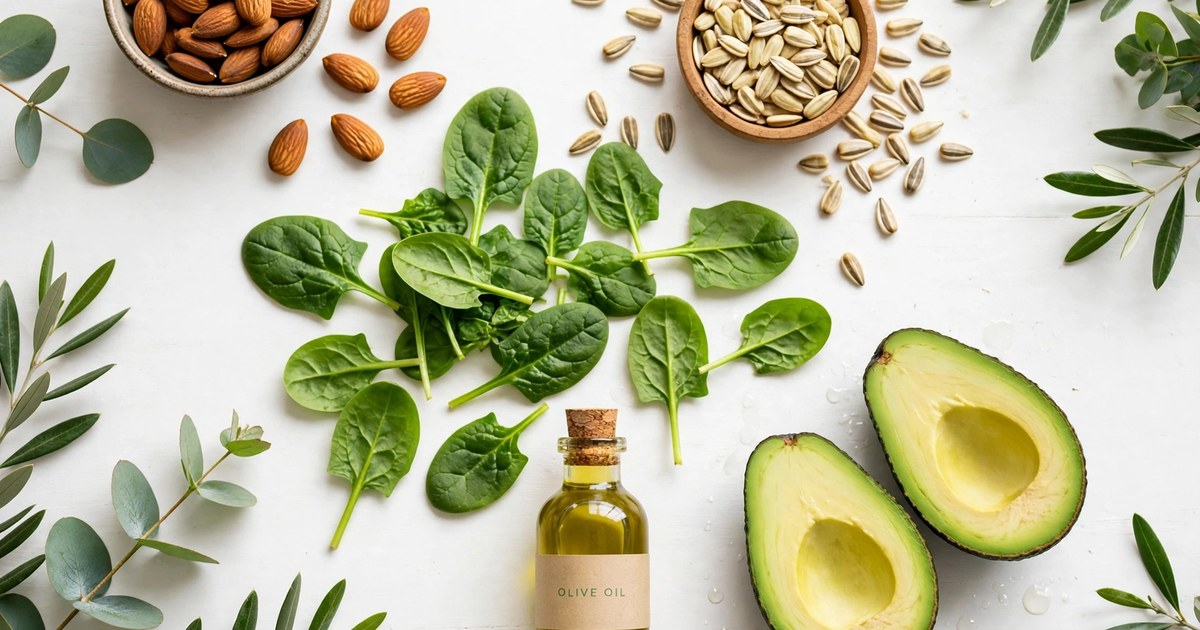
- Add a little healthy fat: roast vegetables with olive oil or add nuts, seeds or avocado to a salad to help absorption.
- Keep eggs in rotation: eggs are an easy, affordable source for breakfast or lunch.
- Enjoy liver occasionally, not daily: once in a while is plenty, given how concentrated it is.
- Choose whole foods over mega-dose pills: a varied plate beats a supplement for most people.
- Check your overall pattern: use the nutrition lookup tool to compare foods and build balanced meals rather than chasing single nutrients.
Vitamin A is a good example of why balance beats extremes. You need enough of it for clear vision, strong defences and healthy skin — but you do not need huge doses, and food is almost always the safest and tastiest way to get it.



Comments (0)
No comments yet. Be the first to share your thoughts!
Leave a comment