
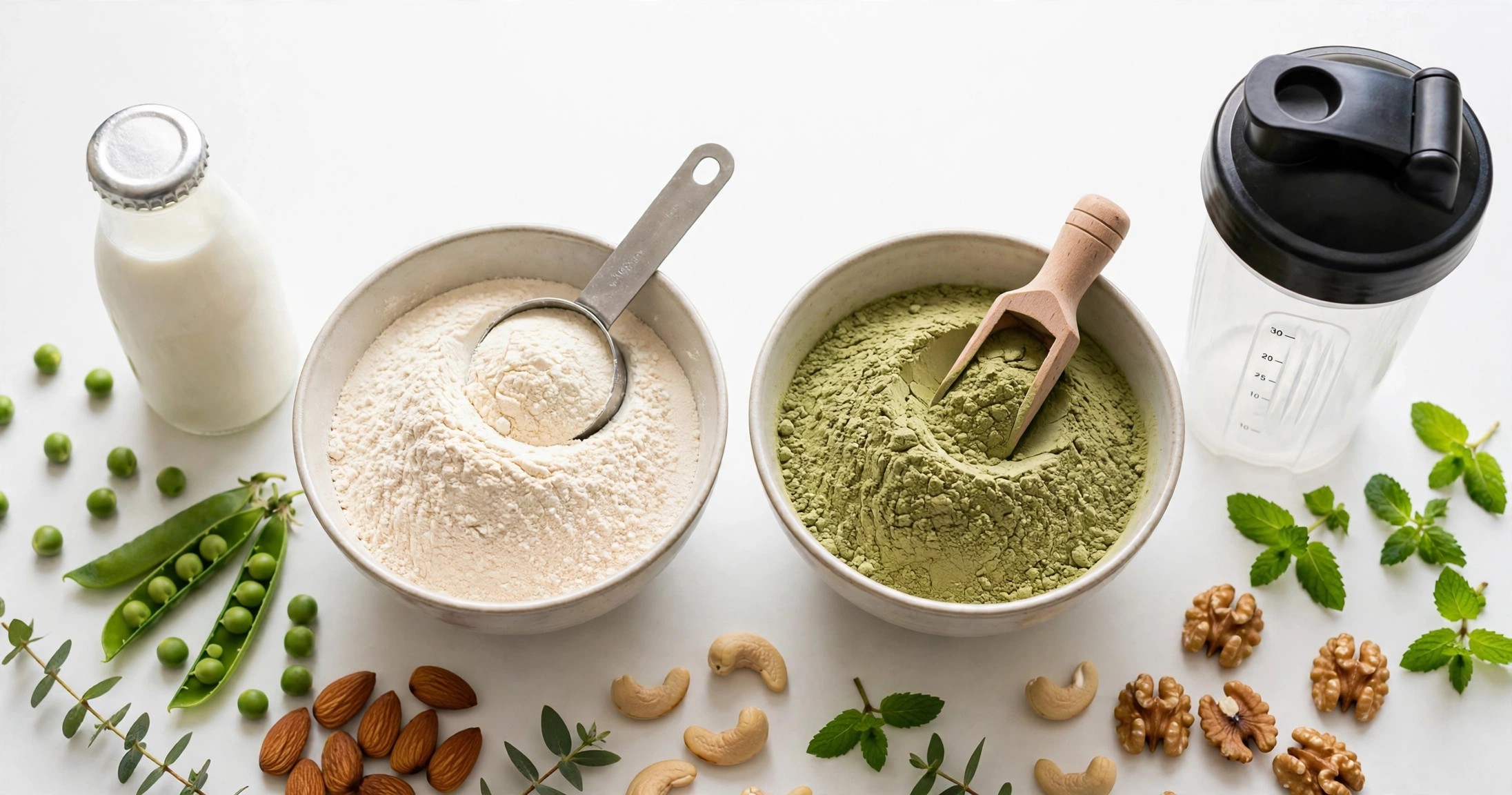
Whey is usually best if you tolerate dairy and want the most protein per scoop at the lowest cost, while a good plant blend is best if you avoid dairy, eat vegan, or find whey hard to digest. Either can support muscle and fullness — pick the one that fits your diet, stomach and budget.
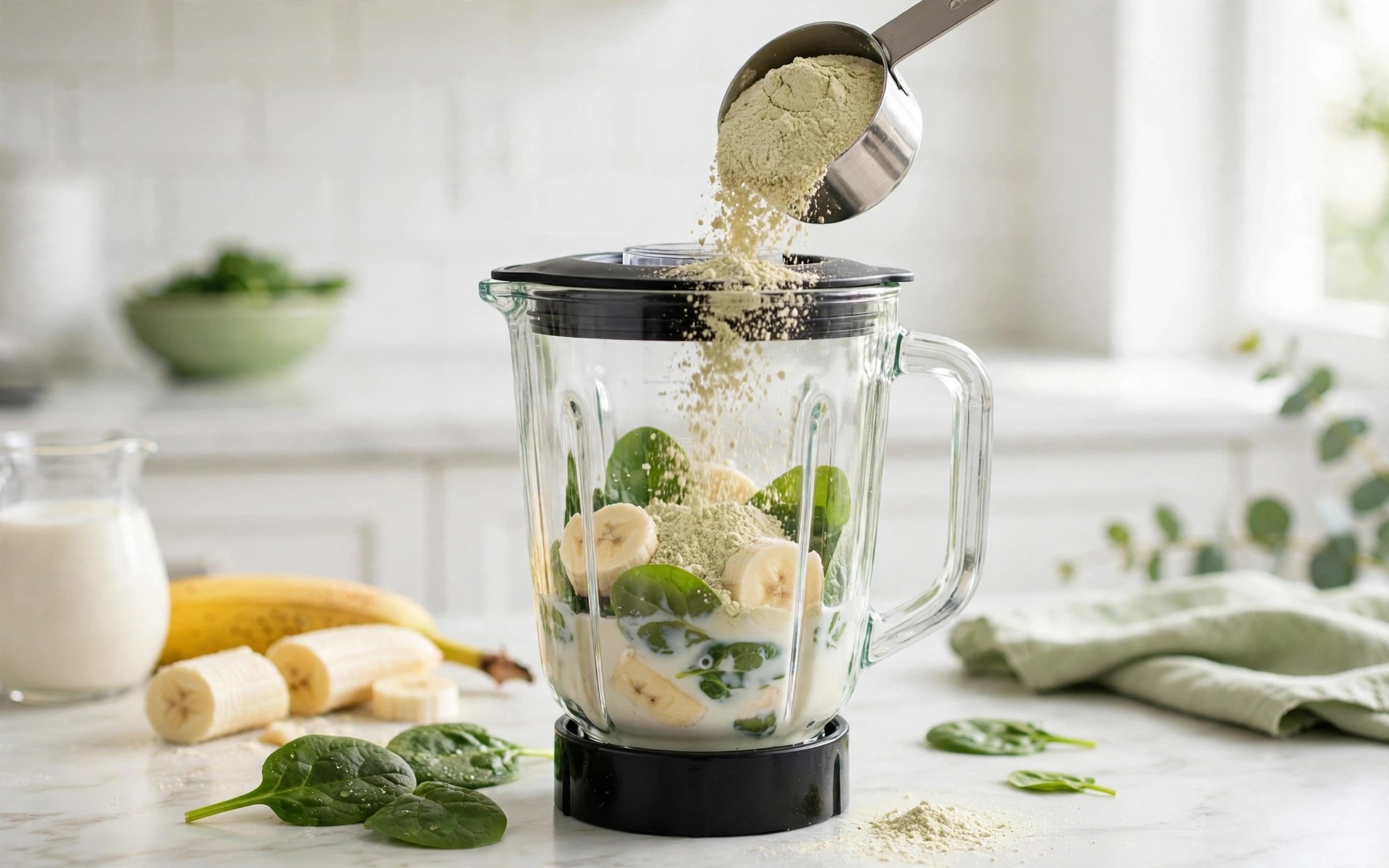
What Is Whey Protein?
Whey is made from milk. During cheese-making, milk separates into curds and whey; the whey is filtered and dried into powder. It is a complete protein, meaning it provides all nine essential amino acids your body cannot make on its own, and it is naturally rich in leucine, the amino acid most closely linked to muscle building.
The three common types are:
- Whey concentrate: the least processed form, usually 70–80% protein, with some lactose and fat remaining. Usually the cheapest and creamiest.
- Whey isolate: filtered further to remove most lactose and fat, usually 90% protein or more. Good if you are mildly sensitive to lactose.
- Whey hydrolysate: pre-broken down for faster absorption. The most expensive and often more bitter, mainly for specific digestion needs.
For most people, concentrate or isolate is more than enough.
What Is Plant-Based Protein?
Plant-based powders are made from peas, rice, soy, hemp, pumpkin seeds or a blend of several sources. A single plant source is often incomplete on its own — pea protein, for example, is lower in methionine, while rice protein is lower in lysine. A blend solves this: pea plus rice together give a much fuller amino acid profile, which is why most good plant powders are blends rather than a single source.
Soy protein is the exception among single sources, as it is complete on its own. Hemp and pumpkin seed powders add fibre and minerals but are usually lower in protein per scoop, so check the label.
Whey vs Plant-Based: Head to Head
Protein quality and muscle building
Whey scores slightly higher on protein quality because of its amino acid balance and digestibility, and it delivers more leucine per scoop — a small edge for muscle building, especially around workouts. A well-made pea-rice blend comes close, and total daily protein matters far more than the exact powder you choose.
Digestion and tolerance
This is where many people decide. Whey contains lactose unless it is a well-filtered isolate, so bloating or discomfort after whey often points to lactose rather than protein itself. Plant powders avoid dairy entirely, but pea protein can cause gas, and sugar alcohols or extra fibre in some blends can upset the stomach. If a powder bothers you, try another brand or type first.
Taste and texture
Whey generally mixes more smoothly and tastes more like a milkshake, which is why it wins most taste tests. Plant powders can be grittier, especially pea-only powders, but blends and mixing with frozen fruit, oats or nut butter usually close the gap. A powder you enjoy is one you will keep using.
Cost per serving
Whey concentrate is usually the cheapest protein per gram. Plant blends cost a little more, and single-source premium powders (such as hemp) cost the most per gram of protein. Compare cost per 20–25 grams of protein, not per tub, as scoop sizes vary widely.
Sustainability and ethics
Plant-based powders generally have a lower environmental footprint than dairy-based whey, and they suit vegan and dairy-free diets. If sustainability matters to you, this can be decisive even when whey is slightly cheaper.
How Much Protein Do You Actually Need?
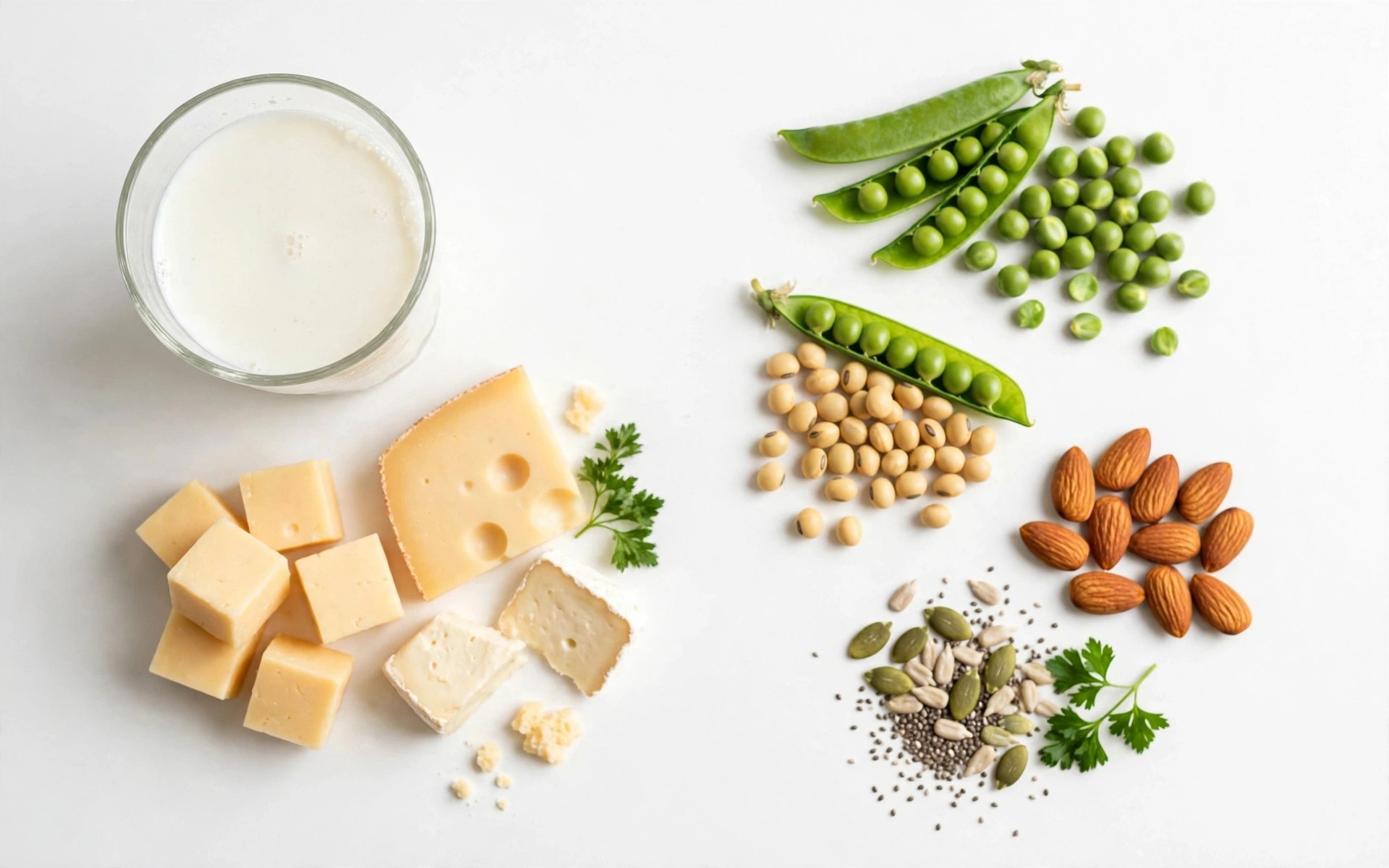
A powder is a supplement, not a replacement for food. Most active adults do well with roughly 1.6–2.2 grams of protein per kilogram of body weight per day when building muscle or losing fat while keeping muscle. If you already hit your target from food — eggs, dairy, meat, fish, beans, lentils, tofu and Greek yogurt — you may not need a powder at all.
Use a powder to fill a gap: a quick breakfast, a post-workout meal when you cannot cook, or a busy day when food protein falls short. One scoop typically gives 20–25 grams. Check how your day adds up with the NutriCounter nutrition tool and log meals with the calorie and nutrition tracker.
For protein targets for fat loss, see our guide on how much protein you need for fat loss. If you eat mostly plants, our guide to high-protein vegetarian foods shows how to build most intake from whole foods first.
How to Choose the Right Powder for You
Work through these questions in order:
- Can you tolerate dairy? If yes, whey concentrate or isolate is the simplest, cheapest starting point. If no, or if you eat vegan, go plant-based.
- What is your main goal? For muscle building on a budget, whey has a small edge. Otherwise either works if total daily protein is adequate.
- Does it agree with your stomach? Try a small tub first. Bloating from whey may mean switching to isolate; bloating from a plant blend may mean switching brands or avoiding sugar alcohols.
- Do you like the taste? If you dread drinking it, you will stop using it. Flavour, sweetness and mixability are practical, not trivial.
- What does the label actually say? Look for 20–25 grams of protein per serving, added sugar under about 5 grams, and a short ingredient list you recognise. Ignore front-of-pack claims.
Common Mistakes to Avoid
- Assuming more protein is always better. Beyond your target, extra powder mostly adds calories, not muscle.
- Choosing by marketing, not by label. Words like "clean" or "premium" are not regulated quality marks — the protein grams, sugar and ingredient list tell the real story.
- Replacing meals with shakes all day. Whole foods bring fibre, micronutrients and fullness powders do not. One or two shakes a day is a reasonable ceiling.
Key takeaways:
- Whey is usually cheaper, smoother and slightly higher in leucine; plant blends are dairy-free, vegan-friendly and more sustainable.
- A pea-rice blend (or soy) is complete; single plant sources alone are often incomplete.
- Total daily protein matters more than the exact powder — use it to fill a real gap, not replace food.
- Check the label: 20–25 g protein per serving, low added sugar, and taste and digestion you can live with daily.
- Try a small tub first and switch type or brand if needed — consistency beats perfection.
Frequently Asked Questions
Is whey protein better than plant protein for building muscle?
Whey has a small edge because it is rich in leucine and digests very efficiently, which supports muscle building slightly better per scoop. However, a good plant blend with enough total protein per serving comes close, and for most recreational lifters the difference is minor compared with total daily protein, training and sleep.
Can I use protein powder if I am lactose intolerant?
Yes, but choose carefully. Whey isolate has most lactose removed and suits many mildly sensitive people, while whey concentrate often causes symptoms. Plant-based powders contain no dairy at all and are the safest default if you are clearly lactose intolerant. If you are unsure, try a small amount of isolate first and watch for bloating or discomfort over a few days.
Do I need protein powder to build muscle or lose weight?
No. Protein powder is convenient, not essential. You can meet your protein needs entirely from food, and many people do. Powder helps when cooking is impractical, appetite is low, or your schedule leaves a gap — for example a quick post-workout shake or a breakfast on a busy morning.
How many scoops of protein powder should I take per day?
Most people need zero to two scoops per day, depending on how much protein they already get from food. Start by estimating your total daily protein from meals, then add one scoop (20–25 grams) only if you fall short. More than two scoops a day is rarely necessary and usually means whole-food meals could be improved instead.
Is plant-based protein powder a complete protein?
It depends on the source. Soy is complete on its own, and pea-rice blends are effectively complete because the two sources cover each other's gaps. Pea alone, rice alone and hemp alone are lower in one or more essential amino acids, though they still contribute useful protein to a varied diet. If you rely on a plant powder daily, choose a blend or soy and check that it provides 20 grams or more per serving.


Comments (0)
No comments yet. Be the first to share your thoughts!
Leave a comment