
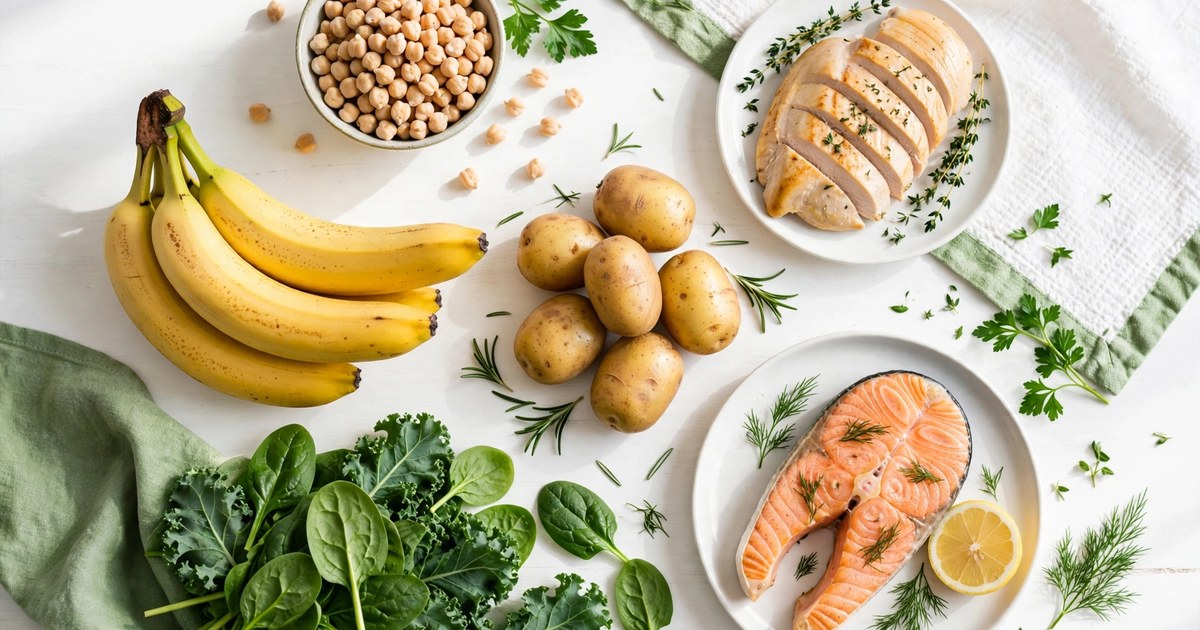
Vitamin B6 is a water-soluble vitamin your body needs every day to make energy, support brain health, and build red blood cells. You get it mainly from food — including poultry, fish, chickpeas, potatoes, and bananas — and most people who eat a varied diet get enough without a supplement.
 What Is Vitamin B6 and Why Does It Matter?
Vitamin B6, also called pyridoxine, is one of the eight B vitamins. Unlike fat-soluble vitamins, your body does not store large amounts of vitamin B6, so you need a steady supply from food. It acts as a helper — a coenzyme — in more than 100 enzyme reactions, most of them linked to protein metabolism.
In practical terms, vitamin B6 helps your body:
- Turn the protein and carbohydrates you eat into usable energy
- Make neurotransmitters such as serotonin and dopamine, which affect mood and sleep
- Produce haemoglobin, the protein in red blood cells that carries oxygen
- Support a normal immune response
- Break down glycogen, the stored form of glucose, when you need quick energy
Because it touches so many systems, a shortage rarely causes just one symptom. It tends to show up gradually, which is why it is easy to miss at first. If you want to check how vitamin B6 fits into your overall diet, the NutriCounter nutrition tool can help you look at foods and their nutrient profiles side by side.
Vitamin B6 Benefits for Energy, Brain, and Mood
Vitamin B6 does not work alone, and it is not a stimulant. Its benefits come from keeping normal processes running smoothly. Here are the areas where adequate intake matters most.
1. Steady energy from food
When you eat protein, vitamin B6 helps break amino acids down and convert them into energy or into new proteins your body needs. People who eat very little protein, or who follow highly restrictive diets, are therefore more likely to run low over time.
2. Brain and mood support
Your brain uses vitamin B6 to make serotonin, dopamine, and GABA — chemical messengers linked to mood, focus, and sleep. A long-term deficiency can contribute to irritability, confusion, and low mood.
3. Healthy red blood cells
Vitamin B6 is needed to make haemoglobin. Without enough of it, red blood cell production can fall, which may contribute to anaemia and tiredness.
4. Immune system support
Vitamin B6 supports the production and function of immune cells. Older adults and people with poor overall nutrient intake are more likely to have low levels, and in those groups, restoring an adequate intake supports normal immune function.
5. Hormonal balance and pregnancy
Vitamin B6 is often discussed in pregnancy because needs rise slightly and nausea is common in the first trimester. Some people find vitamin B6 helpful for nausea, but doses and use in pregnancy should always be discussed with a healthcare professional — this is not a reason to self-prescribe a high-dose supplement.
Vitamin B6 Deficiency Signs to Watch For
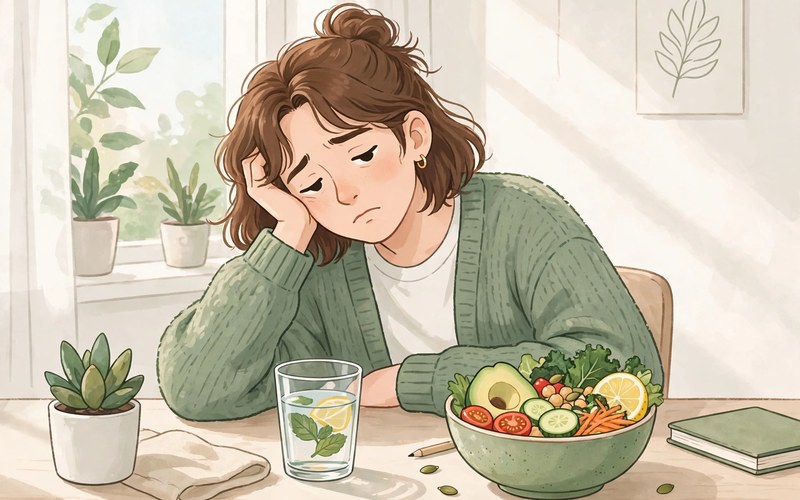
True vitamin B6 deficiency is uncommon in people who eat a varied diet, but it can occur with very restricted diets, certain medical conditions, heavy alcohol use, and some long-term medicines. Signs usually develop slowly and are not specific on their own, so they should prompt a conversation with a clinician rather than self-diagnosis.
- Cracked or sore lips and tongue: painful cracks at the corners of the mouth, a sore or swollen tongue, and mouth ulcers can occur.
- Skin rashes: a scaly, itchy rash, often on the face, neck, or scalp, sometimes described as seborrhoeic dermatitis-like.
- Tiredness and weakness: linked in part to reduced red blood cell production, but also a symptom of many other conditions.
- Mood changes and confusion: irritability, low mood, difficulty concentrating, or confusion in more severe or prolonged deficiency.
- Weakened immunity: more frequent infections can occur when deficiency is prolonged, especially alongside other nutrient shortfalls.
- Tingling or numbness: in the hands and feet, usually only when deficiency is severe or, paradoxically, when very high-dose supplements are taken for a long time.
If several of these signs appear together, do not guess. A blood test and a review of your diet and medicines give a much clearer answer than symptoms alone. Similar B-vitamin shortfalls can look alike — for comparison, see our guide to vitamin B12 benefits, deficiency signs, and food sources.
How Much Vitamin B6 Do You Need Each Day?
Daily needs vary by age and life stage, and official recommendations differ slightly by country. As a general guide, most healthy adults need around 1.3 to 1.7 mg per day, with slightly higher needs in pregnancy and breastfeeding and for adults over 50. Children need less, in proportion to their size and age.
Most people reach this amount easily from food. A single chicken breast, a cup of chickpeas, or a medium potato with a banana already covers a large share of the daily amount. That is why food-first advice works so well for vitamin B6: small, ordinary choices add up quickly.
High-dose supplements are a different matter. Taking very large doses of vitamin B6 for months can cause nerve problems, including numbness and tingling. For that reason, supplements should only be used at high doses when a clinician has identified a need — a standard multivitamin is very different from a high-dose single-nutrient pill.
Best Food Sources of Vitamin B6
Vitamin B6 is widely spread across foods, which is good news: you do not need exotic ingredients to get enough. Animal foods tend to be richest per serving, but plant foods contribute a great deal, especially when eaten daily.
 Poultry and meat: chicken breast, turkey, and lean beef are among the richest sources.
- Fish: tuna, salmon, and other oily fish provide vitamin B6 along with omega-3 fats and protein.
- Chickpeas and beans: chickpeas, lentils, and black beans are excellent plant sources — and they also add fibre and plant protein.
- Potatoes: an everyday staple that contributes a meaningful amount, especially with the skin on.
- Bananas: a convenient snack source; one medium banana provides a useful share of the daily amount.
- Fortified breakfast cereals: many cereals are fortified with B vitamins — check the label, as amounts vary widely.
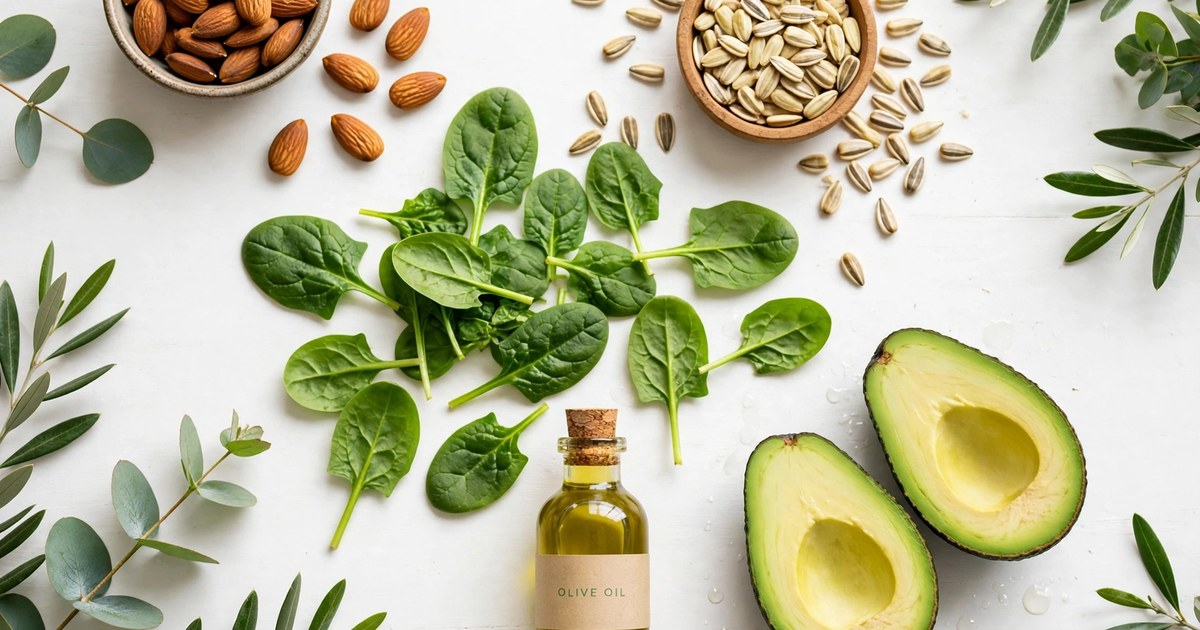
- Nuts and seeds: pistachios, sunflower seeds, and hazelnuts add smaller but useful amounts.
- Other vegetables and fruit: spinach, avocado, carrots, and squash all contribute, and variety is what makes the total add up.
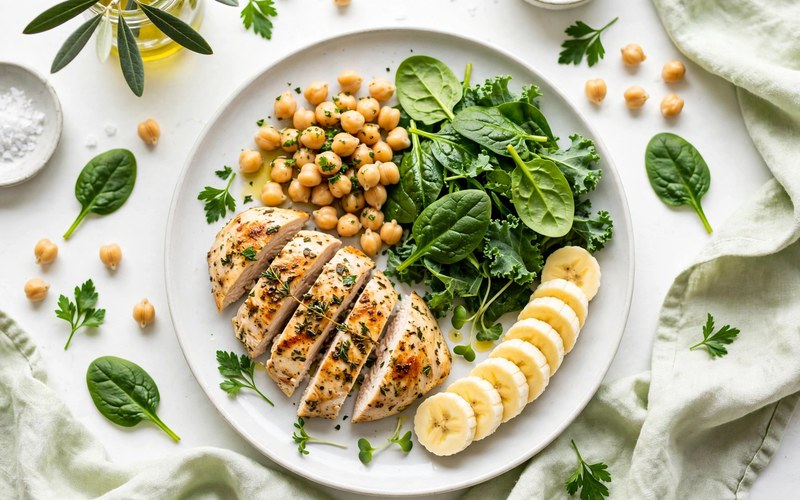
A balanced plate — for example, grilled chicken or chickpeas with potatoes and vegetables, followed by a banana — can easily meet the day's needs without any special effort. For more on building that kind of variety, see our guide to vitamin C benefits, deficiency signs, and food sources, which covers another vitamin best obtained from everyday foods.
Simple Ways to Get More Vitamin B6 from Everyday Meals
- Make one protein food the anchor of each meal: chicken, fish, eggs, chickpeas, or beans at lunch and dinner covers most of your needs.
- Keep potatoes and bananas in rotation: both are cheap, filling, and reliably contribute vitamin B6.
- Add chickpeas where you can: hummus, chickpea salads, and lentil soups are easy, tasty upgrades.
- Choose fortified cereals mindfully: useful on busy mornings, but check sugar content and do not rely on them alone.
- Cook simply: vitamin B6 can be lost into cooking water, so steaming, roasting, or using cooking liquid in soups and sauces helps retain more of it.
If you follow a vegetarian or vegan diet, focus on chickpeas, beans, lentils, potatoes, bananas, fortified foods, and nuts and seeds. It is entirely possible to meet your needs without animal foods — it just takes a little more planning around the plant sources listed above.
Key takeaways:
- Vitamin B6 helps turn food into energy, supports brain chemicals, and helps make red blood cells.
- Deficiency is uncommon with a varied diet but can cause sore mouth, skin rash, tiredness, and mood changes.
- Chicken, fish, chickpeas, potatoes, and bananas are among the best everyday sources.
- Most people meet their needs from food alone; high-dose supplements can cause nerve problems and should only be used with medical advice.
- Simple, varied meals — protein plus potatoes, vegetables, and fruit — are the most reliable way to stay covered.



Comments (0)
No comments yet. Be the first to share your thoughts!
Leave a comment