
Vitamin B1, also called thiamine, is a water-soluble B vitamin that helps your body turn carbohydrates into energy and supports healthy nerve function. Your body cannot store much thiamine, so you need a steady supply from food every day to keep your energy, appetite, and nervous system working well.
What Is Vitamin B1 (Thiamine)?
Thiamine is one of eight B vitamins, and it plays a central role in energy metabolism. It helps enzymes break down carbohydrates, and it is involved in the function of the heart, muscles, and nervous system. Because thiamine dissolves in water and is not stored in large amounts, regular intake matters more than occasional large doses.
Thiamine works alongside other B vitamins, including vitamin B12, to support normal energy levels and nerve health. A varied diet with whole grains, legumes, nuts, seeds, and lean protein usually provides enough thiamine for most healthy adults.
If you want to check how much thiamine a food contains, use the food nutrition lookup to look up the food and see its full nutrient profile before you plan a meal.
Benefits of Vitamin B1
Thiamine is best known for its role in energy production, but its benefits reach further than that. Here are the main ways it supports your health:
- Converts food into energy: Thiamine helps your body use carbohydrates for fuel, which supports steady energy through the day.
- Supports nerve function: Thiamine is involved in the normal function of nerves, including the signals that control muscle movement.
- Supports heart health: The heart muscle needs a constant supply of energy, and thiamine helps the body produce it.
- Supports appetite and digestion: Low thiamine intake is linked with poor appetite, so getting enough helps keep normal eating patterns.
- Supports brain function: The brain relies heavily on glucose for energy, and thiamine helps the body use glucose efficiently.
These benefits come from meeting your daily needs through food over time. Thiamine is not a stimulant and will not give you a sudden energy boost, but a diet low in thiamine can leave you feeling tired and low on appetite.
How Much Vitamin B1 Do You Need?
As approximate general guidance, adult men need about 1.2 mg of thiamine per day and adult women need about 1.1 mg per day. Needs are slightly higher during pregnancy and breastfeeding, and they can also be higher for people who are very physically active or who eat a very high-carbohydrate diet.
These figures are general reference values. Recommended intakes vary a little between countries, so check your local guidelines if you want the exact figure for your region. Most people meet their needs easily with food, and supplements are usually only needed when a clinician advises them.
Because thiamine is water-soluble, your body excretes what it does not use. That makes toxicity from food very unlikely, but it also means a diet that is low in thiamine for weeks can gradually deplete your limited stores.
Daily thiamine needs at a glance
- Adult men: about 1.2 mg per day
- Adult women: about 1.1 mg per day
- Pregnancy: slightly higher — follow your clinician's advice
- Breastfeeding: slightly higher — follow your clinician's advice
- Children and teenagers: lower amounts, rising with age
Vitamin B1 Deficiency: Signs to Know
Thiamine deficiency is uncommon in people who eat a varied diet, but it can develop when the diet is very low in thiamine, when alcohol use is heavy, or when a health condition affects absorption. Early signs are often vague, which is why deficiency can be easy to miss at first.
Early signs
- Unusual tiredness or low energy
- Poor appetite or unexplained weight loss
- Irritability or low mood
- Difficulty concentrating or poor memory
- Tingling or numbness in the hands and feet
- Muscle weakness or cramps
More serious deficiency
Severe, long-term thiamine deficiency can cause beriberi, a condition that affects the heart and nervous system. Wet beriberi mainly affects the heart and circulation, while dry beriberi mainly affects the nerves and muscles, causing numbness, pain, and weakness in the legs. Another serious condition linked to severe deficiency, often in people with heavy alcohol use, is Wernicke's encephalopathy, which affects the brain and can cause confusion, vision problems, and difficulty with balance and coordination.
These conditions are serious and need medical care. If you notice persistent tingling, numbness, confusion, or unexplained weakness, see a clinician promptly rather than trying to diagnose yourself. Do not start high-dose thiamine supplements on your own if you have symptoms — a clinician can check whether deficiency is the cause and advise the right treatment.
Best Food Sources of Vitamin B1
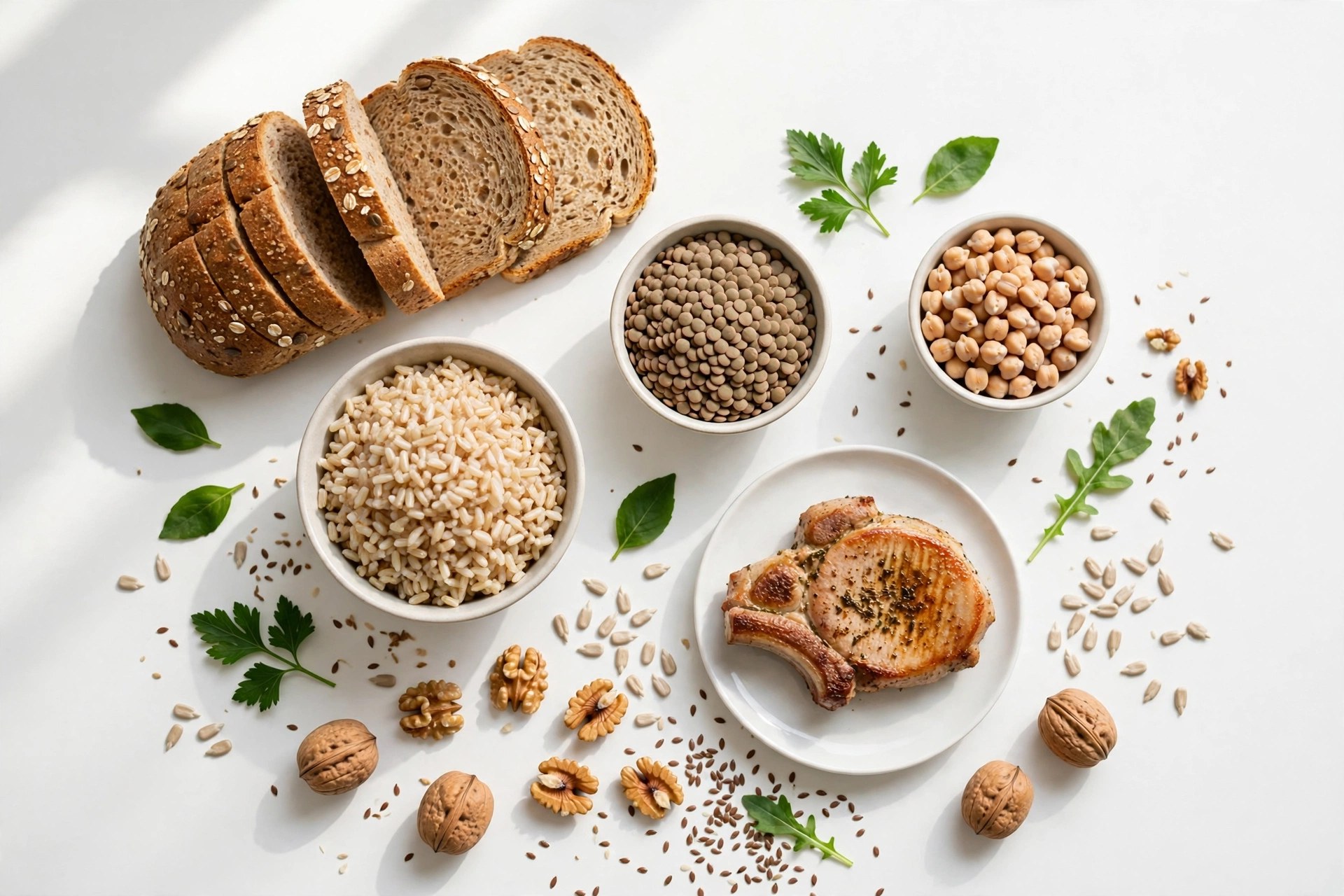
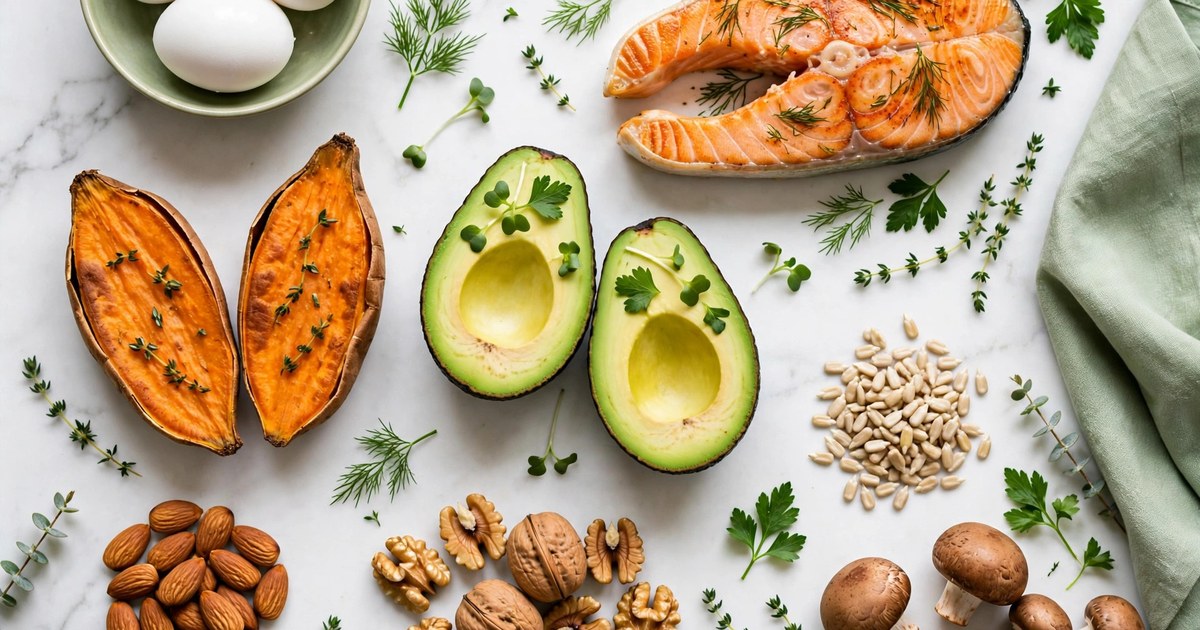
The good news is that thiamine is found in many everyday foods. Pork is one of the richest sources, but whole grains, legumes, nuts, seeds, and fortified foods are excellent options too, including for people who do not eat meat.
- Pork: one of the richest sources — a cooked pork chop (about 100 g) provides roughly 0.5–0.9 mg of thiamine, close to half the daily need or more.
- Whole grains: brown rice, whole wheat bread, oats, and barley. A cup of cooked brown rice provides about 0.2 mg, and whole wheat bread provides about 0.1 mg per slice.
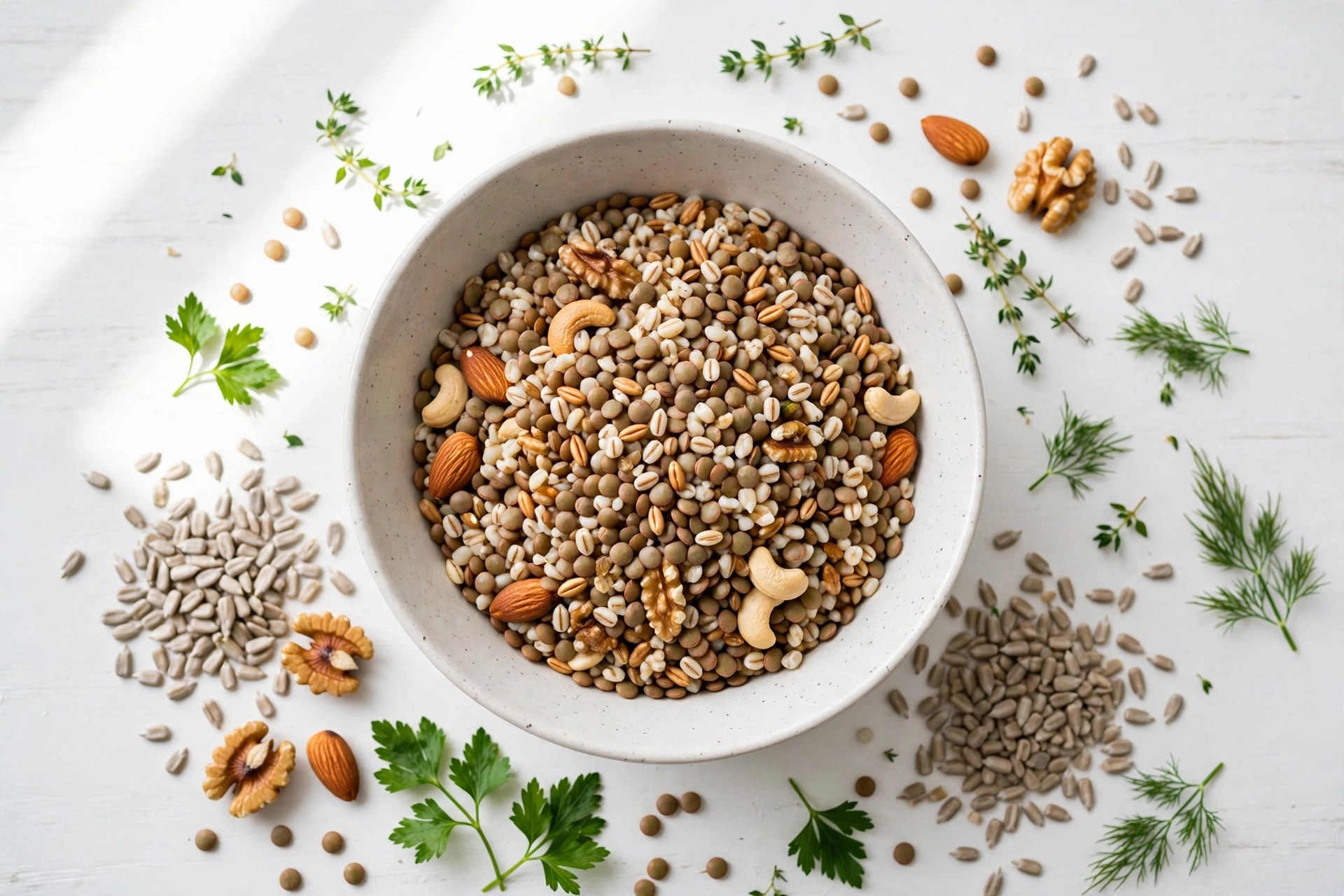
- Legumes: lentils, black beans, chickpeas, and peas. A cup of cooked lentils provides about 0.3 mg of thiamine, along with fibre and plant protein.
- Nuts and seeds: sunflower seeds are especially rich — a small handful (about 30 g) provides roughly 0.4 mg. Flaxseed, sesame seeds, and macadamia nuts are also good sources.
- Fortified cereals and breads: many breakfast cereals and flours are fortified with thiamine. Check the label — a single serving can provide 25% or more of your daily need.
- Other good sources: trout and tuna, eggs, oranges, and yeast extract spreads also contribute useful amounts.
Thiamine is sensitive to heat and long cooking in water, so steaming, roasting, or cooking grains in just enough water helps preserve more of it. Eating a mix of these foods across the week is more reliable than relying on a single source.
How to Get Enough Thiamine Every Day
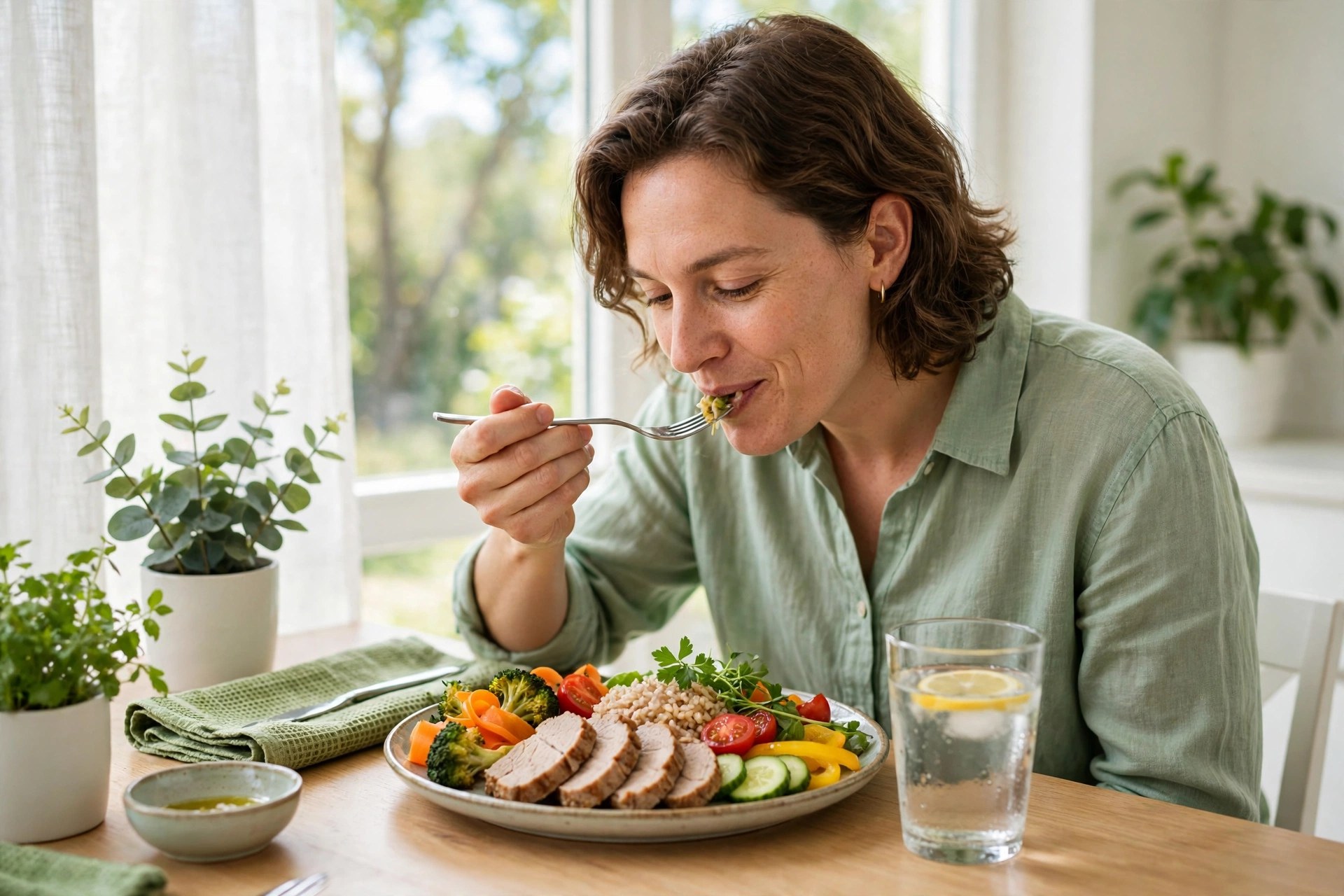
You do not need a special diet to get enough thiamine. Small, practical choices add up:
- Choose whole grains over refined grains: swap white rice for brown rice and white bread for whole wheat bread most of the time.
- Add legumes to meals: lentils in soup, chickpeas in salads, and black beans in wraps all add thiamine and fibre.
- Snack on nuts and seeds: a small handful of sunflower seeds or a spoonful of seeds on porridge or yoghurt is an easy daily habit.
- Include a thiamine-rich protein: pork, fish, or eggs a few times a week covers a large share of your needs.
- Check fortified foods: if you eat breakfast cereal, choose one fortified with B vitamins and check the label.
If you track what you eat, the food tracker can help you see whether your meals regularly include thiamine-rich foods and where a simple swap could help.
Who May Need More Thiamine?
Most healthy adults meet their thiamine needs from food. Some groups are more likely to need extra attention:
- People who drink heavily: alcohol reduces thiamine absorption and increases the body's needs.
- People with certain gut conditions: conditions that affect nutrient absorption can lower thiamine levels.
- People on very restrictive diets: diets that cut out whole grains and legumes can fall short on thiamine.
- Older adults: appetite and food variety often fall with age, which can reduce thiamine intake.
- Pregnant and breastfeeding women: needs are slightly higher, so a varied diet matters even more.
If you belong to one of these groups, focus on food first and talk to a clinician or dietitian before taking a supplement. A blood test and a review of your diet give a clearer picture than guessing from symptoms alone.
Key Takeaways
- Vitamin B1 (thiamine) helps your body turn food into energy and supports healthy nerves, heart, and brain function.
- Adults need about 1.2 mg (men) or 1.1 mg (women) of thiamine per day — most people meet this easily with a varied diet.
- Best sources are pork, whole grains, legumes, nuts and seeds, and fortified cereals.
- Early deficiency signs include tiredness, poor appetite, tingling, and trouble concentrating; severe deficiency can cause beriberi or Wernicke's encephalopathy.
- See a clinician promptly for persistent numbness, confusion, or weakness — do not self-diagnose or take high doses alone.
Frequently Asked Questions
What does vitamin B1 (thiamine) do in the body?
Thiamine helps your body turn carbohydrates into energy and supports normal nerve, heart, and brain function. It works as part of the enzymes that break down food for fuel, which is why low intake can lead to tiredness and poor appetite. Your body stores only small amounts, so you need thiamine from food every day.
What are the signs of vitamin B1 deficiency?
Early signs include unusual tiredness, poor appetite, irritability, difficulty concentrating, and tingling or numbness in the hands and feet. Severe deficiency can cause beriberi, which affects the heart and nerves, or Wernicke's encephalopathy, which affects the brain. If you notice persistent numbness, confusion, or weakness, see a clinician promptly.
How much vitamin B1 do I need per day?
As approximate general guidance, adult men need about 1.2 mg per day and adult women need about 1.1 mg per day. Needs are slightly higher in pregnancy and breastfeeding. Recommended intakes vary a little by country, so check your local guidelines for the exact figure, and talk to a clinician before taking supplements.
Which foods are highest in vitamin B1?
Pork is one of the richest sources, followed by whole grains such as brown rice and oats, legumes such as lentils and black beans, and nuts and seeds — sunflower seeds are especially rich. Many breakfast cereals and breads are also fortified with thiamine. A varied diet with several of these foods usually covers your daily needs.
Can I get too much vitamin B1 from food?
It is very unlikely to get too much thiamine from food alone, because thiamine is water-soluble and your body excretes what it does not use. High-dose supplements are a different matter and should only be taken when a clinician advises them. Focus on food sources first, and ask a clinician if you think you need a supplement.




Comments (0)
No comments yet. Be the first to share your thoughts!
Leave a comment