
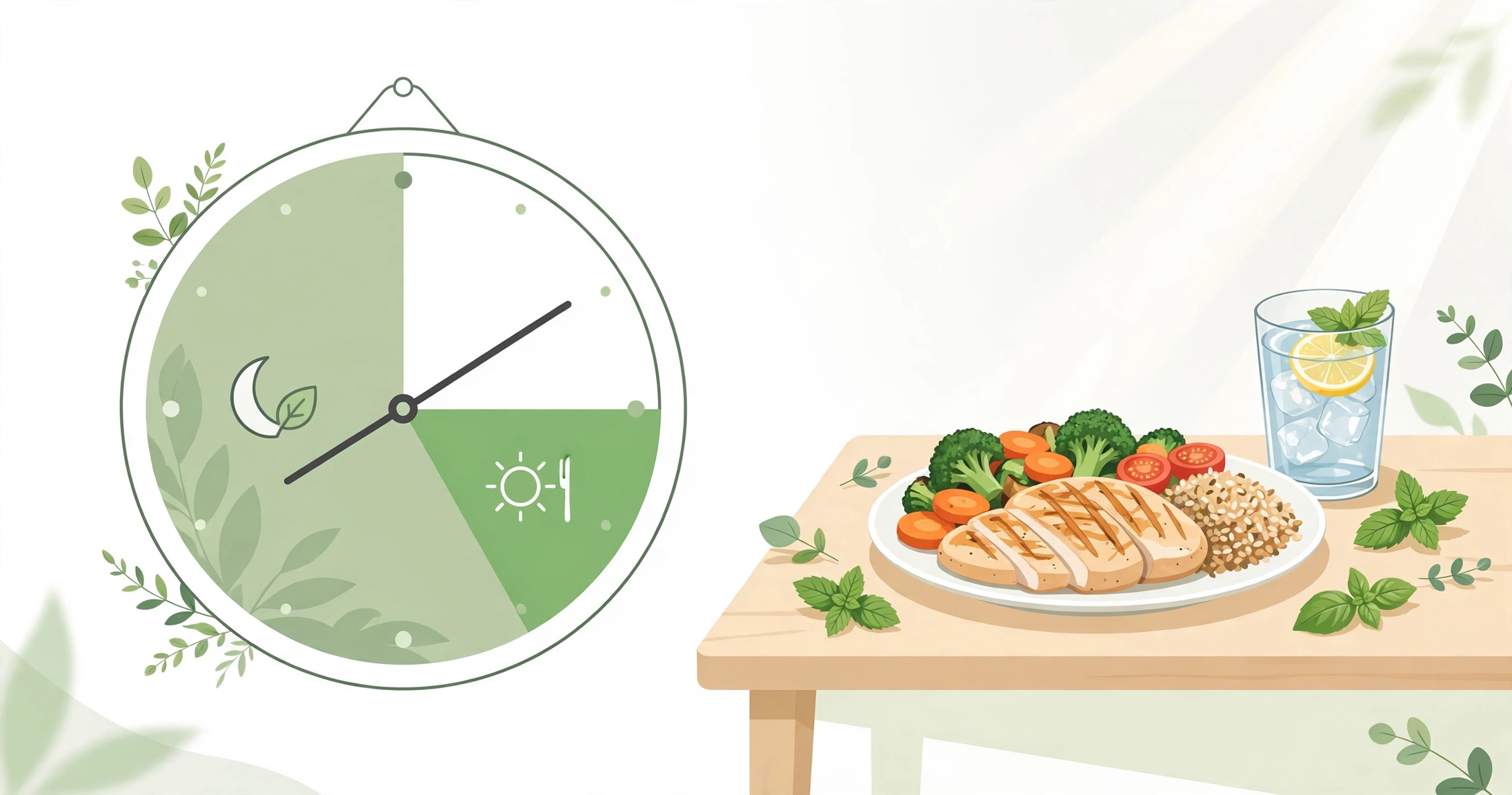
Intermittent fasting 16:8 means fasting 16 hours and eating all meals within an 8-hour window daily — for example, noon to 8 PM, skipping breakfast. It aids weight loss mainly by helping you eat fewer calories, not through fat-burning magic. Most beginners adjust within one to two weeks.
If you have ever skipped breakfast and only eaten lunch and dinner, you have already done a rough version of intermittent fasting 16:8. Unlike strict diets, 16:8 does not tell you what to eat — it tells you when to eat. That simplicity is why it is one of the world's most popular weight-loss approaches. This guide explains how intermittent fasting 16:8 works, how to start safely, what a typical day looks like, and who should think twice before trying it.
How Intermittent Fasting 16:8 Works
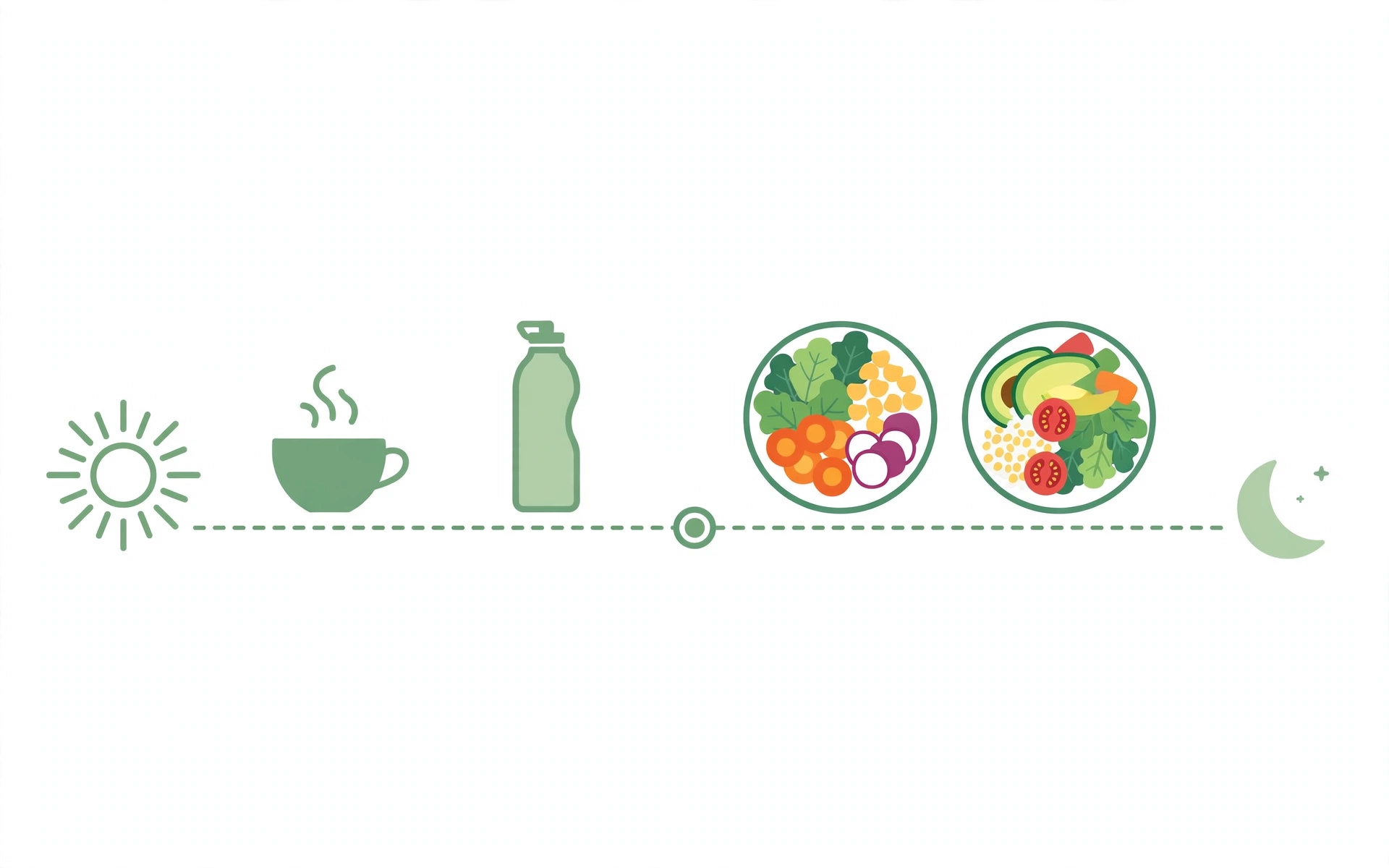
The 16:8 method splits your day into a 16-hour fasting window and an 8-hour eating window. During the fast you consume no calories — water, black coffee, and plain tea are fine. During the eating window you eat your normal meals, usually two larger meals plus a snack. The most common schedule is noon to 8 PM, but pick hours that fit your life; consistency matters more than exact timing.
Why does it work for weight loss? Mostly because of simple math. With only 8 hours to eat, you naturally have fewer meals and snacks, which usually means fewer total calories. That calorie deficit — eating less than your body burns — is what actually drives fat loss. If you are unsure how many calories you need, use the BMR and TDEE calculator to find your daily target, and read our guide on what a calorie deficit is and how to create one safely.
Some people also find fasting simplifies the day: no breakfast to prepare and fewer food decisions. But intermittent fasting 16:8 is not magic, and it does not override overeating — if you eat a full day's calories plus extra inside your 8-hour window, you will not lose weight.
Benefits of Intermittent Fasting 16:8
Beyond the scale, many beginners report practical benefits from the 16:8 routine:
- Simpler meal planning: two meals and a snack are easier to plan, shop for, and cook.
- Better portion awareness: a defined eating window makes mindless late-night snacking much harder.
- Steadier energy for some: many fasters report fewer mid-morning crashes once adapted, though this varies.
- Flexible and free: nothing to buy, no special foods, no complicated rules — it fits almost any cuisine or budget.
- May support metabolic health: some studies suggest time-restricted eating can modestly improve blood sugar control, though research is still evolving.
Keep expectations honest: 16:8 is a tool for eating less, not a shortcut. Combined with balanced meals and regular movement, it works well.
Your First Week on Intermittent Fasting 16:8
Do not jump straight into a strict 16-hour fast on day one. Ease in over about a week:
- Days 1–2: 12-hour fast (e.g. 8 PM to 8 AM) — mostly while you sleep.
- Days 3–4: 14 hours — eat between 10 AM and 8 PM.
- Days 5–7: full 16:8 (e.g. noon to 8 PM). Step back if hunger is strong.
A sample 16:8 day (noon to 8 PM window)
- Morning (fasting): water on waking, black coffee or plain tea. Hunger often fades within 30–60 minutes.
- 12:00 PM — Meal 1: grilled chicken or lentils, brown rice or whole-wheat bread, and lots of vegetables.
- 3:30 PM — Snack: Greek yogurt with fruit, a handful of nuts, or hummus with vegetable sticks.
- 7:30 PM — Meal 2: same balance as lunch — protein, whole grains, vegetables. Finish by 8 PM.
- Evening: herbal tea or water. Brush your teeth after your last meal — it signals "kitchen closed".
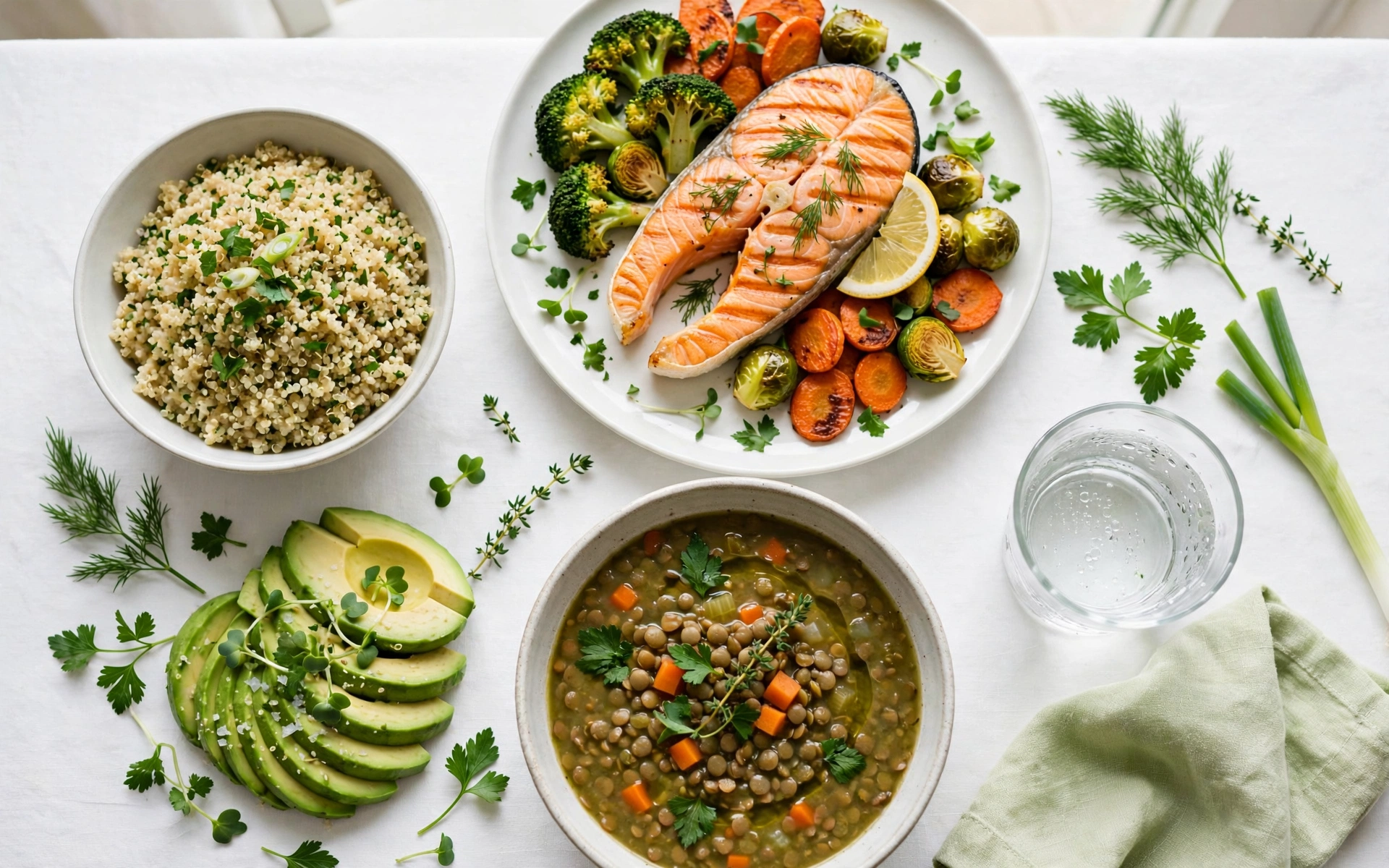
Drink plenty of water — aim for at least 8 glasses, and track it with the water intake tracker. Hunger during the fast is normal at first and usually passes. Dizziness, shakiness, or nausea are not normal — eat something and reconsider your approach.
What to Eat During Your 8-Hour Window
16:8 does not prescribe a diet, but what you eat still decides your results. Build most meals around:
- Protein: eggs, chicken, fish, lentils, chickpeas, beans, Greek yogurt, or tofu — protein keeps you fuller longer and protects muscle.
- Fiber-rich carbs: oats, brown rice, quinoa, whole-wheat bread, sweet potatoes, vegetables, and fruit.
- Healthy fats: olive oil, nuts, seeds, and avocado in moderate amounts.
Limit ultra-processed snacks, sugary drinks, and deep-fried foods — they can wipe out your calorie deficit fast. Logging what you eat for the first weeks with the meal log and checking your balance with the nutrition tracker teaches you a lot about your real intake. Our macros 101 guide explains protein, carbs, and fat in plain language.
Common Mistakes Beginners Make
- Overeating in the window: fasting all day does not cancel out a 3,000-calorie dinner. Keep portions reasonable.
- Ignoring protein: two meals a day makes it easy to under-eat protein — plan a protein source at every meal.
- Drinking calories while fasting: lattes, juices, and "healthy" smoothies break the fast. Stick to zero-calorie drinks.
- Going too hard, too fast: jumping to 18- or 20-hour fasts in week one usually backfires into binge eating.
- Forgetting water: early headaches are often just dehydration — drink more water.
Who Should Not Try Intermittent Fasting 16:8
Intermittent fasting is not for everyone, and that is completely okay. Talk to a doctor before starting if you are pregnant or breastfeeding, have diabetes or take blood-sugar medication, have a history of eating disorders, are under 18, or take medication that must be taken with food. If you feel dizzy, faint, or unwell while fasting, stop and eat — no eating pattern is worth harming your health.
Intermittent Fasting 16:8 FAQs
Can I drink coffee during the fasting window?
Yes — black coffee, plain tea, and water are all fine during the fast because they contain virtually no calories. What breaks the fast is anything with meaningful calories: milk, sugar, cream, juice, or butter coffee. A tiny splash of milk (under ~20 calories) is unlikely to ruin your results, though purists prefer zero.
Will I lose muscle on 16:8?
Not if you eat enough protein and stay active. Muscle loss during weight loss mostly happens when protein is too low or when people do no resistance exercise at all. Aim for a palm-sized portion of protein at each meal and include some strength training or bodyweight exercises two to three times per week.
How fast will I see results with intermittent fasting 16:8?
Most people notice the scale moving within 2–4 weeks if they maintain a genuine calorie deficit. A safe, sustainable rate is about 0.5 kg (1 lb) per week. Faster drops in the first week are usually water weight, not fat. If nothing changes after a month, your eating-window calories are probably too high — track them honestly for a week.
What should I eat to break my fast?
Break your fast with a balanced meal containing protein, fiber, and some healthy fat — for example eggs with whole-grain toast and vegetables, or lentil soup with bread and salad. Avoid breaking a long fast with a huge sugary or greasy meal, which can cause an energy crash.
Can I do 16:8 every day, or should I take rest days?
Many people do 16:8 daily without issues, but rest days are perfectly fine — some fast five or six days a week and eat normally on weekends. Consistency over months matters far more than perfection every day.
Does 16:8 work if I exercise in the morning while fasting?
Light to moderate exercise while fasting is fine for most people — walking, jogging, or yoga. For intense strength training, many prefer to train closer to their eating window so they can eat protein afterward.
Key takeaways
- Intermittent fasting 16:8 means fasting 16 hours and eating within an 8-hour window — e.g. noon to 8 PM.
- It aids weight loss mainly by helping you eat fewer calories, not through fat-burning magic.
- Ease in gradually (12 → 14 → 16 hours) and keep zero-calorie drinks during the fast.
- Prioritize protein, fiber, and whole foods in your eating window; track intake at first.
- Pregnant women, people with diabetes or eating-disorder history, and under-18s should consult a doctor first.
- Consistency over months beats perfection every day — rest days are fine.
Comments (0)
No comments yet. Be the first to share your thoughts!
Leave a comment