

Weight loss after 40 is absolutely possible — but it usually works best with a steadier, more patient approach than the crash diets of your twenties. A modest calorie deficit, enough protein, regular strength training, and good sleep tend to matter more than any single "fat-burning" food or supplement. This guide explains how diet, muscle, and metabolism change after 40, and how to build a plan you can actually keep.

Why Weight Loss After 40 Feels Different
After 40, several small changes add up. Muscle mass tends to decline gradually if it is not maintained, and muscle is metabolically active tissue — so losing it can slowly lower how many calories you burn at rest. Hormonal shifts, busier schedules, poorer sleep, and more sitting time can also push weight upward quietly, a little at a time.
None of this means your metabolism is "broken." It means the margin for error is smaller. The same eating habits that once kept your weight stable may now create a small surplus, and small surpluses, repeated daily, become kilograms over a year. The good news is that the same logic works in reverse: small, consistent deficits also add up.
It is also worth being honest about expectations. Losing weight after 40 is rarely fast, and it does not need to be. A steady loss of roughly 0.5 kg per week is a realistic, healthy pace for many people — and it is far easier to maintain than a rapid drop followed by regain.
Weight Loss After 40: Building Your Eating Plan
Fat loss comes down to a calorie deficit: eating slightly fewer calories than your body uses. You do not need an extreme deficit. In fact, a very large deficit often backfires after 40, because it increases hunger, fatigue, and muscle loss.
A practical starting point:
- Estimate your needs first. Use the BMR and TDEE calculator to get a realistic estimate of your daily calorie needs, then aim for a modest deficit below that maintenance level.
- Build meals around protein and fibre. Lean meat, fish, eggs, dairy, beans, and lentils help you stay full and protect muscle. Vegetables, fruit, and whole grains add fibre and volume without many calories.
- Keep foods you enjoy. A plan that bans everything you like rarely survives a bad week. Portion control and frequency usually work better than total bans.
- Watch liquid calories. Sugary drinks, large milky coffees, juices, and alcohol can add hundreds of calories without making you feel full.
- Plan for eating out. Check the menu in advance, choose a protein with vegetables, and ask for sauces on the side when you can.
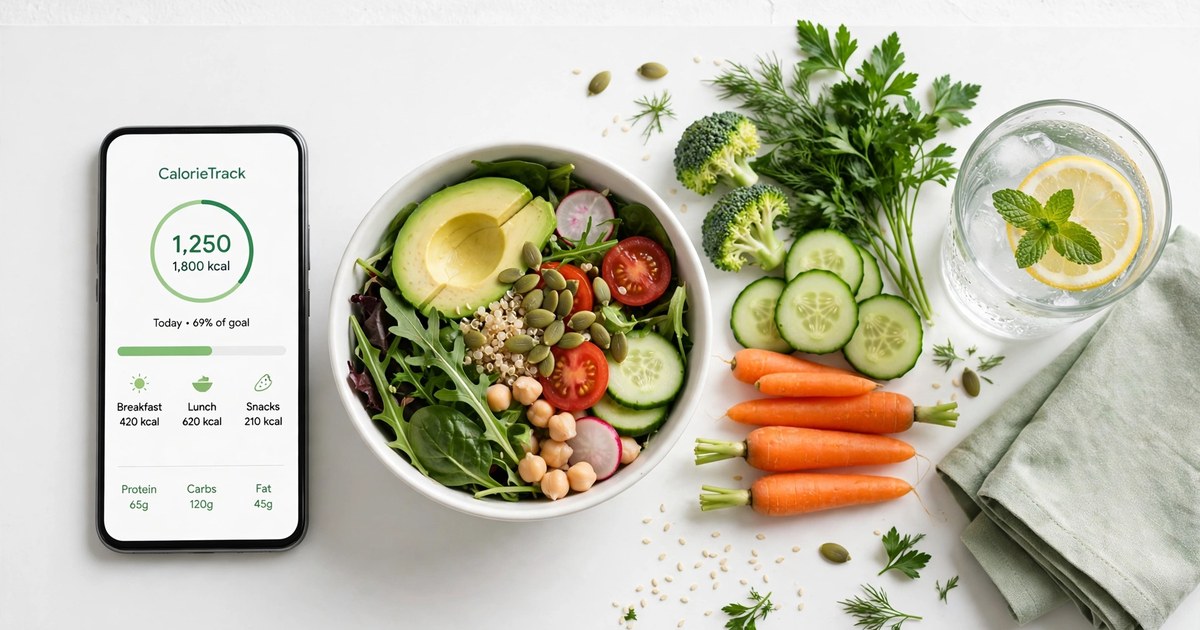
Tracking your food for even two or three weeks can be eye-opening. Many people discover that one habit — a daily pastry, a second helping at dinner, or evening snacking in front of the television — accounts for most of their surplus. Fixing that one habit is often enough to start progress.
Muscle Is Your Metabolism's Best Friend
If diet creates the deficit, muscle protects the result. Strength training two to three times per week helps preserve lean tissue while you lose fat, keeps you strong for everyday life, and supports bone health — all of which matter more, not less, after 40.
You do not need a gym membership or heavy weights to start. Bodyweight squats, push-ups (from the knees if needed), rows with a resistance band, step-ups, and planks are a solid foundation. The key is progressive overload: gradually making the exercise a little harder over time, whether by adding a repetition, a set, or a little resistance.
If you are new to exercise or returning after a long break, the exercise calculator can help you estimate how different activities contribute to your daily energy use. Start gently, focus on good form, and give your body a rest day between strength sessions. Soreness in the first week or two is normal; sharp joint pain is a signal to stop and adjust.
Sleep, Stress, and the Hidden Drivers
Diet and exercise get most of the attention, but sleep and stress quietly influence both. Poor sleep increases hunger hormones and cravings, especially for sweet and salty foods, and makes it harder to stick to any plan. Chronic stress has a similar effect, and many people eat in response to it without noticing.
- Aim for a regular sleep schedule, even on weekends, and keep screens out of the bedroom where possible.
- Build a short wind-down routine: dim lights, light stretching, or reading instead of scrolling.
- Separate stress from food where you can — a walk, a phone call, or a few minutes outside often reduces the urge to snack more than willpower alone.
- Move more in small ways: walking, taking stairs, and standing breaks all add up across a day.
None of these habits needs to be perfect. They need to be frequent enough to tilt the balance in your favour, most days, over months.

A Realistic Week on This Plan
Here is what a sustainable week might look like:
- Strength training: 2–3 sessions of 30–45 minutes, covering legs, upper body, and core.
- Walking: a daily walk, building toward 7,000–10,000 steps on most days if your joints allow.
- Meals: protein at every meal, vegetables at lunch and dinner, and one or two planned treats per week rather than daily grazing.
- Tracking: a food log for the first few weeks, then occasional check-ins once portions feel familiar.
- Review: one weekly weigh-in, at the same time of day, judged over a four-week trend — not a single day's number.
Weight naturally fluctuates day to day with water, salt, meals, and hormones. Judge progress by the trend over several weeks, and by how your clothes fit, your energy, and your strength — not by one morning's scale reading. For more practical nutrition ideas, browse our other guides on the NutriCounter blog.
Key Takeaways
- Weight loss after 40 is slower but very achievable with a modest, steady calorie deficit.
- Protein and strength training protect muscle, which protects your metabolism.
- Sleep, stress, and daily movement matter as much as any single diet rule.
- Judge progress over weeks, not days, and keep the plan you can actually live with.
Frequently Asked Questions
Is it harder to lose weight after 40?
It can feel harder, mainly because muscle loss, hormonal changes, busier lives, and less daily movement all push in the same direction. The process itself is the same — a calorie deficit — but it usually needs more consistency and patience than it did at 25.
How fast should I expect to lose weight after 40?
A pace of around 0.5 kg per week is realistic and sustainable for many people. Faster loss is possible, but it often comes with more hunger, fatigue, and muscle loss, which makes regain more likely.
Do I need to cut out carbs to lose weight after 40?
No. Fat loss depends on your overall calorie intake, not on eliminating one food group. Some people find lower-carb eating helps them control appetite, but others do just as well with balanced meals that include whole grains, fruit, and starchy vegetables.
Is strength training necessary, or is walking enough?
Walking is excellent for health and helps burn calories, but strength training adds something walking cannot: it preserves muscle and strength while you lose fat. Ideally, combine both — walk daily and add two or three strength sessions per week.
When should I talk to a doctor before starting?
Speak to a doctor before starting a new diet or exercise programme if you have a medical condition, take regular medication, have joint problems, or have not exercised for a long time. This guide is general information, not medical advice, and your doctor can tailor it to your situation.





Comments (0)
No comments yet. Be the first to share your thoughts!
Leave a comment