
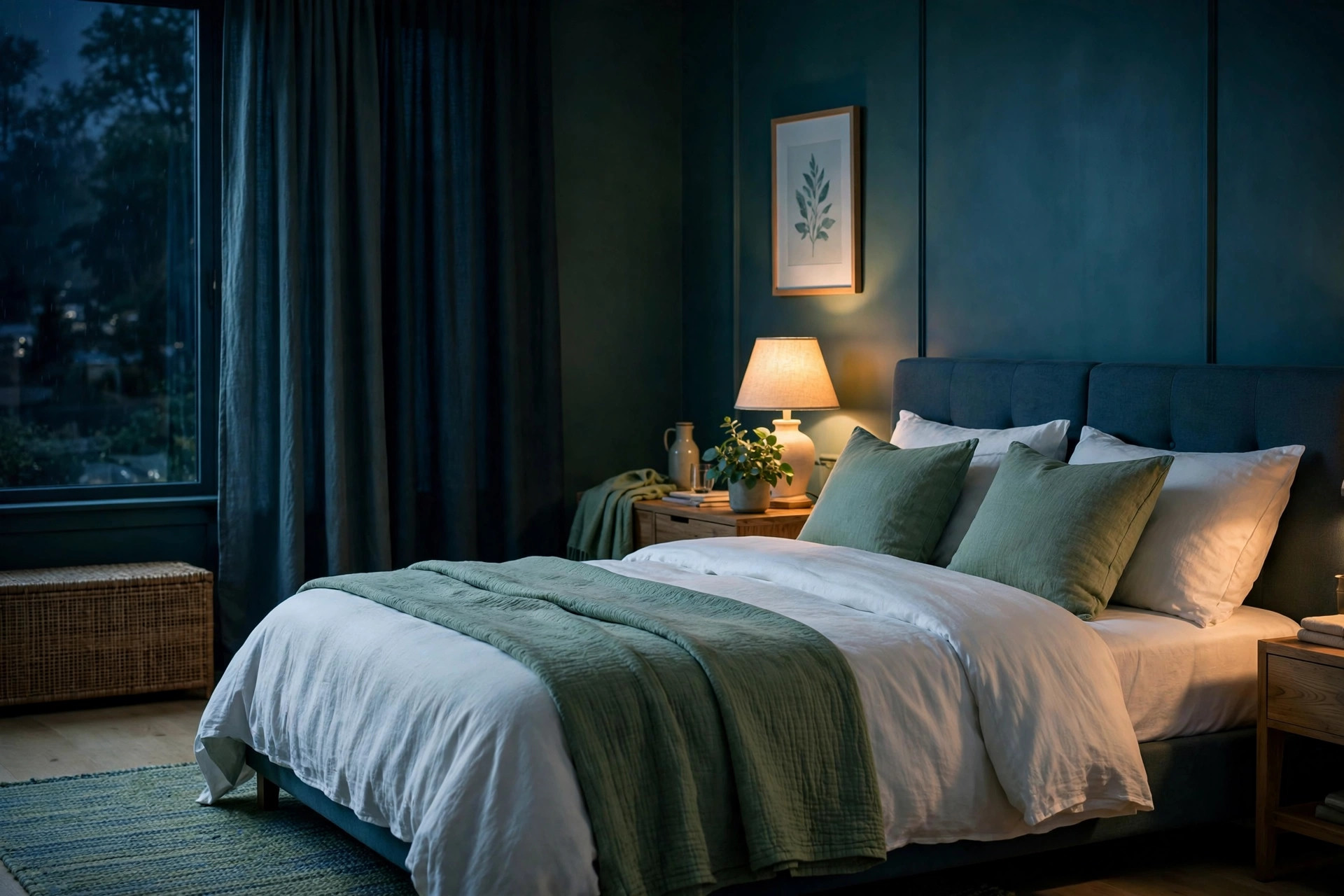
Sleep hygiene is the set of daily habits and bedroom conditions that help you fall asleep faster, stay asleep, and wake up refreshed. The fastest wins: a fixed wake-up time, bright light within an hour of waking, no caffeine after midday, and a cool, dark, quiet bedroom. Give it two consistent weeks to feel the difference.
 What Is Sleep Hygiene — and Why It Matters
The term sleep hygiene comes from sleep medicine, where it describes the behaviors and environment that promote healthy, restorative sleep. Two systems govern your sleep: your circadian rhythm (the internal body clock) and your sleep drive (the pressure to sleep that builds while you are awake). Good sleep hygiene keeps both working in your favor.
Poor sleep is linked to lower daytime energy, weaker concentration, and a harder time managing weight — which is why better sleep is one of the highest-leverage health habits you can build (see how sleep affects your weight). Researchers consistently find that behavioral changes are the first-line treatment for everyday sleep difficulty, so start with the easiest habits below and add one or two per week.
Daytime Sleep Hygiene Habits
What you do during the day shapes your sleep more than almost anything you do at night.
1. Keep a consistent sleep schedule
The single most powerful sleep hygiene habit: wake up at the same time every day, including weekends. A regular wake-up time anchors your circadian rhythm, teaching your body when to release melatonin at night. Sleeping in by two or more hours on weekends creates "social jet lag," linked to worse sleep quality and groggier Mondays.
2. Get bright light within an hour of waking
Morning light is the strongest signal that sets your body clock. Step outside or sit by a bright window for 10–20 minutes soon after waking — even on cloudy days, outdoor light dwarfs indoor lighting. Morning sun also supports healthy vitamin D production; if you live indoors, read about vitamin D deficiency signs and food sources.
3. Set a caffeine cutoff
Caffeine's half-life is about 5–6 hours, so a 4 PM coffee is still half-active at 10 PM. A cutoff around midday to early afternoon protects sleep without forcing you to quit coffee. Watch for hidden caffeine in tea, chocolate, energy drinks, and some painkillers.
4. Exercise — but time it wisely
Regular activity is one of the best-supported ways to deepen sleep. Morning and afternoon workouts appear most beneficial, but moderate evening exercise is fine if it ends at least one to two hours before bed. If intense late sessions leave you wired, shift hard workouts earlier and keep evenings to walking or stretching.
5. Nap smart — or skip it
Short naps boost alertness, but long or late naps steal from your nighttime sleep drive. Keep naps to 20–30 minutes, before mid-afternoon, with an alarm set. If falling asleep at night is hard, skip naps for a week or two and see if bedtime sleep improves.
Evening Sleep Hygiene Habits
The last two to three hours before bed are your wind-down window — use them to tell your brain it is time to power down.
6. Build a screen wind-down
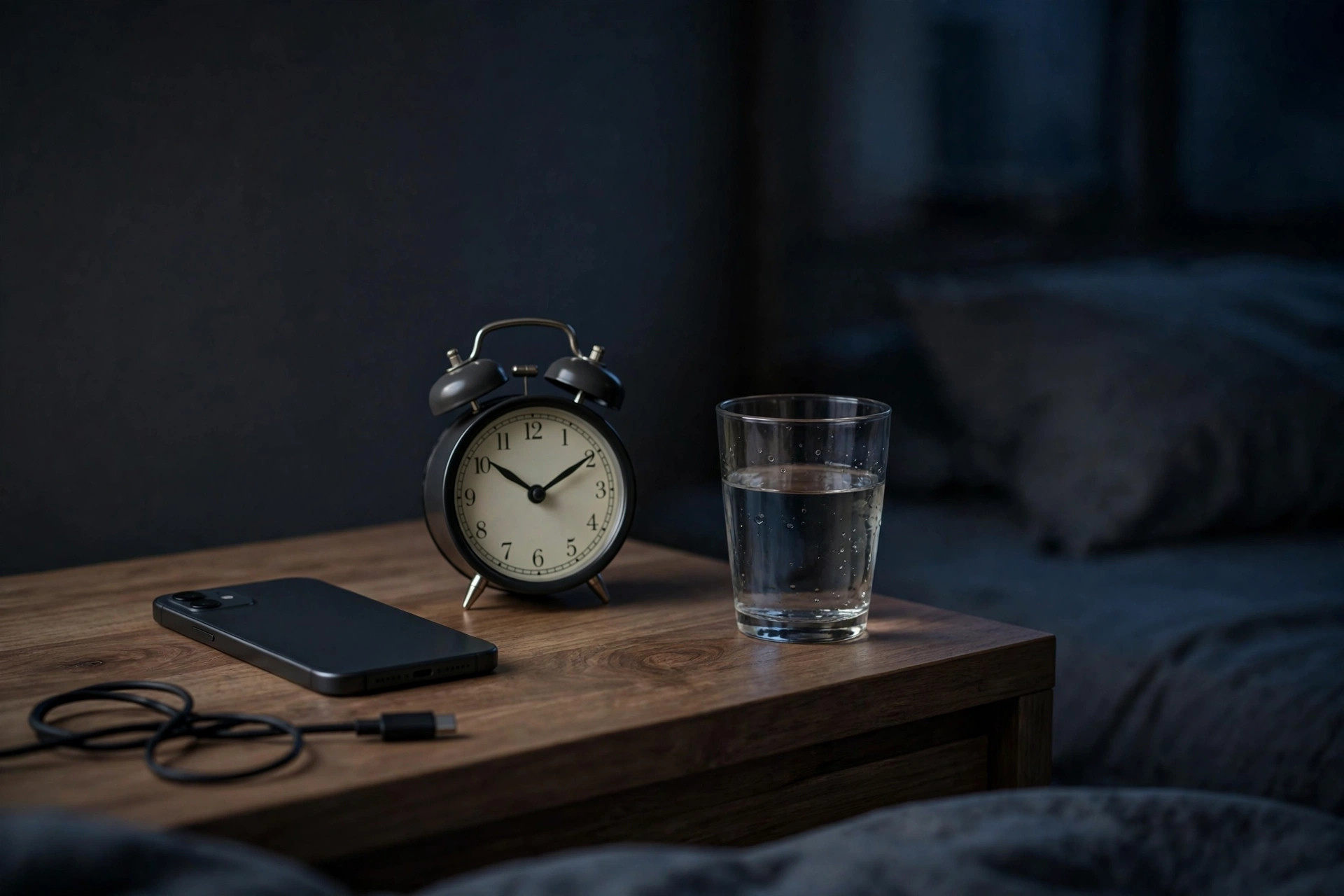
Screens disrupt sleep two ways: light suppresses melatonin, and content like news and social media keeps your mind activated. Switch off phones, tablets, and laptops 30–60 minutes before bed. Best of all, charge your phone outside the bedroom so the nightstand stops tempting you.
7. Create a calming pre-sleep routine
A consistent 20–30 minute routine trains your brain to link certain activities with sleep — like a bedtime story for adults. Try a warm shower, a physical book, gentle stretching, or calm music, in dim light and the same order nightly. Consistency matters more than the activities you choose.
8. Write down worries before bed
Racing thoughts keep many people awake. Spend five minutes before your wind-down writing tomorrow's to-do list or jotting worries into a notebook — getting concerns onto paper helps the brain release them. A habit tracker can also structure your evenings; NutriCounter's free tracker logs daily routines alongside nutrition.
9. Be careful with alcohol and late meals
Alcohol may cause drowsiness but fragments sleep later in the night and suppresses restorative REM sleep — never use it as a sleep aid. Finish dinner two to three hours before bed, since heavy, spicy, or very late meals cause discomfort and reflux. A small light snack like yogurt or a banana beats going to bed hungry.
 Sleep Hygiene in the Bedroom
Your bedroom should signal one thing to your brain: sleep.
10. Keep it cool, dark, and quiet
Your core temperature must drop for sleep onset, so a slightly cool room (around 18–20°C / 65–68°F) works best for most people. Block light with blackout curtains or a sleep mask, and use earplugs or white noise where it is loud. Reserve the bed for sleep only — working or scrolling in bed weakens the bed-sleep link.
11. Get your mattress and pillow right
You spend roughly a third of your life on your sleep surface, so comfort is sleep hygiene, not luxury. A sagging mattress or neck-straining pillow causes micro-awakenings you never notice. Most mattresses last 7–10 years — if yours is older and you wake up achy, replace it. Side sleepers need softer cushioning at shoulders and hips; back sleepers need lumbar support.
A Sample Sleep Hygiene Evening Routine
A simple timeline combining the evening habits — adjust times to your bedtime:
- 2–3 hours before bed: finish dinner; no alcohol or heavy snacks.
- 90 minutes before bed: dim the lights; devices to night mode.
- 60 minutes before bed: screens off; write tomorrow's list; lay out clothes.
- 30 minutes before bed: warm shower, then reading, stretching, or calm music.
- Bedtime: cool, dark, quiet room; phone charging elsewhere; lights out on schedule.
Find your ideal bedtime with NutriCounter's free sleep calculator, which works backwards from your wake-up time using 90-minute sleep cycles.
When Good Sleep Hygiene Isn't Enough
12. Know when to seek professional help
Sleep hygiene solves most everyday sleep problems, but not all. See a doctor if poor sleep persists beyond three weeks despite consistent habits, or with loud snoring, gasping for air, overwhelming daytime sleepiness, or restless legs at night. Sleep apnea, chronic insomnia, and restless legs syndrome are common and treatable — but they need proper diagnosis.
Key Takeaways
- Sleep hygiene means the daily habits and bedroom conditions that promote deep, restorative sleep.
- Highest-impact habits: a fixed wake-up time, morning light, a caffeine cutoff, and a cool, dark, quiet bedroom.
- Wind down 30–60 minutes before bed — no screens, dim lights, same calming routine nightly.
- Keep naps short (20–30 minutes) and early; never use alcohol as a sleep aid.
- Give new habits two consistent weeks; seek medical help if problems persist beyond three weeks.
Frequently Asked Questions
How long does it take for sleep hygiene habits to work?
Most people notice small improvements within a few nights, but give new habits at least two weeks of consistent practice. Your body clock adjusts gradually, not overnight. If nothing improves after three to four weeks of consistency, talk to your doctor.
Can I catch up on lost sleep at the weekend?
Sleeping in repays a little sleep debt but shifts your body clock — researchers call it social jet lag. A consistent wake-up time seven days a week works far better. If you are exhausted every Friday, your weekday schedule needs more sleep.
Is using my phone as an alarm clock a bad idea?
The alarm isn't the problem — the phone on your nightstand tempting you to scroll is. Put it across the room on Do Not Disturb, or switch to a simple alarm clock. Out of sight really does mean out of mind.
Will exercising in the evening ruin my sleep?
For most people, no. Moderate evening exercise is fine if it ends one to two hours before bed. Very intense workouts right before bed can stimulate some people, so watch how you feel. Morning and afternoon exercise remain the safest bets.
When should I see a doctor about my sleep?
If poor sleep lasts more than three weeks despite good habits, or you snore loudly, gasp for air, feel excessively sleepy by day, or have restless legs at night. These can signal sleep apnea, insomnia disorder, or restless legs syndrome — all treatable.

Comments (0)
No comments yet. Be the first to share your thoughts!
Leave a comment