
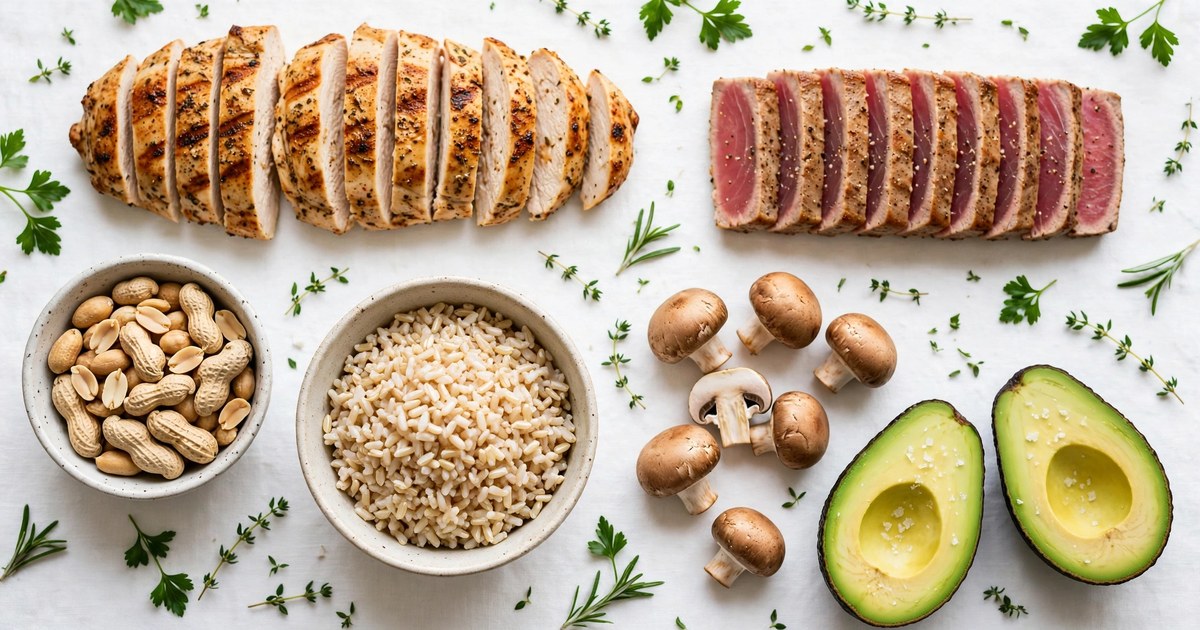
Vitamin B3, also called niacin, is a water-soluble vitamin that helps your body turn food into energy, keeps your skin and nervous system healthy, and supports DNA repair. Adults need 16 mg a day (men) or 14 mg (women), and most people get enough from everyday foods like chicken, tuna, peanuts, mushrooms, and brown rice.

What is vitamin B3 (niacin)?
Niacin is one of the eight B vitamins, and it works by forming two coenzymes — NAD and NADP — that power hundreds of reactions in your cells, converting food into energy and repairing damaged DNA. Without enough niacin, your cells cannot run their energy machinery properly.
Niacin comes in two forms: nicotinic acid and niacinamide (also called nicotinamide). Both work as vitamins, but nicotinic acid in high doses can cause a "niacin flush" — a hot, red, tingling feeling in the skin — while niacinamide does not. That is why many supplements and skin creams use niacinamide instead.
Your body can also make a little niacin from the amino acid tryptophan, found in protein foods such as eggs, dairy, and turkey. About 60 mg of tryptophan converts to 1 mg of niacin, but the amount made this way is small — food remains your main source.
Benefits of vitamin B3
Niacin does not work alone — it is part of the B-vitamin team — but its own jobs are important:
- Energy production: niacin helps convert the food you eat into usable energy through NAD and NADP. Without enough of it, your cells cannot produce energy efficiently, which is one reason deficiency causes fatigue.
- Healthy skin: niacin supports the skin barrier that keeps moisture in and irritants out. Severe deficiency causes a painful, sun-sensitive rash — a classic sign of pellagra — and niacinamide is used in many skin creams.
- Nervous system and brain health: your brain uses a lot of energy, so it depends on niacin-powered reactions. Severe deficiency can cause confusion, poor concentration, and memory problems — so it matters for mental clarity too.
- Digestive health: niacin keeps the lining of your stomach and intestines healthy and supports normal appetite and digestion.
- DNA repair and cell signalling: NAD helps repair damaged DNA and signals cells when to grow, divide, or repair themselves.
- Supporting other B vitamins: niacin works alongside the rest of the B family, including thiamine and riboflavin — see our guides on vitamin B1 (thiamine) and vitamin B2 (riboflavin).
Niacin is not a weight-loss vitamin and will not boost your energy above normal levels if you already get enough. Its real value is keeping the energy machinery running smoothly — which is why it belongs in a balanced diet, not in a mega-dose supplement.
How much vitamin B3 do you need?
Recommended daily amounts for adults (in niacin equivalents, or mg NE) are:
- Men (19+ years): 16 mg NE per day
- Women (19+ years): 14 mg NE per day
- Pregnant women: 18 mg NE per day
- Breastfeeding women: 17 mg NE per day
These amounts are easy to reach with ordinary food. A serving of chicken breast provides roughly 10–12 mg and a can of tuna around 11 mg, so a normal day of eating covers it. The tolerable upper limit is 35 mg per day, but only for niacin from supplements and fortified foods, not food itself. There is no upper limit for niacin from food alone, because your body handles it very well.
Signs of vitamin B3 deficiency
True niacin deficiency — called pellagra — is rare where diets are varied, but it can happen with a very restricted diet, long-term alcohol use, or conditions that affect nutrient absorption. Pellagra is traditionally described by the "four Ds":
- Dermatitis: a rough, scaly rash on skin exposed to sunlight, especially on the face, neck, hands, and forearms
- Diarrhoea: persistent digestive upset, along with loss of appetite and nausea
- Dementia: confusion, poor memory, irritability, and difficulty concentrating in severe cases
- Death: if left untreated, severe pellagra can be fatal — which is why early treatment matters
Milder deficiency shows up earlier and more quietly — fatigue, loss of appetite, a sore tongue, a mild rash, and digestive discomfort. These symptoms are not specific to niacin and can have many causes, and a deficiency rarely involves just one B vitamin. If you have persistent fatigue, unexplained skin changes, or ongoing digestive problems, see a doctor rather than self-diagnosing — a look at your diet and a blood test are usually enough to sort it out.
Best food sources of vitamin B3
Niacin is found in a wide range of everyday foods, and animal foods are generally the richest sources:
- Chicken and turkey: chicken breast is one of the best sources — a single serving provides most of your daily need — and turkey is nearly as rich.
- Tuna and salmon: oily and white fish are excellent sources; a can of tuna covers most of the daily target, and salmon adds omega-3 fats.
- Peanuts and peanut butter: one of the best plant sources — a small handful provides around 4 mg, and peanut butter is an easy everyday way to add niacin.
- Mushrooms: a cup of cooked mushrooms provides a useful amount with very few calories.
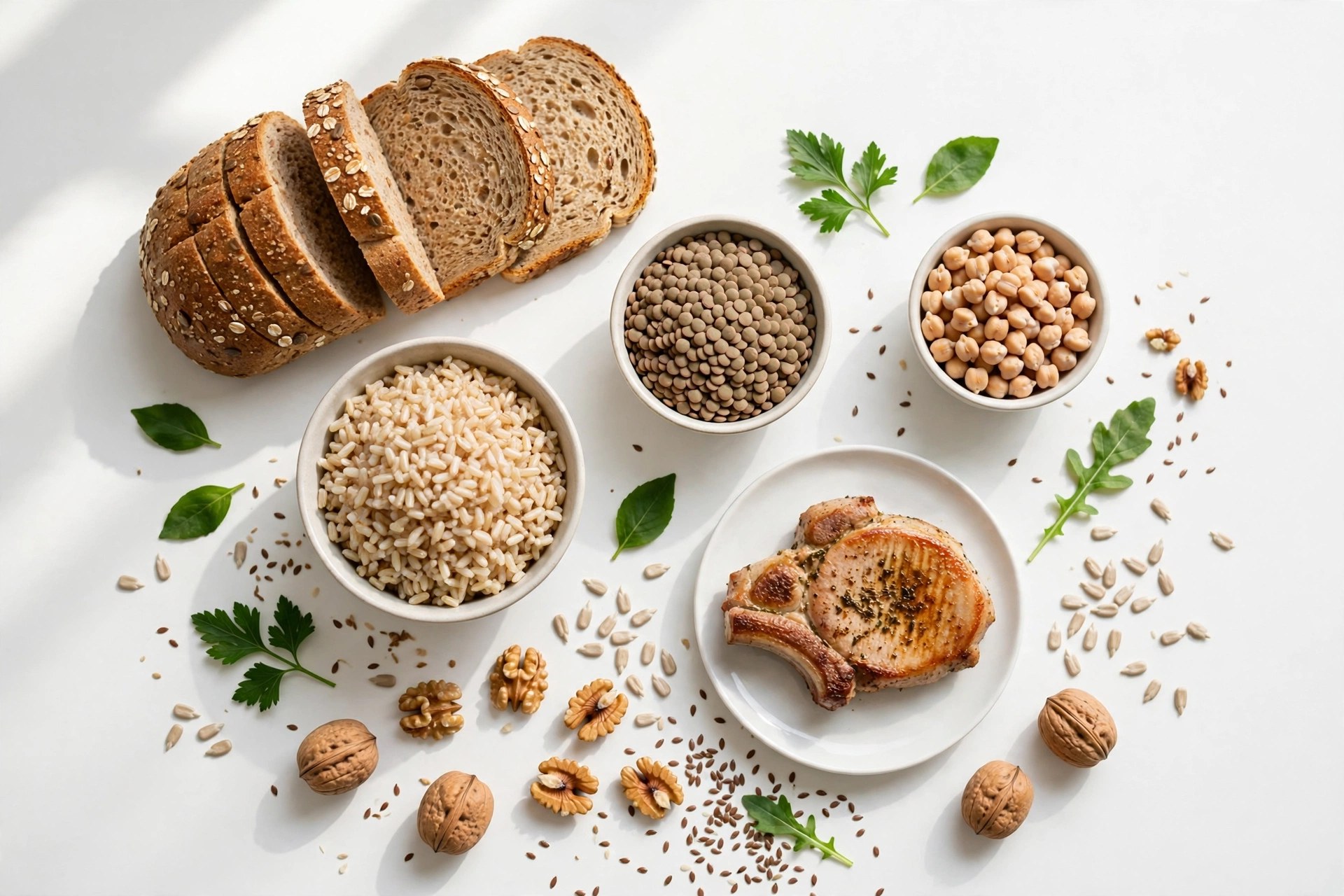
- Brown rice and whole grains: whole grains hold niacin in their outer layers, so brown rice, wholemeal bread, and oats beat their refined versions.
- Avocado: a whole avocado provides a useful amount of niacin with healthy fats and fibre.
- Beef and liver: beef is a good source and liver is extremely rich, though liver is not an everyday food for most people.
- Fortified foods: many breakfast cereals and flours are fortified with niacin — one bowl can cover a large share of your daily need.
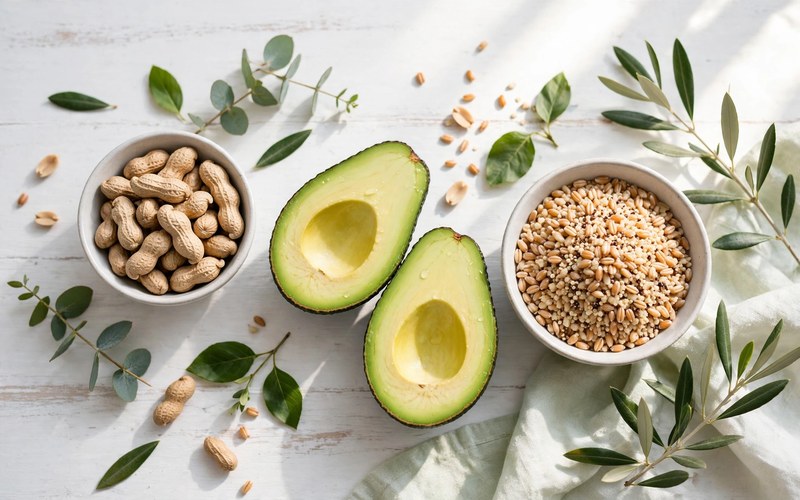
A simple day that covers your niacin: wholegrain toast with peanut butter for breakfast, a tuna salad with brown rice for lunch, and grilled chicken breast with mushrooms and avocado for dinner. That alone usually exceeds the daily target. To check how your own diet stacks up, log a typical day in the nutrition tracker — it shows your intake across the B vitamins, not just calories. And the nutrition tool lets you look up the niacin content of individual foods.
Vitamin B3 and weight loss
Niacin does not burn fat or speed up weight loss on its own. But it is involved in energy metabolism, so getting enough keeps your energy levels steady in a calorie deficit, which makes it easier to stay active and stick to your plan. People on very low-calorie or highly restricted diets are the most at risk of falling short on B vitamins, so a varied diet with chicken, fish, whole grains, and vegetables matters even more during weight loss.
Do you need a vitamin B3 supplement?
For most people, no. Food covers the daily need, and extra niacin from food is harmless. Supplements make sense only in specific situations:
- Very restricted diets: for example, a diet very low in protein and animal foods, or one excluding most grains and legumes.
- Absorption problems: some gut conditions, long-term alcohol use, or certain medications can reduce niacin absorption.
- Doctor's advice: if a deficiency is diagnosed, your doctor may recommend a B-complex supplement rather than niacin alone, since B vitamin deficiencies often come together.
Be careful with high-dose niacin supplements: nicotinic acid in large doses causes flushing, itching, and tingling, and very high doses over time can damage the liver and raise blood sugar. Niacin has also been used to lower cholesterol, but only in high doses under medical supervision — it is not a do-it-yourself treatment. Never take high-dose niacin for months without medical advice; a balanced diet is safer and cheaper for almost everyone.
Key takeaways
- Vitamin B3 (niacin) helps turn food into energy, supports healthy skin, digestion, and the nervous system, and helps repair DNA.
- Adults need 16 mg (men) or 14 mg (women) per day — easily covered by ordinary food.
- Deficiency can cause fatigue, loss of appetite, a sun-sensitive skin rash, digestive problems, and confusion — severe deficiency is called pellagra.
- Best sources are chicken, tuna, salmon, peanuts, mushrooms, brown rice, avocado, and fortified cereals.
- High-dose nicotinic acid causes flushing and can harm the liver — the upper limit from supplements is 35 mg per day.
- Supplements are rarely needed — food is enough for most people, and niacinamide does not cause flushing.
Frequently Asked Questions
What does vitamin B3 (niacin) do?
Niacin helps your body convert carbohydrates, fats, and protein into energy by forming the coenzymes NAD and NADP, which power hundreds of cell reactions. It also supports healthy skin, digestion, and the nervous system, and helps repair damaged DNA. Adults need only 14–16 mg a day, and a normal varied diet usually provides it.
What are the signs of vitamin B3 deficiency?
Early signs include fatigue, loss of appetite, a sore tongue, digestive discomfort, and a mild rash. Severe deficiency, called pellagra, causes dermatitis on sun-exposed skin, diarrhoea, and confusion — the classic "four Ds". These symptoms can have many causes, so persistent symptoms should be checked by a doctor rather than self-diagnosed.
Which foods are highest in vitamin B3?
Chicken breast and tuna are among the richest sources, followed by turkey, salmon, peanuts, and liver. Good plant sources include mushrooms, brown rice, avocado, and whole grains, and many breakfast cereals are fortified with niacin. A serving of chicken breast alone provides most of your daily need.
Can vitamin B3 help with weight loss?
Not directly — niacin does not burn fat. But it supports the energy metabolism that keeps you feeling steady while you are in a calorie deficit, and people on very restricted diets are the most likely to fall short on B vitamins. The best approach is a varied diet with chicken, fish, whole grains, and vegetables, rather than a high-dose supplement.
Is it safe to take a vitamin B3 supplement?
Niacin from food is very safe, but high-dose supplements need care. Nicotinic acid causes flushing, itching, and tingling, and very high doses can damage the liver and raise blood sugar, so the upper limit from supplements is 35 mg per day. Niacinamide does not cause flushing and is the form used in most supplements and skin creams, but supplements are rarely needed since food easily covers the daily requirement.




Comments (0)
No comments yet. Be the first to share your thoughts!
Leave a comment