

Yes — a short, easy walk after a meal is one of the simplest healthy habits you can build. Just 10 to 15 minutes after eating can help digestion, keep blood sugar steadier, and add useful movement to your day. It is no magic fat-burner, but as part of a healthy routine it genuinely supports weight loss.
Best of all, it costs nothing and needs no equipment — just comfortable shoes and a few minutes after your meal. In this guide, we explain why it works, what it does for your blood sugar, how it helps weight loss, and how to make it a habit.
 Why Walking After Meals Works
When you eat, your body breaks food down into glucose, which enters your blood. Moving right after a meal helps your muscles use some of that glucose for energy instead of letting it build up at once — which is why doctors often suggest a gentle walk after eating.
Walking also helps your digestion. Gentle movement keeps the stomach and intestines working smoothly, which can ease the heavy, bloated feeling many people get after a big meal. Instead of sitting on the sofa feeling sluggish, a short walk gets your circulation going and leaves you feeling more awake.
There is a mental benefit too. A walk after lunch breaks up the afternoon, rests your eyes from screens, and can lift your mood — many people return to work feeling more focused after just ten minutes outside.
What It Does for Blood Sugar
After every meal, blood sugar naturally rises — this is normal. The question is how high it rises and how quickly it comes back down. Moving after eating helps on both counts: active muscles take up glucose from the blood to fuel the movement, so the rise after a meal tends to be smaller and shorter.
This is why a post-meal walk is often suggested for people who want to manage their blood sugar, including people with prediabetes or type 2 diabetes. It is a simple, low-effort way to support steadier blood sugar without changing what you eat. It does not replace medication or medical advice — if you have diabetes, talk to your doctor about the best routine for you.
Timing matters here. The glucose rise after eating usually peaks within the first hour or so, so walking during that window is when the walk can do the most good — and even a short walk counts.
How It Helps Weight Loss
Walking after meals supports weight loss in two ways. First, it burns extra calories: 10 to 15 minutes after each meal adds up to 30 to 45 minutes of extra movement a day — and over weeks and months, those extra calories make a real difference.
Second, it builds a consistent routine. Weight loss depends on a sustained calorie deficit — using more energy than you take in. Our BMR and TDEE calculator shows how many calories your body needs, and our exercise calorie calculator shows what activities burn. A post-meal walk closes that gap a little every day, tied to something you already do three times a day: eat.
It also helps in a less obvious way. Many people snack out of boredom in the hour after a meal — but if you are out walking, that snacking window disappears. Walking also fights the afternoon slump, so you are less likely to reach for sugary snacks.
But let us be honest: walking after meals alone will not melt away weight. It works as part of the bigger picture — sensible portions, a safe calorie deficit, and regular movement. Think of it as a reliable helper, not a miracle cure.
How Long and How Fast to Walk
You do not need to walk far or fast. What works for most people:
- Duration: Aim for 10 to 15 minutes after a meal. If you only have 5 minutes, that still helps — something is always better than nothing.
- Pace: Keep it easy and comfortable. You should be able to talk normally while you walk. This is not a workout — it is a gentle stroll.
- Frequency: After your biggest meal of the day is a great start. If you can manage it after two or three meals, even better.
- Distance: Do not worry about distance. Focus on time instead — set a timer for 10 minutes and walk until it rings.
If you are new to walking for exercise, our beginner's guide to walking for weight loss explains how to build up your daily steps gradually.
As your fitness improves, you can slowly extend your walks — but there is no need to turn a relaxing post-meal stroll into a sweaty workout. The gentle pace is part of why it works.
Best Time to Walk After Eating
The sweet spot is within about 30 to 60 minutes after you finish eating — when your blood sugar is rising and your body benefits most from movement. Heading out as soon as you put your plate down is fine too, as long as the pace stays gentle.
Some people prefer to wait 10 or 15 minutes, especially after a large meal. That is perfectly fine — what matters most is that the walk happens, not the exact minute it starts.
One exception: if you suffer from acid reflux or heartburn, walking immediately after a big meal can sometimes make it worse. If so, wait 20 to 30 minutes, keep the walk slow, and see how you feel — and speak to your doctor if reflux is a regular problem.
 Tips to Make It a Habit
Knowing post-meal walks are healthy is one thing — doing them daily is another. These tips help:
- Pair it with a meal you already eat. Attach the walk to lunch or dinner, so it becomes part of the routine rather than a separate task.
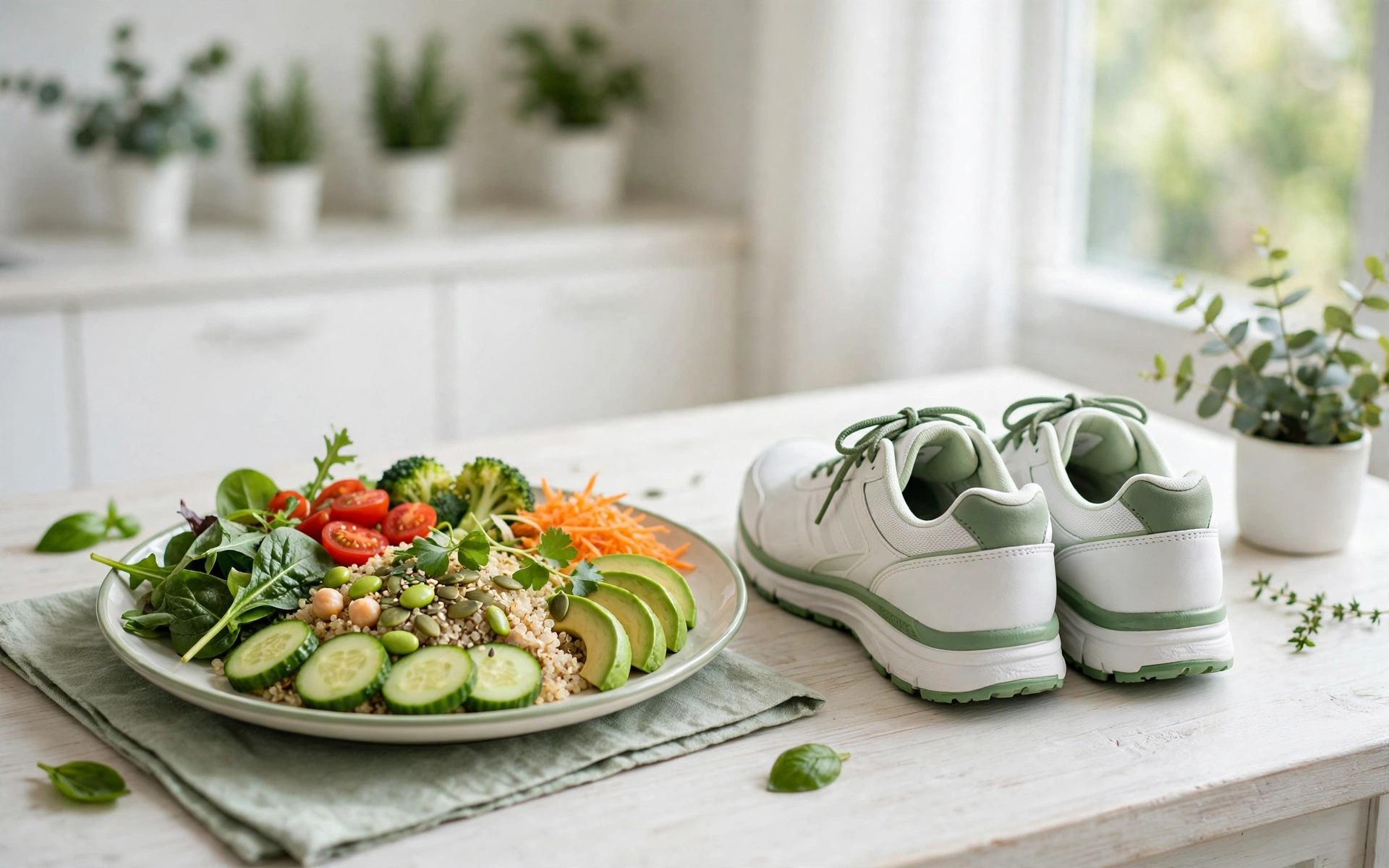
- Keep your shoes by the door. Removing friction makes a habit automatic.
- Invite someone along. A partner, friend, or family member makes the walk more enjoyable — and harder to skip.
- Listen to something you enjoy. A podcast, audiobook, or your favourite music turns the walk into a treat.
- Walk the same route. A familiar loop removes decisions.
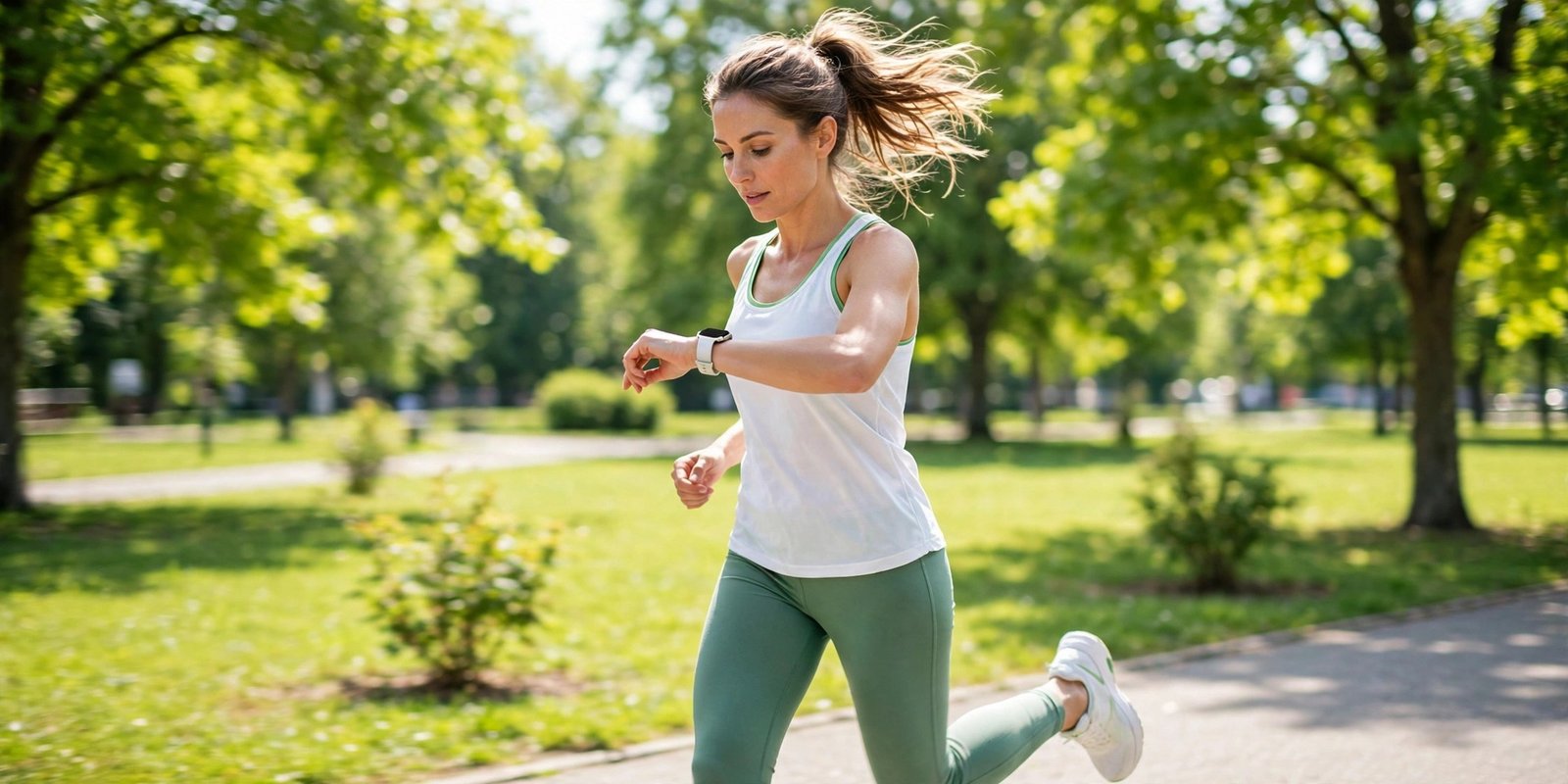
- Track your steps. Post-meal walks add up fast, and watching the count climb is motivating.
- Start small. Even five minutes after one meal a day is a win. Build up instead of aiming for perfection on day one.
- Have a bad-weather plan. Walk around your home, climb stairs, or stroll through a shopping centre when it rains.
Who Should Be Careful
Walking after meals is safe for most people, but a few groups should take extra care:
- People with reflux or heartburn: Wait a little longer after eating and keep the pace slow.
- People with diabetes on medication: Walking can lower blood sugar, so check your levels as your doctor advises and carry a small snack if needed.
- People with joint pain or balance problems: Choose flat, even paths and wear supportive shoes.
- People recovering from surgery or illness: Ask your doctor when it is safe to start walking after meals.
Stay hydrated — carry water, especially on warm days. If you ever feel dizzy, unwell, or in pain while walking, stop and rest.
Key Takeaways
- A 10–15 minute walk after eating helps digestion, steadies blood sugar, and adds useful daily movement.
- Walk within 30–60 minutes after a meal, at an easy pace you can talk through.
- It supports weight loss as part of a calorie deficit — not as a magic fat-burner on its own.
- Start with one meal a day, keep your shoes by the door, and build the habit slowly.
- If you have reflux, diabetes, or a medical condition, adjust the timing and check with your doctor.
Frequently Asked Questions
1. How long should I walk after eating?
About 10 to 15 minutes is a great target for most people. Even 5 minutes helps, and walking after your biggest meal of the day is the best place to start. The key is consistency — a short walk every day beats a long walk once a week.
2. Does walking after meals lower blood sugar?
Yes, it can help. When you walk, your muscles use glucose from your blood for energy, so the blood sugar rise after a meal tends to be smaller. This is why post-meal walks are often recommended for people managing their blood sugar. They do not replace medication or medical advice, so check with your doctor if you have diabetes.
3. Can walking after meals help me lose weight?
Yes, as part of an overall calorie deficit. A short walk after each meal adds up to 30–45 minutes of extra movement a day, which burns extra calories and helps you avoid post-meal snacking. On its own it will not cause major weight loss, but combined with sensible eating it is a reliable, sustainable helper.
4. Is it better to walk right after eating or wait a while?
Walking within 30 to 60 minutes after a meal works best, because that is when blood sugar is rising. Heading out straight away is fine if the pace is gentle. If you have reflux, waiting 20 to 30 minutes may feel more comfortable.
5. Should I walk after every meal?
You can, and it is a great habit if your schedule allows it. But you do not have to be perfect — walking after one or two meals a day still brings real benefits. Start with the meal where it fits most easily, usually lunch or dinner, and add more walks when you are ready.
6. Is walking after meals safe for everyone?
It is safe for most people, but take care if you have acid reflux, diabetes, joint problems, or balance issues. Walk slowly, choose flat paths, stay hydrated, and talk to your doctor if you have a medical condition or take medication that affects blood sugar.




Comments (0)
No comments yet. Be the first to share your thoughts!
Leave a comment