

Crash diets fail because extreme calorie restriction triggers a powerful biological backlash: hunger hormones surge, your body burns muscle along with fat, your metabolism slows, and the psychological pressure of deprivation usually ends in rebound eating. Most people regain the lost weight — often with extra — within a year. Lasting fat loss comes from a modest 300–500 calorie daily deficit, enough protein, regular movement, and habits you can actually keep.

What Counts as a Crash Diet?
A crash diet is any eating plan that slashes calories far below what your body needs, usually promising dramatic results in days or weeks. Common versions include:
- Very-low-calorie diets: under 1,200 calories a day (sometimes under 800) without medical supervision.
- Juice cleanses and detox teas: days of liquids with almost no protein or fiber.
- Single-food diets: eating only one food — cabbage soup, grapefruit, boiled eggs — for weeks.
- Extreme rules: cutting out entire food groups overnight or fasting for days with no plan.
- "Lose 10 kg in 2 weeks" promises: any plan selling speed over sustainability.
They all share the same flaw: they treat weight loss as a sprint your body is desperate to stop, rather than a gradual change it can adapt to.
Why Crash Diets Fail: The Science
Your body does not know you are dieting for summer. It thinks food has become scarce, and it fights back on multiple fronts.
Your hunger hormones fight back
Severe restriction raises ghrelin (the hunger hormone) and lowers leptin (the fullness hormone). The result is not mild hunger — it is constant, gnawing, think-about-food-all-day hunger. Willpower is a limited resource; hormones are relentless. This is why most crash diets collapse within two to three weeks, not because dieters are weak, but because their biology is working exactly as designed.
You lose muscle, not just fat
When calories drop drastically, the body breaks down muscle tissue for energy alongside fat — especially if protein intake is low and there is no resistance exercise. Losing muscle is the opposite of what you want: muscle is metabolically active tissue that burns calories even at rest. Less muscle means a lower daily calorie burn, which makes keeping weight off harder.
Your metabolism adapts downward
Prolonged extreme dieting triggers metabolic adaptation: your body becomes more efficient, burning fewer calories for the same activities. You feel colder, move less without noticing, and your workouts suffer. When normal eating resumes, this slowed burn makes regain almost inevitable.
The restriction–binge cycle
Psychologically, severe restriction creates obsession. Forbidden foods become all you think about, and one "slip" often turns into abandoning the diet entirely — followed by guilt, then another extreme attempt. This yo-yo pattern is worse for both physical and mental health than a slow, steady approach.
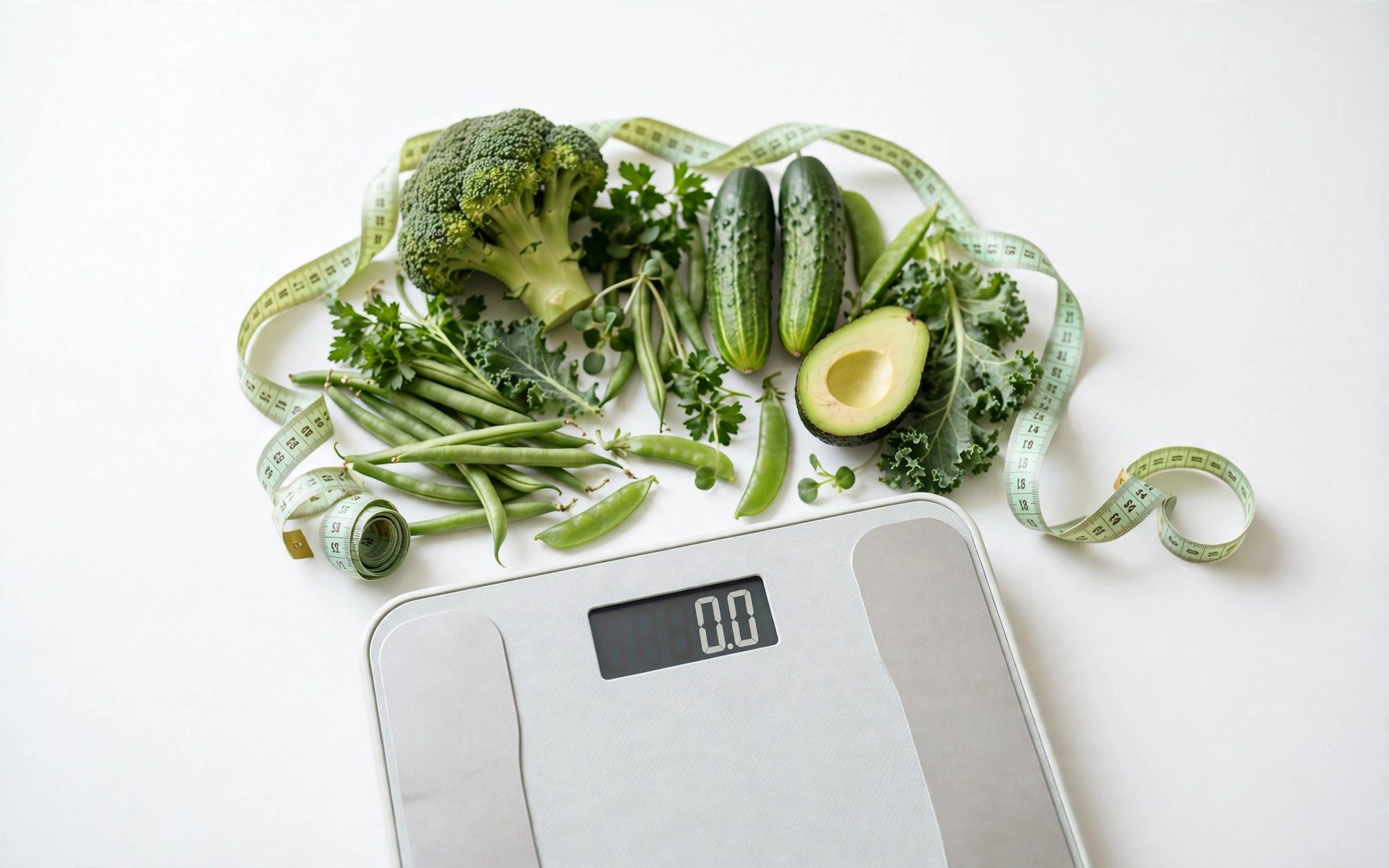
The Hidden Costs of Crash Dieting
Beyond failing to keep weight off, crash diets can genuinely harm you:
- Nutrient deficiencies: too few calories means too little iron, calcium, B vitamins, and protein — leading to fatigue, hair loss, and weakened immunity.
- Gallstones: rapid weight loss is a known risk factor for painful gallstones.
- Hormonal disruption: extreme dieting can disturb menstrual cycles, thyroid function, and stress hormones.
- Disordered eating patterns: repeated cycles of restriction and bingeing can evolve into a serious eating disorder.
- Mood and sleep: under-eating reliably worsens irritability, concentration, and sleep quality.
If you have a history of eating disorders, are pregnant or breastfeeding, or have a medical condition, extreme diets are especially dangerous — talk to a doctor before changing how you eat.
What Actually Works Instead: Sustainable Fat Loss
The boring truth is also the liberating one: the approach that works is the one you can repeat for months without suffering.
1. Create a modest calorie deficit
Eat 300–500 calories less than your body burns each day — enough to lose roughly 0.3–0.5 kg of fat per week. Find your starting number with our BMR and TDEE calculator, then read what a calorie deficit is and how to set one safely.
2. Prioritize protein at every meal
Protein keeps you full, protects muscle during weight loss, and costs more energy to digest. Aim for a palm-sized portion of eggs, chicken, fish, lentils, beans, or Greek yogurt at each meal. Our macros 101 guide explains the right balance in plain language.
3. Move — especially strength training
Two or three weekly resistance sessions preserve the muscle that crash diets destroy. Add daily walking on top; it burns calories without spiking hunger the way intense cardio sometimes does.
4. Sleep 7–9 hours
Poor sleep raises hunger hormones and cravings the next day. Fixing sleep is one of the highest-leverage weight-loss moves most people ignore.
5. Track honestly, not obsessively
Logging food for a few weeks with a daily calorie tracker reveals where your calories actually come from — no judgment, just data. Most people are surprised.
Key takeaways
- Crash diets fail because extreme restriction triggers hormonal hunger, muscle loss, metabolic slowdown, and rebound eating.
- Most crash dieters regain the lost weight within a year — often gaining extra.
- Rapid weight loss carries real risks: nutrient deficiencies, gallstones, hormonal disruption, and disordered eating.
- Sustainable fat loss means a modest 300–500 calorie deficit, high protein, strength training, good sleep, and honest tracking.
- The best diet is the one you can follow for a year, not the one that promises results in two weeks.

Comments (0)
No comments yet. Be the first to share your thoughts!
Leave a comment