
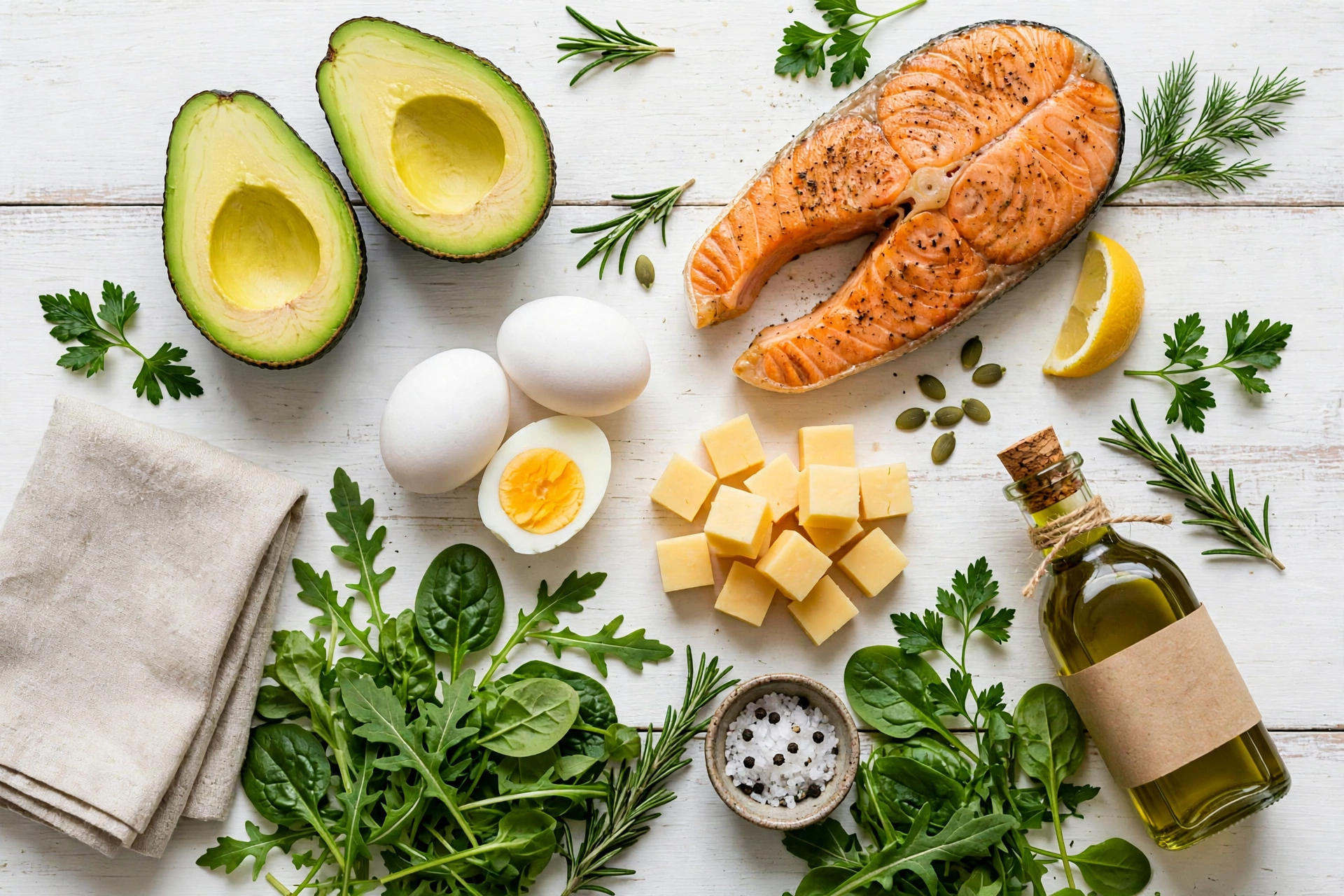
The short answer: The keto diet is a very-low-carb, high-fat eating plan that pushes your body into ketosis, where it burns fat for fuel instead of glucose. Beginners usually eat fewer than 50 grams of carbs daily, focusing on meat, fish, eggs, and healthy fats while avoiding sugar and grains. It may support weight loss, but check with your doctor first.
The keto diet is one of the most talked-about eating plans of the past decade — praised for fast weight loss, questioned for its strict rules. Much of what circulates online is hype or fear. This guide cuts through both: how the keto diet works, what to eat, what to avoid, and whether it is safe.
One note first: this article is educational, not medical advice. A very-low-carb diet changes how your body works, so talk to a doctor or dietitian before starting — especially with a health condition, medication, or pregnancy.
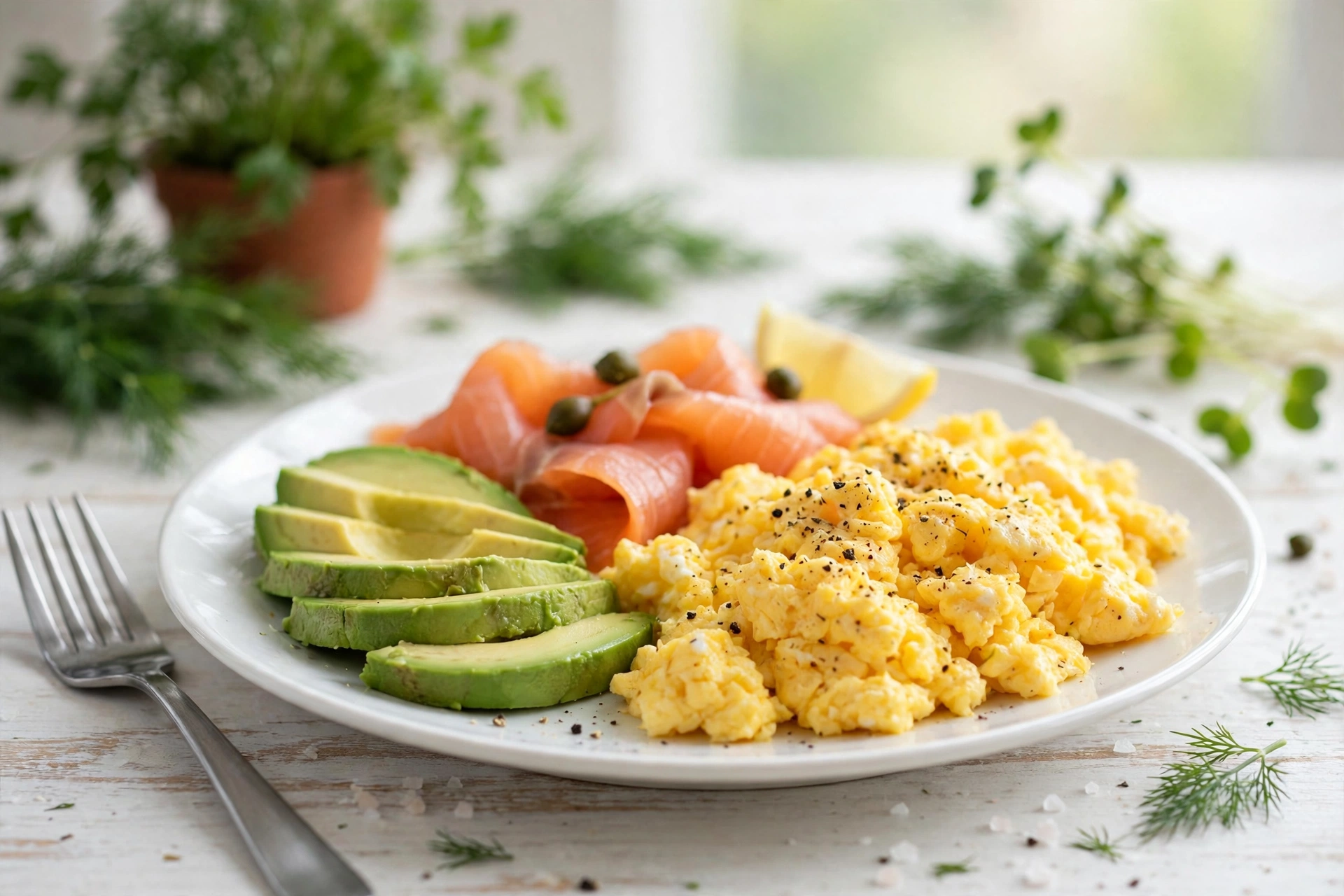 Key Takeaways
- The keto diet limits carbs to roughly 20–50 grams per day, replacing them with fat so the body enters ketosis and burns fat for fuel.
- A typical keto macro split is about 70–75% fat, 20–25% protein, and 5–10% carbohydrates.
- Research suggests keto can support meaningful weight loss in the first months, but long-term results depend on adherence and overall diet quality.
- The "keto flu" — headaches, fatigue, and nausea in the first week — is common but usually temporary.
- Keto is not for everyone: people who are pregnant, have certain liver, kidney, or pancreatic conditions, or a history of disordered eating should avoid it.
How the Keto Diet Works: Ketosis Explained
Your body normally runs on glucose, the sugar it makes from carbohydrates. Eat bread, rice, or fruit, and your blood sugar rises; insulin then moves that sugar into cells for energy. The keto diet flips this system by cutting carbs so low that glucose runs out.
When glucose runs low, the liver converts stored fat into molecules called ketones, which the brain and muscles burn as fuel. This state is called ketosis. Most people reach it within two to four days under about 50 grams of carbs daily, though timing varies.
Note: ketosis is not ketoacidosis, a dangerous condition mainly affecting people with type 1 diabetes. Nutritional ketosis is a normal, controlled process — but the distinction matters, so get medical guidance first.
The classic keto macro split
Keto is defined by macronutrient ratios rather than specific foods. A common target is:
- Fat: 70–75% of daily calories — the main energy source
- Protein: 20–25% — enough to protect muscle, but not so much that excess converts to glucose
- Carbohydrates: 5–10%, usually 20–50 grams per day
Stricter versions go under 20 grams of carbs; "lazy keto" only tracks carbs. The stricter the limit, the faster ketosis usually arrives.
What to Eat on the Keto Diet
Keto includes plenty of satisfying foods. The rule of thumb: high in carbs means out; rich in fat or protein with few carbs means in.
Foods to enjoy
- Meat and poultry: beef, chicken, turkey, lamb, pork
- Fish and seafood: salmon, mackerel, sardines, shrimp
- Eggs: one of the cheapest keto staples
- Low-carb vegetables: spinach, kale, broccoli, cauliflower, zucchini, peppers
- Healthy fats: olive oil, coconut oil, butter, ghee, avocado
- Dairy: cheese, unsweetened Greek yogurt, heavy cream
- Nuts and seeds: almonds, walnuts, chia seeds, flaxseeds — in moderation, since carbs add up
- Berries: strawberries, raspberries, and blackberries in small portions
Foods to avoid
- Sugar in all forms: sweets, cakes, soft drinks, fruit juice
- Grains: bread, pasta, rice, oats, cereals
- Starchy vegetables: potatoes, sweet potatoes, corn
- Most fruit: bananas, apples, grapes, and mangoes are too sugary for strict keto
- Beans and lentils: nutritious but too high in carbs
- Beer and sweet cocktails
Full keto days take planning at first. Our AI meal plan generator can build a keto-friendly week around your calorie target — and a high-protein 7-day meal plan offers a more flexible middle ground.
 Is the Keto Diet Safe? Common Side Effects
For many healthy adults, keto appears reasonably safe short-term, but it has real side effects and open long-term questions.
Most complaints arrive in the first week — the "keto flu": headaches, fatigue, dizziness, nausea, irritability. Cutting carbs flushes water and electrolytes from the body, so drink plenty of water and get enough sodium, potassium, and magnesium; symptoms usually ease within days.
Other reported effects include constipation (low fiber), fruity-smelling bad breath (a ketone byproduct), and a temporary dip in exercise performance. Some studies also find LDL ("bad") cholesterol rises in a subset of keto dieters — worth monitoring with blood tests.
Who should not do keto
Keto is not for everyone. People who are pregnant or breastfeeding, have type 1 diabetes, pancreatitis, liver failure, or certain kidney conditions, or a history of disordered eating should avoid it unless a doctor supervises. Blood pressure or diabetes medication may need dose adjustments — do not start without medical supervision.
7 Practical Tips for Keto Beginners
- Cut sugar first. Drop sweets and sodas for a week before cutting grains — the transition feels easier.
- Track carbs honestly. Carbs hide in sauces and dressings. Aim for 20–50 grams of net carbs daily at first.
- Hydrate and mind electrolytes. Drink water steadily and do not fear salt; bone broth is a popular keto-flu remedy.
- Eat enough protein. Protein protects muscle during weight loss — see our guide on how much protein you need for fat loss.
- Know your calorie needs. Keto is not magic — fat loss still needs a calorie deficit. Find yours with the BMR/TDEE calculator.
- Plan your meals. Keto fails most at unplanned moments. Cook in batches and keep keto snacks (nuts, cheese, boiled eggs) handy.
- Give it time. Judge the diet after 3–4 consistent weeks, not after the rough first few days.
Frequently Asked Questions
How fast can you lose weight on the keto diet?
It varies. Many drop several pounds in the first week, but that is mostly water as glycogen stores empty. After that, research suggests roughly 0.5–1 kg per week in a calorie deficit. Studies find faster early loss versus other diets, with the gap narrowing after about a year.
Can you eat fruit on the keto diet?
Most fruit is too high in sugar for strict keto — a single banana can use up a whole day's carb allowance. Small portions of berries (strawberries, raspberries, blackberries) fit more easily, and avocado and olives, technically fruits, are keto staples.
What is the keto flu, and how long does it last?
The "keto flu" is short-term symptoms — headache, fatigue, nausea, irritability — felt during the first 3–7 days as the body adapts to burning fat. Hydration and electrolytes (sodium, potassium, magnesium) usually shorten it. If symptoms are severe or last beyond two weeks, see a doctor.
Is the keto diet safe long-term?
Honestly, evidence is mixed. Some studies show people maintaining weight loss and better blood sugar for a year or more on keto; others find adherence drops and benefits fade. Concerns include nutrient deficiencies and, for some, raised LDL cholesterol. Long-term keto is best done with periodic checkups.
Can vegetarians or vegans do keto?
Vegetarian keto is challenging but possible with eggs, dairy, tofu, tempeh, nuts, seeds, avocados, and low-carb vegetables. Vegan keto is much harder and usually needs careful planning with a dietitian to avoid deficiencies. Most plant-based eaters find moderate low-carb more sustainable.
Do you have to count calories on keto?
Not strictly — many lose weight on keto without counting, since fat and protein are very filling. But calories still matter: fat is calorie-dense, and eating more than you burn stalls fat loss even in ketosis. If progress stops for weeks, tracking intake often reveals why.
The Bottom Line
The keto diet is a legitimate, research-backed approach to weight loss and blood-sugar control — not a miracle, and not without trade-offs. It suits people who enjoy its foods, can handle the strict first weeks, and have medical clearance. If all-or-nothing rules feel daunting, a moderate low-carb or high-protein plan may serve you better. Base any path on whole foods, adequate protein, and habits you can keep.



Comentarios (0)
Aún no hay comentarios. ¡Sé el primero en compartir tu opinión!
Deja un comentario