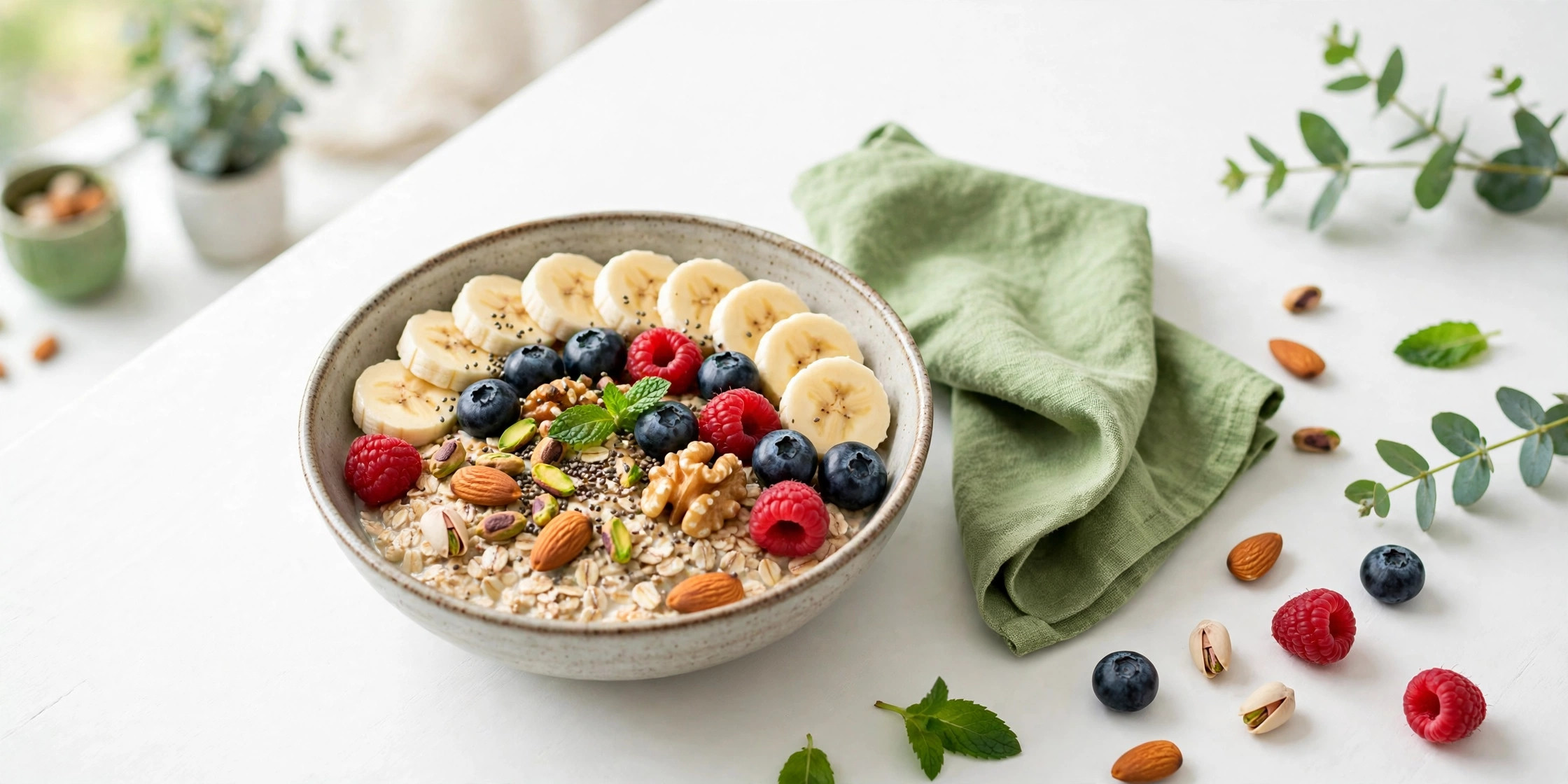
Direct answer: Eat a balanced, easy-to-digest meal or snack rich in carbohydrates with a moderate amount of protein 30 minutes to 3 hours before exercise, and drink water beforehand. Good choices include oats with banana, toast with peanut butter, or yoghurt with fruit. Avoid heavy, high-fat, or very high-fibre meals close to training, as they can cause discomfort and slow digestion.
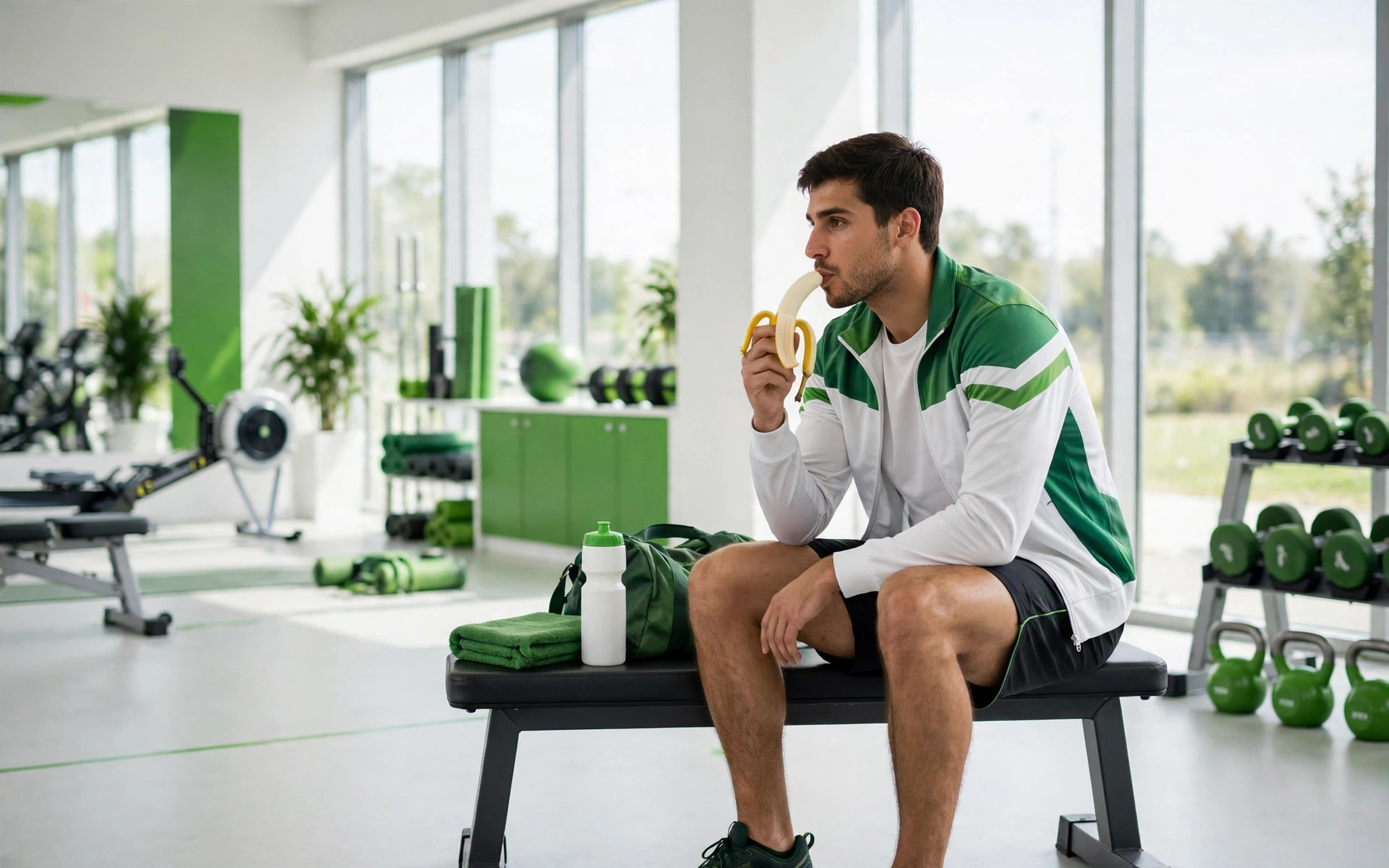
What you eat before a workout can decide whether a session feels strong and focused or heavy and flat. Pre-workout nutrition is not about supplements or strict rules — it is about giving your body usable fuel at the right time. Carbohydrates provide quick energy, protein supports muscle maintenance, and water keeps the session feeling easier.
What Is Pre-Workout Nutrition and Why It Matters
Pre-workout nutrition means the food and drink you consume in the hours before exercise. Its jobs are to top up your energy stores and prevent hunger or stomach discomfort during training. Train after a long gap without food and you may feel low on energy; eat too much, too close to training, and digestion can leave you feeling sluggish.
The right approach depends on:
- When you train. An early morning session after an overnight fast differs from an evening session after lunch.
- The type of exercise. A gentle walk needs far less fuel than a long run, a heavy strength session, or a high-intensity class.
- Session length. Workouts under 45 minutes usually need only a light snack, if anything, while longer sessions benefit from a fuller meal earlier.
- Your own digestion. Some people tolerate food close to training easily; others need a longer gap.
There is no single perfect pre-workout meal for everyone. Aim for a simple, repeatable pattern that leaves you energised and comfortable. If you are unsure how much energy your training requires, the BMR and TDEE calculator can estimate your daily energy needs, and the calorie calculator can put your meals into context.
Pre-Workout Nutrition Timing: When to Eat Before Exercise
As a general guide, larger meals need more time to digest, while smaller snacks can be eaten closer to training.
Two to three hours before exercise
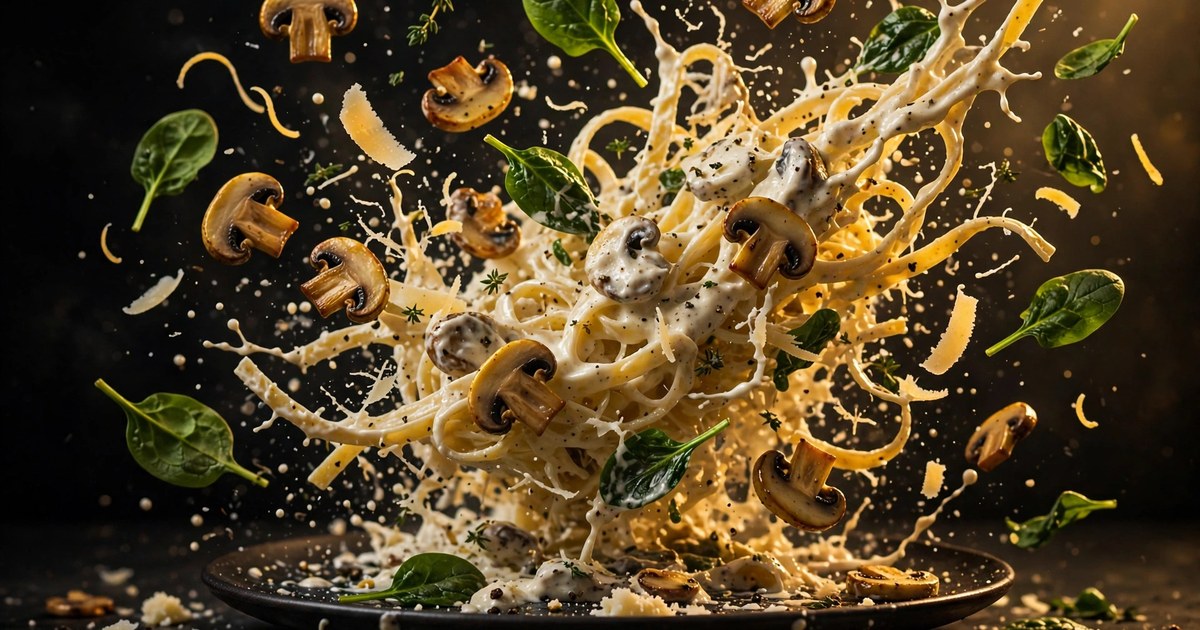
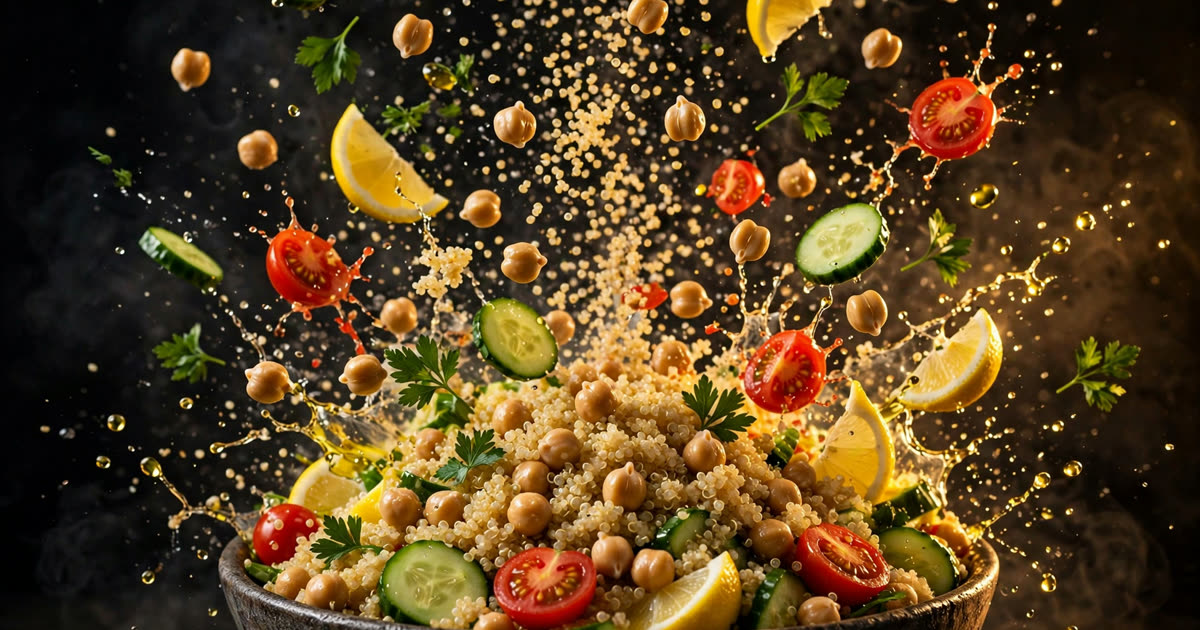
This is the best window for a balanced, regular-sized meal. Include carbohydrates as the main fuel, a moderate amount of protein, and only a small amount of fat and fibre. Examples include chicken or tofu with rice, oats with yoghurt and banana, a sandwich with a lean filling plus fruit, or pasta with a light tomato sauce.
30 to 60 minutes before exercise
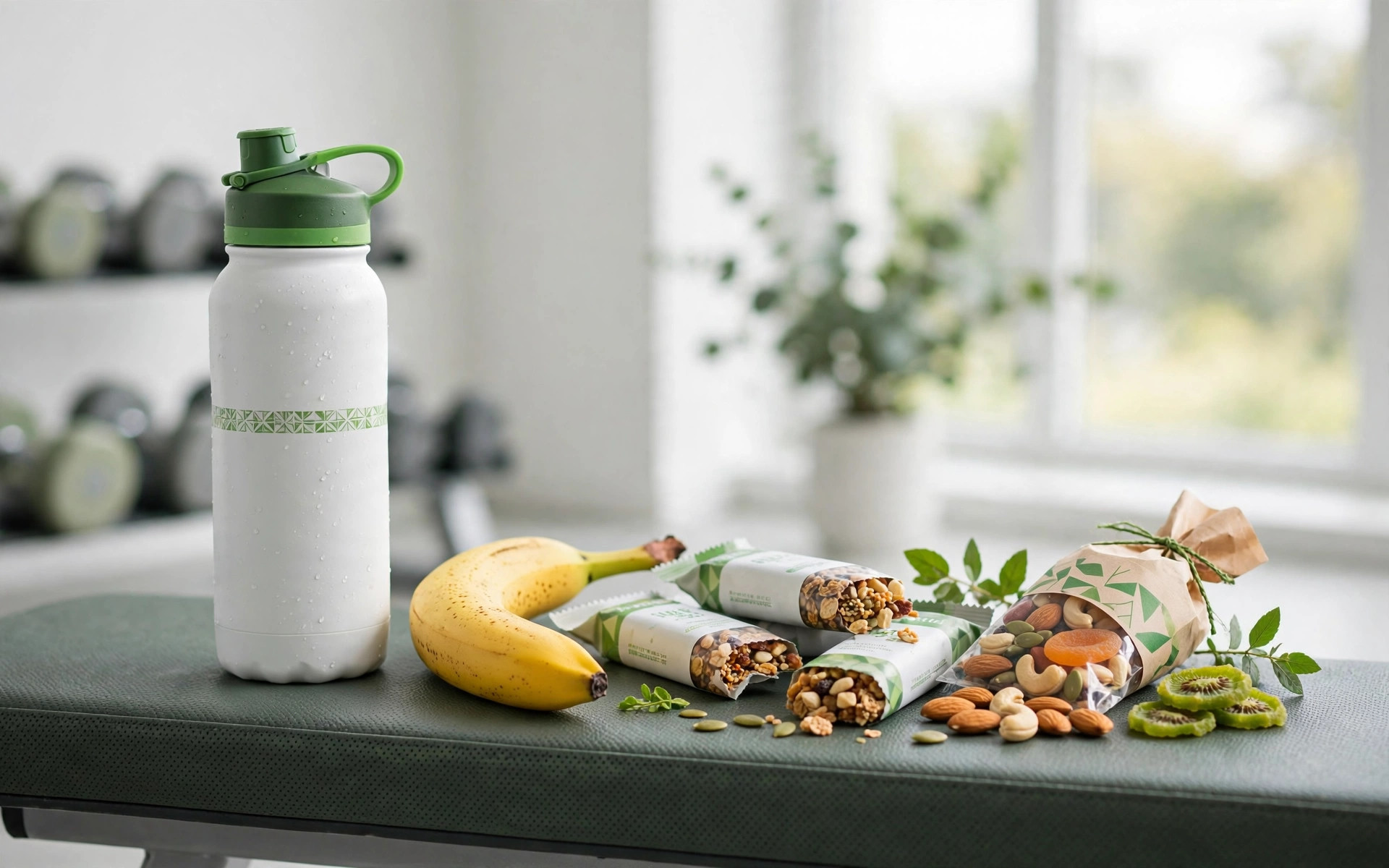
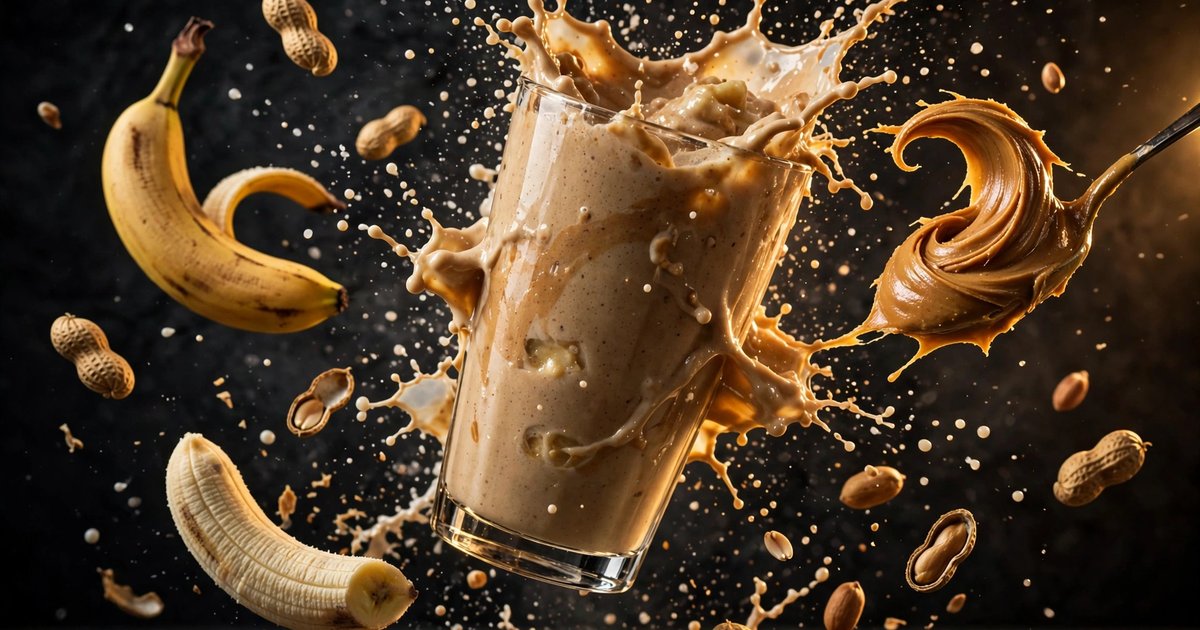
If you only have a short window, keep it small, simple, and low in fat and fibre: a banana, a small bowl of cereal with milk, toast with jam or peanut butter, or a small yoghurt with fruit. Stick to foods you know agree with you, and if you train first thing in the morning, even a banana and a glass of water are better than nothing.
Pre-Workout Nutrition: Carbs, Protein and Hydration
Carbohydrates: your main fuel
Carbohydrates are broken down into glucose, which your muscles use for energy. Before exercise, easily digested carbohydrates are usually most helpful, especially for longer or more intense sessions. Oats, bread, rice, pasta, potatoes, fruit, and breakfast cereal are all reliable sources — just keep very high-fibre portions moderate in the final hour to avoid bloating.
Protein: support, not the star
Protein before a workout plays a supporting role. A moderate amount — yoghurt, milk, eggs, chicken, tofu, or a little cheese — helps muscle maintenance and keeps you satisfied. A very large, protein-heavy meal right before training can feel heavy; save larger portions for after training, as in our guide to post-workout nutrition: what to eat after exercise.
Hydration: start before you sweat
Do not wait until you are thirsty during a workout to start drinking. Drink water regularly in the hours before training, and have a glass with your pre-workout snack or meal. For most workouts under an hour, plain water is enough; only very long, sweaty sessions may call for an electrolyte drink. See also how much water you really need.
Pre-Workout Foods to Avoid
Some foods are best saved for after training. As a general rule, avoid these close to exercise:
- Very fatty meals such as fried food, creamy sauces, or large portions of fatty meat, which digest slowly.
- Very high-fibre meals such as large bowls of raw vegetables, beans, or bran right before training, which can cause gas and bloating.
- Very spicy foods if they tend to upset your stomach.
- Large volumes of food eaten within 30 minutes of intense exercise.
- Alcohol before training, which impairs coordination, hydration, and performance.
- Unfamiliar supplements or energy drinks you have never tried, especially before a competition or hard session.
This does not mean these foods are bad in general. Fat and fibre are important parts of a healthy diet overall; they are simply less helpful in the short window before exercise, when easy digestion matters most.
Fasted vs Fed Training: Which Is Better?
Fasted training means exercising without eating beforehand, usually first thing in the morning; fed training means eating a meal or snack before you train. Fasted training can suit short, gentle sessions such as a morning walk, especially if eating early makes you feel sick. For high-intensity, heavy, or long sessions, however, most people perform better after eating something.
If you prefer fasted training, keep the session moderate, drink water, and eat a balanced meal afterwards containing carbohydrates and protein. If you feel dizzy, shaky, or unwell, stop and eat. Beginners in particular should focus on a consistent, comfortable routine first.
Simple Pre-Workout Meal Ideas
Try oats with banana and milk or toast with peanut butter before morning training; a sandwich with a lean filling and fruit 2 to 3 hours before lunchtime training, or a small yoghurt 30 to 60 minutes before; and rice or pasta with lean protein before evening training. Keep portions realistic: finish eating feeling satisfied and light, not stuffed.
Key Takeaways
- Eat carbohydrates as your main pre-workout fuel, with a moderate amount of protein.
- Time it right: a full meal 2 to 3 hours before, or a small snack 30 to 60 minutes before.
- Drink water before training; do not wait until you are thirsty.
- Avoid heavy, fatty, very high-fibre, or unfamiliar foods close to exercise.
- Fasted training can suit short, gentle sessions, but most hard sessions feel better fed.
- Stick to foods you know, keep portions comfortable, and adjust based on your own experience.
Frequently Asked Questions
What should I eat 30 minutes before a workout?
Choose something small, light, and easy to digest, such as a banana, a slice of toast with jam, a small yoghurt, or a handful of dried fruit, plus water. Avoid large, fatty, or very high-fibre foods in this short window, as they are more likely to cause discomfort during exercise.
Should I eat protein before a workout?
A moderate amount of protein before training is helpful, but it is not the main priority. Carbohydrates provide the quick energy your muscles need, while protein supports muscle maintenance. A snack containing both, such as yoghurt with fruit or toast with peanut butter, covers both bases well.
Is it better to work out on an empty stomach?
It depends on the workout and on you. Short, gentle sessions can feel fine fasted, but high-intensity, heavy, or long sessions usually feel better after eating. If you feel weak, dizzy, or unable to train hard while fasted, a small snack beforehand is the better choice.
How much water should I drink before exercise?
Drink water regularly during the day and have a glass with your pre-workout meal or snack. There is no single amount that fits everyone, since needs vary with body size, weather, and sweat rate, but starting a session well hydrated is far better than starting thirsty.
What foods should I avoid before exercise?
Avoid very fatty or fried foods, very large meals, very high-fibre foods, alcohol, and anything new or unfamiliar close to training. These are more likely to digest slowly or upset your stomach. Save rich or heavy meals for after your workout instead.
Disclaimer: This article provides general information only and is not medical advice. If you have a health condition, dietary restriction, or specific training goal, talk to a qualified health professional before changing your diet.


Comments (0)
No comments yet. Be the first to share your thoughts!
Leave a comment