

Direct answer: Plain black coffee does not break a fast for most weight-loss purposes — it has almost no calories and does not meaningfully raise blood sugar or insulin. Adding sugar, milk, cream, honey or sweetened syrups does break a fast, because they add calories and nutrients.
For many, coffee is the hardest part of fasting to give up — and you probably do not have to. Drunk black, it fits most fasting plans, including 16:8. Problems start when it becomes a sweet drink, a milky latte, or high-calorie bulletproof coffee. Below: what "breaking a fast" means, what the evidence says, and the rules that keep your fast intact.
People fast for weight loss, blood sugar control, gut rest, or religious reasons — and the answer depends on why. For weight loss, calories are the main question; for other goals, it may be stricter. If you fast for medical reasons or take medication, talk to a doctor first.
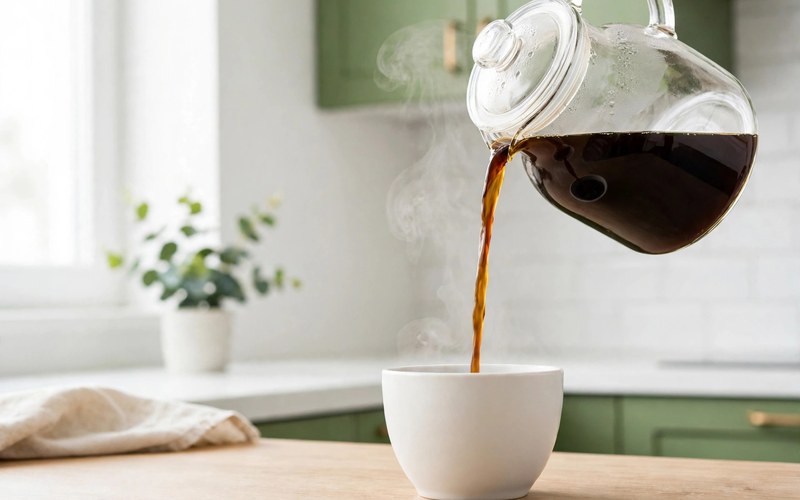 What Does "Breaking a Fast" Actually Mean?
A fast is broken by something that ends the fasted state — usually calories, especially from carbohydrate or protein, which raise blood sugar and insulin. That is why water, unsweetened tea and black coffee are treated differently from juice, milk or a snack.
There is no single agreed calorie limit for a broken fast. As a rule of thumb: under about 5 calories is unlikely to matter for weight loss, while over about 50 almost certainly breaks a fast. Black coffee, at roughly 2 calories a cup, sits at the low end. A splash of milk is a grey area; a spoonful of sugar or a full latte is clearly a break.
A few calories may not undo weight-loss progress, but they do technically end a strict fast. If your goal is autophagy — the cellular clean-up process — the rules are less clear, as most research has been done in animals, not people.
Does Black Coffee Break a Fast?
For most people fasting for weight loss, plain black coffee does not break a fast. With almost no calories, sugar or protein, it does not meaningfully raise blood sugar or insulin — and many find it eases fasting, reducing hunger and aiding morning alertness.
Caffeine can also slightly increase energy expenditure and fat oxidation. That does not mean coffee burns fat alone, or replaces a balanced diet and movement — but black coffee is not working against a weight-loss fast. Log your morning coffee in the NutriCounter nutrition tracker to see how milk or sugar changes the total.
The key word is "black": a teaspoon of sugar adds about 16 calories, a tablespoon of cream about 20. Small alone, they still turn coffee from "almost calorie-free" into "a small snack" — a break for a strict fast.
What about decaf coffee?
Decaf black coffee follows the same rule: also almost calorie-free, it does not break a weight-loss fast. If you are caffeine-sensitive or fast in the evening, decaf — kept black and unsweetened — is a good option.
What DOES Break a Fast?
These additions and drinks break a fast:
- Sugar, honey and syrups: Even one spoonful adds calories and raises blood sugar. Sweetened coffee drinks and flavoured lattes are meals in a cup, not fasting drinks.
- Milk and cream: Milk contains lactose (a natural sugar) plus protein. A small splash is a grey area, but a milky latte or large pour of cream clearly breaks a fast.
- Bulletproof coffee: Coffee with butter or coconut oil can contain several hundred calories. It may keep you full, but it is not fasting — it is a high-fat meal.
- Sweetened creamers and oat-milk lattes: Many plant milks and flavoured creamers contain added sugar. If the label lists sugar or more than a few calories per serving, it breaks a fast.
- Artificial sweeteners: Zero-calorie sweeteners add no calories, so they do not break a fast in the calorie sense. Some avoid them because they may increase cravings, but evidence of a major metabolic effect is limited.
A useful test: "Would I log this as food?" If yes, it probably breaks your fast. Check the NutriCounter meal log — if an ingredient adds meaningful calories, protein or carbohydrate, it counts.
Coffee During Fasting: Appetite, Energy and Autophagy
Appetite
Many find coffee reduces hunger for a few hours — caffeine may affect appetite hormones, and the warm drink can be comforting. But if it makes you hungrier later, or upsets an empty stomach, it may not be helping you, even if it does not technically break your fast.
Energy and focus
Caffeine blocks adenosine, a chemical that makes you feel sleepy, so coffee can improve alertness — welcome during a fast, especially in the morning. But it is no substitute for sleep. If you rely on coffee to get through every fast, check your sleep and eating-window intake.
Autophagy — what we know and what we do not know
Autophagy is how cells clear out damaged parts and recycle them. Some animal studies suggest coffee compounds may support it, others that calories could reduce it. Honestly, we have no clear human evidence either way — most research is animal- or cell-based. If autophagy is your main goal, a strict water-only fast, discussed with a healthcare professional, is safest.
 Coffee and Intermittent Fasting Schedules
Black coffee fits the most common fasting schedules:
- 16:8: Fast 16 hours, eat within 8. Black coffee in the morning is widely used here. See our 16:8 intermittent fasting beginner's guide for a full plan.
- 14:10: A gentler 14-hour fast. Black coffee works the same way.
- 5:2: Eat normally five days, very little on two. Black coffee is usually fine on low-calorie days, but check your plan's rules.
- Alternate-day fasting: Fasting days are stricter — if your plan allows only water, black coffee may not be allowed.
Timing matters too: caffeine has a long half-life, so late-day coffee can disturb sleep. Drink it in the morning, then switch to water or herbal tea — good sleep supports weight loss more than an extra cup.
Practical Rules for Fasting Coffee Drinkers
These simple rules cover most situations:
- Drink it black. No sugar, milk, cream, honey or flavoured syrup.
- Keep it simple. Plain filter coffee, espresso, Americano or cold brew are fine. Avoid sweetened iced coffees and flavoured lattes.
- Watch the amount. One to two cups in the morning is enough for most people; more can increase anxiety, stomach discomfort and sleep problems.
- Drink water too. Coffee does not replace water — drink water alongside it, especially on long fasts.
- Listen to your stomach. If black coffee on an empty stomach causes reflux, nausea or pain, drink it with your first meal instead, or switch to a gentler brew.
- Stop early. Avoid caffeine at least 8 hours before bed, or earlier if you are sensitive.
- Break your fast with real food. When your eating window opens, choose a balanced meal with protein, fibre and vegetables — not another coffee.
Who Should Be Careful With Coffee While Fasting?
Coffee is safe for most healthy adults in moderation, but some people should be more careful while fasting:
- Poor sleep or anxiety: Caffeine can worsen both. If you feel jittery or restless, cut back.
- Stomach sensitivity or acid reflux: Coffee on an empty stomach can increase acid and discomfort.
- High blood pressure: Caffeine can temporarily raise blood pressure — check with your doctor if you have it or take medication for it.
- Pregnancy or breastfeeding: Caffeine limits are lower in pregnancy. Ask a healthcare professional what is safe for you.
- Medication: Some medicines interact with caffeine or should be taken with food. If in doubt, ask a doctor or pharmacist.
Fasting is not suitable for everyone, including children, teenagers, people with a history of eating disorders, and people with certain conditions. If you feel dizzy, very weak, unwell or unusually hungry, break the fast and eat.
Key Takeaways
- Plain black coffee is almost calorie-free and does not break a fast for most weight-loss purposes.
- Sugar, milk, cream, honey, syrups and bulletproof coffee DO break a fast — they add calories.
- Coffee may help hunger and focus, but human evidence on autophagy is still limited.
- Keep coffee black, limit it to one or two cups in the morning, drink water with it, and stop caffeine well before bed.
- With a medical condition, medication, or feeling unwell while fasting, talk to a healthcare professional.





Comments (0)
No comments yet. Be the first to share your thoughts!
Leave a comment