
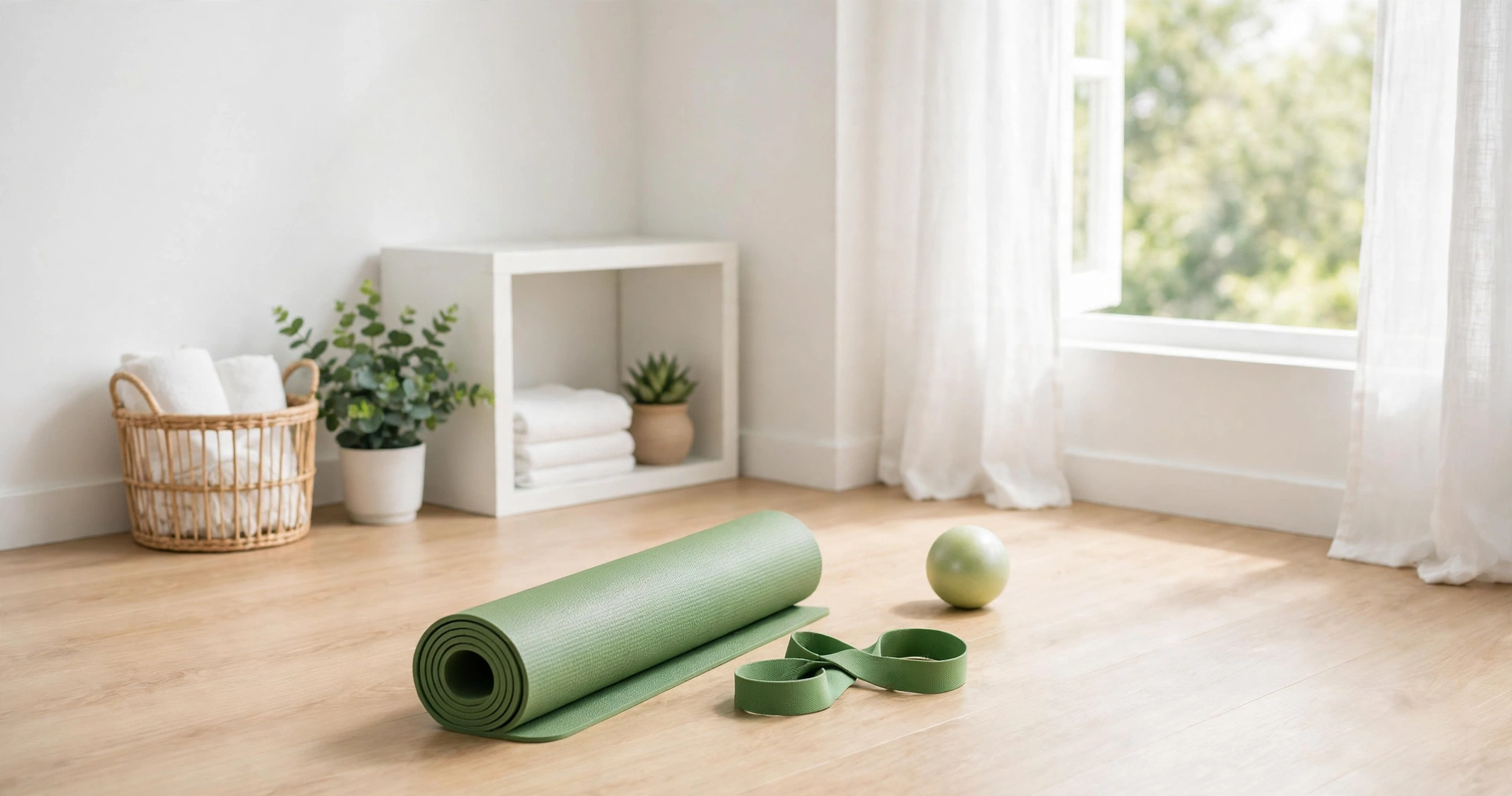
Short answer: yes — Pilates can support weight loss, but not by burning huge amounts of calories in one session. A moderate Pilates session burns fewer calories than running, but it builds core strength and lean muscle that support fat loss over time. Combined with sensible eating and movement, it is a gentle, joint-friendly way to get stronger and leaner.
Pilates was created nearly a century ago by Joseph Pilates: controlled, precise movements built around the core — the deep muscles of the abdomen, back, and pelvis. Every exercise pairs movement with breathing, so you build strength, flexibility, and balance together, without pounding your joints.
 What Is Pilates?
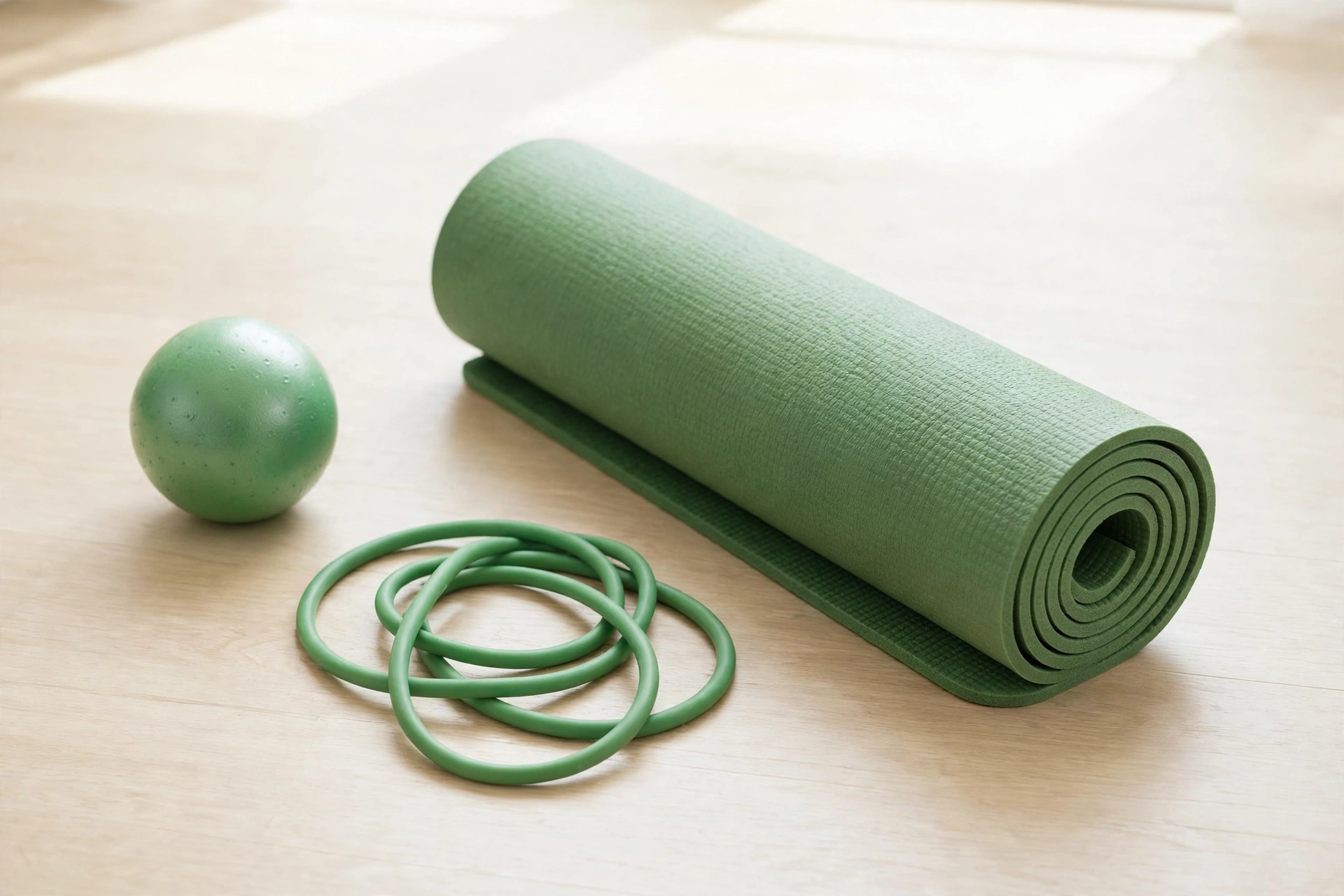
At its heart, Pilates is about control: slow, deliberate movements done with full attention to posture and alignment. There are no jerky motions or heavy weights — resistance comes from your own body weight, springs on a machine called a reformer, or small props such as bands and balls.
A typical session lasts 20 to 60 minutes and works the whole body, with special attention to the core — the "powerhouse", the muscles around your middle that support every move, from lifting shopping bags to climbing stairs. That focus on the centre of the body is what sets Pilates apart.
Mat vs Reformer: What's the Difference?
Mat Pilates uses only a mat and your body weight. It is the simplest place to start: just a mat, and easy to do at home with a video or online class. Reformer Pilates uses a sliding bed with springs that add resistance and support. The machine helps you find the right alignment, making some exercises easier and others harder.
TypeWhat you needBest for beginners Mat PilatesJust a matYes — the easiest place to start Reformer PilatesA reformer machine, usually in a studioYes — with an instructor to guide you
Neither is better — they are two ways of doing the same exercises. Most beginners start with mat Pilates at home, then try a reformer class later for variety.
Does Pilates Burn Enough Calories to Lose Weight?
Here is the honest answer: Pilates is not the biggest calorie burner — a moderate session burns fewer calories than running, cycling, or a fast swim. As a rough estimate, a 45-minute beginner mat session may burn roughly 150–250 calories, depending on your weight and intensity. Treat that as a ballpark figure, not a precise measurement.
That does not mean Pilates fails at weight loss. Weight loss comes from a sustained calorie deficit — using more energy than you take in over weeks and months. Our BMR and TDEE calculator shows your daily calorie needs, and our Exercise Log tracks your workouts. Pilates contributes to the deficit, and it does something running cannot: it builds lean muscle and a strong core.
Lean muscle matters because muscle tissue uses more energy than fat tissue, even at rest. The more muscle you carry, the more calories your body burns just keeping you going. Pilates also improves posture and body awareness, making everyday activities — walking, lifting, playing with your children — easier and more comfortable.
How Pilates Supports Weight Loss
Pilates helps weight loss in ways that go beyond the calories of one session:
- It builds lean muscle. Slow, controlled resistance work tones the arms, legs, and core, and lean muscle raises your daily energy burn.
- It improves posture. A stronger core pulls your shoulders back and your spine into alignment, so you stand taller and move more efficiently.
- It builds body awareness. Paying close attention to how you move helps you notice hunger, fullness, and tension — and make better food choices.
- It is gentle on your joints. The low-impact movements are kind to knees, hips, and ankles, so you can exercise regularly without pain stopping you. Our low-impact workouts guide has more gentle ideas.
- It builds a habit you keep. Because Pilates is calm and enjoyable rather than exhausting, many people stick with it for years — and consistency is what weight loss really depends on.
Pilates vs Yoga: Which Is Better for Weight Loss?
Pilates and yoga are often confused, but they differ. Yoga flows through poses, focusing on flexibility, breathing, and mindfulness, while Pilates focuses on core strength, control, and precise movement. Both are gentle and low-impact, and both support weight loss with sensible eating. If you enjoy yoga, our yoga for weight loss guide explains how to begin — many people do Pilates twice a week and yoga once a week.
 A Simple Beginner Pilates Routine (20 Minutes)
You need no reformer or studio to start. This gentle mat routine takes about 20 minutes — move slowly, breathe steadily, and stop if anything hurts.
- The Hundred (modified). Lie on your back, knees bent, feet flat. Lift your head and shoulders slightly, reach your arms long by your sides, and pump them in small movements, breathing in for five counts and out for five — 5–10 breath cycles.
- Glute bridge. Lie on your back, knees bent, feet hip-width apart. Press through your heels to lift your hips into a straight line from shoulders to knees. Squeeze your glutes at the top, then lower slowly — 10 times.
- Single-leg stretch. Lie on your back, head and shoulders lifted. Bring one knee to your chest while the other leg extends long. Switch legs slowly, keeping your lower back pressed into the mat — 8 switches per side.
- Chest lift. Lie on your back, knees bent, hands behind your head. Breathe out, lifting head and shoulders with elbows wide. Breathe in as you lower down — 10 slow repetitions.
- Side-lying leg lift. Lie on one side, legs stacked, head on your lower arm. Lift your top leg slowly, keeping it straight, then lower with control — 10 lifts, then switch sides.
- Spine stretch forward. Sit tall, legs straight, feet flexed. Reach forward and round your upper back as you fold gently over your legs, then roll back up tall — 5 times.
Rest a few breaths between moves, and repeat the sequence twice if you feel comfortable. Two or three sessions a week is a great start — log each one in our Exercise Log to track your progress.
How to Start Pilates as a Beginner
- Start with a class or a beginner video. A qualified instructor, in person or online, helps you learn correct form before bad habits settle in.
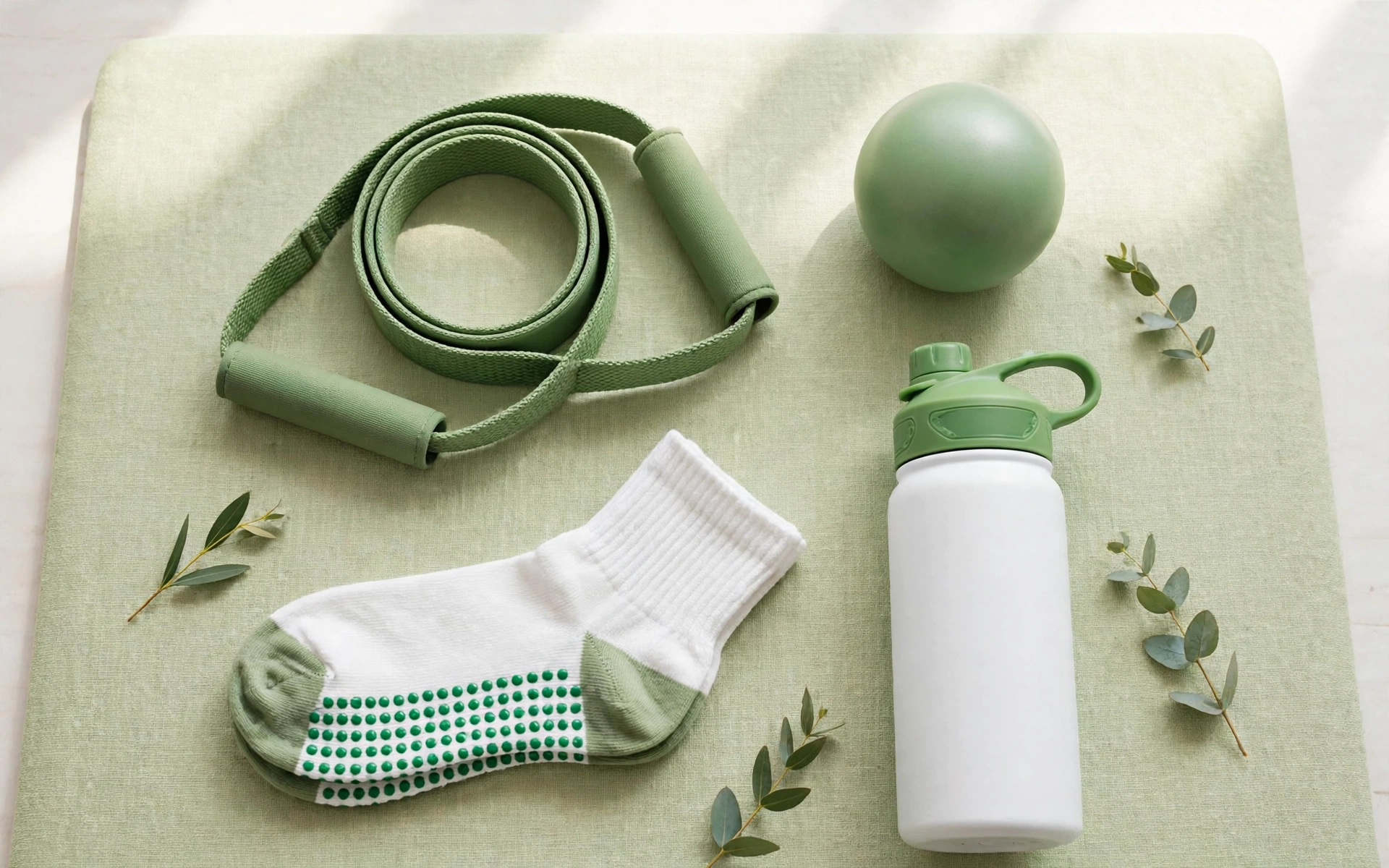
- Wear comfortable clothes. Pilates is usually done barefoot or in grip socks on a mat — you need nothing special.
- Learn the breathing first. Breathe out on the effort and in on the return — it gets easier every session.
- Keep sessions short at first. Twenty minutes, two or three times a week, builds strength without soreness.
- Go slowly and focus on form. Small, controlled movements done well beat big, rushed ones.
- Be patient. The first sessions feel strange, but most people notice better posture and a stronger core within weeks.
Who Should Be Careful
Pilates is gentle and safe for most people, but a few groups should take extra care:
- People with back problems or a slipped disc: Some forward bends may not suit you — ask your doctor or physiotherapist first.
- People who are pregnant: Pilates can help in pregnancy, but only with a qualified prenatal instructor and your doctor's approval.
- People with osteoporosis: Avoid deep twists and heavy forward bends unless your doctor says they are safe.
- People recovering from surgery or an injury: Wait until your doctor clears you, and start with one-to-one sessions.
If any movement causes sharp pain, stop straight away. Mild muscle effort is normal; pain means rest — and if it continues, speak to a health professional.
Key Takeaways
- Pilates burns fewer calories than running, but builds core strength and lean muscle that support fat loss over time.
- Mat Pilates needs only a mat; reformer Pilates uses a spring machine in a studio — both suit beginners.
- Weight loss still needs a sustained calorie deficit — Pilates is a strong partner, not a magic solution.
- A simple 20-minute mat routine, two or three times a week, is enough to start.
- Learn breathing and form first, go slowly, and check with your doctor if you have a back problem or osteoporosis, or are pregnant.
Frequently Asked Questions
1. Does Pilates really help you lose weight?
Yes, it can help — but as a partner to sensible eating, not on its own. Pilates burns a modest number of calories per session, yet it builds lean muscle and core strength that support fat loss over time. Combined with a calorie deficit and regular movement, it is an effective, joint-friendly part of a weight loss plan.
2. Is mat Pilates or reformer Pilates better for weight loss?
Neither is clearly better — both burn a similar number of calories and build similar strength. Mat Pilates is cheaper and easier to start at home, while the reformer adds resistance and support that some people enjoy. Choose the one you will actually do regularly, because consistency matters far more than the equipment.
3. How many calories does Pilates burn?
As a rough estimate, a 45-minute beginner mat session may burn roughly 150–250 calories, depending on your weight and the intensity. More advanced or faster-paced classes burn more, but Pilates will always burn fewer calories than running or cycling. Its real value for weight loss is the muscle, posture, and strength it builds.
4. How often should beginners do Pilates?
Two or three sessions a week is a great starting point. Each session can be 20 to 30 minutes at first, building up to 45 or 60 minutes as you get stronger. Rest days between sessions help your muscles recover, and you can add walking or another gentle activity on the other days.
5. Can I do Pilates at home without equipment?
Yes — mat Pilates needs only a mat and a little floor space. A beginner video or online class helps you learn the moves safely, and a resistance band is a cheap addition when you want more challenge. Start with the simple routine in this guide and add new moves as your confidence grows.
6. Is Pilates better than yoga for weight loss?
They are similar in calorie burn, so the better choice is the one you enjoy more and will keep doing. Pilates focuses more on core strength and precise movement, while yoga leans more toward flexibility and mindfulness. Many people combine both — for example, Pilates twice a week and yoga once a week — and get the benefits of each.




Comments (0)
No comments yet. Be the first to share your thoughts!
Leave a comment