
Low-impact workouts are the smartest way for beginners to burn fat without hurting their joints: they keep at least one foot on the ground or support your weight in water, so knees, hips, and ankles take far less pounding than running or jumping. Done regularly, they burn calories and build fitness — without the pain that makes beginners quit.
 Key Takeaways
- Low-impact means less stress on joints, not less effective — steady movement still burns calories and builds fitness.
- Walking, cycling, swimming, and the elliptical are the best beginner-friendly low-impact cardio options.
- Gentle strength moves, including chair-assisted exercises, protect joints by building supporting muscle.
- Start short and easy, adding a little time or intensity each week — consistency beats intensity.
- Muscle effort and mild tiredness are normal; sharp or lasting joint pain is a warning sign, not progress.
What Are Low-Impact Workouts?
A workout is "low-impact" when it avoids hard, jarring landings. Running and jumping are high-impact: every step sends a shock through ankles, knees, and hips. Low-impact workouts replace that pounding with smooth movement — one foot stays on the ground while walking, the bike supports your weight while cycling, and water carries much of your weight while swimming.
Low-impact does not mean low-effort: a brisk hill walk, a steady swim, or a cycling session that leaves you breathing harder all raise your heart rate and burn calories. What changes is the wear and tear — and that matters, because the biggest barrier to fat loss is quitting after a few painful weeks. A routine your joints tolerate is one you can keep for months.
Fat loss still comes down to using slightly more energy than you eat. For a realistic starting point, try the BMR and TDEE calculator to estimate your daily energy needs.
Walking: The Best Place to Start
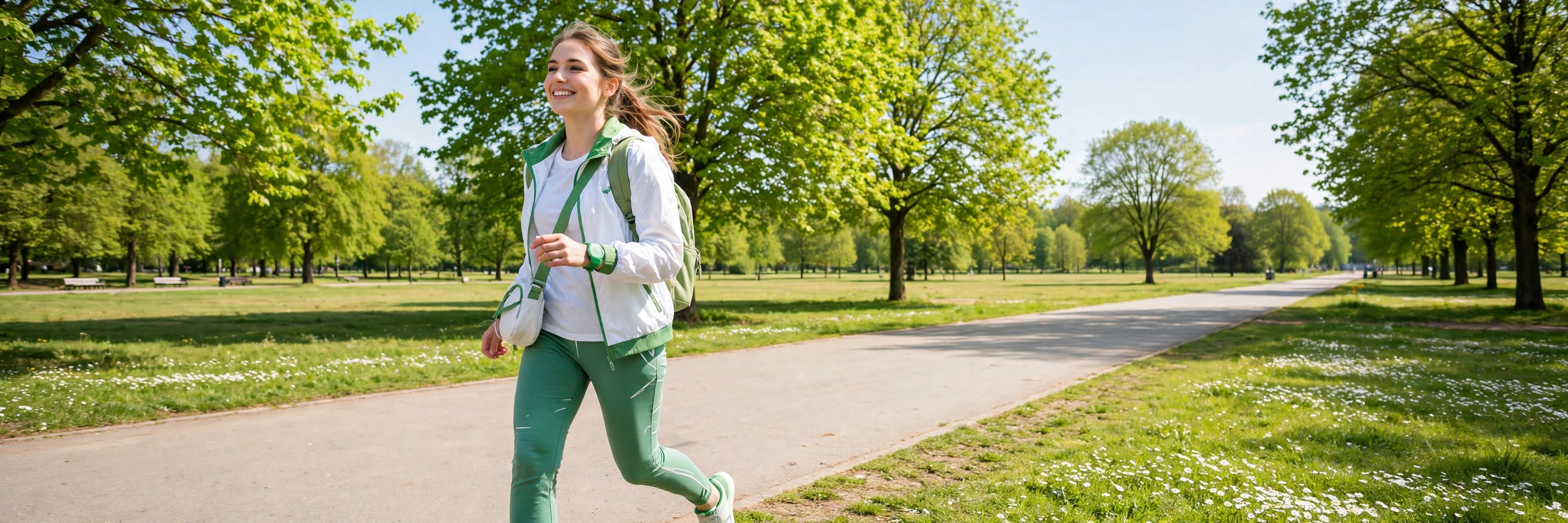
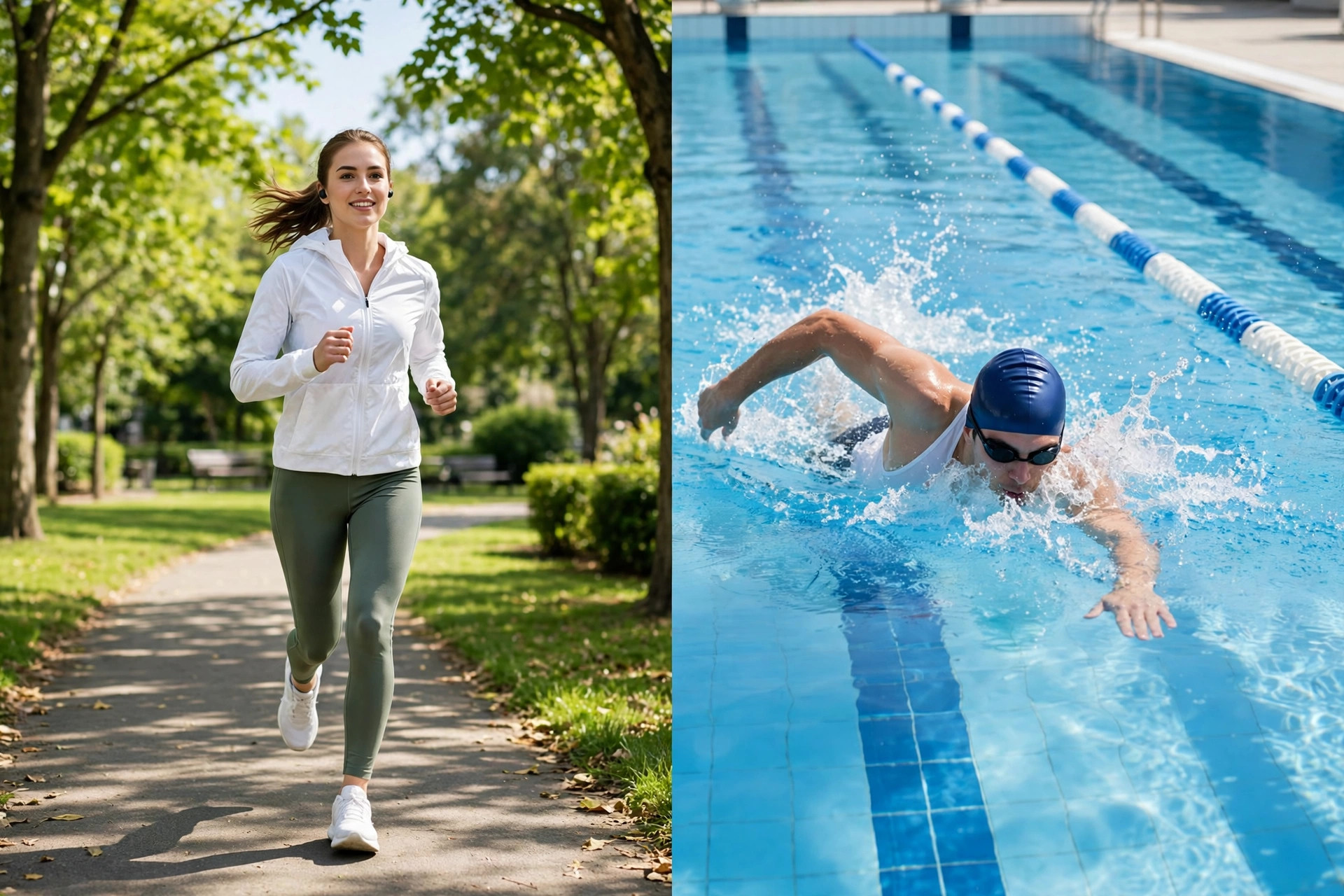
Walking is the most accessible of all low-impact workouts, and far more powerful than its reputation suggests. A brisk walk — fast enough that you can talk but not sing — burns a meaningful number of calories, improves heart health, and strengthens the legs without stressing the joints. Start with 15 to 20 minutes a day, adding about five minutes each week until you reach 30 to 45 minutes most days.
Small upgrades keep walking effective as you get fitter: gentle hills, a slightly faster pace, or two shorter walks instead of one long one. Comfortable, well-cushioned shoes matter more than any gadget. For a full starter plan, see our walking for weight loss beginners guide.
Cycling and Swimming: Easy on the Joints, Great for Fitness
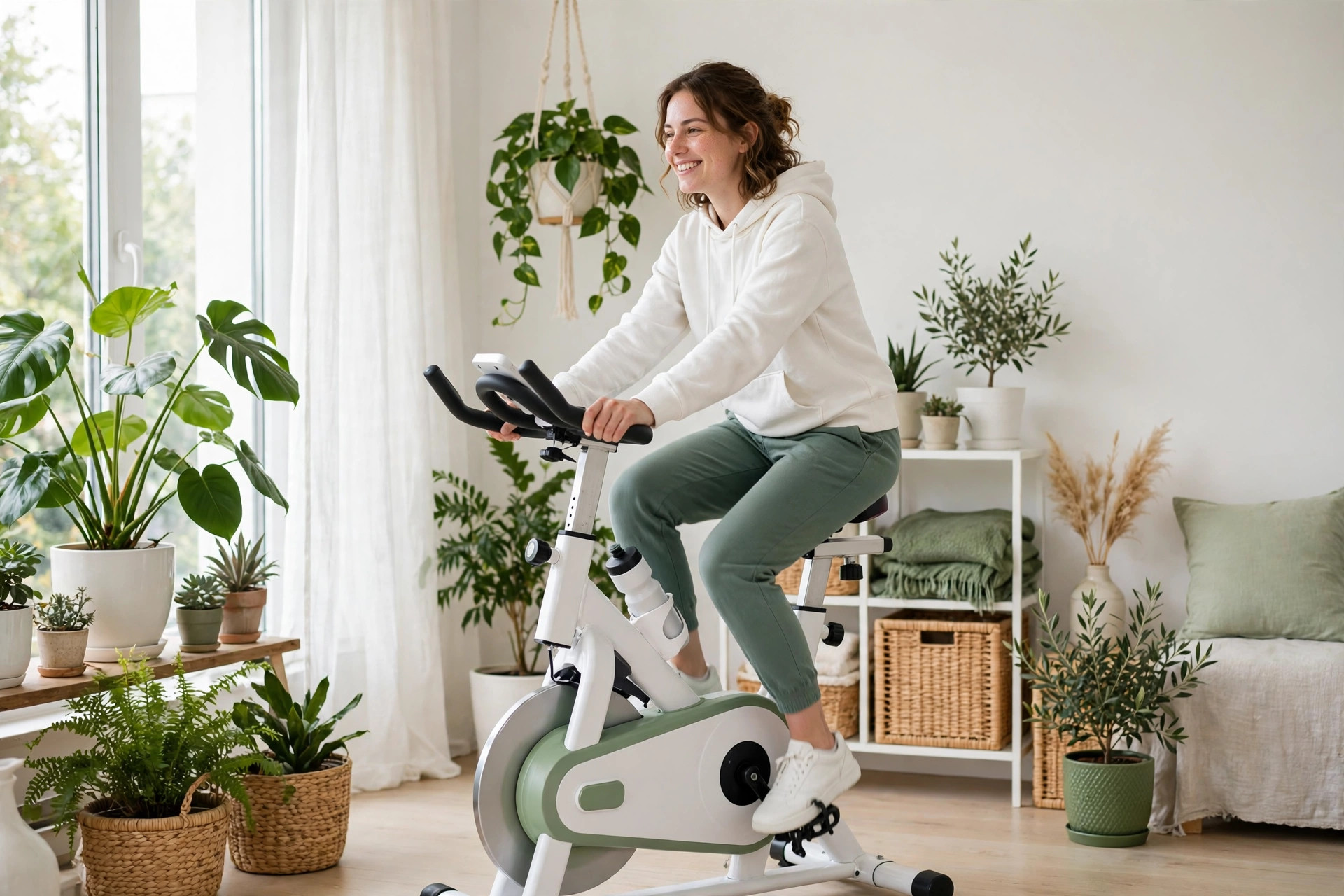
Cycling is superb for joints because the bike carries your weight. Outdoors, on a stationary bike, or in a gentle class, you can control resistance and pace precisely — ideal for beginners and anyone carrying extra weight. Aim for 20 to 30 minutes at a comfortable, steady pace, raising resistance slightly over the weeks rather than pedalling furiously from day one.
Swimming and water walking are even gentler, because water supports most of your body weight — excellent if your knees or hips already ache, or if you are returning after a long break. If you cannot swim, walking laps in the shallow end still counts, and counts well.
The Elliptical: A Gym Favourite for a Reason
The elliptical trainer mimics running without the impact: your feet never leave the pedals, so there is no landing shock, yet arms and legs both work. It suits anyone whose knees complain about the treadmill. Start with 15 to 20 minutes at low resistance, keep your posture tall, and avoid leaning heavily on the handles — your legs should do the work.
 Gentle Strength Moves That Protect Your Joints
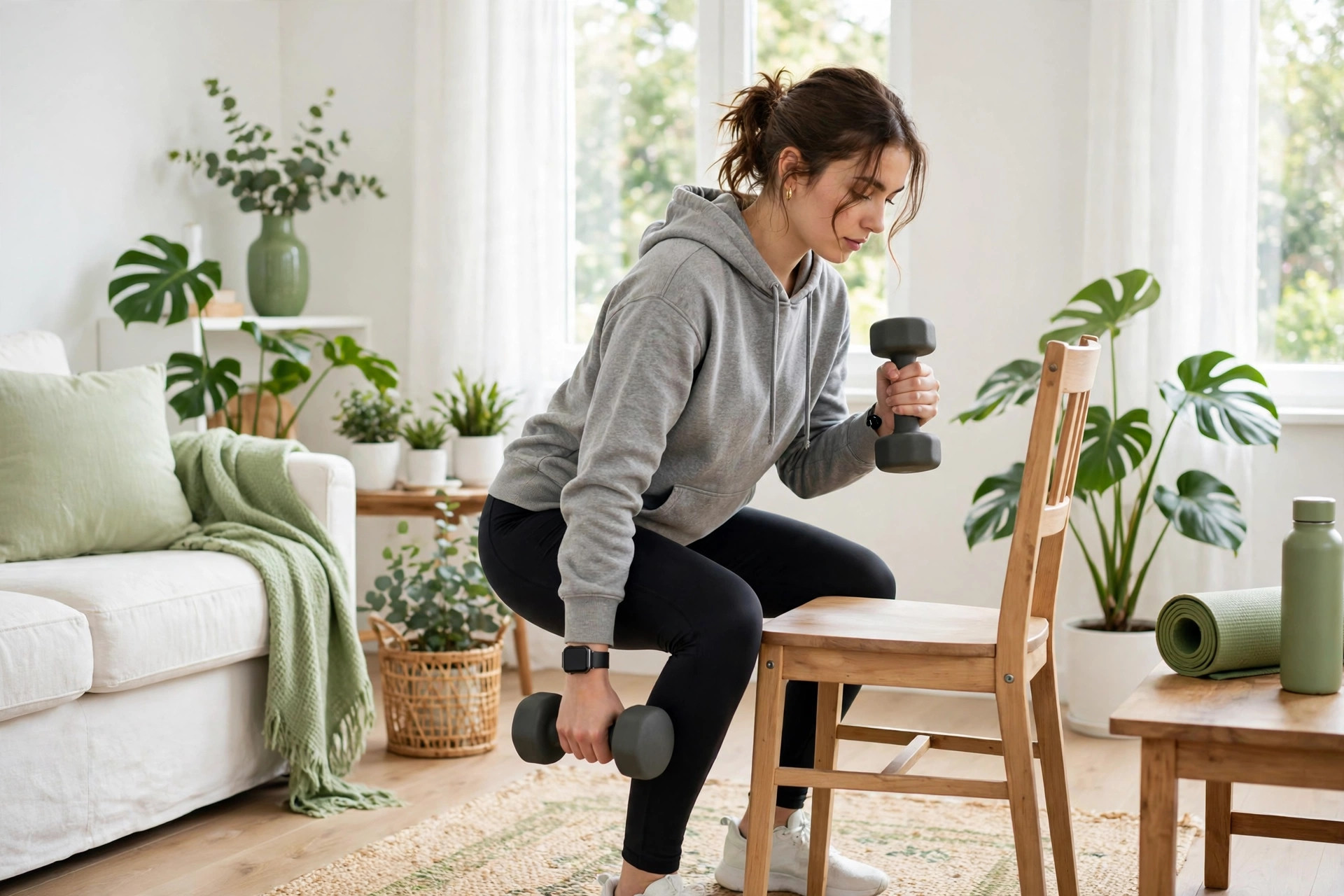
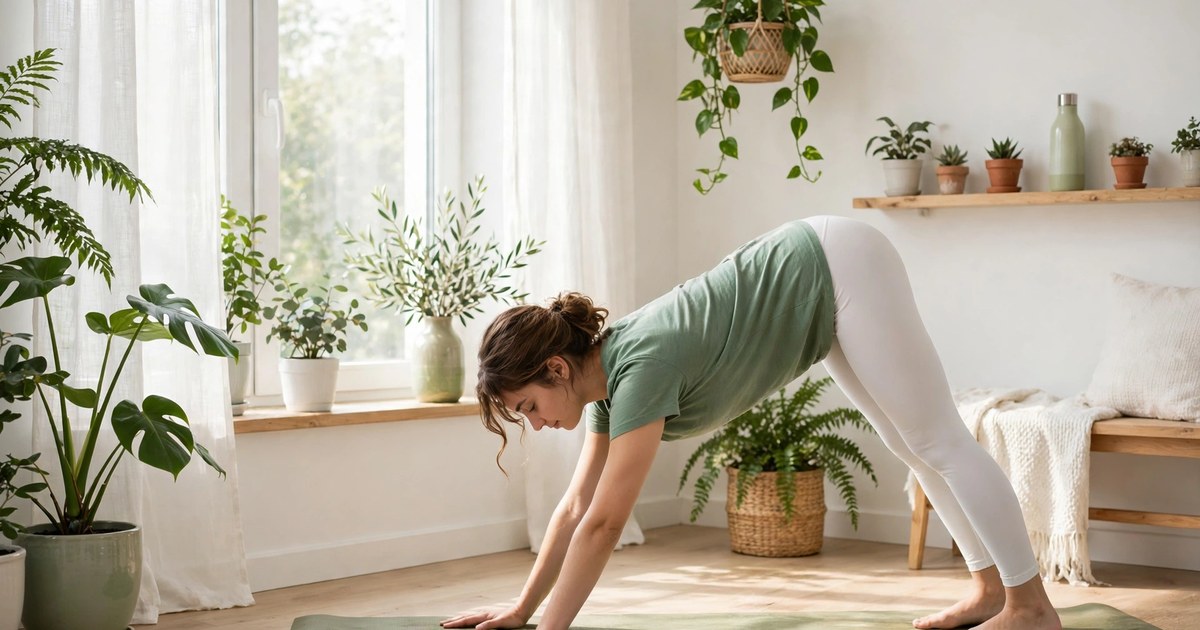
Cardio burns calories, but strength work is what protects your joints long-term: stronger muscles around the knee, hip, and ankle absorb load that would otherwise fall on cartilage and ligaments. Beginner strength work needs no gym or heavy weights. Try these joint-friendly moves two or three times a week, with a rest day between sessions:
- Chair-assisted squats: stand in front of a sturdy chair, lower yourself slowly until you just touch the seat, then stand back up.
- Wall push-ups: hands on a wall at shoulder height, step back, and bend your elbows slowly — much kinder than floor push-ups.
- Standing calf raises: hold a chair or countertop for balance, rise slowly onto your toes, then lower with control.
- Seated leg extensions: sitting tall, straighten one knee at a time and hold briefly — a gentle way to strengthen knee support.
- Glute bridges: lying on your back with knees bent, lift your hips slowly and squeeze your glutes.
Do two sets of 8 to 12 slow repetitions of each move, stopping if any causes sharp pain. For more ideas, see our home workouts with no equipment guide.
A Sample Beginner Week of Low-Impact Workouts
Here is a simple first week to repeat, adjusting as you get stronger.
- Monday: 20-minute brisk walk + gentle strength moves.
- Tuesday: rest or a slow 15-minute stroll.
- Wednesday: 20 minutes of cycling or elliptical at an easy pace.
- Thursday: gentle strength moves again.
- Friday: 25-minute walk, slightly brisker than Monday.
- Saturday: swimming, water walking, or a relaxed bike ride, 20 to 30 minutes.
- Sunday: full rest — recovery is part of the plan, not a break from it.
After two or three weeks, progress gradually: five more minutes of walking, one more strength set, or slightly higher cycling resistance.
How to Progress Without Hurting Yourself
The golden rule is to change only one thing at a time: duration, frequency, or intensity — never all three in the same week. If you walked 20 minutes three times last week, try 25 minutes three times this week, not 40 minutes five times. Muscles adapt faster than joints and tendons, so patience is genuinely protective.
Warm up for five minutes before every session — easy walking or slow cycling — and cool down with easy movement and light stretching.
Common Mistakes Beginners Make
- Doing too much, too soon — jumping from zero exercise to daily hour-long sessions is the fastest route to sore joints and burnout.
- Confusing pain with progress — muscle effort and mild tiredness are normal, but sharp, stabbing, or swelling joint pain is not.
- Skipping strength work — cardio alone burns calories, but weak supporting muscles leave joints unprotected.
- Skipping rest days — muscles and joints repair on rest days; training daily without recovery stalls progress.
- Copying high-impact routines — a friend's running or jumping programme is not yours. Low-impact done consistently beats high-impact done for two weeks.
Note: this article is general information only, not medical advice. Mild muscle soreness is normal, but sharp joint pain, swelling, or pain lasting more than a few days means stopping that activity and speaking to a doctor or physiotherapist.
Frequently Asked Questions
Do low-impact workouts really burn fat?
Yes. Fat loss comes from a sustained calorie deficit, and low-impact workouts help create it by burning calories and building muscle. Because they are joint-friendly, you can keep them up for months — and that consistency is what actually produces results.
How often should beginners do low-impact workouts?
Aim for three to five sessions a week: gentle cardio on most days, strength moves two or three times a week, and at least one full rest day. Start with 15 to 20 minutes per session and build up gradually.
Which low-impact workout is best for bad knees?
Swimming and water walking are usually kindest on knees because water supports most of your body weight. Cycling is another excellent choice since the bike carries your weight. Walking on flat, even ground is also fine for most people.
Can I lose weight with walking alone?
Walking alone can support weight loss with sensible eating, because it burns calories and is easy to sustain daily. Adding gentle strength work improves results by building muscle and protecting joints.
When should I stop a workout and see a professional?
Stop and seek advice if you feel sharp or stabbing joint pain, swelling, or pain lasting more than a few days. Mild muscle tiredness and next-day soreness are normal, but joint pain that changes how you walk needs a doctor or physiotherapist.



Comments (0)
No comments yet. Be the first to share your thoughts!
Leave a comment