
The glycemic index (GI) ranks carbohydrate foods from 0 to 100 by how quickly they raise your blood sugar. Low-GI foods (55 or less) digest slowly and give steadier energy, while high-GI foods (70 or more) spike blood sugar fast. Using GI helps you build balanced meals that keep you fuller for longer.
Have you ever eaten a big breakfast and felt hungry again an hour later, while a smaller meal of oats keeps you full all morning? The difference often comes down to the glycemic index — a simple ranking system that shows how fast the carbohydrates in a food raise your blood sugar. Understanding GI can help you choose foods that keep your energy steady, tame cravings, and support your health goals.
What Is the Glycemic Index?
The glycemic index is a scale from 0 to 100 that measures how quickly a carbohydrate-containing food raises blood sugar (glucose) after you eat it. Pure glucose — the sugar your body runs on — is the reference point and is assigned a value of 100. Every other carb food is compared against it.
Foods that break down quickly during digestion release glucose into your blood rapidly and score high on the index. Foods that digest slowly — usually because they contain fiber, fat, or protein alongside the carbs — release glucose gradually and score low.
How is GI measured?
In broad terms, GI values come from feeding tests in which volunteers eat a portion of a food containing a fixed amount of carbohydrate, and researchers track the rise in their blood sugar over the next couple of hours. The result is expressed as a number on the 0–100 scale. Because bodies and cooking methods differ, a food's GI can vary a little from test to test, so treat the numbers as a guide rather than an exact science.
How the Glycemic Index Scale Works
The scale is divided into three bands:
- Low GI (55 or less): digested slowly, causing a gentle, gradual rise in blood sugar. Examples include most vegetables, legumes, nuts, and intact whole grains like steel-cut oats.
- Medium GI (56–69): digested at a moderate pace. Examples include whole wheat bread, basmati rice, and sweet potatoes.
- High GI (70 or more): digested fast, causing a sharp spike in blood sugar followed by a quicker drop. Examples include white bread, cornflakes, and sugary drinks.
Remember that GI describes the speed of the blood sugar response, not how many calories a food has or how healthy it is overall. A candy bar and a baked potato can both score high, but they are very different foods nutritionally.
High vs Low GI Foods: Practical Examples
Here is how everyday foods tend to rank. Use this as a rough shopping guide, not a strict rulebook:
Lower glycemic index choices
- Oats, barley, and quinoa
- Lentils, chickpeas, and black beans
- Most fruits: apples, pears, berries, oranges, and grapefruit
- Non-starchy vegetables: broccoli, spinach, peppers, and tomatoes
- Nuts, seeds, and plain yogurt
Higher glycemic index choices
- White bread, bagels, and most crackers
- Cornflakes, puffed rice, and instant oatmeal
- White rice and regular potatoes
- Sugary cereals, candy, and soft drinks
- Watermelon and pineapple (healthy foods — GI is only one factor)
Notice that plenty of nutritious foods, like watermelon or carrots, sit higher on the scale. That does not make them "bad" — it just means they work best as part of a balanced meal, which brings us to the most useful part of this guide.
How to Use the Glycemic Index in Everyday Eating
You do not need to memorize GI tables to benefit from the concept. These five habits capture most of the value:
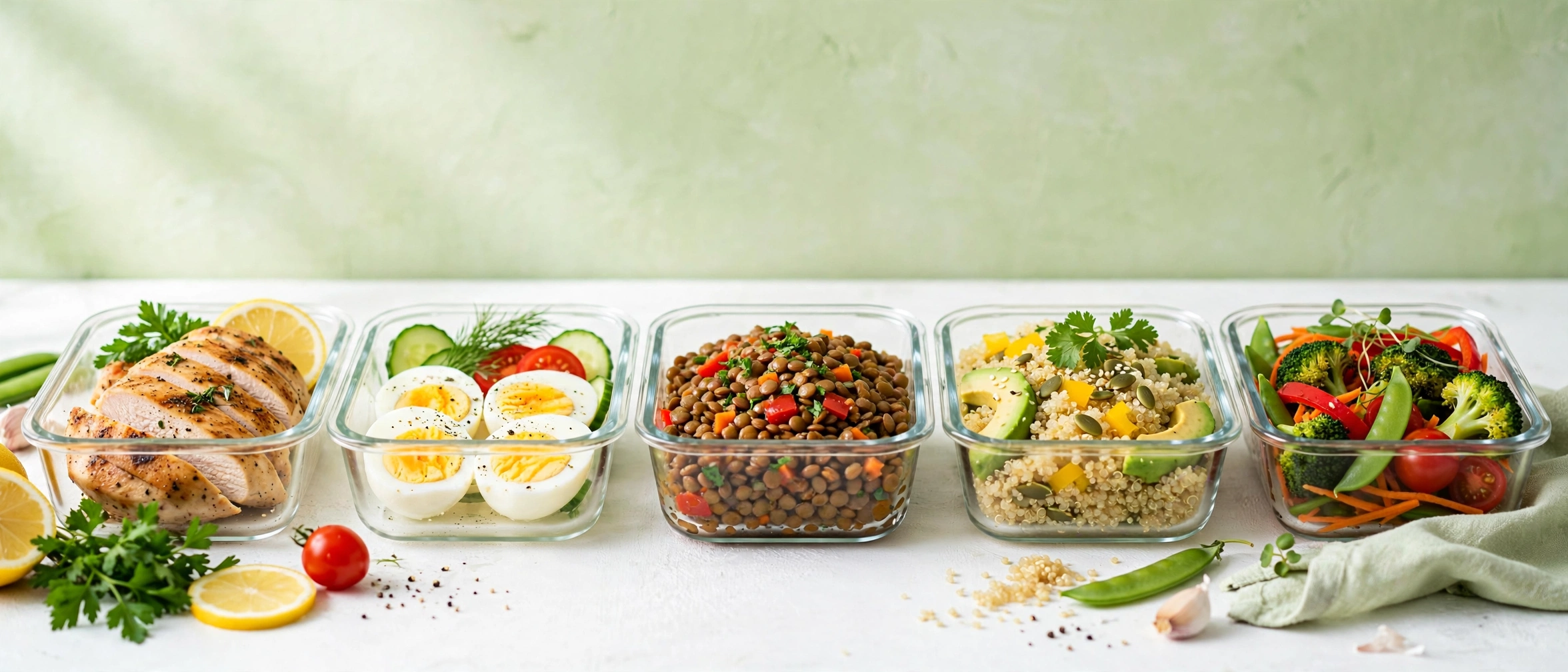
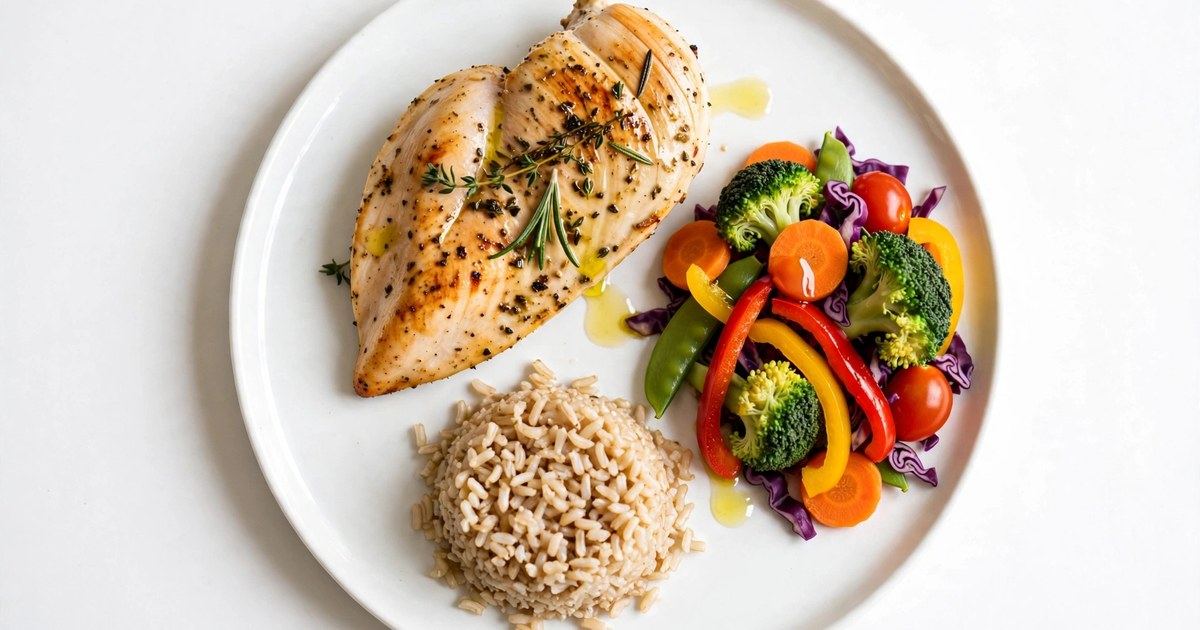
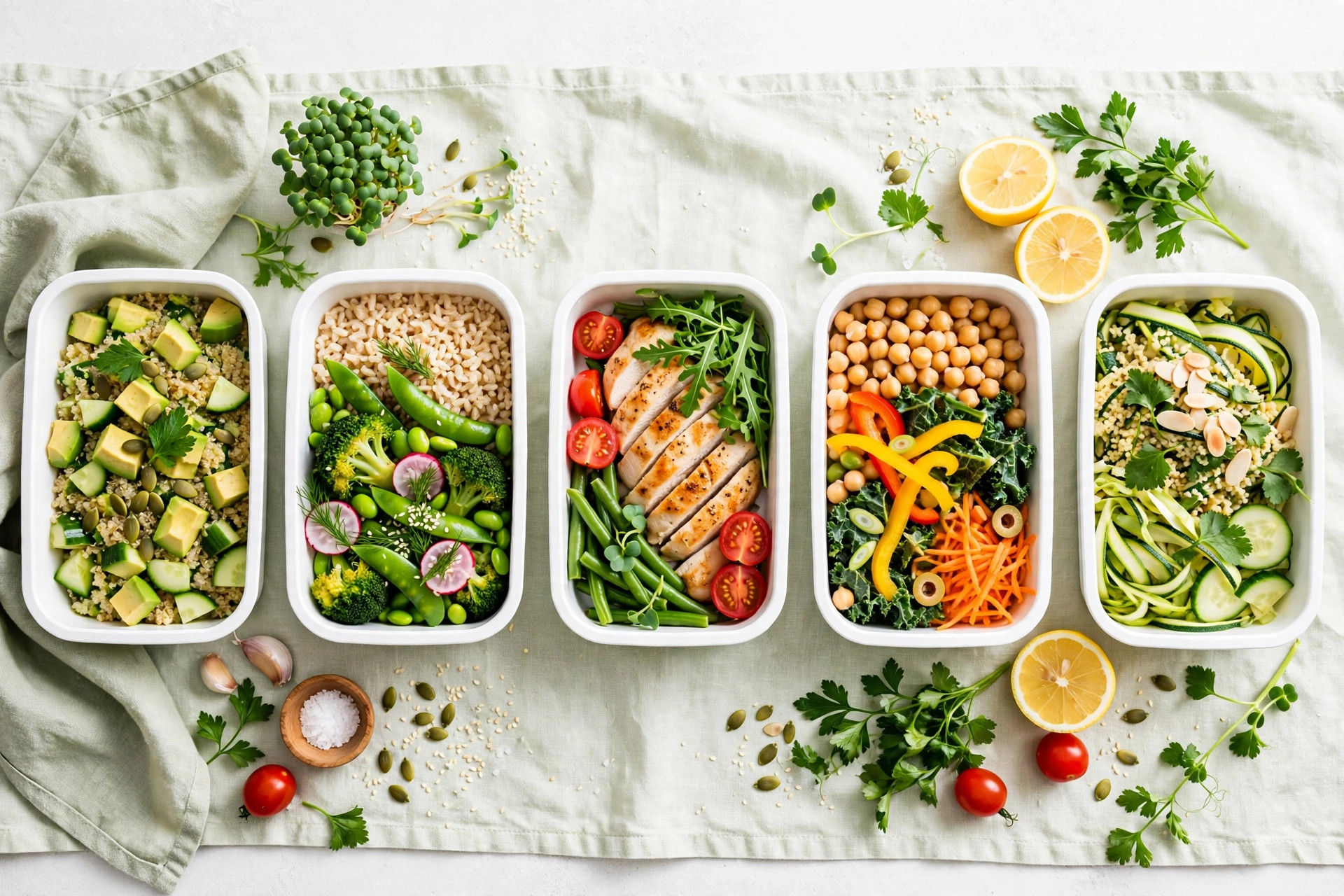
- Build balanced plates. Pair a higher-GI food with protein, healthy fat, or fiber. Beans with rice, or peanut butter on toast, blunt the blood sugar response of the whole meal.
- Choose intact over refined. Steel-cut oats beat instant oatmeal; whole fruit beats juice; brown or basmati rice beats sticky white rice. The less processed the grain, the slower it digests.
- Add fiber first. Starting a meal with vegetables or a small salad slows everything that follows. High-fiber foods are some of the most reliable low-GI choices you can make.
- Watch portions of high-GI staples. You do not have to give up bread or pasta — a reasonable serving alongside protein and veg behaves very differently from a huge bowl eaten alone. If you want a refresher on serving sizes, see our guide to portion control without counting calories.
- Think patterns, not single foods. Eating styles built around whole foods — like the Mediterranean diet — naturally land in the low-to-medium GI range without any tracking at all.
What about glycemic load?
Glycemic load (GL) is GI's practical cousin: it factors in how much carbohydrate a normal serving actually contains, not just how fast it digests. Watermelon has a high GI but a low GL, because a serving contains relatively little carbohydrate. For daily eating, combining both ideas is simple — favor low-GI foods, and keep servings of high-GI foods modest.
Key Takeaways
- The glycemic index ranks carb foods from 0 to 100 by how fast they raise blood sugar: 55 or less is low, 56–69 is medium, 70 or more is high.
- Low-GI foods digest slowly and tend to keep you fuller and more energized for longer.
- GI is a guide, not a verdict — portion size, cooking method, and what you eat alongside a food all change the real-world effect.
- The easiest win: pair carbs with protein, fat, or fiber, and choose less-processed whole foods most of the time.
- If you have diabetes or prediabetes, talk to your clinician before making big dietary changes — GI is a helpful tool, not a treatment plan.
A quick note: this article is general information, not medical advice. If you live with diabetes or another condition affected by blood sugar, please consult your clinician before changing how you eat.


Comments (0)
No comments yet. Be the first to share your thoughts!
Leave a comment