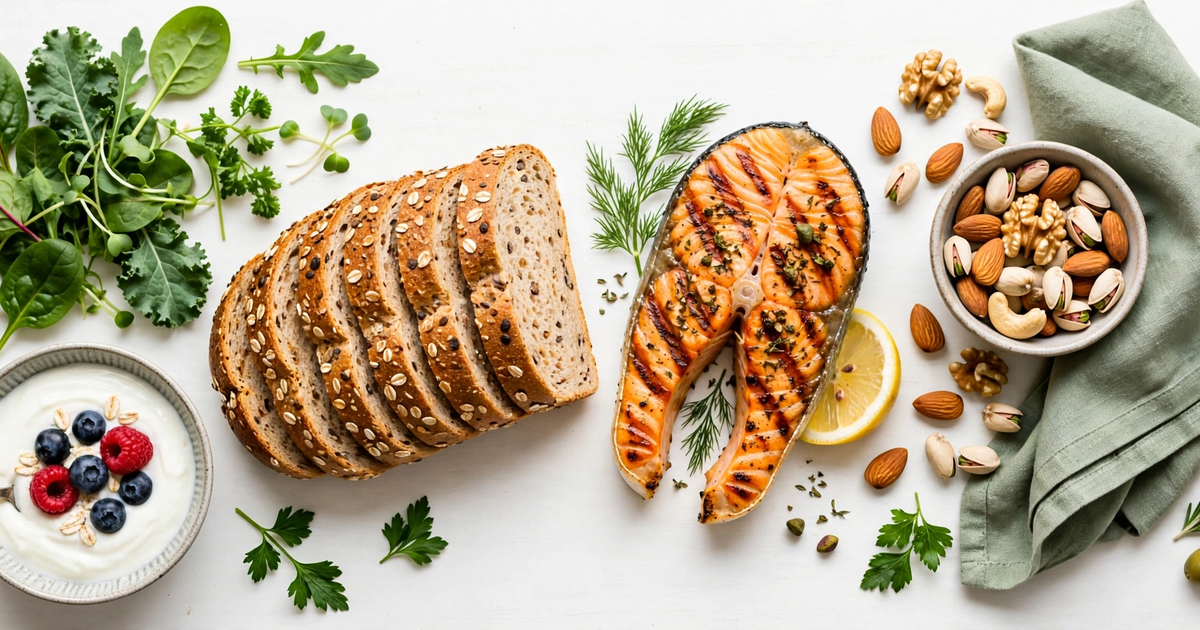
The DASH diet — Dietary Approaches to Stop Hypertension — is an eating plan rich in fruits, vegetables, whole grains, lean proteins, and low-fat dairy, and low in sodium, added sugars, and saturated fat. Tested in major clinical trials, it is one of the most proven ways to lower blood pressure naturally — and a strong all-round healthy eating pattern.
When doctors recommend a diet for high blood pressure, one name comes up more than any other: DASH. Unlike fad diets that promise miracles in 30 days, the DASH diet was built in research labs, tested in large trials, and has been recommended by heart-health organizations for decades. This beginner's guide explains what the DASH diet is, the science behind it, exactly what to eat and limit, and a simple plan for getting started this week.
What Is the DASH Diet?
DASH stands for Dietary Approaches to Stop Hypertension. It was developed in the 1990s by researchers funded by the U.S. National Institutes of Health, who wanted to test whether diet alone — without weight loss or medication — could lower blood pressure. The answer was a clear yes.
The DASH diet is not a rigid meal plan with branded products. It is a flexible eating pattern built around:
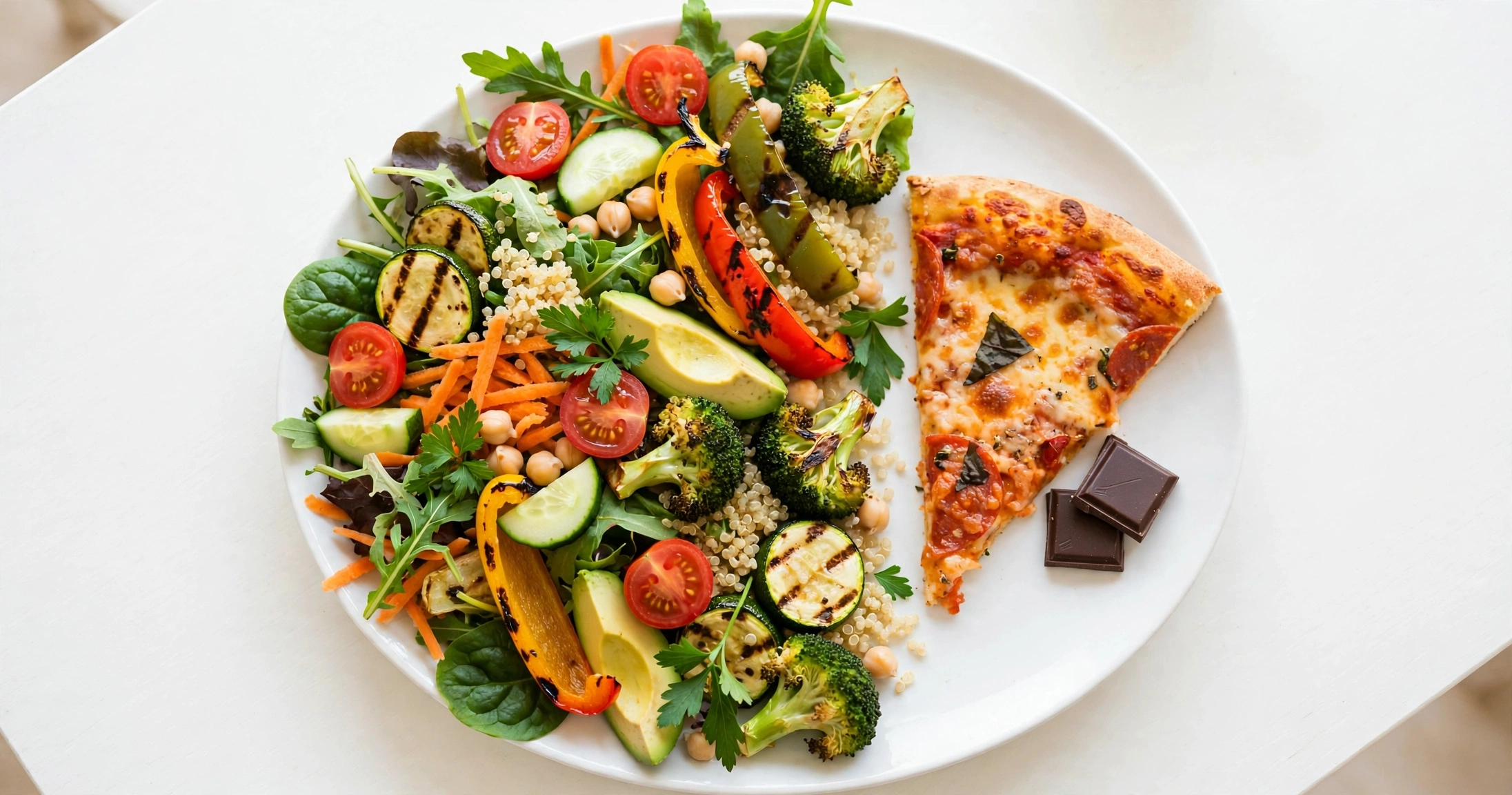
- Plenty of fruits and vegetables — about 4–5 servings of each per day
- Whole grains — 6–8 servings per day
- Low-fat or fat-free dairy — 2–3 servings per day
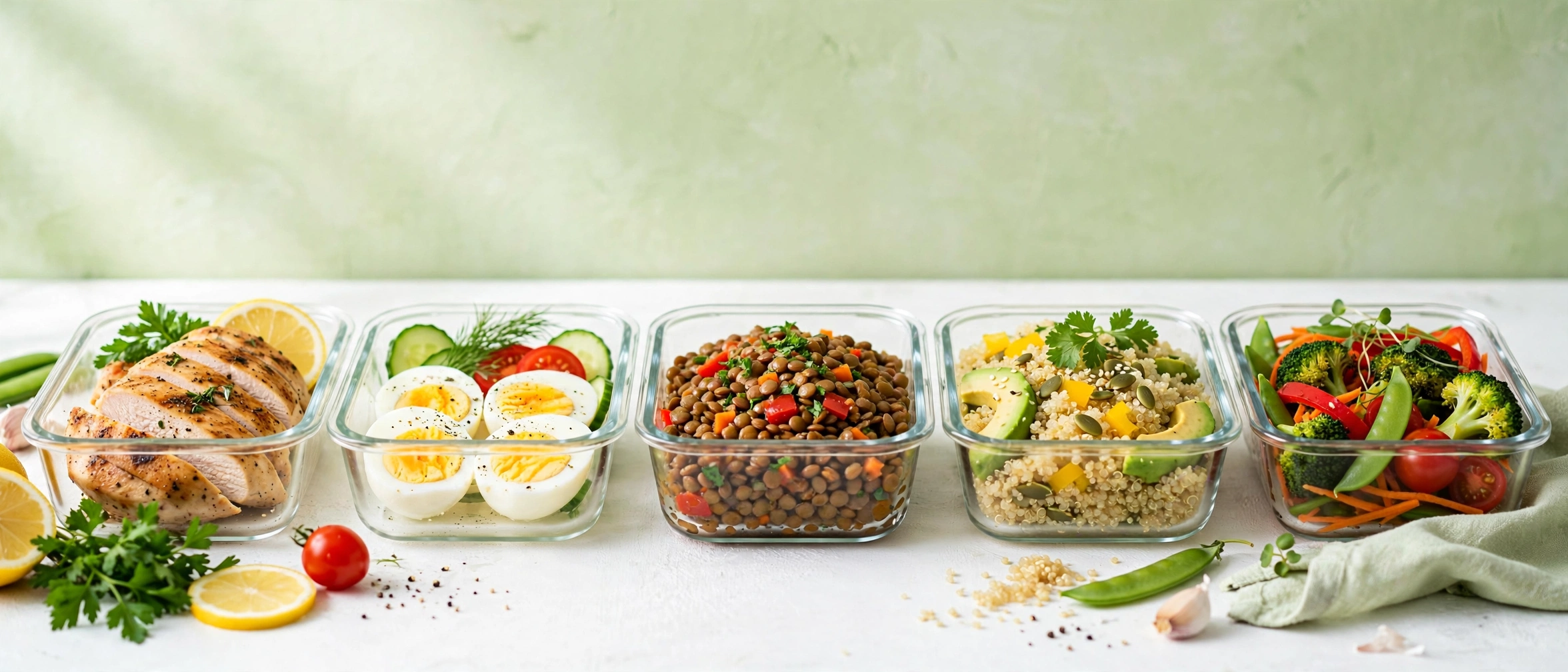
- Lean proteins: poultry, fish, beans, lentils, and unsalted nuts
- Limited sodium, sweets, added sugars, and red meat
Serving counts are based on a roughly 2,000-calorie diet and scale with your needs. To find your own calorie level, read how to calculate your daily calorie needs or use our BMR and TDEE calculator.
How the DASH Diet Lowers Blood Pressure
Blood pressure responds strongly to a handful of nutrients: sodium tends to raise it, while potassium, calcium, and magnesium help keep it in a healthy range. The DASH diet tackles the problem from both sides — cutting sodium while loading up on the minerals that support healthy blood pressure.
In the original DASH trials, participants who followed the eating plan saw meaningful drops in blood pressure within about two weeks, with the largest improvements in people who started with the highest readings. Combining the DASH diet with reduced sodium intake produced even bigger reductions. Those results have held up across decades of follow-up research, which is why the DASH diet consistently ranks among the top eating patterns recommended by cardiologists.
It helps that the pattern is naturally high in fiber and moderate in saturated fat, which also supports healthy cholesterol and steady energy. If you are comparing proven eating patterns, our Mediterranean diet beginner's guide covers another top-rated option.
What to Eat: The Complete Food Guide
Think in food groups, not forbidden lists:
Vegetables and fruits — the foundation
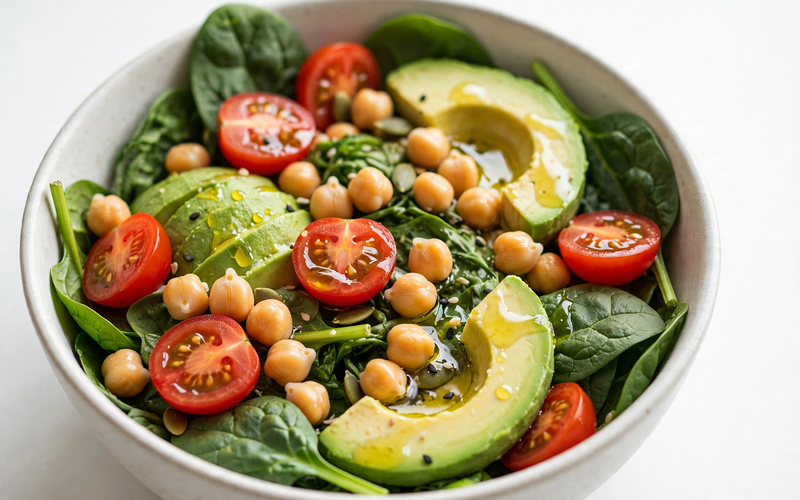
Aim for 4–5 servings of each daily. Fresh, frozen without added sauces, and rinsed low-sodium canned options all count. Leafy greens, berries, citrus fruit, carrots, and tomatoes are classic DASH staples.
Whole grains
Brown rice, oats, quinoa, whole-wheat bread and pasta, and barley — about 6–8 servings a day on a 2,000-calorie plan. Choose products labeled "100% whole grain."
Low-fat dairy
Milk, yogurt, and cheese in low-fat or fat-free versions supply the calcium and protein the DASH diet relies on — 2–3 servings daily.
Lean proteins, legumes, nuts, and seeds
Fish, skinless poultry, beans, lentils, and unsalted nuts and seeds. Keep red meat to a few small servings per week at most.
Healthy fats in small amounts
Olive oil and other unsaturated oils, used sparingly — roughly 2–3 servings of fats and oils per day.
Foods to Limit (and Why)
- Sodium: the standard DASH diet target is 2,300 mg per day, with a stricter 1,500 mg version for people who need stronger blood-pressure control. Most sodium comes from processed foods and restaurant meals — not the salt shaker — so reading labels matters more than hiding the shaker.
- Sweets and added sugars: about 5 or fewer servings per week of sweets, sugary drinks, and desserts.
- Saturated and trans fats: limit fatty meats, full-fat dairy, butter, and pastries.
- Alcohol: if you drink, keep it moderate — excess alcohol raises blood pressure on its own.
Getting Started With the DASH Diet: A Simple 7-Day Transition
Do not overhaul everything overnight. Ease in:
- Days 1–2: add one extra serving of vegetables and one of fruit to each day; swap one refined grain for a whole grain.
- Days 3–4: switch to low-fat dairy and replace one meat-based meal with beans or lentils.
- Days 5–6: start checking sodium on nutrition labels and choose lower-sodium bread, soup, and canned goods. A meal log helps you spot hidden sodium fast.
- Day 7: cook one full DASH-style day — oatmeal with berries for breakfast, a big vegetable-and-bean soup for lunch, baked salmon with brown rice and steamed greens for dinner — and notice how steady your energy feels.
For ongoing tracking, our nutrition tool lets you watch sodium, potassium, and fiber alongside calories.
Can It Help You Lose Weight?
The DASH diet was not designed for weight loss, but many people lose weight on it anyway. That is no mystery: it is built on high-fiber, high-volume foods that keep you full, it cuts the sugary drinks and oversized restaurant portions that drive overeating, and it pairs naturally with an active lifestyle. If weight loss is your goal, combine the DASH diet pattern with a modest calorie deficit (see what a calorie deficit is and how to do it safely) rather than treating DASH as a rapid-weight-loss diet — it is a long-term eating pattern, and that is its strength.
- The DASH diet is a research-backed eating pattern: rich in fruits, vegetables, whole grains, and low-fat dairy; low in sodium, added sugars, and saturated fat.
- It lowers blood pressure by cutting sodium while boosting potassium, calcium, and magnesium — with results visible in as little as two weeks in trials.
- Standard sodium target: 2,300 mg/day, with a 1,500 mg/day version for stronger control.
- Start gradually with a 7-day transition instead of overhauling everything at once.
Frequently Asked Questions
How fast does the DASH diet lower blood pressure?
In the original clinical trials, participants saw meaningful blood-pressure reductions within about two weeks of following the DASH diet. Individual results vary, and anyone with hypertension should keep working with their doctor rather than adjusting medication on their own.
Is the DASH diet the same as a low-sodium diet?
Not exactly. Cutting sodium is only half the strategy — the DASH diet also deliberately increases potassium, calcium, magnesium, and fiber through fruits, vegetables, whole grains, and low-fat dairy. A plain low-sodium diet without those additions does not deliver the same benefit.
Can I follow the DASH diet if I don't have high blood pressure?
Absolutely. The DASH diet is simply a balanced, nutrient-rich eating pattern, and it is widely recommended for general heart health, healthy cholesterol, and steady energy — not only for people with hypertension.
Is the DASH diet expensive?
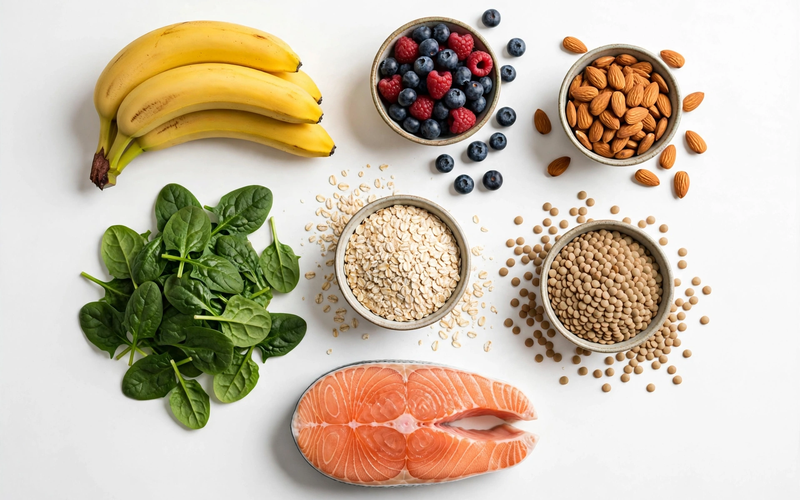
It does not have to be. Beans, lentils, oats, brown rice, frozen vegetables, bananas, and seasonal produce are among the cheapest foods available. Costs rise only if you lean heavily on out-of-season berries, fresh fish, and pre-made "healthy" products.
Can I eat at restaurants on the DASH diet?
Yes, with a few habits: ask for sauces and dressings on the side, choose grilled over fried, request no added salt, and load up on vegetable sides. Restaurant meals are the biggest source of hidden sodium, so one flexible meal out will not undo your progress — just get back on pattern at the next meal.
Do I need to count calories on the DASH diet?
The classic DASH diet does not require calorie counting, though serving guidelines assume a roughly 2,000-calorie intake. If weight loss is also a goal, tracking intake for a while with a food tracker helps you match portions to your target.

Comments (0)
No comments yet. Be the first to share your thoughts!
Leave a comment